Newsletters




Senior religious leaders in the United Kingdom have issued a stark warning that the current trajectory of Israel’s government could undermine the ethical foundations of Judaism itself, arguing that criticism of state policy is not disloyalty but a religious responsibility.
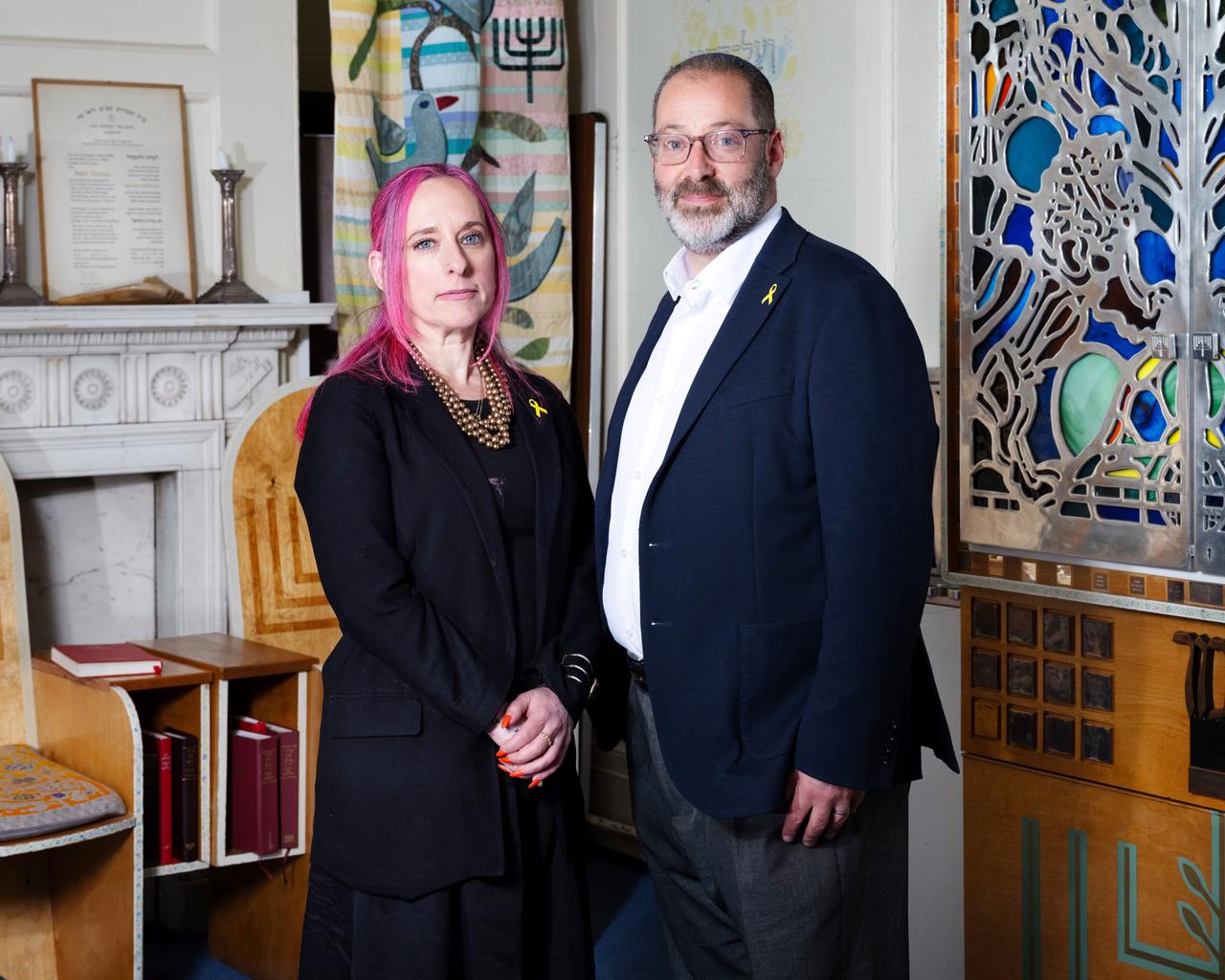
Rabbi Charley Baginsky and Rabbi Josh Levy, who co-lead Progressive Judaism, said Israel’s political direction risks becoming “incompatible with Jewish values,” raising what they described as an “existential threat” not only to the state but to Judaism as a moral and religious tradition.
Their remarks come ahead of the publication of "Progressive Judaism, Zionism and the State of Israel," a collection of 40 essays from clergy and community figures reflecting a wide range of views on Jewish identity, Zionism and the Israeli state.

The intervention challenges a long-standing expectation within parts of the Jewish diaspora that support for Israel should remain unconditional.
Instead, the rabbis positioned engagement, including criticism, as central to Jewish theological and ethical discourse.
The warning marks a significant moment in ongoing debates over Jewish identity and the role of Israel within diaspora communities.
According to The Guardian, the rabbis argued that Israel’s current political direction risks becoming “incompatible with Jewish values,” framing the issue as both ethical and religious.
“It is to be part of a millennial conversation about Jewish values and what God wants of us in the world and our relationship with the land,” Levy said, rejecting the idea that criticism equates to disloyalty.
Baginsky raised a central concern that runs through the book: “What happens when the direction of the government within Israel takes Israel down a line that makes it incompatible with our Jewish values? That’s a huge worry.”
The rabbis stressed that government decisions inevitably reflect on the broader Jewish community. “What the government of Israel does reflects on us as Jews and reflects on our Judaism,” Levy said, adding that this creates an obligation “to be in dialogue with that in some way.”
While Progressive Judaism remains committed to a Jewish, pluralist and democratic state in Israel, the movement has deliberately opened space for disagreement.
The new volume includes contributors who do not identify as Zionists, reflecting what its editors describe as a necessary plurality of voices.
Levy rejected the idea that internal disagreement weakens Jewish communities, arguing instead that “holding differences makes us stronger.” Baginsky pointed to the difficulty of maintaining nuanced positions in an increasingly polarized environment, noting that identifying as both Zionist and critical of Israeli policy often leaves little room for acceptance.
Both leaders also distanced their religious outlook from narratives associated with far-right Israeli political figures such as Bezalel Smotrich and Itamar Ben-Gvir. Baginsky described her position as a form of religious Zionism that also recognizes Palestinian self-determination, while Levy characterized their approach as rooted in ethical and textual traditions rather than territorial claims.
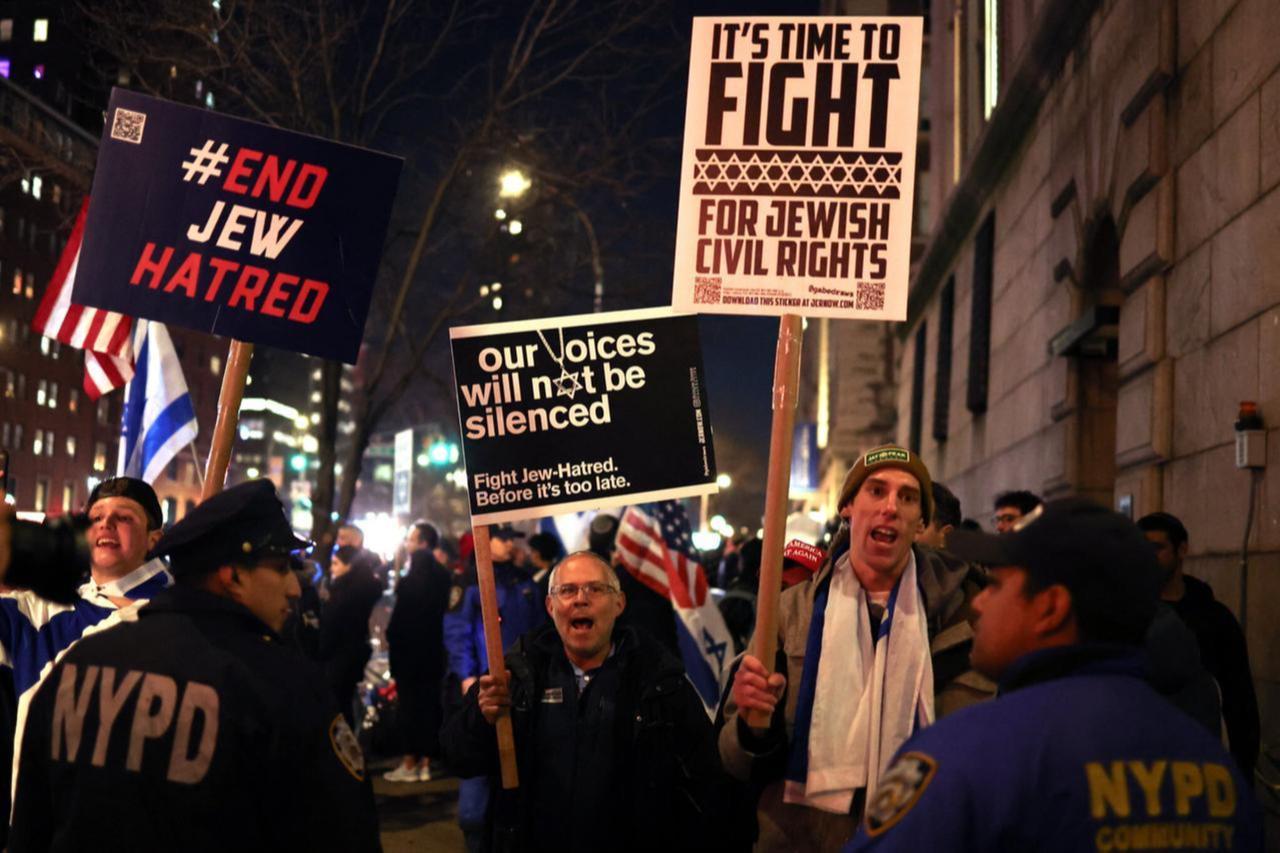
Their stance has at times placed them at odds with parts of the British Jewish community. During a rally last year calling for the release of Israeli hostages held by Hamas in Gaza, both rabbis were booed after urging an end to the war and the establishment of a Palestinian state.
“That moment was painful. It was nearly a year ago, and I still feel it viscerally,” Baginsky said, though she added that the backlash was followed by support from across both Jewish and wider faith communities.
Despite the sharp warning, both leaders expressed hope that change remains possible. Their ongoing review of Progressive Judaism’s relationship with Israel and Zionism is expected to continue, with no single political position to be imposed on members.
“Just as there is no theological position that you have to sign up for… similarly, there’s no political position on Israel that you have to hold,” Levy said.
The debate reflects a broader shift within parts of the global Jewish community, where questions of identity, statehood, and moral responsibility are increasingly contested, rather than assumed.


 Set as preferred source
 Set as preferred source



 4 min read