Newsletters


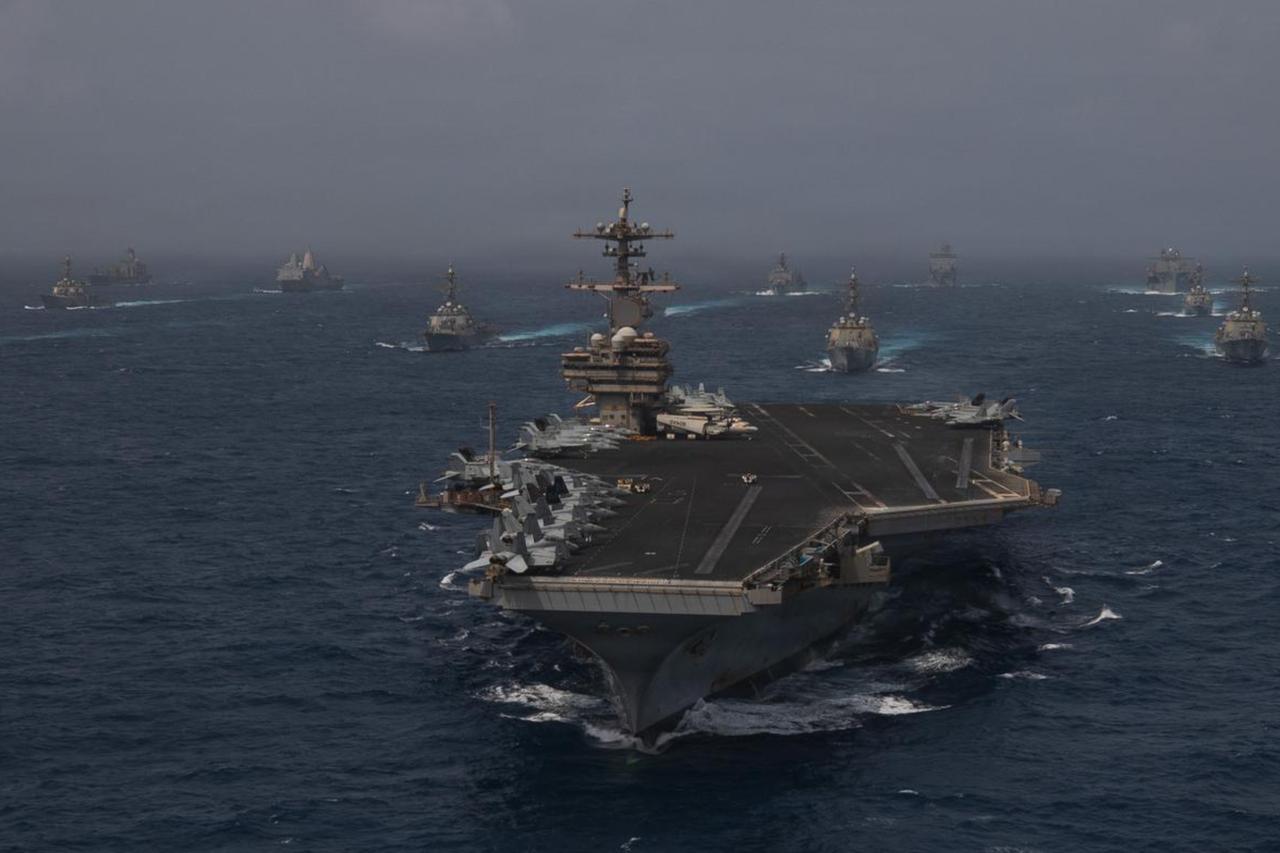


Russia said Monday that signs of possible new military action against Iran were “extremely alarming,” urging intensified diplomatic efforts and a return to normal conditions in the Strait of Hormuz.
Foreign Ministry spokesperson Maria Zakharova said the conflict surrounding Iran had yet to be resolved and had become intertwined with other crises in the Middle East.
“Signs that new military actions against Iran are being planned are extremely alarming,” Zakharova said.
She argued that attacks in recent months had failed to break the Iranian people’s determination to defend the country’s sovereignty and independence.
“Those threatening new attacks today should consider this,” she said.
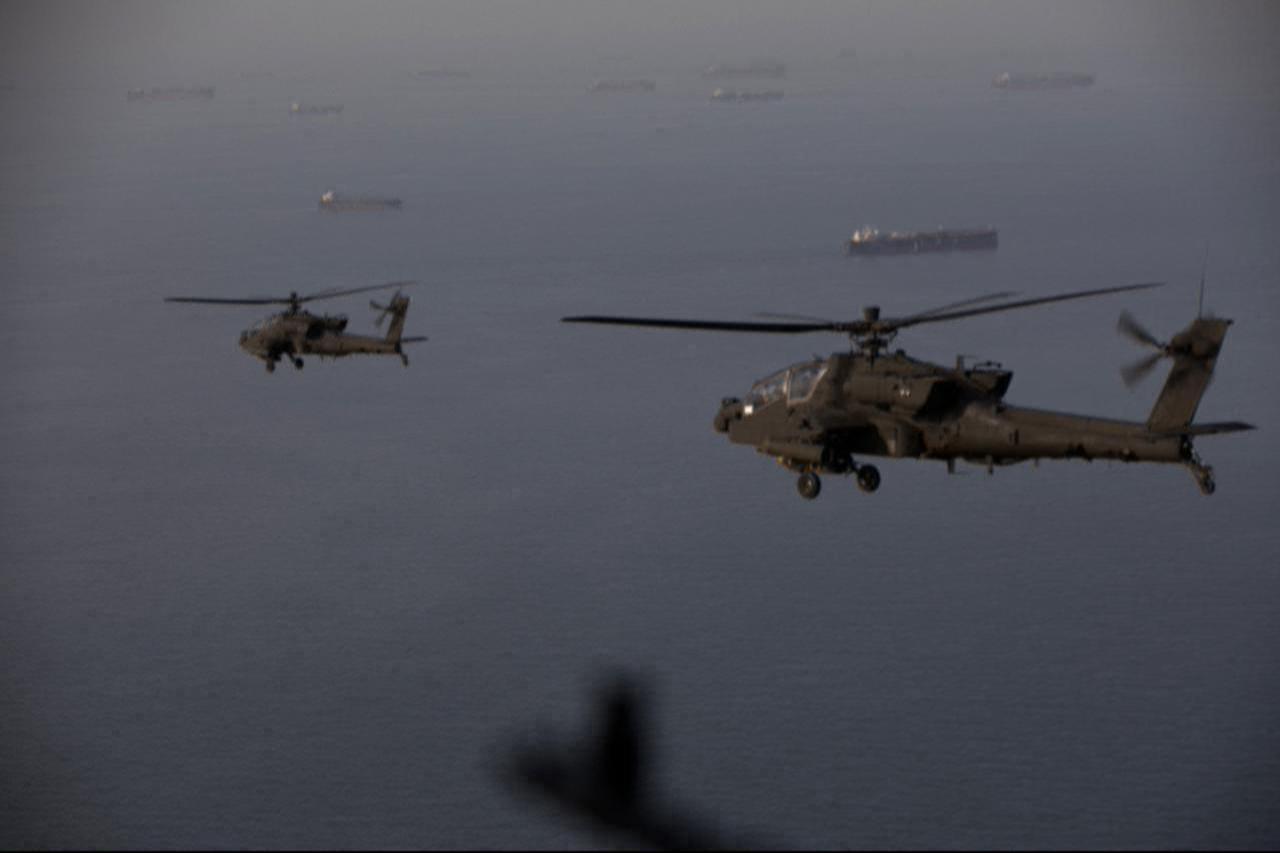

Zakharova called for stronger diplomatic efforts and support for mediators involved in negotiations, saying Moscow was ready to contribute to finding mutually acceptable solutions and implementing them.
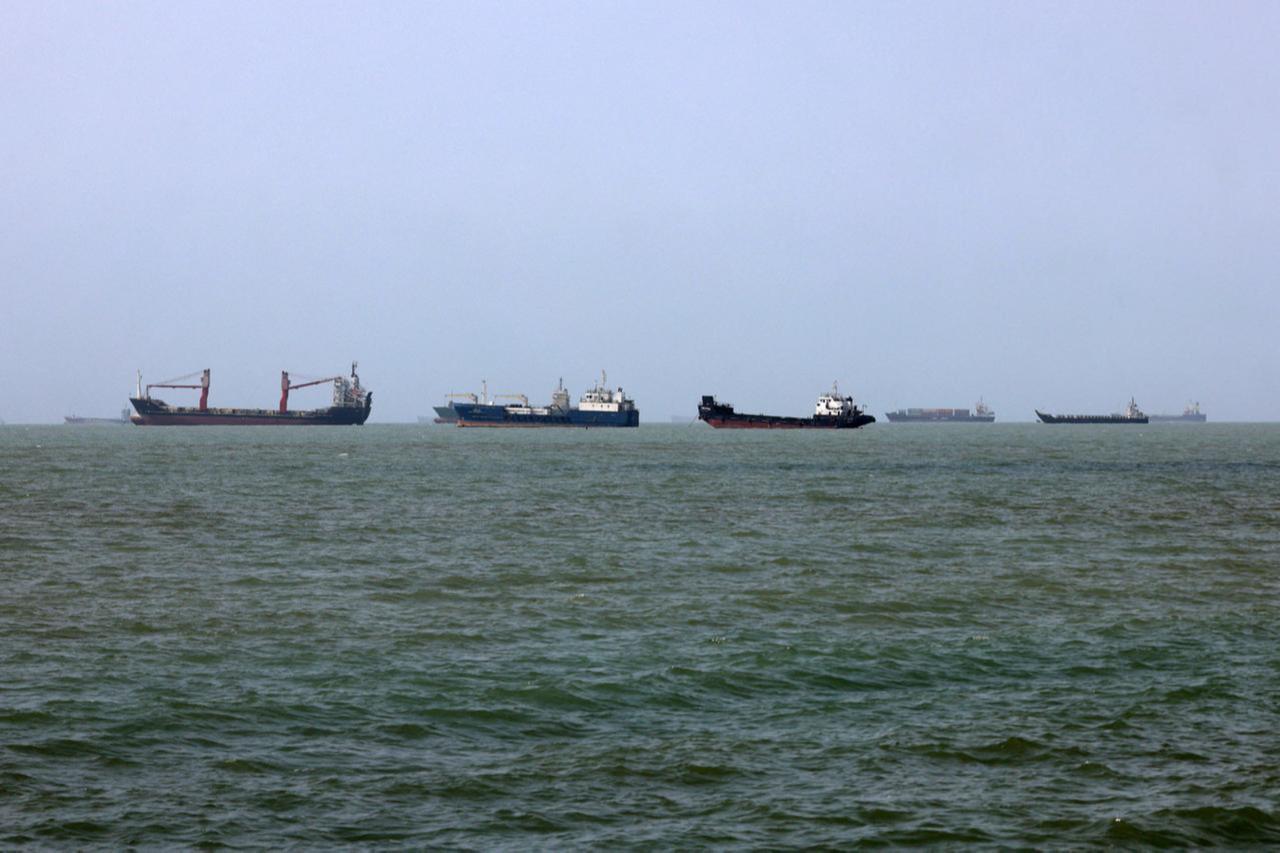
Russia also hopes for a “swift return to normalcy in the Strait of Hormuz,” she said, while calling for the interests of countries bordering the strait and states seeking secure passage through the waterway to be taken into account.
Zakharova described the U.S. naval blockade of Iran as “illegal.”
She also welcomed the Oct. 26 high-level meeting in Tehran between Iran and participants in the Mecca Pact, stressing the importance of constructive dialogue, mutual trust and respect for neighboring countries’ security interests.
Russia supports creating a common security architecture in the Persian Gulf without outside intervention, she added.
Separately, Russian Security Council Secretary Sergey Shoigu said preparations were underway for planned trilateral talks between Russia, the U.S. and Ukraine in Abu Dhabi.
He said the delegations would remain unchanged and that participation by European representatives would have to be discussed and approved by all three sides.
Shoigu said European countries should take steps if they wanted constructive negotiations and long-term peace in Ukraine.
He also accused the West of seeking to divide Russia and said specialists were being trained for that purpose in Poland and the Baltic states.
Shoigu maintained that Russia did not seek to divide other countries, saying: “Colonial countries fall apart on their own.”


 Set as preferred source
 Set as preferred source


 1 min read
 1 min read