Newsletters


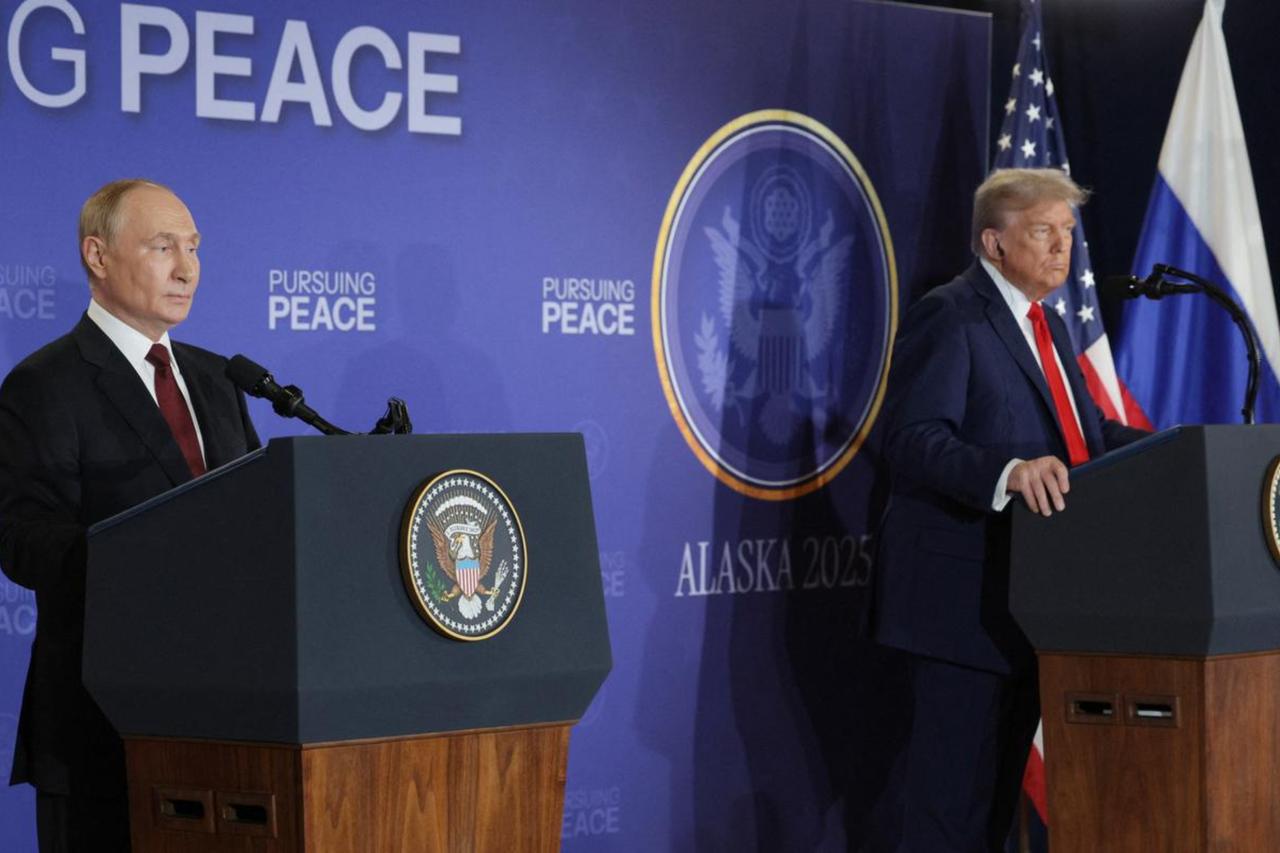


Russia on Saturday hailed U.S. President Donald Trump's decision to waive a sweeping package of sanctions and tariffs targeting Moscow as a "historic moment," while Ukrainian President Volodymyr Zelenskyy warned that easing economic pressure would only encourage further Russian attacks.
Trump signed an executive order Friday suspending the new measures, two days before they were scheduled to take effect.
"The Trump administration's suspension of the Graham Act is an important and truly historic moment," Kirill Dmitriev, a special envoy for Russian President Vladimir Putin, wrote on social media.
The decision came amid worsening relations between Trump and Zelenskyy, raising concerns in Kyiv and among its European allies over Washington's increasingly conciliatory approach toward Moscow.
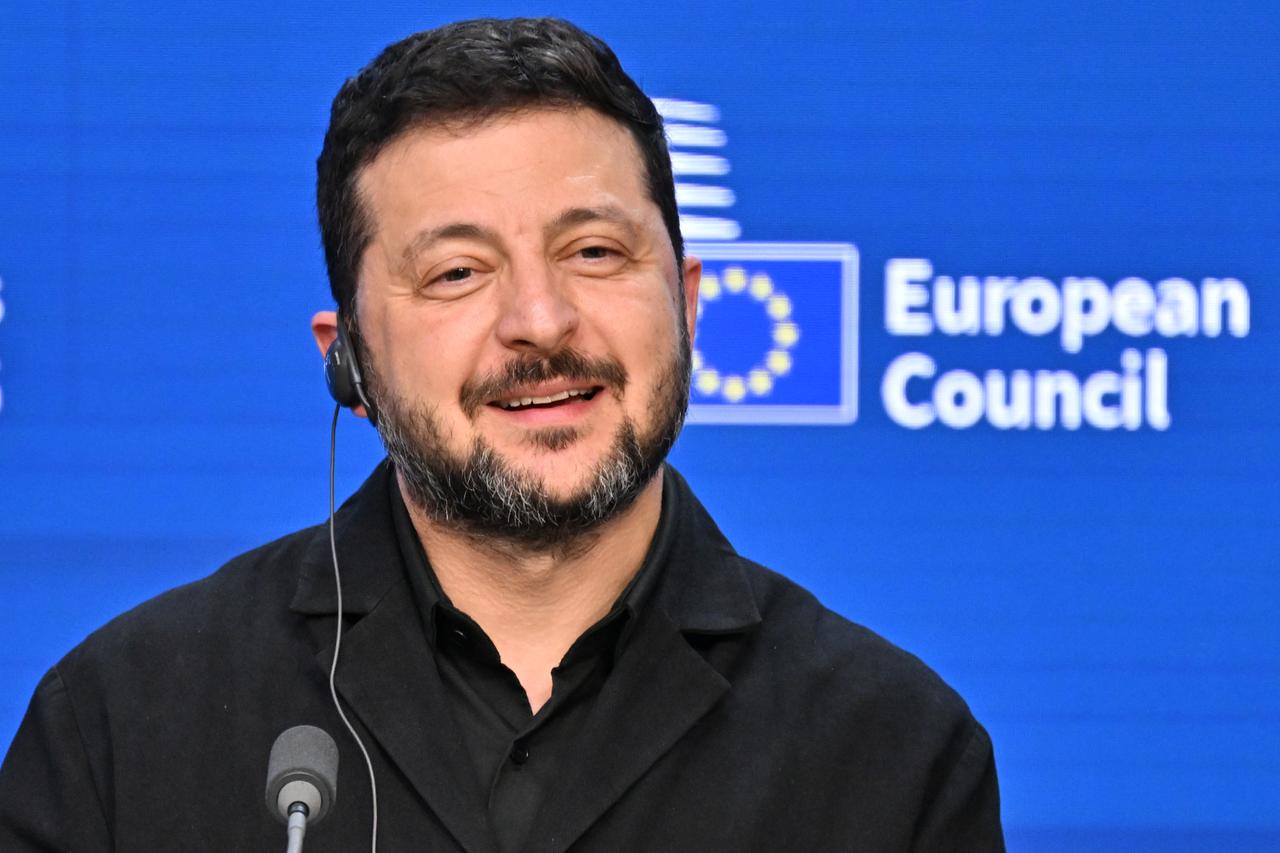
Zelenskyy condemned the move Saturday, arguing that it would strengthen Putin's position as Russia continued its military campaign against Ukraine.
"A U.S. sanctions blackout, easing pressure on the aggressor, financial rewards for Putin -- all of this only encourages him to keep attacking," Zelenskyy wrote on social media.
He urged Ukraine's international partners to maintain economic pressure on Moscow.

The Lindsey O. Graham Sanctioning Russia and Iran Act of 2026, which Trump signed into law in September, targeted Russia's energy and defense sectors, Putin and other senior Russian officials.
The legislation also authorized significant tariffs aimed at restricting Russian energy revenues and discouraging countries from purchasing Russian oil and gas.
However, Trump's executive order waived the measures, citing U.S. national interests.
Dmitriev welcomed the suspension, arguing that the legislation would have caused "serious damage first and foremost to the US economy and global markets."
The Kremlin and Putin had not publicly responded to the decision as of Saturday.
The sanctions waiver followed Trump's recent moves to ease restrictions on Russian energy exports amid disruptions to global oil supplies.
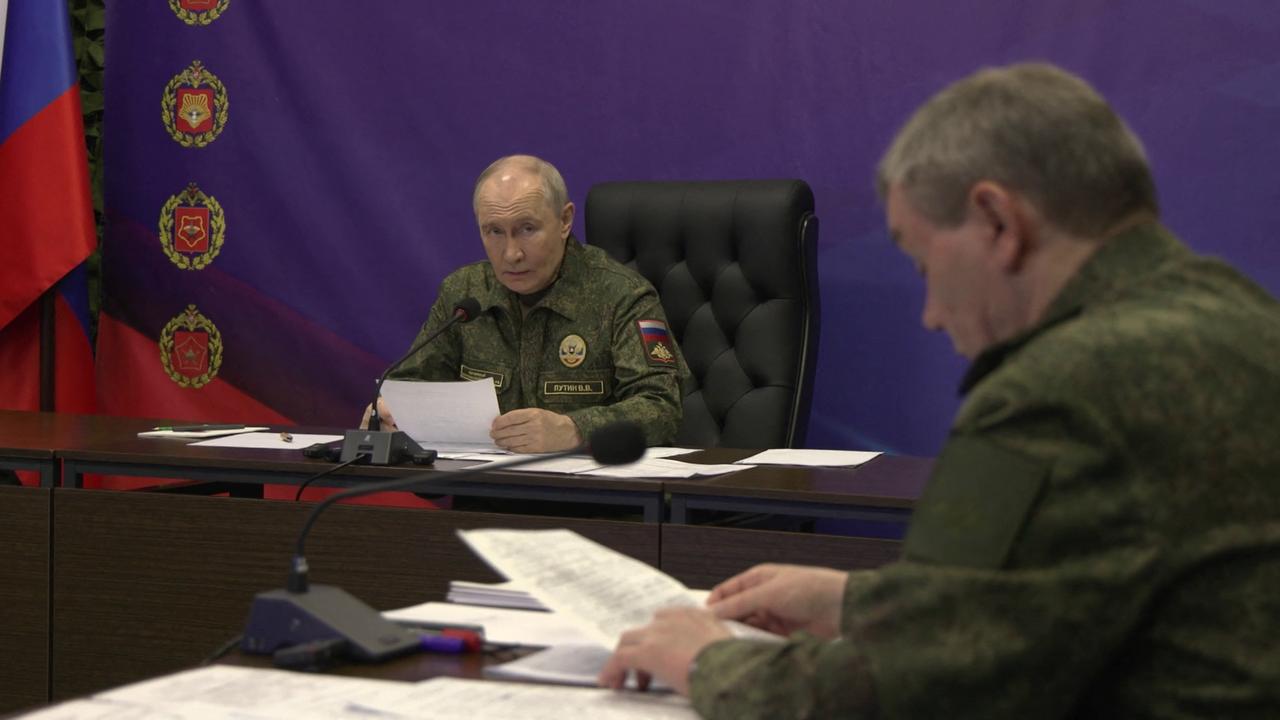
Trump's decision came a day after Putin appeared in military uniform and declared that Russian forces intended to seize the remaining Ukrainian-held territory in eastern Ukraine.
Zelenskyy's criticism reflected growing concerns that relaxing sanctions could give Moscow additional financial resources to sustain its military operations.
Western countries imposed extensive sanctions on Russia after it launched its full-scale invasion of Ukraine in February 2022, targeting financial institutions, energy revenues, senior officials and key sectors of the Russian economy.
Nearly five years into the conflict, hundreds of thousands of people have been killed and millions displaced.
The latest U.S. decision has intensified disagreements between Washington and Kyiv over how to pressure Moscow toward ending the war, with Ukrainian officials continuing to call for stronger sanctions and sustained military support.


 Set as preferred source
 Set as preferred source


 2 min read
 1 min read