

 Newsletters


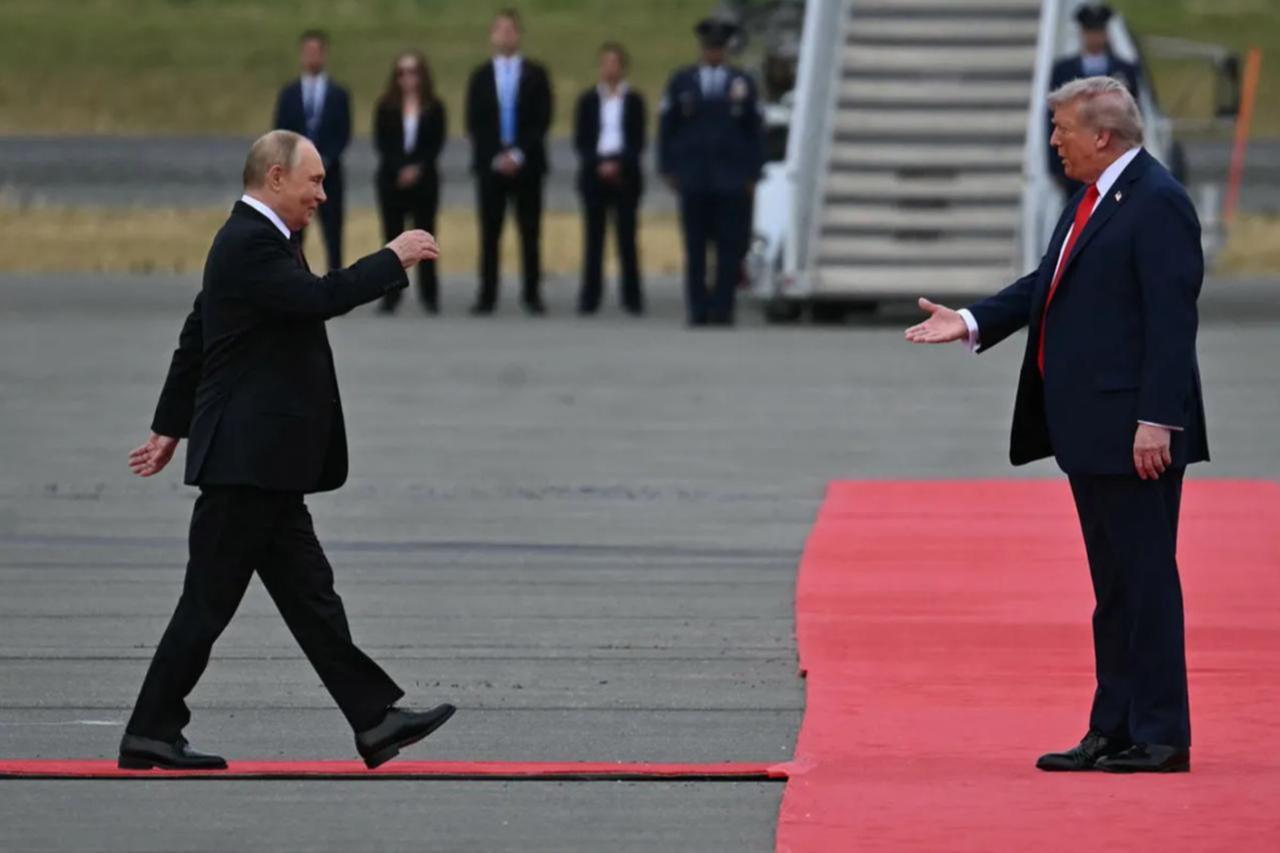


United States President Donald Trump issued an executive order late Friday implementing a new Russia sanctions law while waiving its tariffs and many of its sanctions, as European leaders faced growing calls to increase support for Ukraine amid Washington's shifting stance toward Moscow.
The order implements the Lindsey O. Graham Sanctioning Russia and Iran Act of 2026, which Trump signed into law Sept. 18.
Under the order, tariffs on Russian goods would increase by 500%, while additional duties of 100% would apply to goods from the five largest importers of Russian oil and gas that make new purchases on or after Oct. 18.
The same 100% increase would apply to goods from the five largest facilitators of sanctions evasion involving Russian oil.
However, Trump waived the duties, citing U.S. national interests, and submitted a certification to Congress, the White House said.
The waivers will remain in effect until the president or secretary of state determines that further action is appropriate.
The legislation, named after the late Sen. Lindsey Graham, also targets Russia's energy and defense sectors, President Vladimir Putin and other senior officials, as well as Moscow's so-called shadow fleet of tankers used to circumvent Western sanctions.
Trump's decision follows an agreement with Putin to ease sanctions on Russia in exchange for Moscow releasing large quantities of diesel onto global markets.
The move comes as the U.S.-Israeli war with Iran has disrupted global energy supplies and driven up fuel prices, creating political challenges for Trump's Republican Party ahead of November's midterm elections.
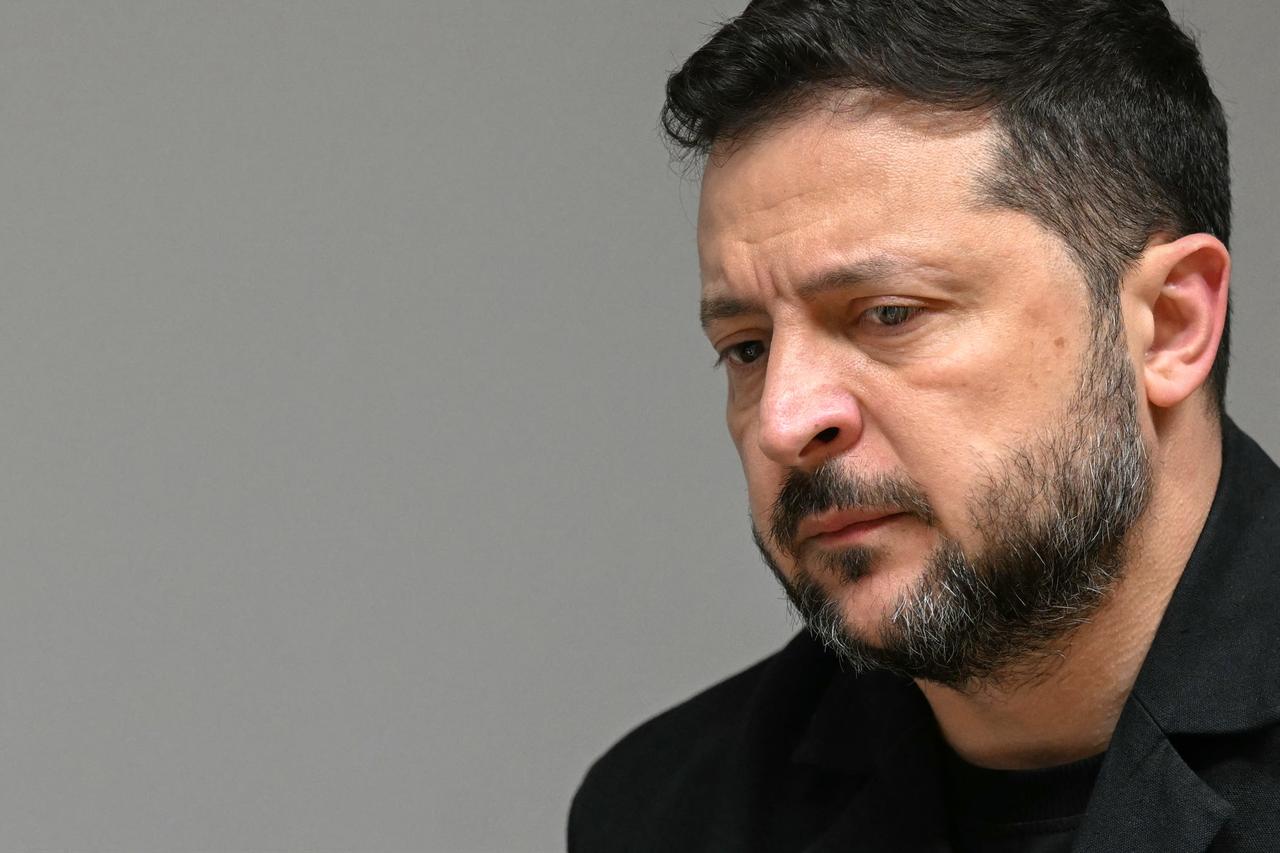

Meanwhile, Ukrainian President Volodymyr Zelenskyy urged European Union leaders Friday to provide an additional €70 billion ($79 billion) next year to sustain Kyiv's war effort as relations with Washington continued to deteriorate.
Speaking after talks with EU leaders in Brussels, Zelenskyy defended Ukraine's decision to resume strikes against Russian oil refineries despite criticism from Trump.
"I defend the interests of Ukraine and the Ukrainian people exclusively," Zelenskyy said.
Trump had described Kyiv's renewed attacks on Russian energy infrastructure as a "disgrace," accusing Ukraine of contributing to rising global energy prices.
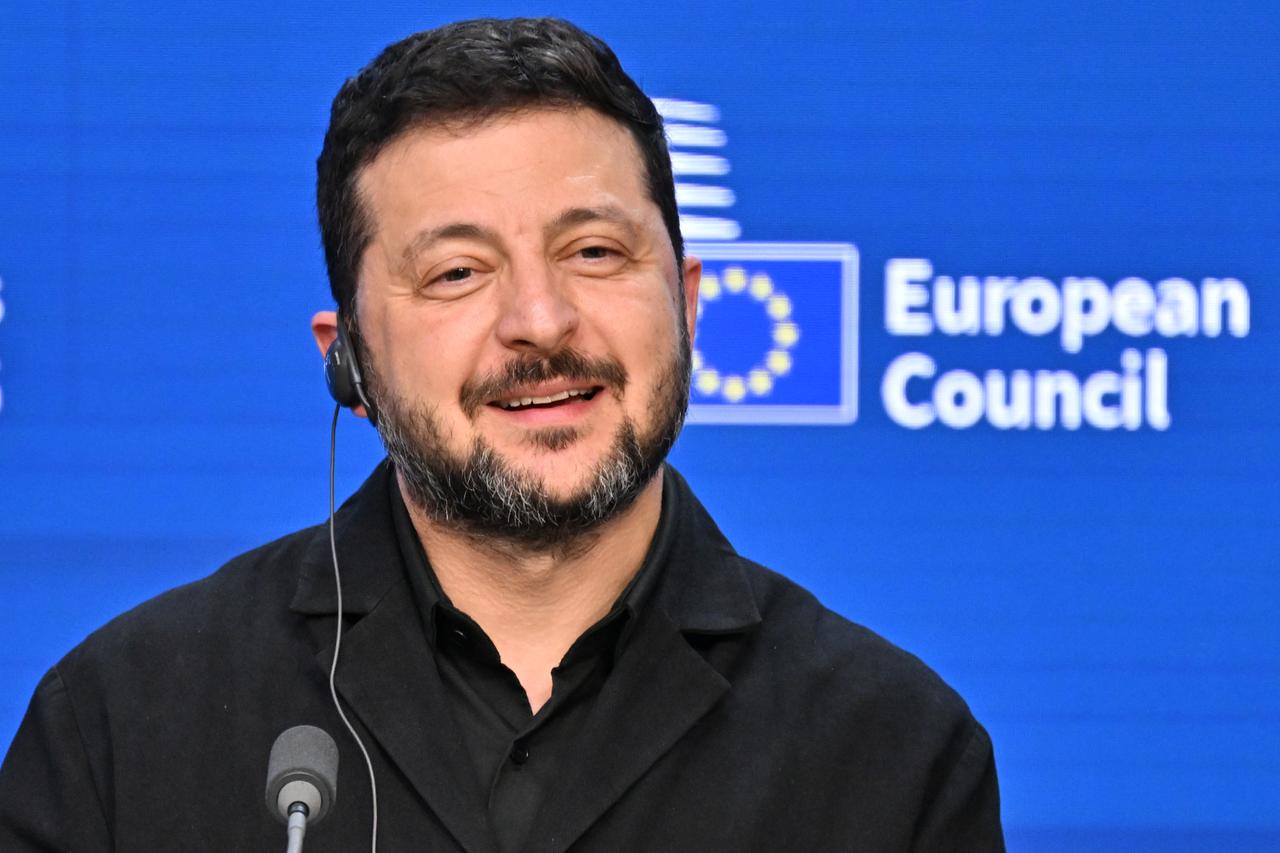
Asked whether he believed he was being made a scapegoat for Trump's domestic political difficulties ahead of the midterm elections, Zelenskyy paused before smiling.
"This is my answer," he told journalists in Brussels.
Tensions between Washington and Kyiv have also intensified over disruptions to a U.S.-provided satellite communications system used by Ukraine's military to coordinate operations and counter Russian attacks.
Ukraine relies on technology developed by Elon Musk's SpaceX for battlefield communications.
Musk denied that his company was responsible for the disruptions, while a senior U.S. official denied that Trump personally ordered restrictions on the system.
The developments have fueled concerns among Ukraine's European allies about Washington's approach toward Moscow and its continued military support for Kyiv.
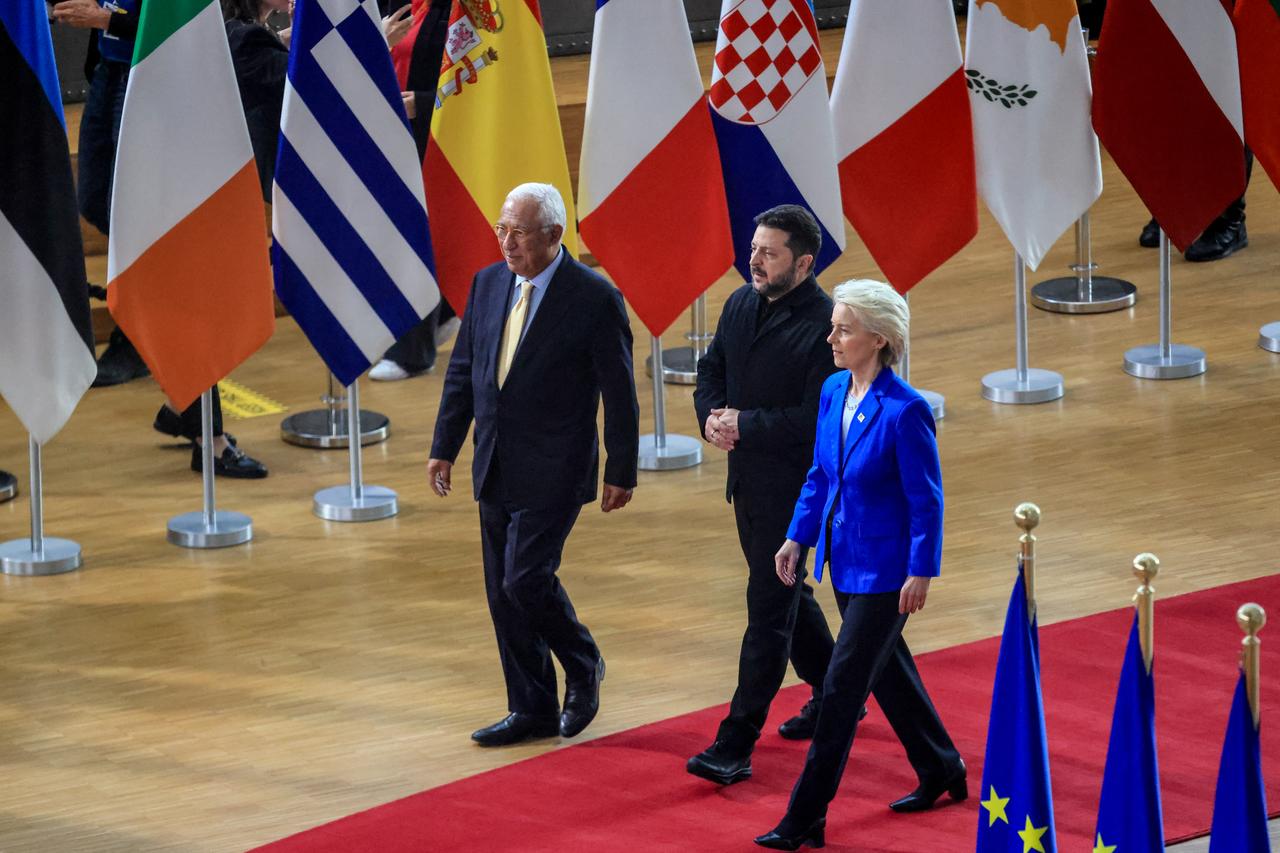
European leaders reiterated their support for Ukraine and warned against relaxing sanctions on Russia while Moscow continued its military campaign.
"This is no time to withdraw the support to Ukraine. This is no time to relieve Russia's sanctions," European Council President Antonio Costa said.
"Now it is time to increase our support, to increase our pressure."
Dutch Prime Minister Rob Jetten also expressed concern about Ukraine's worsening security situation and strained relations with Washington.
"The situation in Ukraine is currently truly dire, with numerous Russian attacks and a tense relationship between Ukraine and the US," Jetten said.
"It is crucial that we, as Europe, demonstrate our unconditional support for them today—and explore what additional steps we can take," he added.
Zelenskyy also appealed for additional Patriot air defense missiles to protect Ukrainian cities and critical infrastructure from Russian strikes.
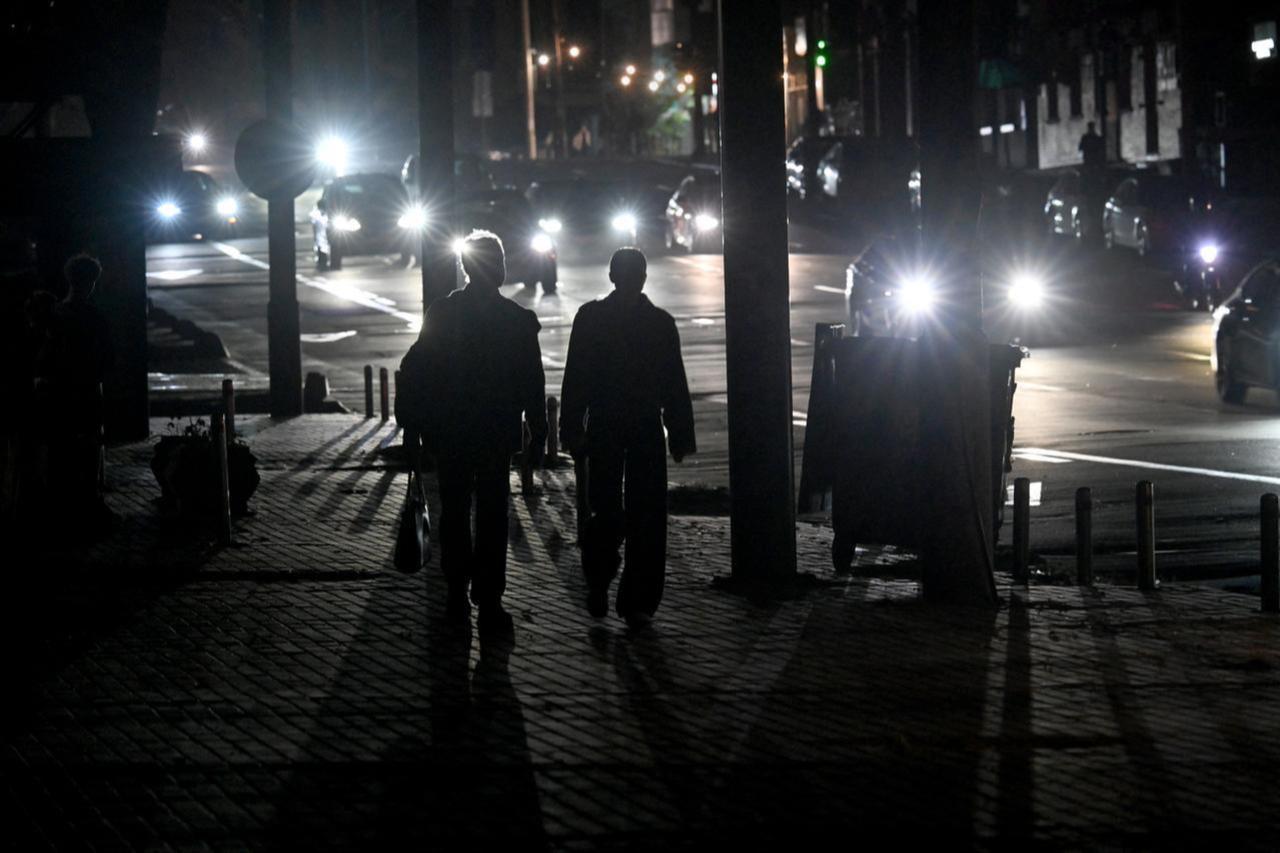
Ukraine has struggled to intercept Russian missiles as Moscow intensifies attacks on the country's electricity, heating and water systems ahead of winter, when temperatures can fall to minus 20 degrees Celsius.
Russian strikes on the southern cities of Kherson and Zaporizhzhia killed a 64-year-old man and at least 17 other people, including an 11-year-old girl, respectively, Ukrainian authorities said Saturday.
European Commission President Ursula von der Leyen acknowledged Ukraine's request for an additional €70 billion, saying the funding gap "has to be covered."
She urged international partners to contribute to the effort.
French President Emmanuel Macron said Ukraine's supporters would examine the request, while German Chancellor Friedrich Merz said the European Union would discuss the matter before the end of the year.
The EU is already disbursing installments of a €90 billion loan intended to help cover Ukraine's financing requirements through the end of 2027.
However, Ukrainian authorities have warned that the country will still face a substantial budget shortfall as Russian attacks continue to damage its economy and critical infrastructure.
The discussions have renewed calls for the EU to use approximately €200 billion in frozen Russian central bank assets to finance Ukraine's military and reconstruction needs.
"The frozen assets are there. That's what should be used for supporting Ukraine," Latvian Prime Minister Andris Kulbergs said.
However, the proposal continues to face resistance from Belgium, where most of the frozen assets are held.
The dispute over future financing comes as European governments seek ways to sustain Ukraine's defense capabilities amid uncertainty over Washington's military assistance and its increasingly conciliatory approach toward Moscow.


 Set as preferred source
 Set as preferred source


 1 min read
 1 min read


