Newsletters


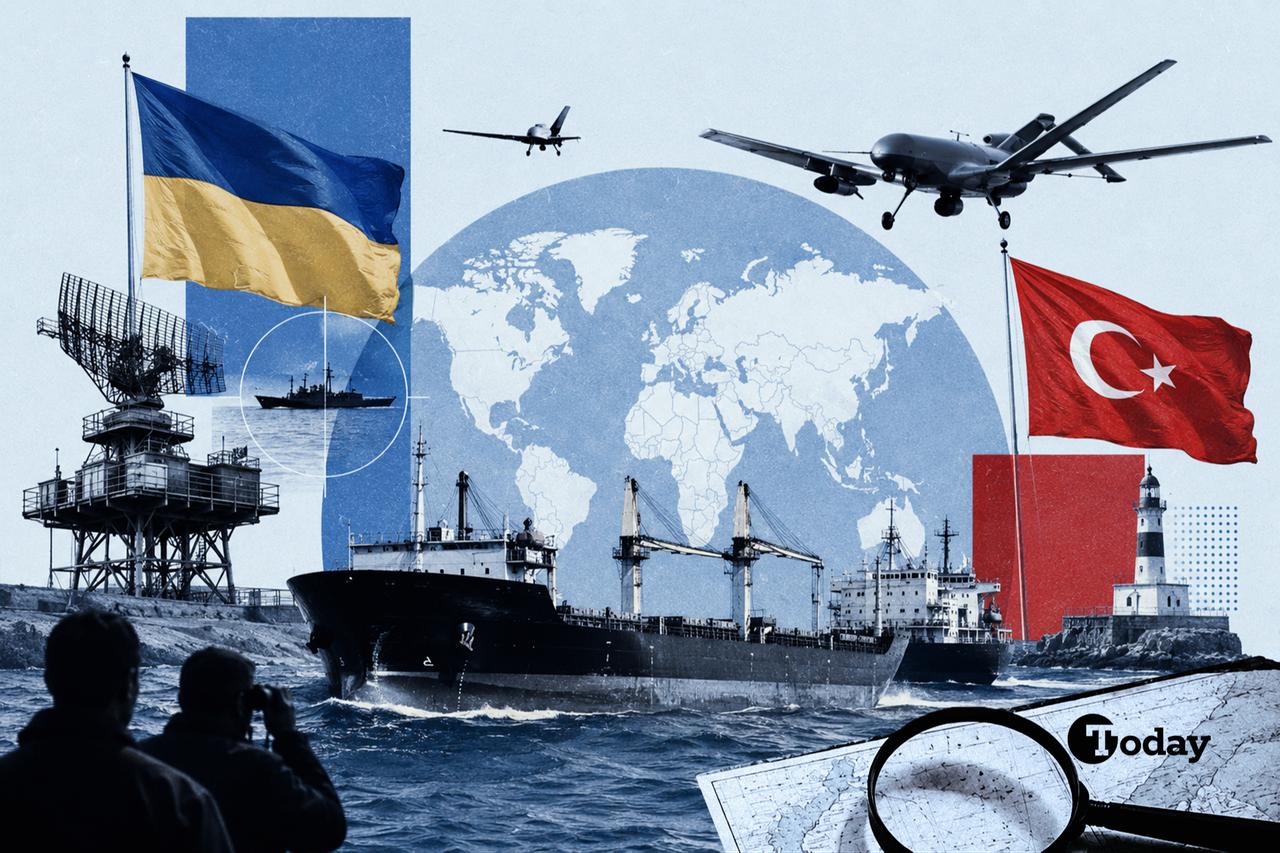


Ukraine's ambassador to Ankara has a clear message: Kyiv shouldn't be blamed for every drone strike on ships in the Black Sea—not without solid proof.
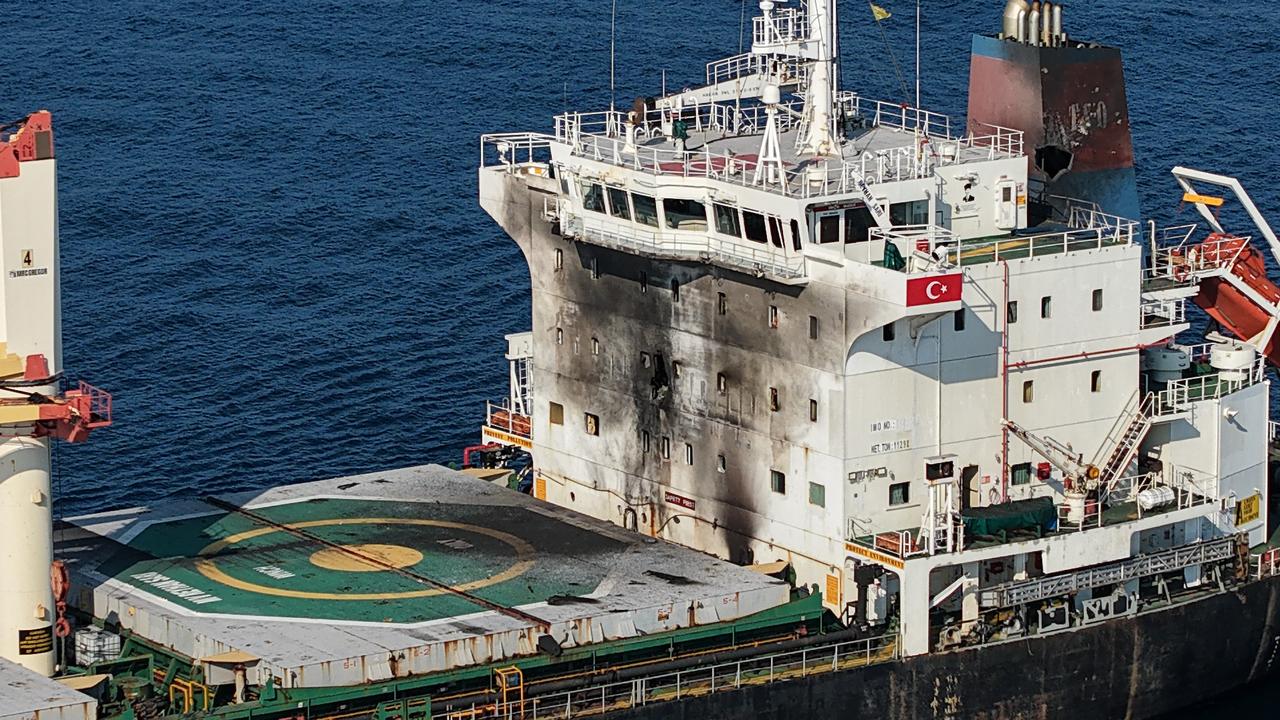
His remarks come against the backdrop of a tense diplomatic episode: on Aug. 29, Türkiye's Foreign Ministry summoned Ukraine's ambassador after a Turkish-operated vessel came under attack in the Black Sea, along with a second ship dispatched to assist it. The vessel Lider Bordo Mavi was struck off Tuapse on Aug. 26, and the Lider Kocatepe—sent to tow it—was targeted the following day.
Nariman Dzhelyalov said Kyiv had already flagged the risks that the ongoing war poses to civilian shipping in the region. He stressed that attacks on vessels—including those owned by Türkiye—should not be attributed to Ukraine without verified evidence. His other concern is that incidents involving Turkish sailors could be used to drive a wedge between the two nations.
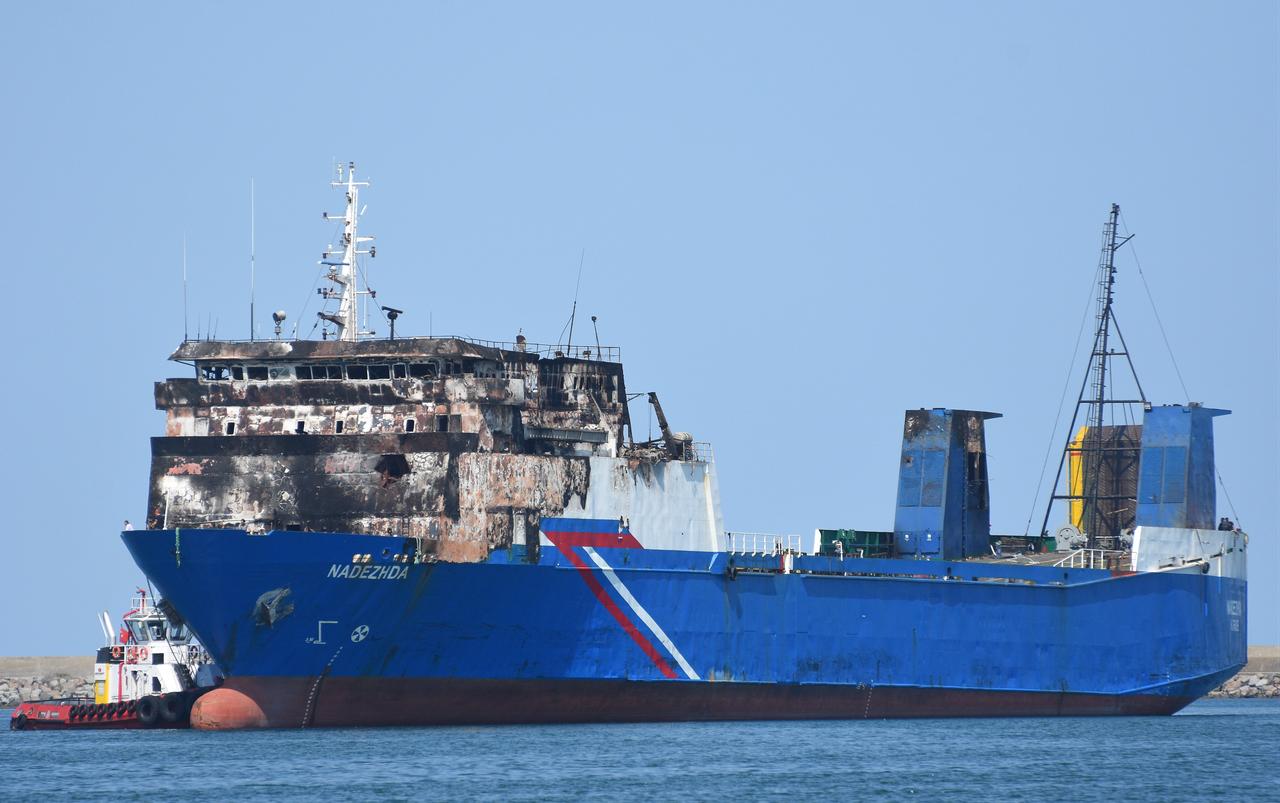
The ambassador also laid out Kyiv's position on the attacks on the vessels Yasar and Nadezhda, a proposed maritime moratorium, the future of the grain corridor, and Türkiye's role in providing security guarantees.
In an exclusive interview with Türkiye Today, the ambassador was asked whether Kyiv possesses radar traces, flight paths, or other technical data that could help identify those responsible for the drone attacks on the Turkish-owned vessels Yasar and Nadezhda. Both ships had departed from the Russian port of Novorossiysk prior to being struck, an incident that drew a serious reaction in Türkiye. They are among several vessels targeted by drones in the Black Sea in recent months, leaving open the question of whether Kyiv or Russia bears responsibility for the strikes.
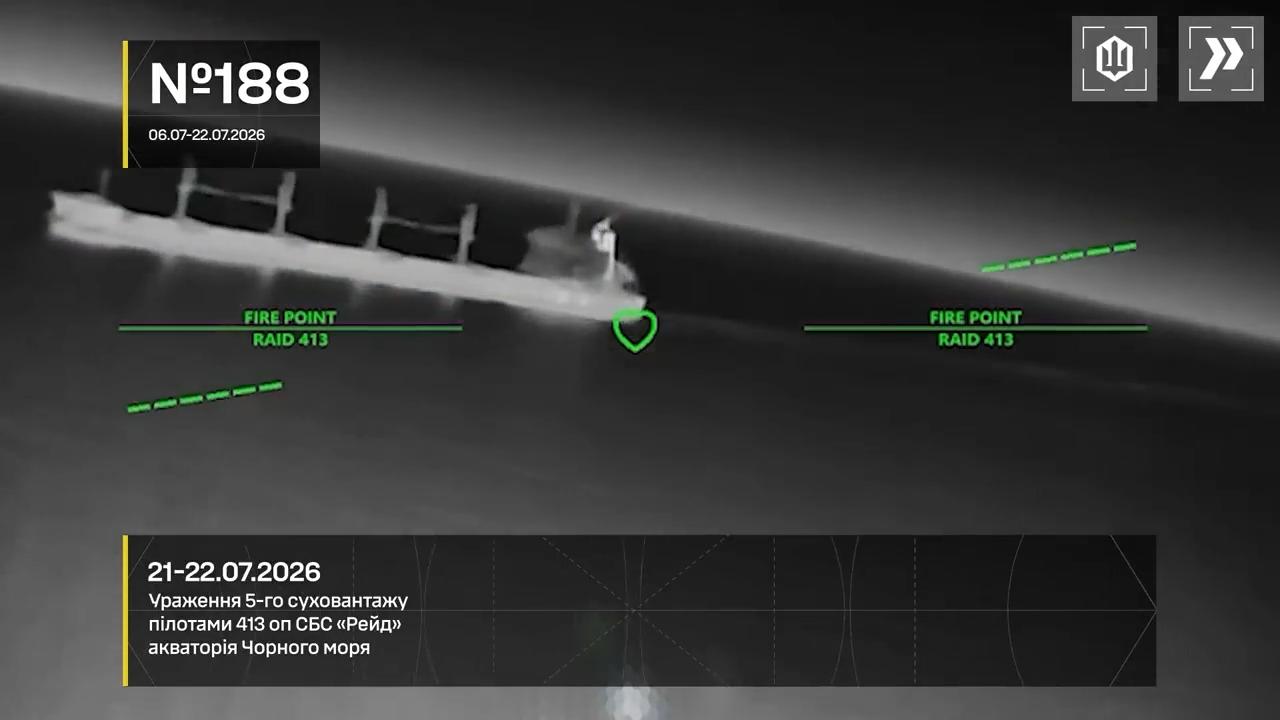
The Turkish-owned civilian vessels were attacked by unmanned aerial vehicles (UAVs) about 20 nautical miles off Novorossiysk on Aug. 3. Later, a Turkish container ship, Lider Bordo Mavi, was hit on Aug. 26, while it was off the Russian coast on the Black Sea. The next day, on Aug. 27, the ship Lider Kocatepe, sent to tow the cargo vessel, was also targeted, possibly by Ukraine.
"First of all, I would like to say that we take any incident in which civilians may be harmed very seriously," Dzhelyalov said. "For us, the lives of all civilians are of the highest value, and the safety of Turkish sailors is no exception."
"Civilian commercial shipping is not a target for Ukraine. On the contrary, Ukraine has the strongest interest in ensuring the freedom and security of navigation in the Black Sea. This is our official and consistent position," he added.
He noted that Kyiv draws a strict line between ordinary commercial traffic and vessels tied to Moscow's war effort.
"At the same time, we cannot ignore the fact that Russia actively uses the so-called shadow fleet to circumvent sanctions, generate revenues that finance its war, and, in some cases, support its military logistics," the ambassador said.
"This is why Ukraine, together with its partners, is working to ensure that such vessels are identified, sanctioned, deprived of insurance and access to ports and services, and, where there are legal grounds, detained or seized. However, it is fundamentally important not to equate civilian shipping as such with vessels that Russia uses as part of its military and economic infrastructure," Dzhelyalov stated.
Addressing the two specific ships, he said: "As for specific incidents, establishing responsibility requires evidence. I believe it is in the interests of all countries in the region, and above all Ukraine and Türkiye, that any conclusions be based not on assumptions or media reports, but on objective technical data."
"I do not believe it is appropriate to attribute responsibility to Ukraine without such evidence. Ukraine is interested in an objective determination of all the circumstances surrounding such incidents. Professional technical cooperation between Ukraine and Türkiye is far more useful in this regard than political speculation or premature accusations."

When asked how transparently Kyiv is prepared to share information on the origin of the attacks, given their potential to erode support for Ukraine in Türkiye, Dzhelyalov said the answer lies with experts.
"I fully agree that Turkish society has the right to know what is happening to Turkish vessels and to Turkish citizens working on board them. This is precisely why we need the closest possible professional cooperation between the competent authorities of our two countries," he said.
"First and foremost, this is a matter for experts who must establish the facts on the basis of objective technical data. At the same time, it is equally important that political conclusions and accusations are not made before the facts have been established," Dzhelyalov added.
He noted that Ukraine issues public warnings to the shipping community.
"For its part, Ukraine is doing everything possible to ensure that civilian seafarers receive timely information about potential dangers. For safety reasons, Ukraine provides advance and public information to the maritime community about risks related to hostilities in the Black Sea," the ambassador said.
"Official navigational warnings, including NAVTEX messages, identify areas of increased danger and zones where navigation is restricted or prohibited due to military risks. Seafarers are provided with the relevant information, including the coordinates of such areas," Dzhelyalov noted.
"We therefore urge the crews, shipowners, and operators of all civilian vessels—regardless of the vessel's flag or the nationality of its crew—to strictly observe these warnings, properly assess security risks, and refrain from entering areas where navigation is restricted or prohibited," he stated.
"The trust of Turkish society is extremely important to Ukraine. And the best way to preserve that trust is through honesty, established facts, professional cooperation, and direct dialogue between our two countries," the Ukrainian ambassador added.
Türkiye Today asked directly whether Ukraine claims responsibility for attacks on civilian vessels in which many Turkish sailors have been killed, wounded, or affected, and whether Kyiv targeted the vessels knowing they were Turkish-flagged and crewed by Turkish citizens.
"Ukraine is waging a defensive war against a state that attacked our country. Our adversary is the Russian military machine," the ambassador said, adding, "And the Black Sea has become a theater of hostilities not because of Ukraine's choice. It is a consequence of Russia's aggression, the occupation of part of Ukrainian territory, and Russia's militarization of the Black Sea region."
"At the same time, Ukraine has repeatedly emphasized that we will not allow Russia to use international maritime trade to strengthen its military and economic capacity to continue the war," he noted.
"That is why we constantly warn our partners, shipowners, and seafarers about the existing risks and urge them not to participate in the activities of Russia's 'shadow fleet,' or in the transportation of resources and goods illegally taken by Russia from Ukraine's temporarily occupied territories," Dzhelyalov stated.
"For us, it is fundamentally important to distinguish between civilian shipping and activities that directly or indirectly help Russia finance and wage this war," he said.
He again called for a fact-based process.
"When it comes to a specific incident involving a civilian vessel, responsibility should be established not on the basis of assumptions or information campaigns, but on facts and technical evidence. That is why we are interested in the closest possible exchange of information with Türkiye and in an objective determination of all the circumstances," Dzhelyalov said.
"And I would categorically not want anyone to use tragedies or incidents involving Turkish seafarers as a tool to drive a wedge between the Ukrainian and Turkish peoples," the Ukrainian ambassador added.
Asked about a moratorium proposed by Turkish Foreign Minister Hakan Fidan, under which Black Sea navigation and energy infrastructure would be exempt from reciprocal attacks, and on what conditions Kyiv could accept it, the ambassador pointed back to earlier talks.
"Ukraine has consistently advocated for a genuine ceasefire, the safety of civilian shipping, and reducing risks to the civilian population. Moreover, this is not a new position for Ukraine," he said.
Türkiye's top diplomat, who spoke as a guest at Anadolu Agency Editorial Desk on Aug. 8, stated, "At first, they were hitting military ports and military ships; now they are hitting all commercial vessels without distinction. Unfortunately, Turkish ships, Turkish-owned or Turkish-flagged vessels, are also getting their share of this."
"We have conveyed our call to both sides regarding the establishment of a mechanism for declaring a moratorium on this issue. The Ukrainians already had a request on this matter. We conveyed this to our Russian counterparts as well. We are waiting on this," Fidan said, noting that both sides have targeted logistics facilities important to the other, calling this very dangerous.
"We proposed a ceasefire at sea and in the air during the negotiations in Istanbul in 2025. At the time, the Ukrainian side proposed concrete de-escalation measures that could have served as the first step towards a broader ceasefire process. Unfortunately, Russia did not agree."
"Today, we see the same problem: Ukraine is ready to discuss practical mechanisms for a ceasefire, while Moscow continues to reject such proposals. Therefore, such an agreement is not merely theoretically possible—Ukraine has already demonstrated its readiness for it."
He then set out what Kyiv would require.
"However, it must be based on clear conditions. First, it must be mutual. Second, there must be a reliable mechanism for monitoring compliance and establishing responsibility for violations. Third, it must not allow Russia to use a ceasefire to build up its forces, support its war machine through civilian shipping, or circumvent international sanctions," Dzhelyalov said.
"For Ukraine, the key objective is a secure Black Sea, freedom of commercial navigation, and an end to attacks on civilian and energy infrastructure. Therefore, the idea of de-escalation itself deserves serious consideration."
"The question is not whether Ukraine is ready; we have demonstrated our readiness on numerous occasions. The question is whether Russia is finally ready to say 'yes' to a genuine ceasefire and honour the commitments it undertakes."
Türkiye Today asked whether Kyiv would support Türkiye serving not only as a mediator but as a technical guarantor of such a moratorium—including through a joint center in Ankara or Istanbul, the sharing of commercial shipping routes, and Turkish verification of incidents. The question also raised the possible presence of Russian personnel, a United Nations role, and the former grain corridor mechanism as a model.
"Türkiye has unique capabilities and a special role in the Black Sea," Dzhelyalov said, adding, "President Zelenskyy has repeatedly emphasized that it is difficult to imagine an effective security architecture in the region without Türkiye. Therefore, what you are suggesting could certainly be a subject for discussion."
"We already have experience with the Joint Coordination Centre in Istanbul established under the Black Sea Grain Initiative. This experience could be useful, although new realities would require a new mechanism. The United Nations could also play a role if its participation helps make such a mechanism more effective."
Regarding Moscow's possible presence at such a center, he noted: "As for Russian representatives, this would depend on the specific model."
"Their participation could make sense only if the purpose is to establish a genuine mechanism for preventing incidents and monitoring compliance, rather than giving Russia an opportunity to obstruct its work or gain access to sensitive information," the ambassador added.
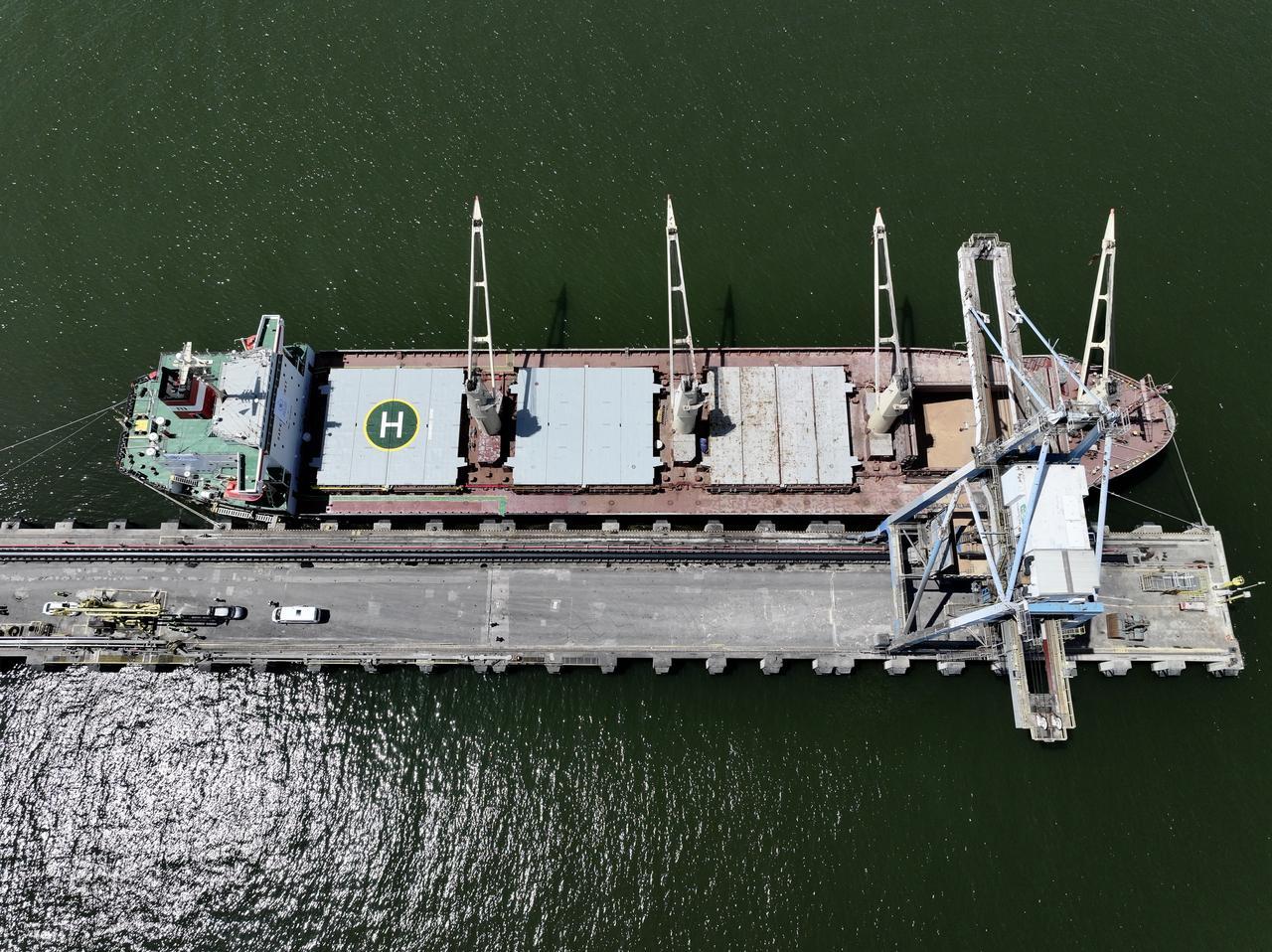
Asked whether the previously agreed grain corridor could resume at a time when many civilian vessels are being targeted, the ambassador argued for a wider framework.
"The very fact that the risks to civilian shipping are increasing makes the need for a reliable security mechanism even more pressing. But I would not limit the discussion to simply restoring the previous grain corridor. The situation has changed," he said.
"We need a mechanism that ensures the freedom and safety of civilian shipping in the Black Sea as a whole, rather than focusing only on the transportation of one type of cargo. The experience of the grain Initiative could serve as a useful model," Dzhelyalov noted, adding, "Türkiye has the necessary trust, geographic advantages, naval capabilities and experience in operating such a coordination mechanism. Therefore, today we should be talking less about returning to the 2022 model and more about creating a more sustainable maritime security system."

Asked whether Kyiv seeks restoration of the 2022–2023 Black Sea Grain Initiative or a broader, Türkiye-mediated non-aggression arrangement covering all commercial navigation, and whether a new process could be launched under the name of a "Grain Ceasefire," the ambassador said the label is secondary.
The Black Sea Grain Initiative was a 2022 agreement brokered by the United Nations and Türkiye to resume vital food and fertilizer exports from blockaded Ukrainian ports. The Initiative was terminated on July 17, 2023.
"For Ukraine, what matters most is not the name of the mechanism, but the result: safe and free commercial navigation in the Black Sea," he said.
"The Black Sea Grain Initiative demonstrated that Ukraine, Türkiye and the United Nations are capable of establishing practical mechanisms that contribute to global food security," he said, adding, "After Russia withdrew from the agreement, Ukraine established an alternative maritime corridor on its own and demonstrated that the Russian blockade was not insurmountable."
"If it is possible today to establish a broader and more reliable mechanism that would protect not only grain-carrying vessels but all legitimate civilian shipping, we would be ready to discuss it," the ambassador noted.
"However, the experience of 2022–2023 also showed that any future mechanism must be designed in a way that prevents Russia from once again turning global food security into an instrument of political blackmail," Dzhelyalov concluded.


 Set as preferred source
 Set as preferred source


 2 min read
 1 min read