Newsletters


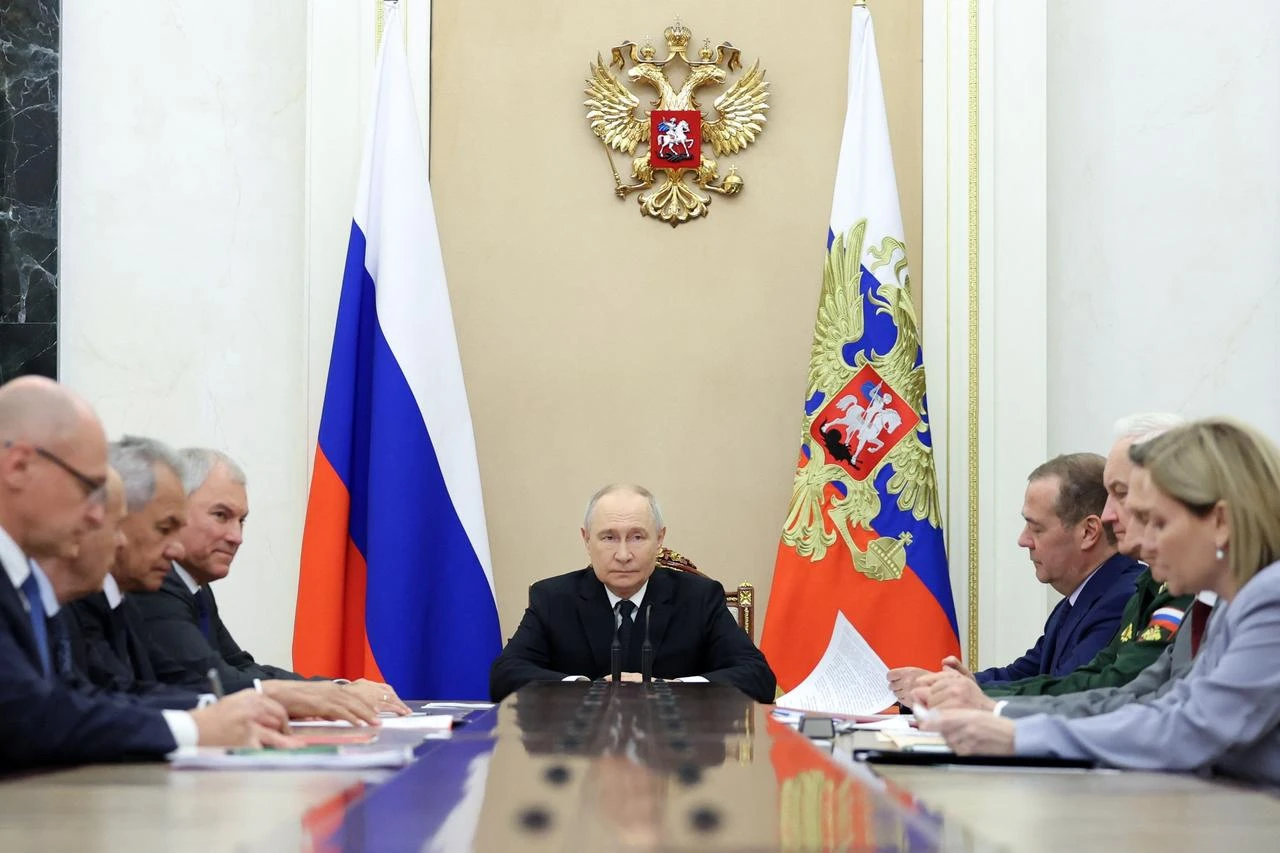


Russia’s economy has continued to grow despite more than four years of full-scale war in Ukraine, but mounting fiscal pressure, inflation risks and weakness outside the defense sector are becoming harder to hide, CNBC reported.
Analysts told CNBC that Russia has effectively developed a two-tier wartime economy, with military-related industries benefiting from government spending while much of the civilian economy faces growing pressure.
“If you are lucky and you’re employed by a tank production company, then everything’s good. Otherwise, you are probably facing problems,” Alex Kolyandr, director for Europe at Eurasia Group, told CNBC.
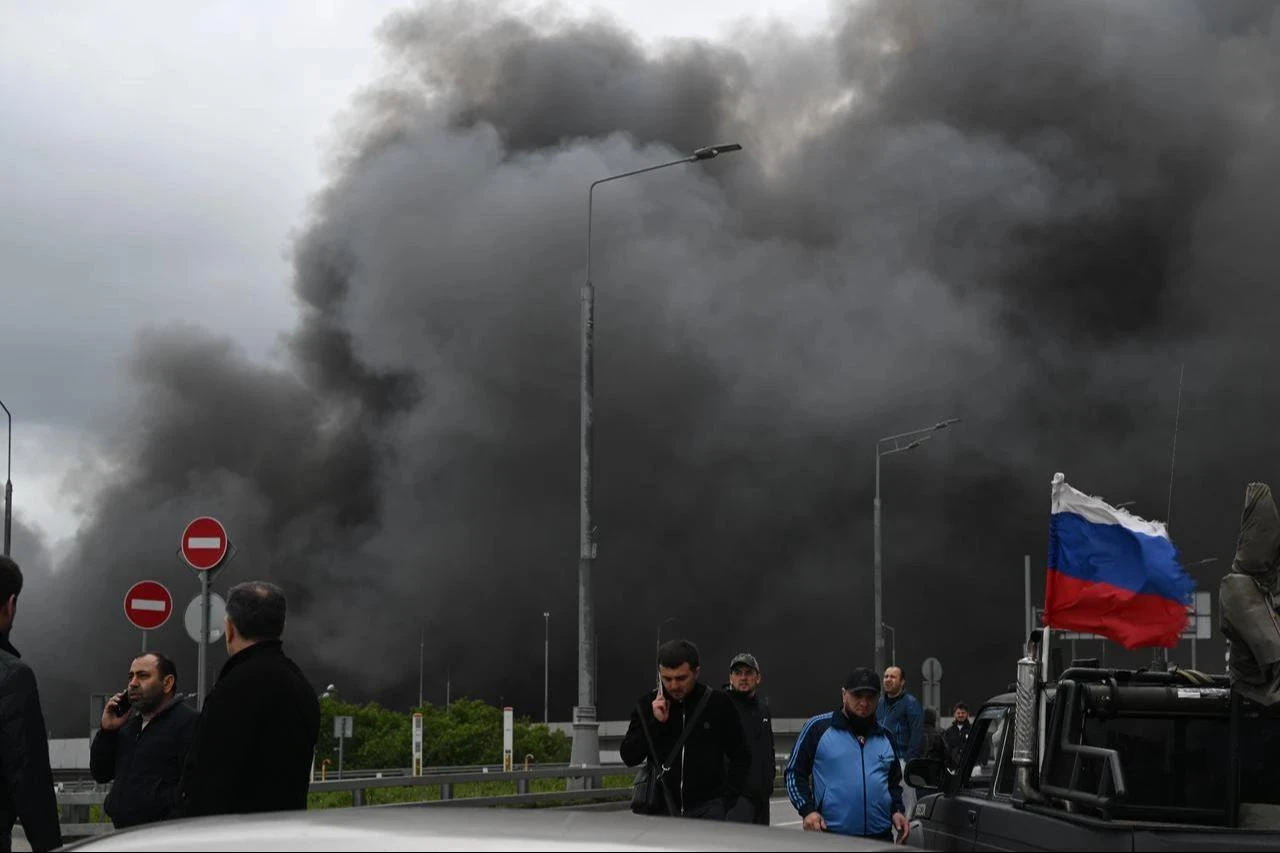
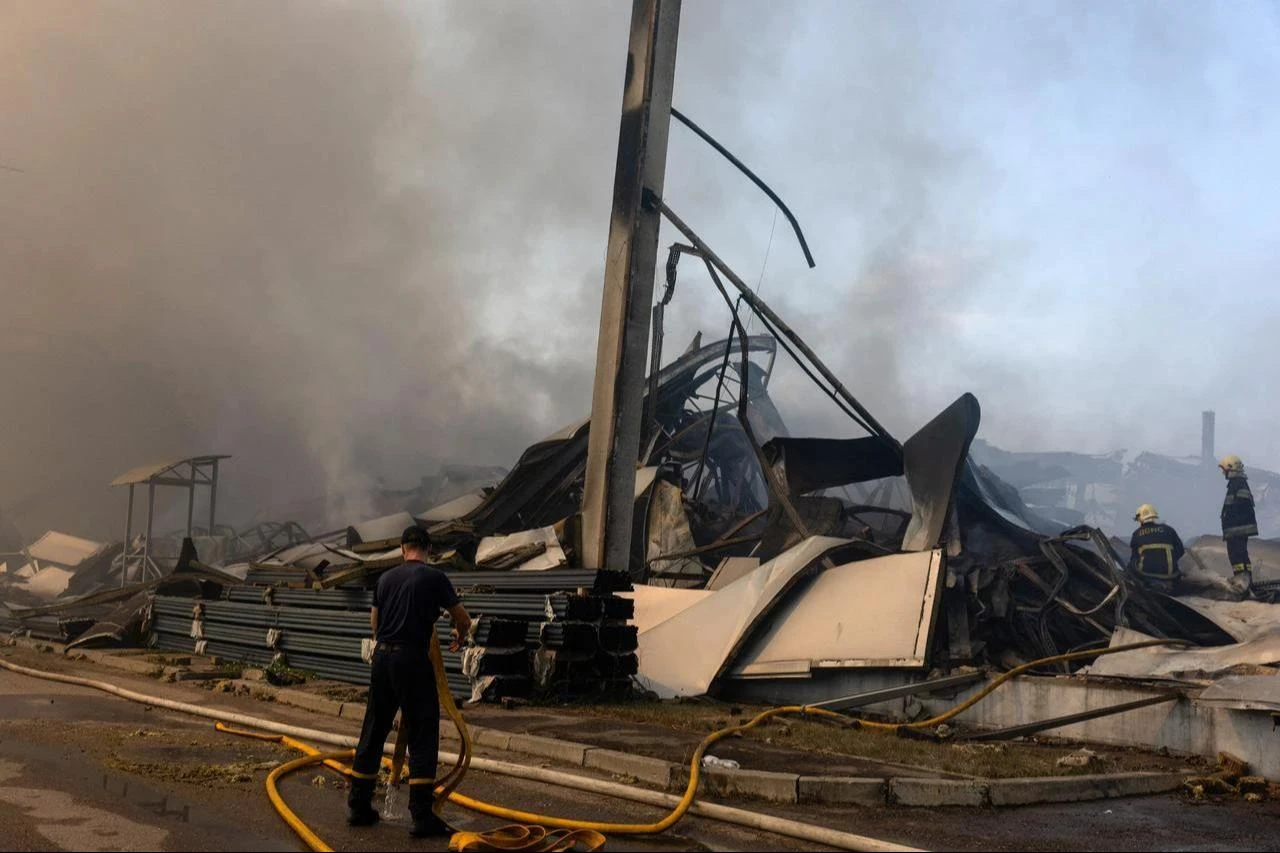
Ukraine’s long-range drone attacks on Russian oil refineries and delivery warehouses have recently brought some of those vulnerabilities into sharper focus.
Although recent official data show the economy expanding slowly, analysts said that growth masks dependence on military spending, higher taxes and subsidized bank lending.
Kolyandr said the Kremlin could use what he called “bookkeeping acrobatics” to balance its finances, but warned that economic pressures were already appearing through inflation, higher interest rates and a slowdown in the non-military economy.
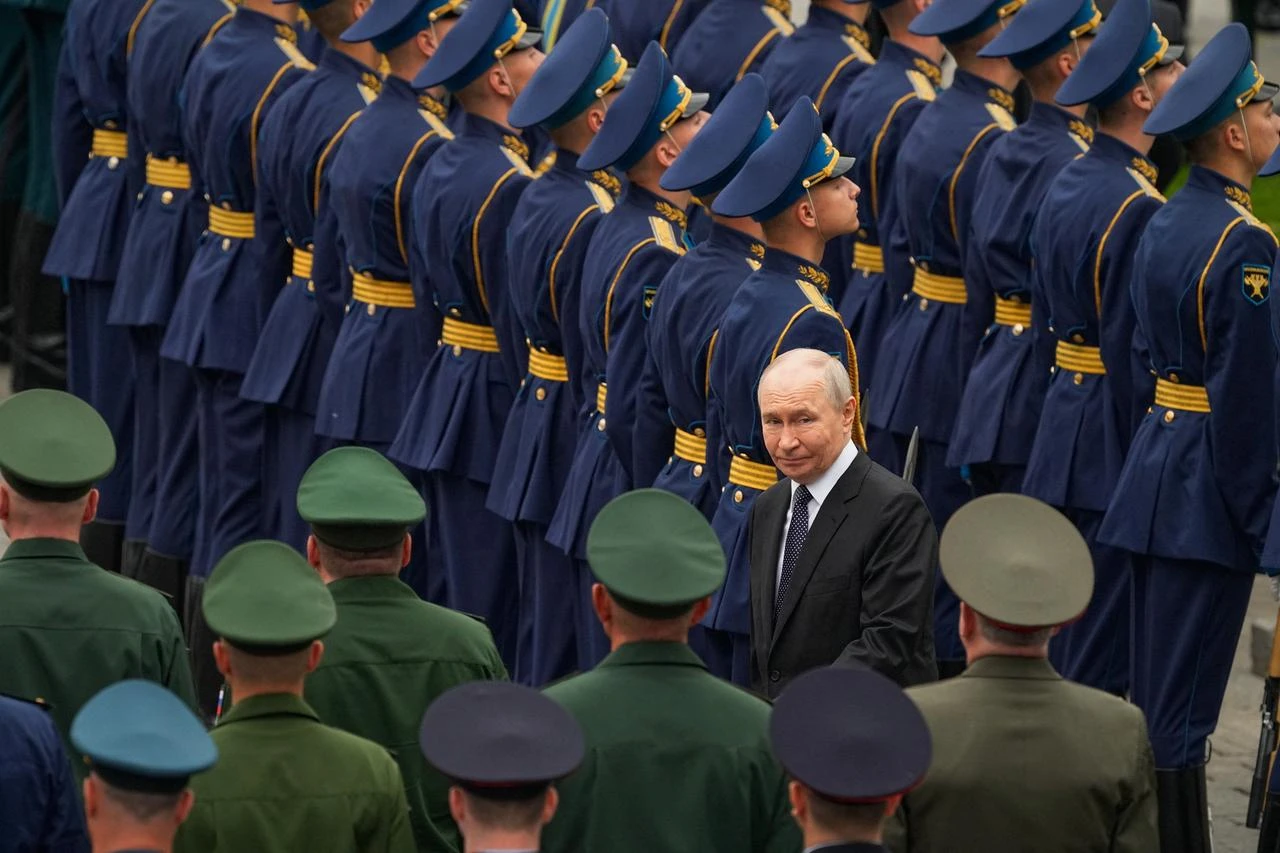
He also said a deteriorating economy would not necessarily push President Vladimir Putin to end the war and could instead encourage escalation.
“If I were Putin, God forbid, I would probably decide that it is in my interest to escalate now and try to finish the war on my terms, than wait until the money ends sometime in the future,” Kolyandr said.

Russia’s gross domestic product grew 1.3% year-on-year in the second quarter, marking its first return to growth since 2023, according to official data published this week.
GDP expanded 0.6% during the first half of 2026, while second-quarter growth exceeded government and central bank forecasts.
Government spending on the military-industrial sector and a recent rise in oil and gas prices have helped support the economy.
Charles Lichfield, director of economic foresight and analysis at the Atlantic Council’s GeoEconomics Center, told CNBC that the budget deficit and inflation were more important measures of Russia’s economic condition.
“They are on course to double the deficit they had in 2025, and that was already double what they had in 2024,” Lichfield said.
He pointed to weaker energy revenues despite higher fossil fuel prices in recent months.
Russia’s oil and gas revenues in the first half of 2026 were only 64% of their level during the same period two years earlier.
Ukrainian drone strikes have repeatedly targeted Russian refineries, while tougher Western sanctions have included a lower EU oil price cap and measures against companies and networks supporting Russia’s shadow fleet.
Lichfield said Russia had managed to bring inflation close to its 4% target late last year but warned that achievement was unlikely to last.
Signs of pressure have also appeared in consumer spending.
Russia’s largest retailer earlier this year reported that shoppers were increasingly switching to lower-priced and store-brand food.
X5 Group President Yekaterina Lobacheva said cookie consumption had risen nearly two and a half times.
“It’s something sweet, a small indulgence, but cheaper than chocolate and other confectionery,” she told RBC News in April, according to a translation cited by CNBC.
Lichfield said the Kremlin still had several options to ease fiscal pressure.
The government could increase taxes on oil and gas companies beyond current tax-code levels, seek international borrowing or potentially use part of the central bank reserves that remain outside Western sanctions.
Around $300 billion in Russian central bank assets were frozen after the war began, while the bank is estimated to retain another roughly $300 billion in reserves either inside Russia or in jurisdictions not covered by sanctions.
Those funds could be used to fill some budget gaps, Lichfield said, although doing so could weaken confidence in the central bank’s commitment to controlling inflation.
Lichfield said he did not expect economic pressure by itself to force Russia to end the war.
Elina Ribakova, senior fellow at the Peterson Institute for International Economics, also told CNBC that Russia’s economy was unlikely to determine the outcome while higher oil prices were giving Moscow additional support.
“It has to get much more dire,” Ribakova said.
“If you tell me that we will have oil prices at $35 or $40 for the next year, then it might decide. But at the moment, especially given the war between Israel, the U.S. and Iran, it is unlikely.”
Ribakova said the situation looked more serious in January and February, when oil prices were much lower, and the Russian government was already discussing revisions to its 2026 budget despite the year having only just begun.
She said Putin had “staked so much” on the war that he appeared to feel he had to continue.
Analysts therefore said Russia’s economy is under mounting strain, but not yet at a point where economic pressure alone is likely to force a change in the Kremlin’s war strategy.


 Set as preferred source
 Set as preferred source


 2 min read
 1 min read