Newsletters




Detroit was the birthplace of the midcentury American dream, a sprawling monument to industrial firepower. When its automotive assembly lines sputtered, rust set in, and factory gates were chained shut, the whole nation watched the fall. Books were written, documentaries were filmed, and political careers were built analyzing how an industrial engine got abandoned.
A similar industrial collapse happened at the very same time, but the media have barely noticed it.
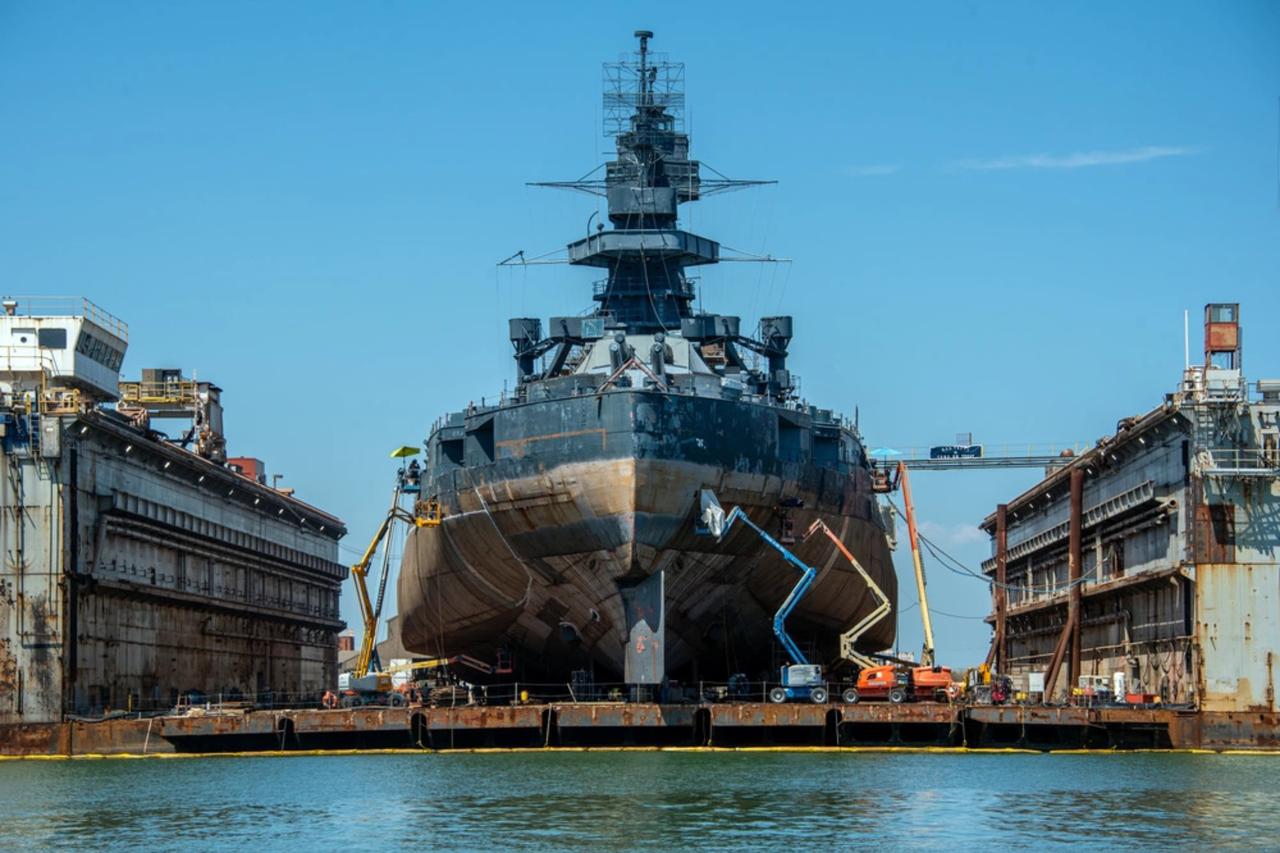
While Americans argued over union contracts in Michigan, the country’s maritime backbone quietly dissolved. Slipways along the Atlantic, Pacific, and Gulf coasts went silent, turned into high-end waterfront condos, or rusted into salt-encrusted memories. What was once the manufacturing twin to Motor City became a ghost town on the water.
Now, a sobering imbalance of roughly 50 to 1 with Beijing is forcing defense planners to face the cost of that silent decay. According to Rebeccah Heinrichs, director of the Keystone Defense Initiative at the Hudson Institute, China builds roughly 50% of the world’s commercial ships by volume, while the United States builds under 1%.
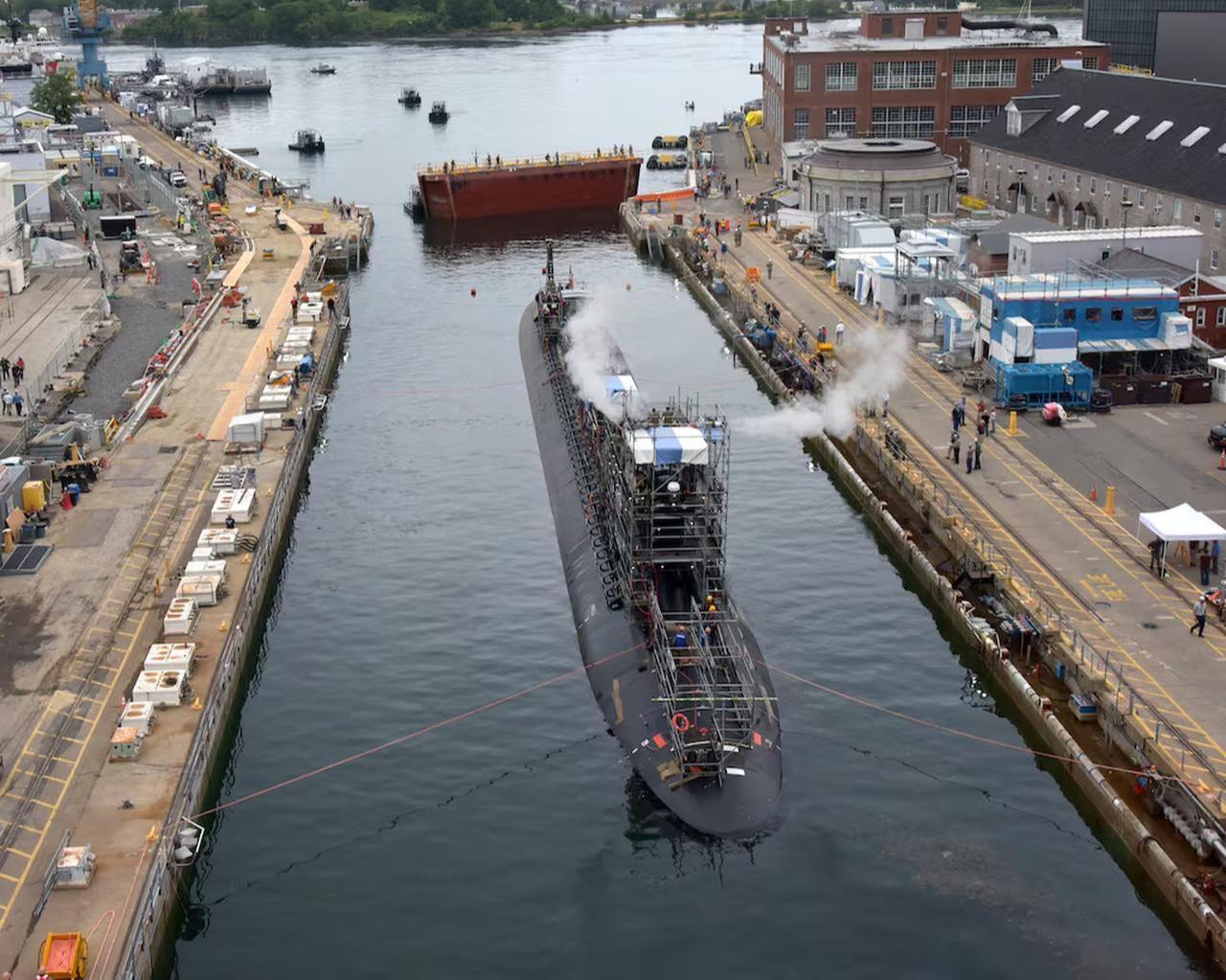
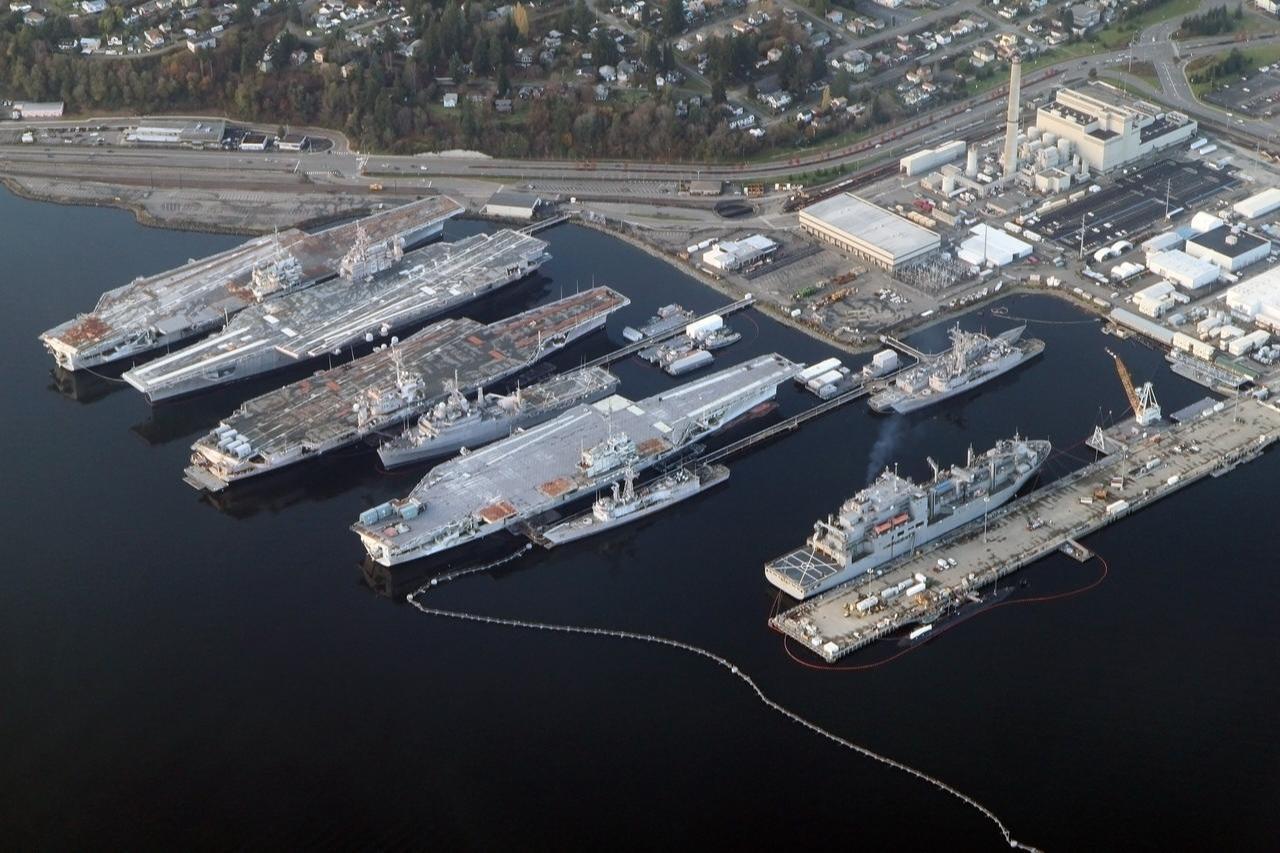
While Chinese shipyards operate around the clock, American naval maintenance yards face backlogs that leave nuclear attack submarines, destroyers, and aircraft carriers idling in dry dock for months past their repair windows.
To reverse four decades of industrial decline, federal officials are turning to a paradoxical workaround: buying Finnish-designed icebreakers, leaning on allied engineering, and using European designs to spark an industrial renaissance in American yards.

In the coastal waters off Galveston, Texas, a single heavy polar icebreaker design is doing something no Pentagon budget request has managed in 40 years. It is forcing Washington to admit an uncomfortable truth: the world’s lone superpower can no longer build its own heavy icebreakers without foreign help.
To get steel in the water before polar sea lanes freeze over, federal policy architects are letting allies to do the production, swallowing their pride, and using the investment as an engine to jumpstart sleeping American shipyards.
During World War II, 49 domestic shipyards on American coasts built vessels 300 feet or larger. Today, that footprint has shrunk to 12. Public naval shipyards have dwindled from 11 active yards down to four.
For decades, Washington assumed that steady military budgets would automatically preserve domestic shipbuilders. According to Russell Vought, director of the U.S. Office of Management and Budget, policymakers now acknowledge that market forces alone cannot revive an industry competing against state-subsidized shipyards in China, South Korea, and Japan.
Rather than leaving naval readiness solely to traditional defense procurement, executive orders from the White House have placed budget officials and the State Department at the center of an all-of-government drive.
The current policy treats commercial ship manufacturing not as a separate private industry but as the foundation required to keep naval repair yards operational during peacetime.
The most radical component of this strategy rests on a policy known as the Finland Model. Under an August 2026 executive memo, allied foreign shipbuilders can compete to construct the first two ships in an 11-vessel icebreaker program overseas. In return, those foreign firms must make heavy, permanent capital investments in American shipyards for all remaining builds.
Buying foreign hulls initially raised eyebrows among lawmakers accustomed to standard domestic purchasing mandates. Defense planners counter that speed is the governing constraint. Heavy icebreakers require specialized steelwork and complex hull geometry that domestic yards have not built at scale in decades. Designing and building an icebreaker from scratch in the United States would add years to program timelines.
The pragmatic calculation is already reshaping the Gulf Coast. Transatlantic shipbuilder Davie plans to invest $1 billion in an underutilized brownfield shipyard in Galveston, Texas, converting a silent industrial site into a hub where future icebreakers will be built by American crews. Similar agreements direct icebreaker manufacturing to yards in Tampa, Florida, while South Korean industrial giant Hanwha has infused fresh capital into the historic Philly Shipyard in Pennsylvania. The initial foreign hulls act as a wedge, importing shipbuilding techniques and advanced machinery directly onto American docks.
Restructuring the fleet requires solving two immediate bottlenecks: dirt and labor. In Brownsville, Texas, project managers recently broke ground on the nation’s first greenfield shipyard in a generation. Free from the cramped layouts of 19th-century navy yards, the Brownsville facility uses automated welding and modern modular assembly from day one.
Finding the hands to work those machines remains the harder battle. Shipyards face an acute deficit of certified pipefitters, welders, and marine electricians. Federal officials are pairing union apprenticeship initiatives with interagency trade programs to recruit young workers into maritime trades.
Paying for this industrial expansion requires bypassing traditional congressional logjams. To give the industry permanent financial footing, proposed federal maritime legislation would establish a Maritime Trust Fund financed directly by international tariff receipts.
Legislative proposals also aim to create Maritime Prosperity Zones, offering targeted tax incentives to drag ship manufacturing out of its traditional Gulf Coast concentration and into dormant industrial centers across the Great Lakes and the North.
Detroit is still taking its time to rebuild its identity, but cars can be imported on commercial freighters during a crisis. Ships cannot.
National security rests on whether a country retains the physical infrastructure, drydocks, and skilled trades to build and repair vessels when time runs out.
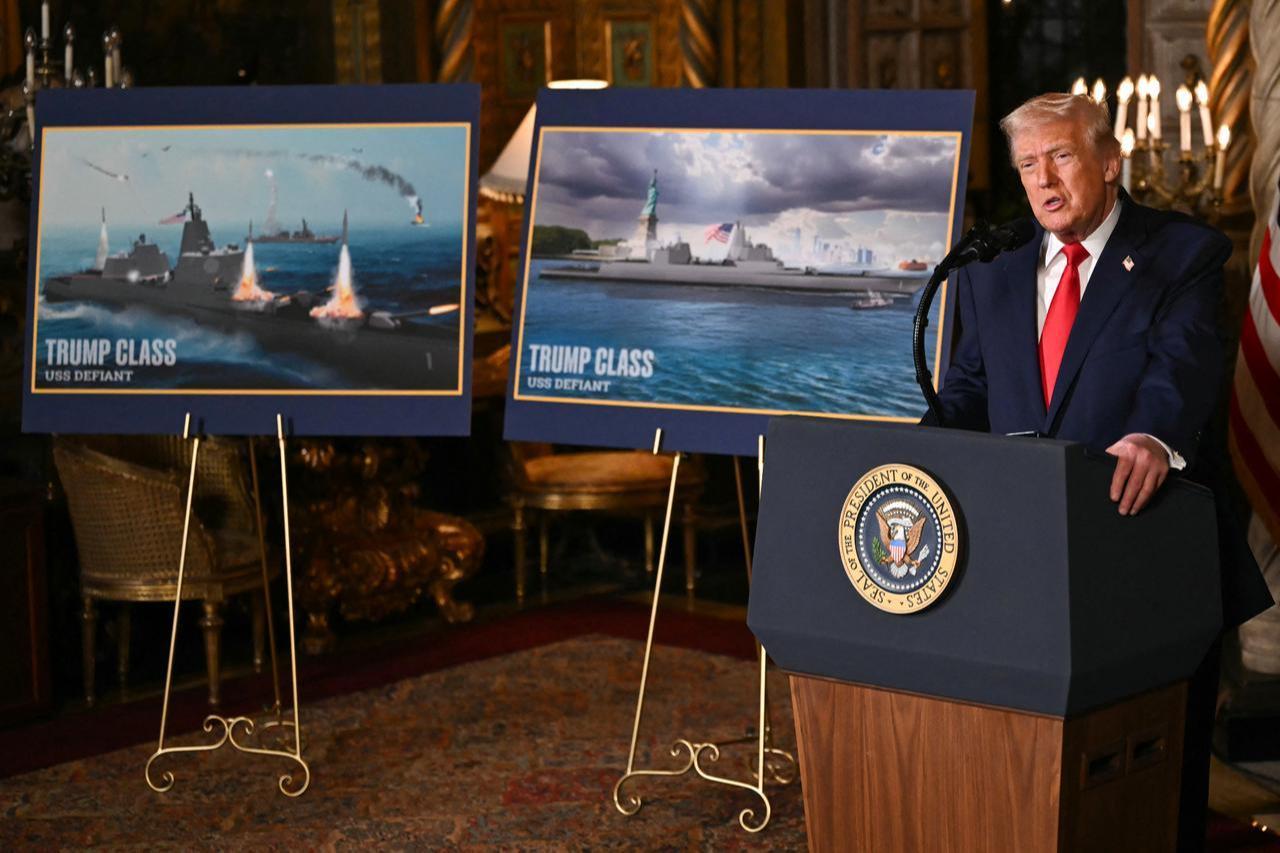
By pairing Finnish icebreaker designs with capital investment along the Texas coast, the Trump administration is choosing industrial capacity over old policy habits. Bringing foreign hulls into American waters is an unusual path to domestic manufacturing, but after forty years of silent decay, the rust is finally being scraped off the slipways.


 Set as preferred source
 Set as preferred source



 3 min read