Newsletters


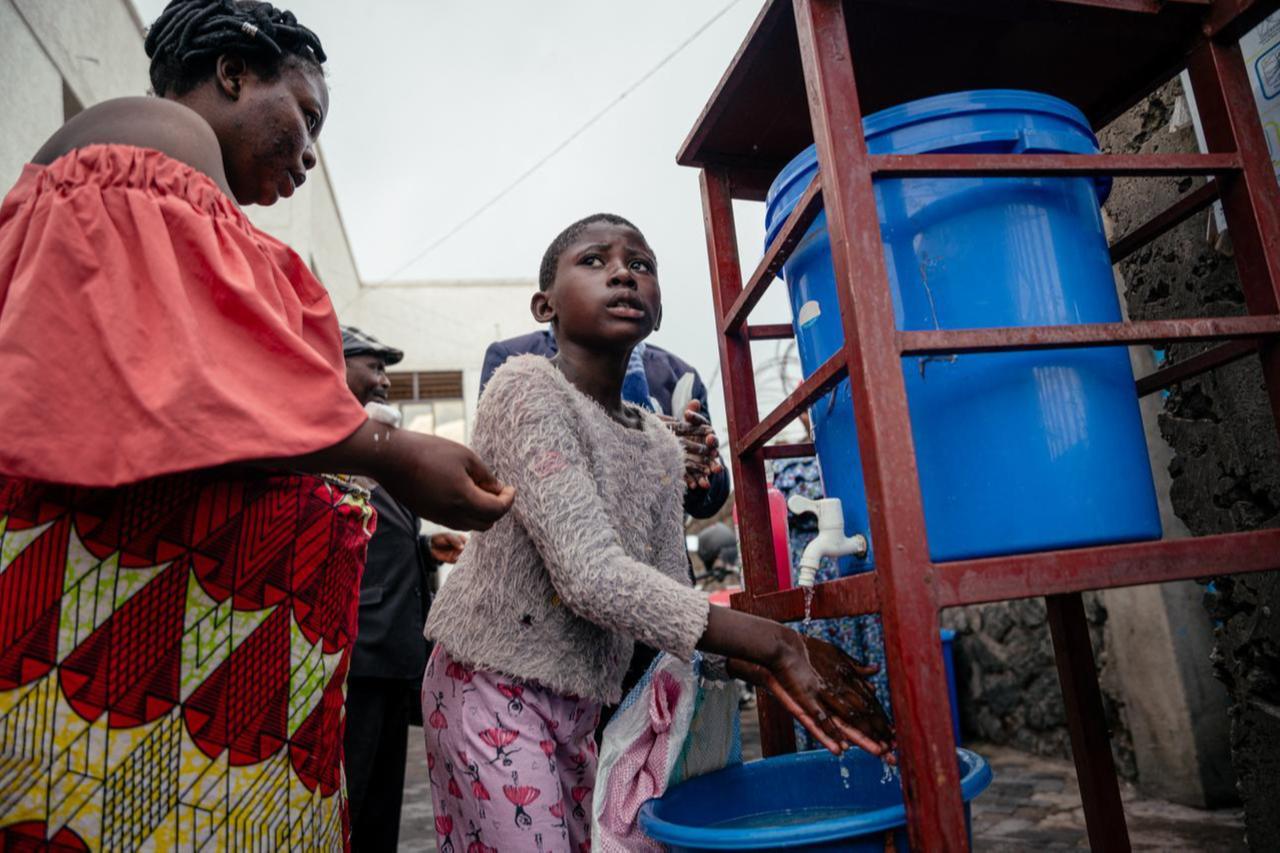


Schools across the Democratic Republic of Congo reopened Tuesday for a new academic year, including in regions affected by an ongoing Ebola outbreak, Education Minister Raissa Malu said.
The academic year began nationwide, Malu told reporters in Kinshasa, the capital.
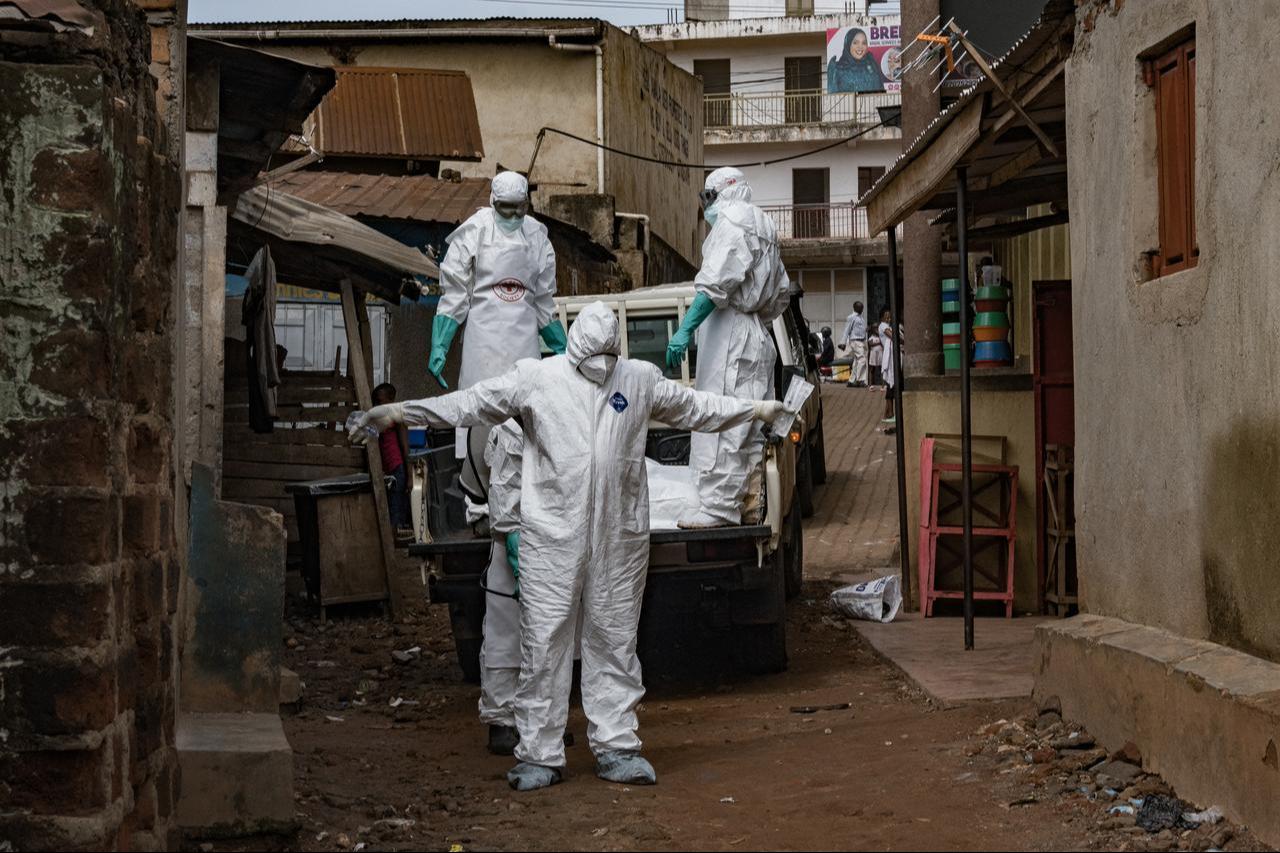
"Some parts of our country continue to face insecurity and conflict, while others face the health risk linked to the Ebola virus disease," she said.
"But our duty remains the same—to make schools work wherever possible and to preserve the right to education wherever circumstances make the situation more difficult," she added.

Malu said face-to-face teaching would continue in areas where health conditions permit.
"Where health conditions allow, teaching will continue face-to-face, in compliance with the recommended preventive measures," she said.
"But depending on the level of risk, a lighter distance learning system could be introduced in other areas to ensure the continuity of learning," she added.
About 31 million students are expected to attend school across the country this academic year, the ministry said.
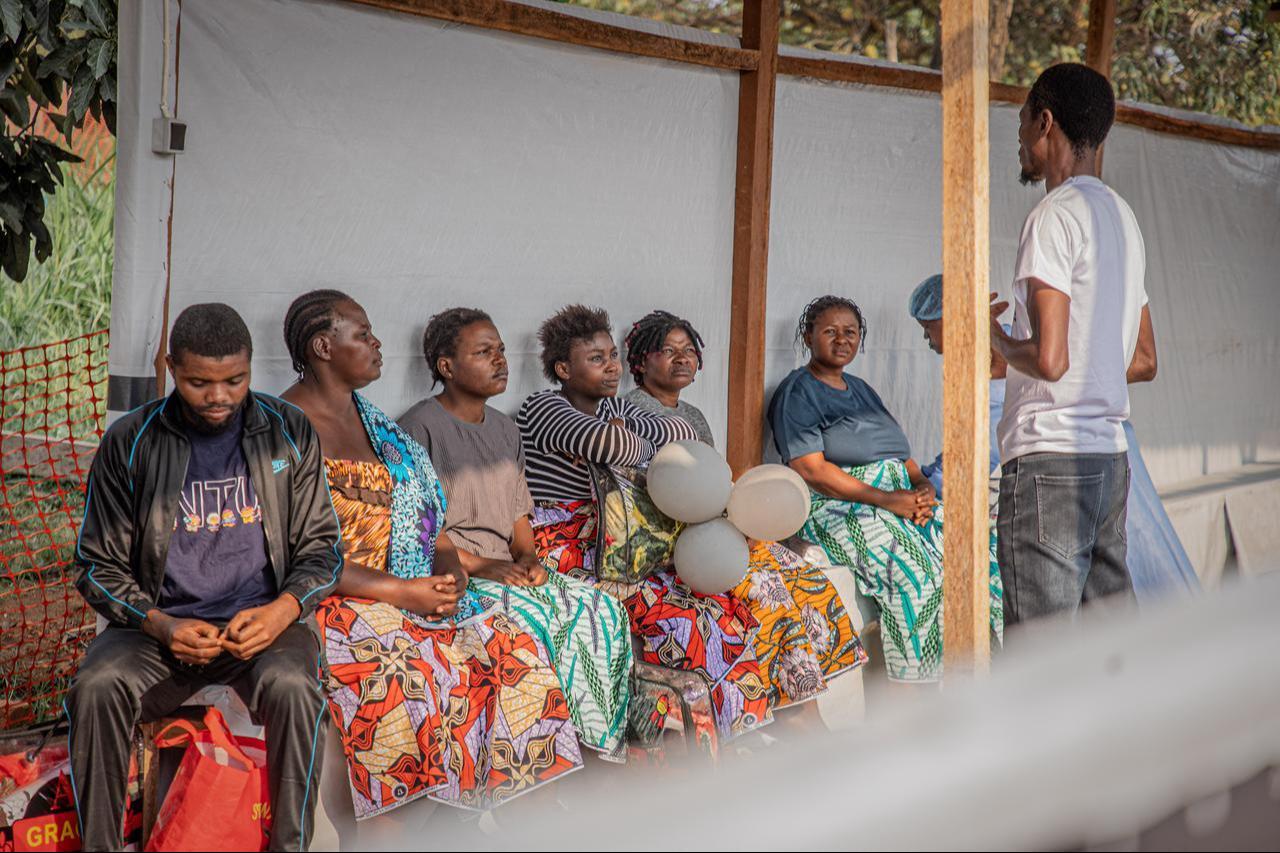
The outbreak, caused by the Bundibugyo virus, was first identified in May in the Mongbwalu health zone of Ituri province in the country's northeast, and the World Health Organization declared it a public health emergency of international concern on May 17.
Confirmed cases in the outbreak have reached 6,100, including 2,950 deaths, according to a Health Ministry update Tuesday, corresponding to a case fatality ratio of roughly 48%.
It is the 17th Ebola outbreak recorded in the country and the largest Bundibugyo virus disease outbreak documented to date, surpassing the previous outbreak of the same strain in 2012, according to World Health Organization data.
The outbreak has spread across 60 health zones in six provinces—Haut-Uele, Ituri, North Kivu, South Kivu, Bas-Uele and Tshopo—with Ituri, home to the provincial capital Bunia, remaining the epicenter and accounting for most confirmed cases and deaths.
North Kivu, the second most-affected province, has recorded several hundred cases across multiple health zones, according to the same data.
Response efforts in Ituri have been complicated by population displacement, mining-related movement and frequent cross-border travel, factors that health officials say raise the risk of further transmission.
Unlike Ebola virus disease caused by the more common Zaire strain, there is no licensed vaccine or specific treatment for Bundibugyo virus, though early supportive care improves patients' chances of survival, according to global health officials.


 Set as preferred source
 Set as preferred source



 4 min read