Newsletters


The United States remains "actively engaged" with Egypt, Saudi Arabia, and the United Arab Emirates to help end the conflict in Sudan, the White House said Tuesday, even as Sudan’s military vows to keep fighting the Rapid Support Forces (RSF) paramilitary.
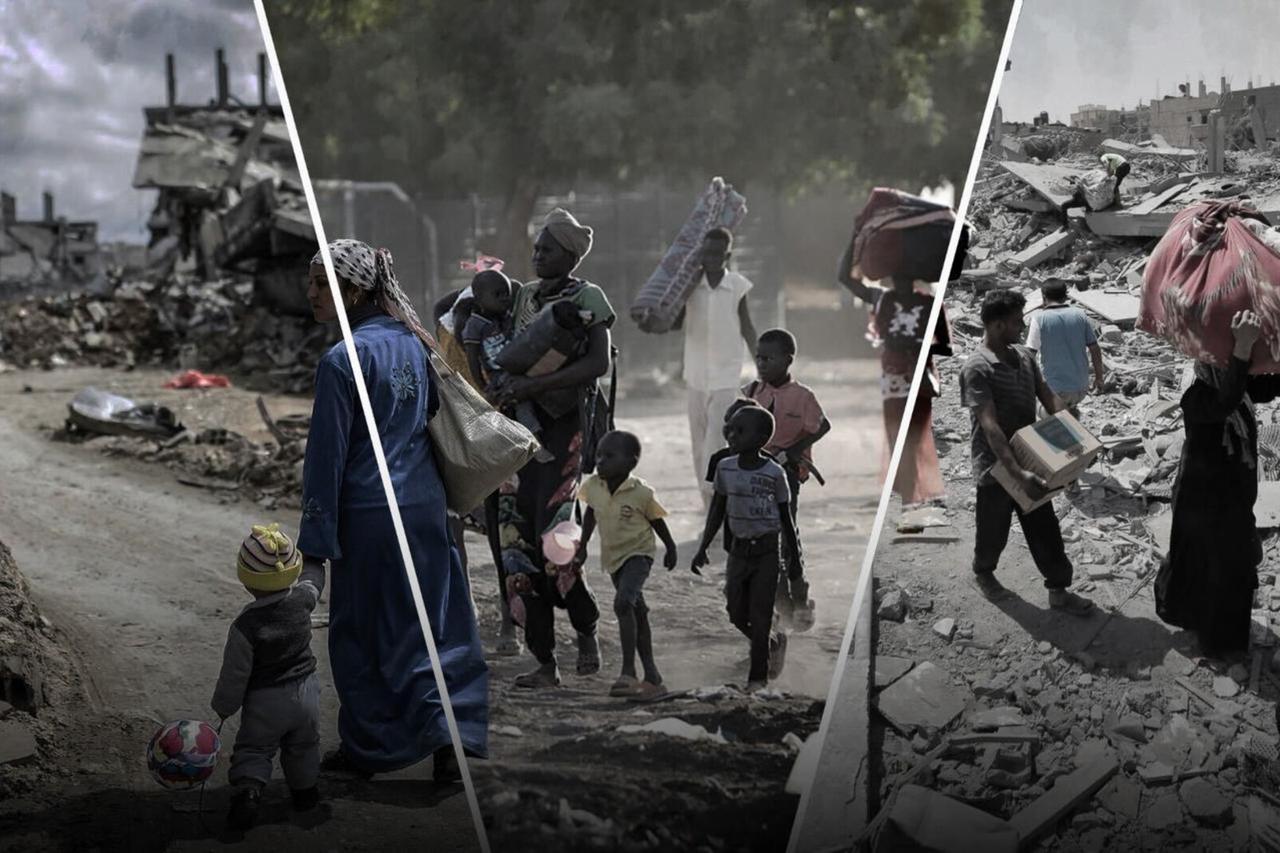
The conflict, which erupted in April 2023 between the army of Gen. Abdel Fattah al-Burhan and Dagalo’s RSF, stems from a power struggle between the former allies who jointly staged a coup in 2021. What began as a contest for control in Khartoum quickly escalated into a nationwide war that has left tens of thousands dead and millions displaced.
White House spokesperson Karoline Leavitt said Washington is working through the International Quad framework — alongside Egypt, Saudi Arabia, and the United Arab Emirates — to secure a ceasefire and pave the way for a political process to ease Sudan’s deepening humanitarian crisis.
"We’re in frequent contact with our Arab partners and want to see this conflict come to a peaceful end," she said, while acknowledging that the situation on the ground remains "very complicated."
Sudan’s Security and Defense Council met in Khartoum on Tuesday to review the latest U.S. peace proposal. Following the meeting, Defense Minister Hassan Kabroun said the army would continue its campaign against the RSF, describing the mobilization as "a legitimate national right" in response to what he called "grave violations" against civilians in Darfur.
While expressing appreciation for Washington’s efforts, Kabroun said military preparations for "the people’s battle" would proceed to defend Sudan’s unity and sovereignty. The council also pledged support for the families of those killed, captured, or missing in action.
Earlier Tuesday, U.S. envoy for Arab and African affairs Massad Boulos said both the Sudanese army and the RSF had agreed in principle to a humanitarian truce, though talks on its implementation are still underway. "We have not recorded any initial objection from either side," he noted, adding that discussions now focus on securing a lasting ceasefire and a transition to civilian rule.
Under the Quad’s September plan, the warring sides would observe a three-month humanitarian truce to enable nationwide aid delivery, followed by a nine-month transition toward a civilian-led interim government — a proposal Sudanese authorities previously rejected, arguing that excluding both the army and the RSF from the process would undermine the country’s political stability and sovereignty.
The paramilitary Rapid Support Forces (RSF), led by Gen. Mohamed Hamdan Dagalo, have consolidated control over all five states of Darfur after capturing El-Fasher — the Sudanese army’s last major stronghold in the region — on October 26. Witnesses fleeing the city described widespread looting and intimidation, while aid agencies warned that the advance could pave the way for Sudan’s de facto partition along east–west lines.
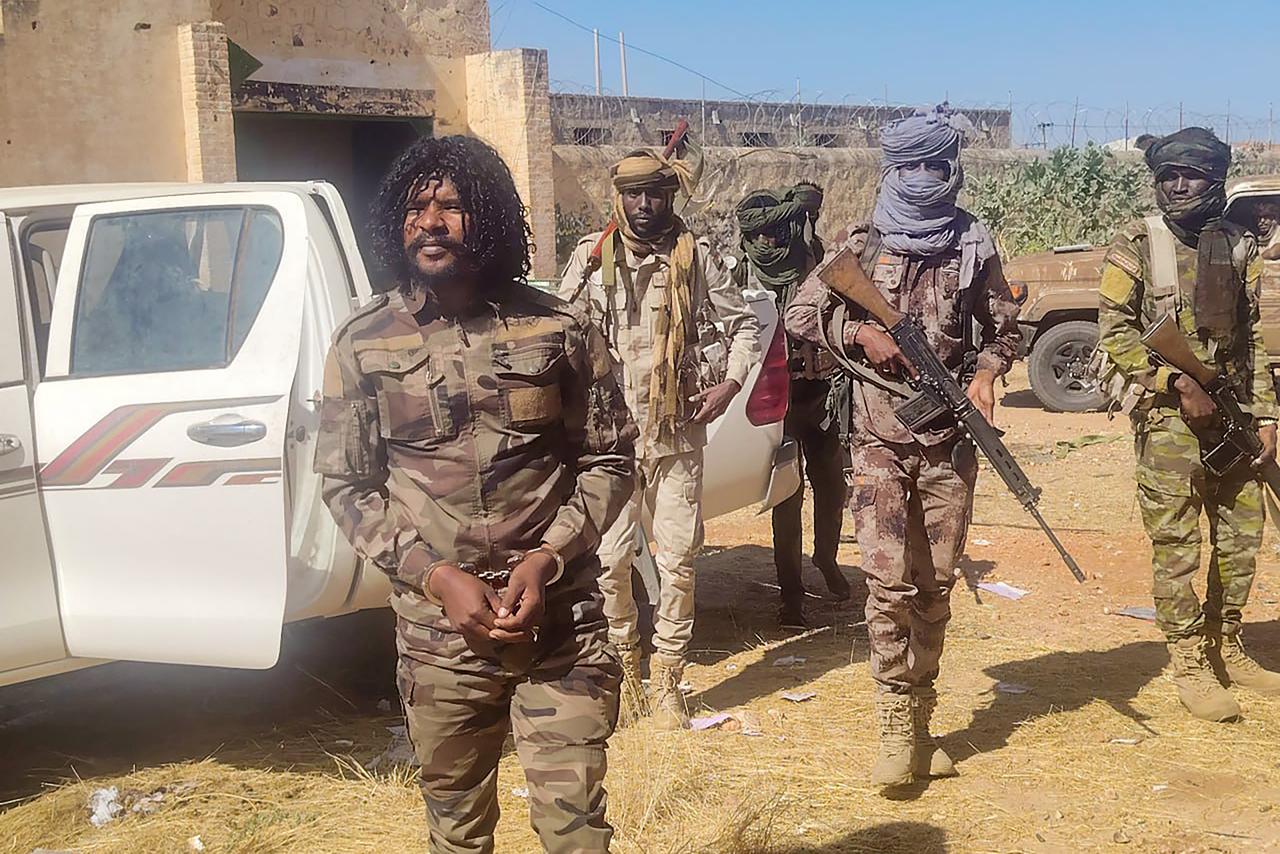

The RSF now holds much of Darfur and parts of the south, while the army remains entrenched in the north, east, and central regions along the Nile and Red Sea — deepening fears of lasting territorial division.
The International Criminal Court has voiced alarm over reports of killings, sexual violence, and attacks on aid workers in Darfur, warning that the abuses may amount to war crimes and crimes against humanity.
Amid mounting humanitarian concerns, diplomatic activity has intensified. U.N. Secretary-General Antonio Guterres urged both sides to "come to the negotiating table" to end what he called "a nightmare of violence." In Cairo, Egyptian Foreign Minister Badr Abdelatty and Arab League chief Ahmed Aboul-Gheit met U.S. envoy Massad Boulos to coordinate support for Washington’s latest truce plan.
The war has also drawn in regional actors, with the United Nations accusing the UAE of supplying arms to the RSF — allegations denied by Abu Dhabi — while the Sudanese government has received international support from Egypt, Saudi Arabia, Türkiye, and Iran.


 Set as preferred source
 Set as preferred source


 2 min read
 1 min read