Newsletters




There was a time when diplomacy resembled a kind of ceremonial theater with flags, phrases, and carefully calibrated ambiguity. All performed in rooms where nothing was sold and everything was implied.
That era has not ended so much as been quietly repurposed.
Today, the embassy is less a stage than a showroom, and the diplomat is increasingly a broker of deals.
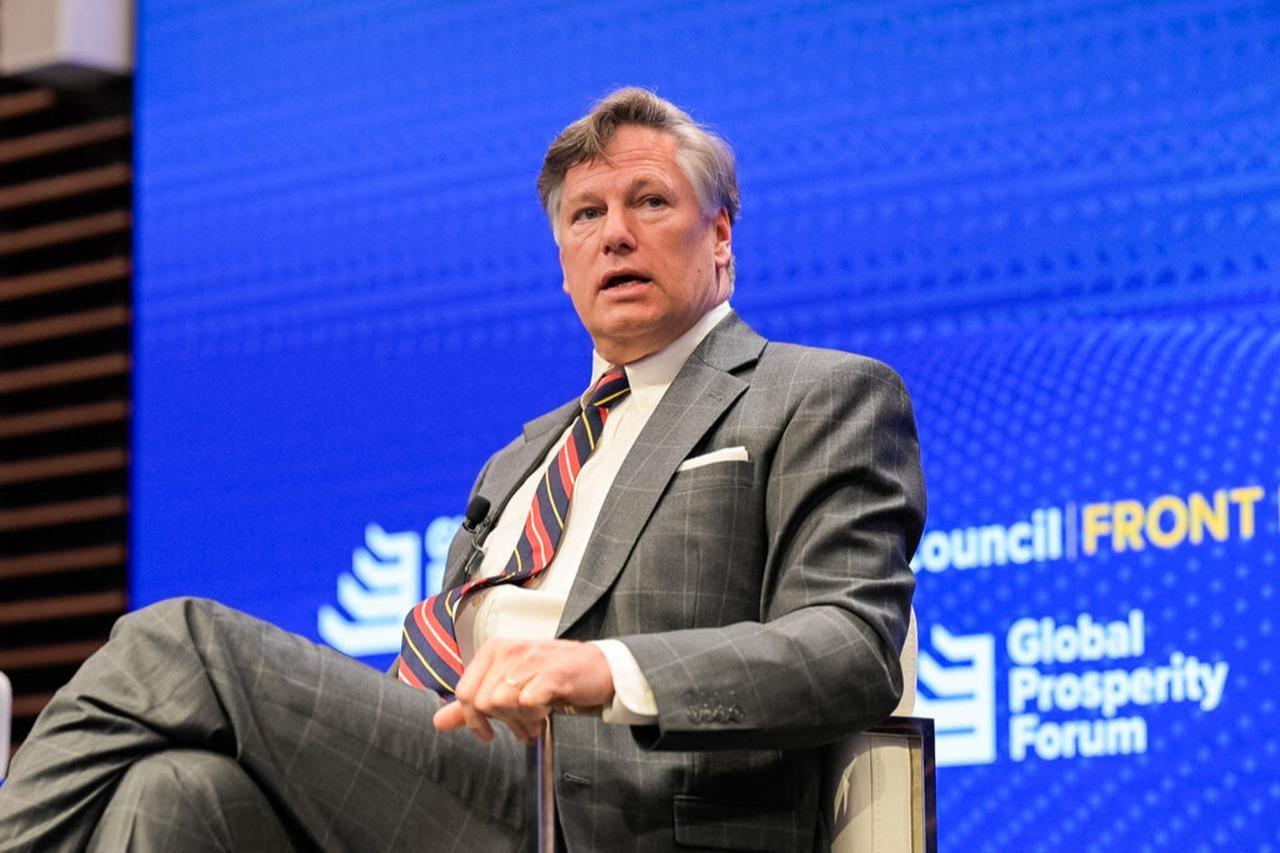
At a recent gathering hosted by the Atlantic Council headquarters, the language of foreign policy sounded less like strategy and more like a balance sheet under pressure.
The premise was disarmingly simple: if the United States wants influence, it must show up commercially, not just rhetorically. And if it fails to do so, others will happily fill the vacuum.
Enter Christopher Landau, a man who speaks about diplomacy with the cadence of someone who has spent as much time in boardrooms as in embassies.
His thesis, though aligned in time, is not ideological, but rather logistical. American foreign policy, he argues, has underleveraged its most potent asset, which is not its military nor its aid budgets, but its private sector.

If there is a recurring anxiety in Landau’s remarks, it is not about adversaries in the abstract but about their punctuality.
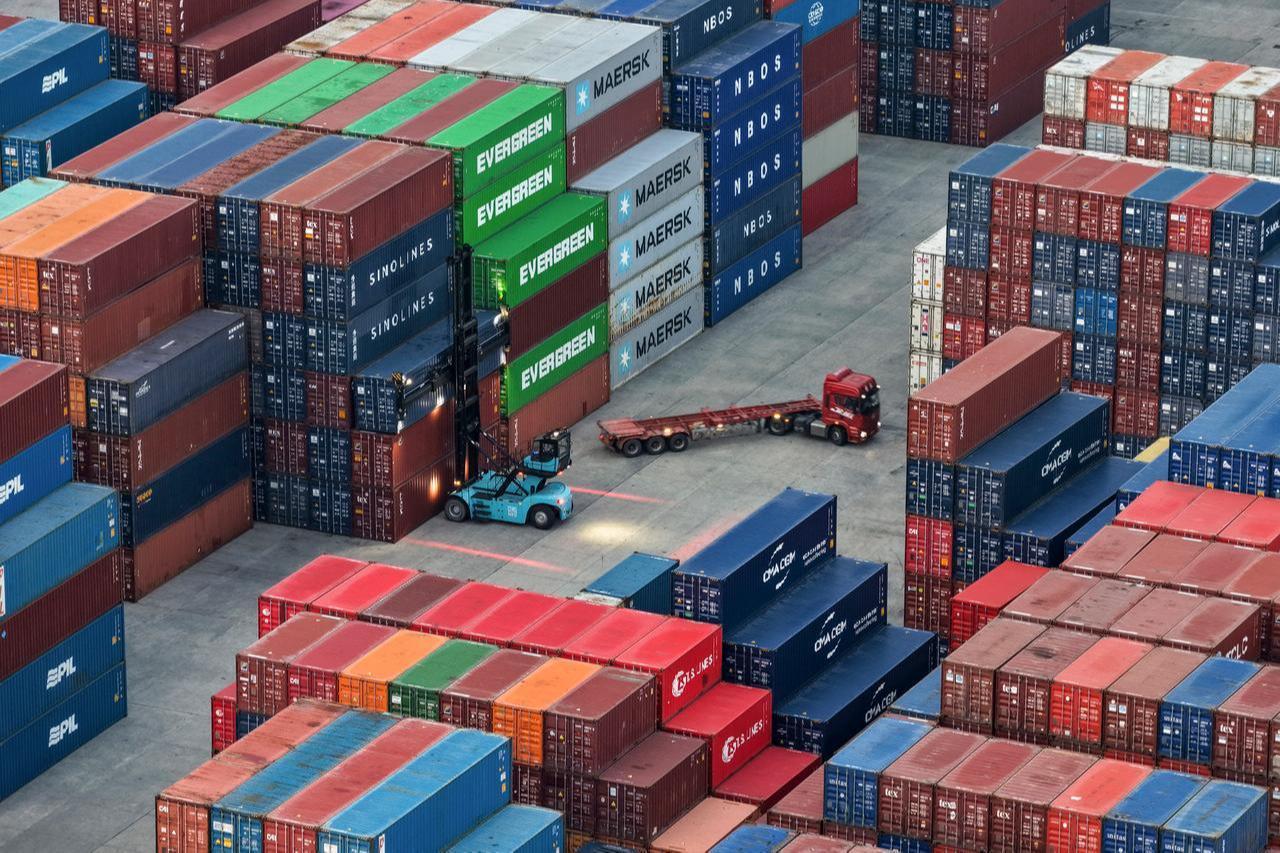
China, he notes, is “all over the place”—bidding, building, financing. Not necessarily beloved, but undeniably present. In contrast, American firms often remain conspicuously absent, even in markets where local governments express a preference for U.S. partnerships.
“You can’t beat something with nothing" is the underlying logic, if not the exact phrasing.
The question that follows is less flattering: why isn’t the American private sector competing more aggressively abroad?
Part of the answer, Landau suggests, lies in risk perception. Not risk itself, but the American tendency to overestimate it.
A cultural shift, away from frontier optimism toward legal caution, has, in his telling, made U.S. firms more hesitant than their global counterparts.
It is a curious inversion for a country mythologized for its risk-taking instincts: the descendants of wagon-crossing pioneers now deterred by regulatory exposure and uncertain jurisdictions.
Meanwhile, a Turkish industrialist had described Chinese teams arriving in countries on tourist visas, moving through organized industrial zones, carrying their own bags, knocking on doors, and offering machinery of every conceivable kind.
No grand strategy presentation, no embassy-backed delegation. Just presence, persistence, and a willingness to show up.
Somewhere along the way, the language of “development” began to feel like a relic—polite, well-intentioned, and increasingly detached from how money and power actually move.
What Landau is proposing is less a reform than a quiet reclassification. Aid, grants, and institutional support—these are no longer the center of gravity.
In many cases, they are no longer even the starting point.
In their place comes something more transactional and more legible to a domestic audience: capital. Investment, not assistance.
Markets, not mandates. The shift is presented as evolutionary rather than ideological, a natural progression rather than a retreat. The moral vocabulary of development is being swapped out for the balance sheet.
Landau describes the new approach as a “three-legged stool,” which, given the usual fate of diplomatic metaphors, sounds at first like something destined to wobble. It doesn’t, at least not immediately.
The first leg is familiar: expand export markets for American goods. The second follows naturally: make it easier for American firms to invest abroad. Both are longstanding ambitions, now repackaged with a sharper sense of urgency.
It is the third leg that changes the posture. Attracting foreign investment into the United States reframes the entire exercise.
This is no longer a one-way projection of capital outward but a two-way flow—less patronage, more reciprocity. Or, less charitably, less altruism and more self-interest with better branding.
Diplomacy, in his telling, is asked to produce something closer to quarterly results.
Not stability in the abstract, but factories that open, jobs that appear, supply chains that shorten. The metrics are domestic, even when the activity is global.
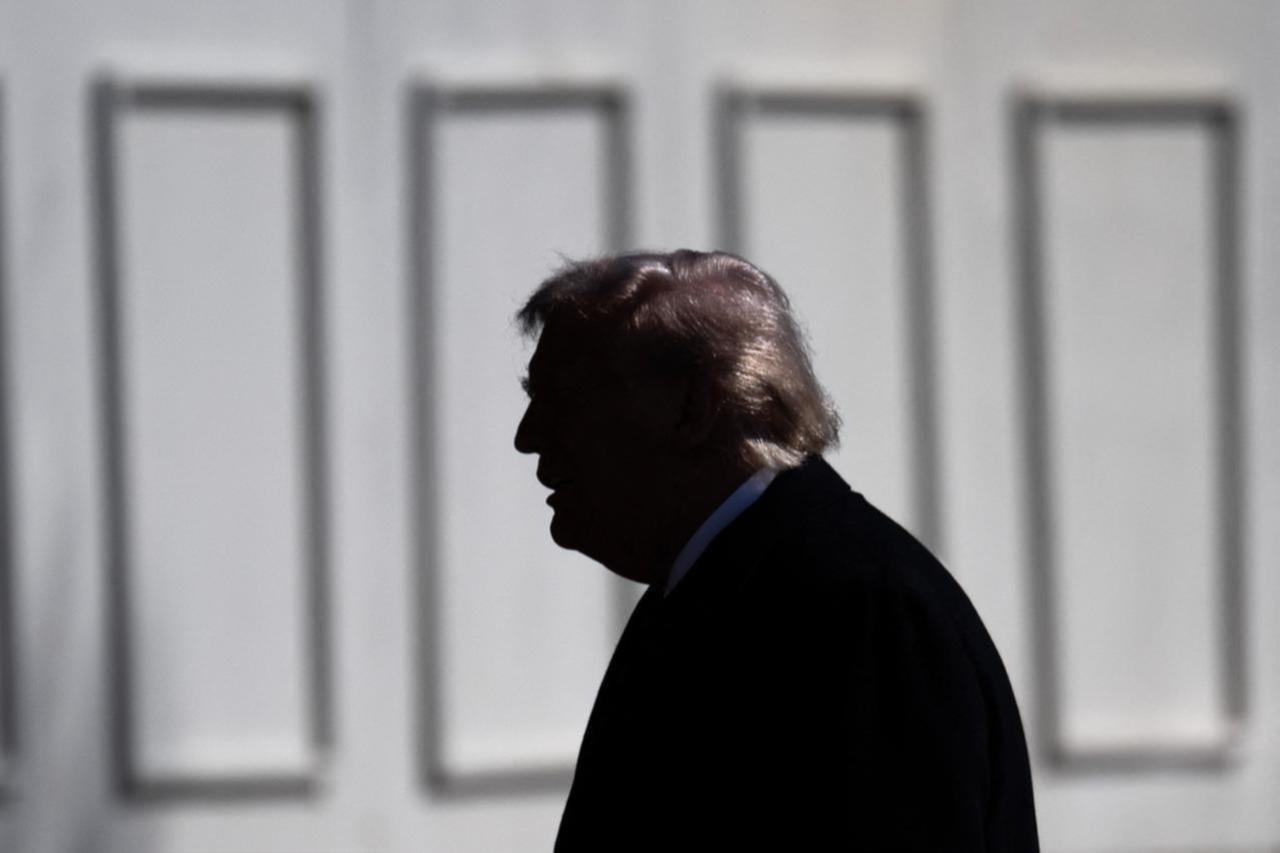
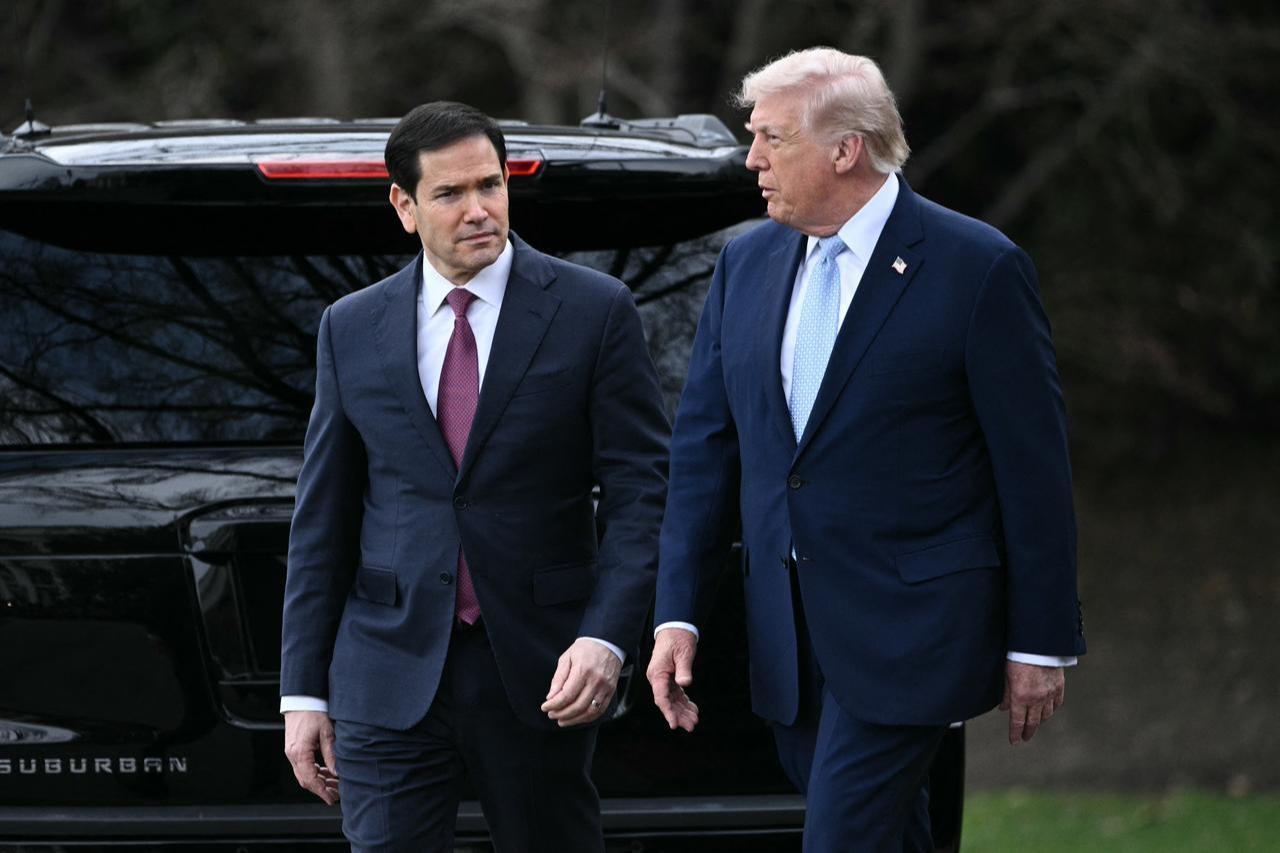
This is also highly what President Trump campaigned for; hence, it’s the State Department applying the Trump doctrine to its own sphere in a sense.
Critics of this shift tend to reach for a familiar concern: that a more transactional foreign policy risks eroding trust, reducing alliances to mere accounting exercises.
Landau dismisses the distinction outright.
All relationships, he argues, are transactional at some level, built on mutual benefit, sustained by reciprocity. The idea of a purely altruistic international order is less a reality than a retrospective narrative.
In his view, commercial diplomacy does not corrupt foreign policy; it clarifies it.
The real danger lies not in pursuing mutual gain but in ignoring it, offering support without securing alignment, or investing resources without shaping outcomes, according to the deputy secretary.
The most striking moment in the discussion arrives not in the macroeconomic analysis but in a small anecdote.
In meetings with the divided leadership of Bosnia and Herzegovina, a country where there are three factions, three narratives, and endless disagreement, Landau observes a rare point of convergence.
The moment the conversation shifts to economic projects like energy, infrastructure, and jobs, all three leaders nod in unison, he says.
It is a reminder, almost embarrassingly simple, that prosperity can succeed where politics fails.
Or, at the very least, that it changes the tone of the room.
For all its clarity, the doctrine of commercial diplomacy leaves one question hanging in the air, unresolved and slightly uncomfortable.
If the United States possesses, as Landau insists, “one of the most powerful private sectors the world has ever seen,” why does it need diplomatic intervention to deploy it?
Is the problem information, risk, or bureaucracy, or something more structural, a deeper shift in how American capital sees the world beyond its borders?
The answer, for now, remains elusive.
But the direction of travel is clear. Diplomacy is no longer content to describe the world. It wants to build it, finance it, and, where possible, win the contract.
And in that transformation, the embassy door swings open not onto a negotiating chamber but onto a marketplace, in a very Trumpian way.


 Set as preferred source
 Set as preferred source


 3 min read