Newsletters


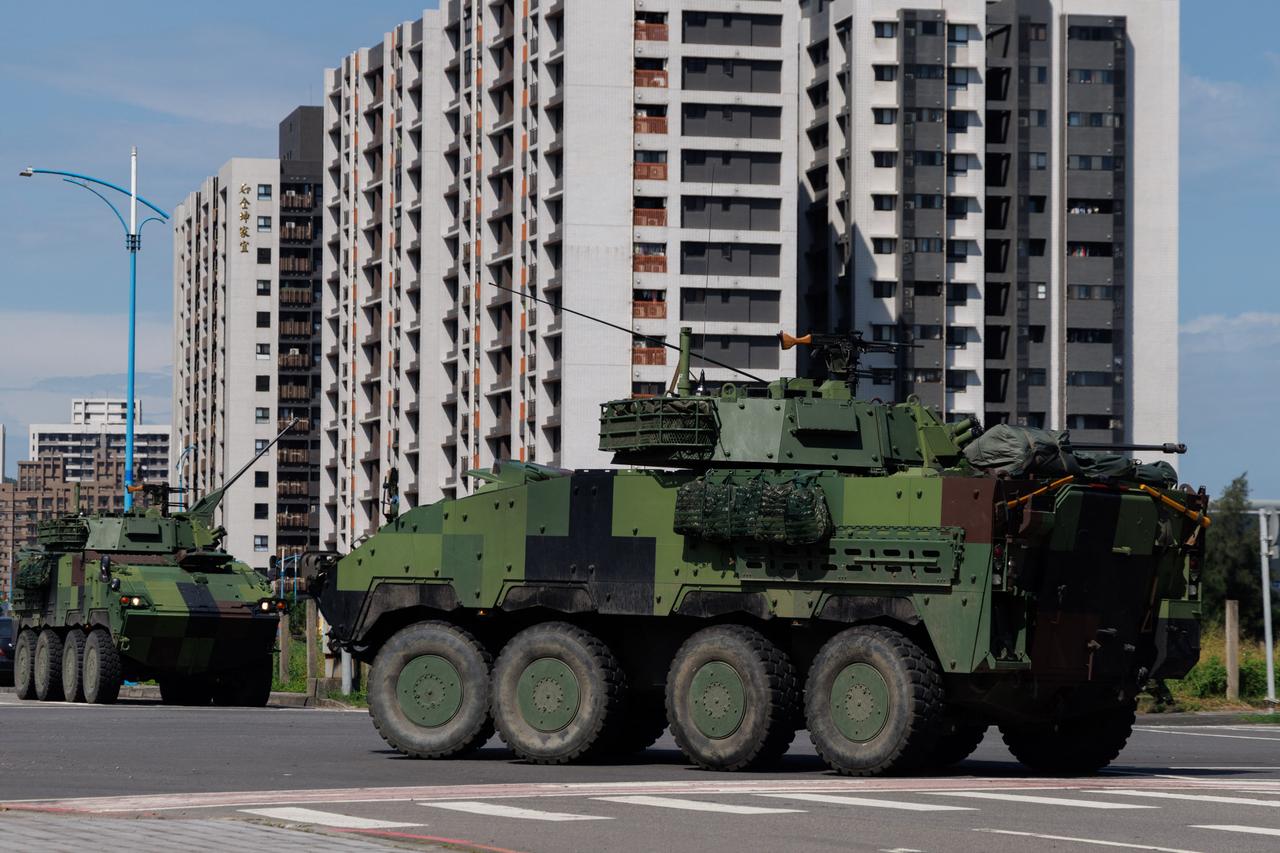


U.S. arms sales to Taiwan are unrelated to the Iran war, and the country's military has more than enough munitions to serve all of Trump's strategic goals, a source familiar with the matter told Reuters Saturday, a statement that directly contradicts acting Navy Secretary Hung Cao's congressional testimony.
Cao told a Senate Appropriations Defense Subcommittee hearing on Thursday that there was a pause on arms sales to Taiwan to ensure the U.S. had enough munitions for Operation Epic Fury, the U.S.-Israeli military operation against Iran launched in February.
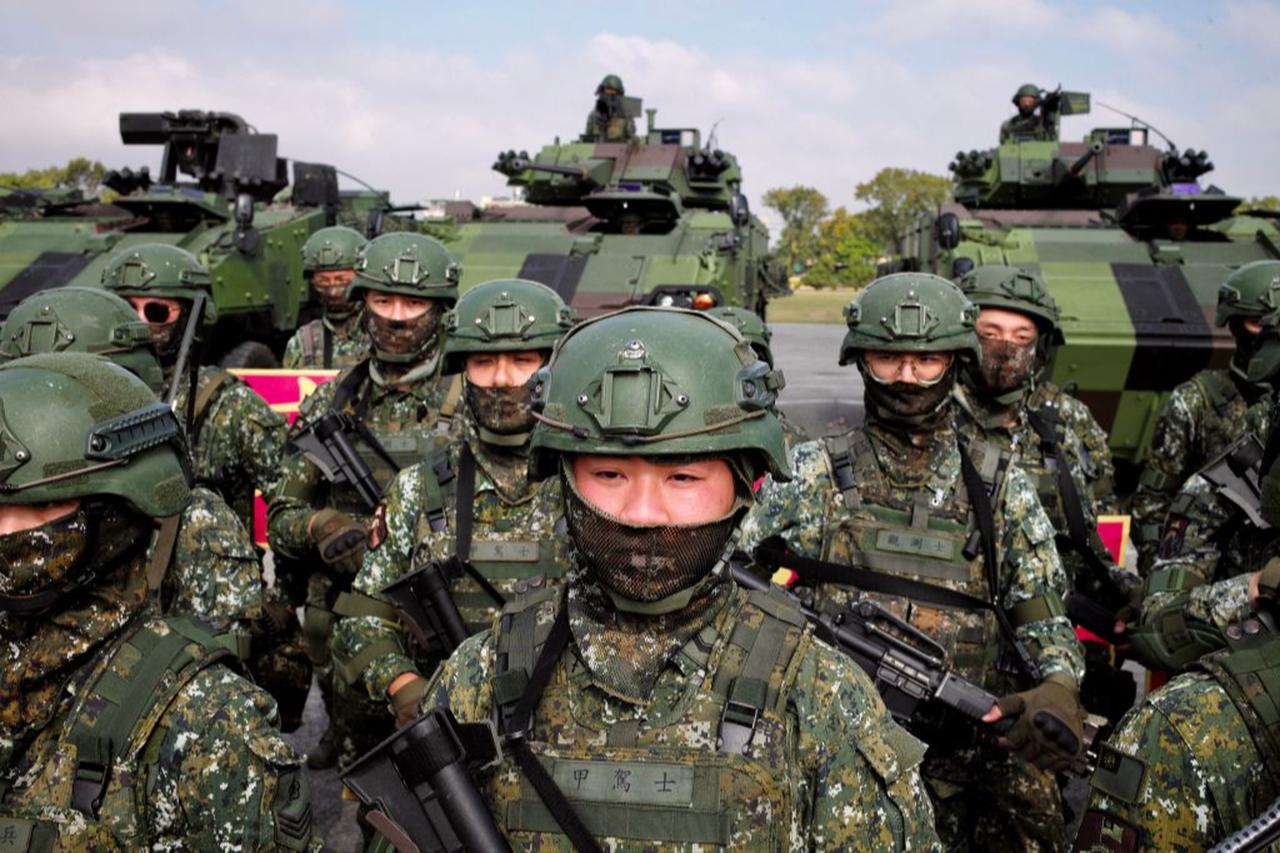

The source who spoke to Reuters pushed back directly.
"These sales take years to process and are unrelated to Operation Epic Fury. The United States Military has more than enough munitions, ammo, and stockpiles to serve all of President Trump's strategic goals and beyond," the source said.
The source also noted that Trump had said he would decide on the Taiwan arms sales soon.
Taiwan's government said Friday it had not received any information about possible adjustments to the arms sale package.
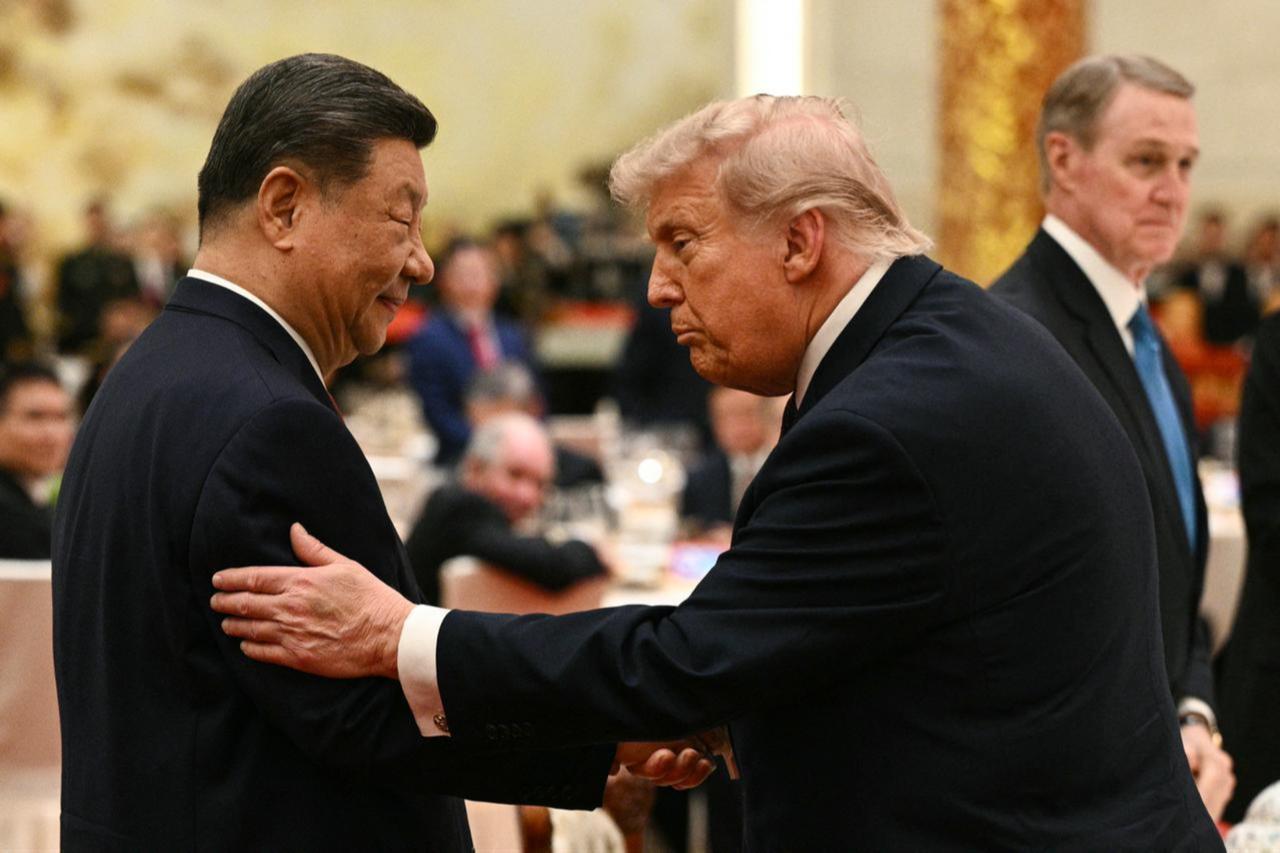
The U.S. is bound by the 1979 Taiwan Relations Act to provide Taiwan with the means to defend itself, and Washington has maintained since Trump's meeting with Chinese President Xi Jinping this month that its Taiwan policy remains unchanged.
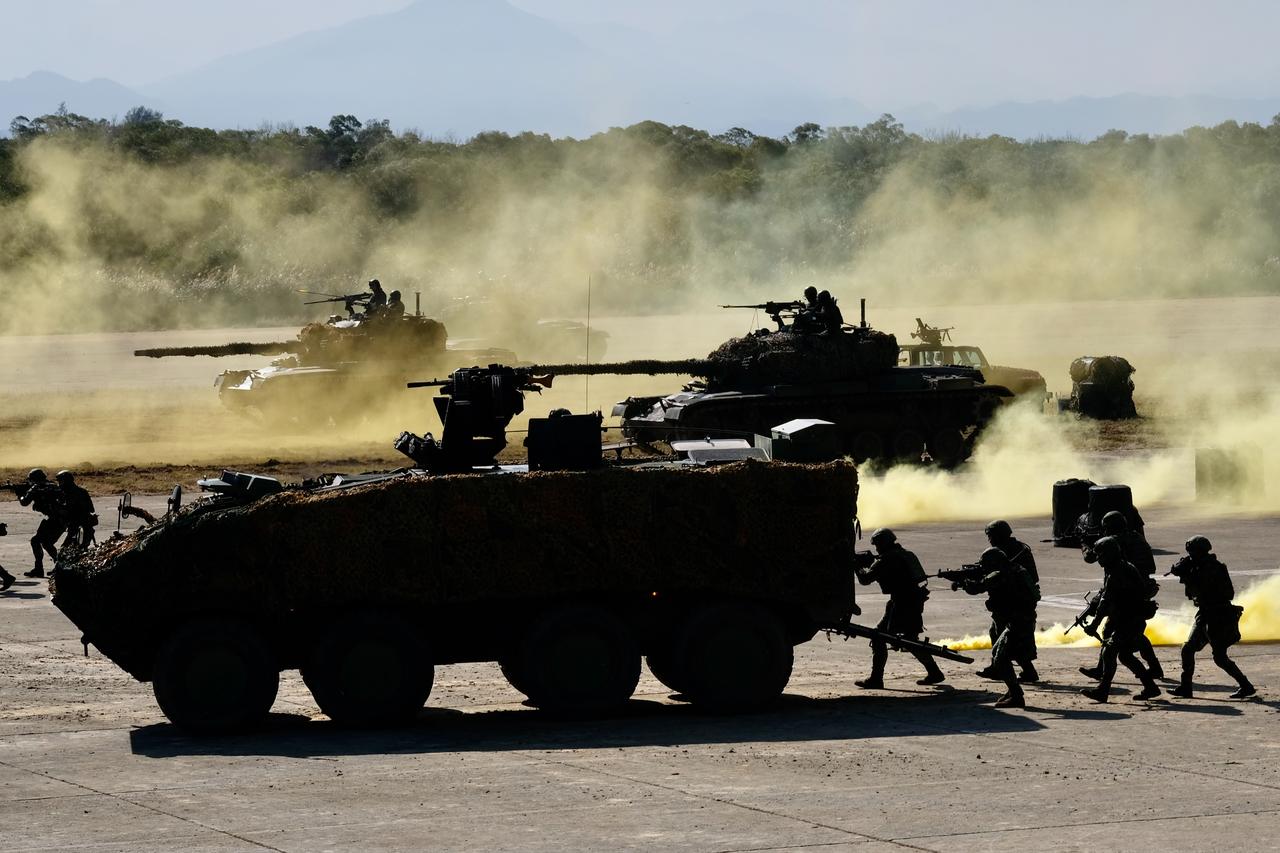
China renewed its strong opposition to U.S. arms supplies to Taiwan and military deployments in the Asia-Pacific at a regular Foreign Ministry press briefing on Friday.
Spokesman Guo Jiakun said Washington's actions were "undermining" regional stability and escalating security risks.
Guo also criticized reported U.S. plans to deploy the Typhon mid-range missile system in Japan during upcoming joint military exercises, describing the system as a "strategically offensive weapon" that undermines the legitimate security interests of other nations and increases the risks of military confrontation and arms races in the region.
"The deployment would bring nothing but harm to regional peace and stability," Guo said.
He urged both the U.S. and Japan to "heed calls from regional countries," correct what he called "erroneous moves" and take concrete steps to preserve peace and stability in the Asia-Pacific.
Guo said people across many Asian countries, including Japan, had long opposed such military deployments.


 Set as preferred source
 Set as preferred source


 1 min read
 1 min read