Newsletters




Antonio Gramsci wrote that the old world dies slowly, and that in the gap before a new one is born, "a great variety of morbid symptoms appear."
Washington produced two in a single week: one senator dead without warning, another silent for a month, his only proof of life a hospital photograph clutching that morning's newspaper.
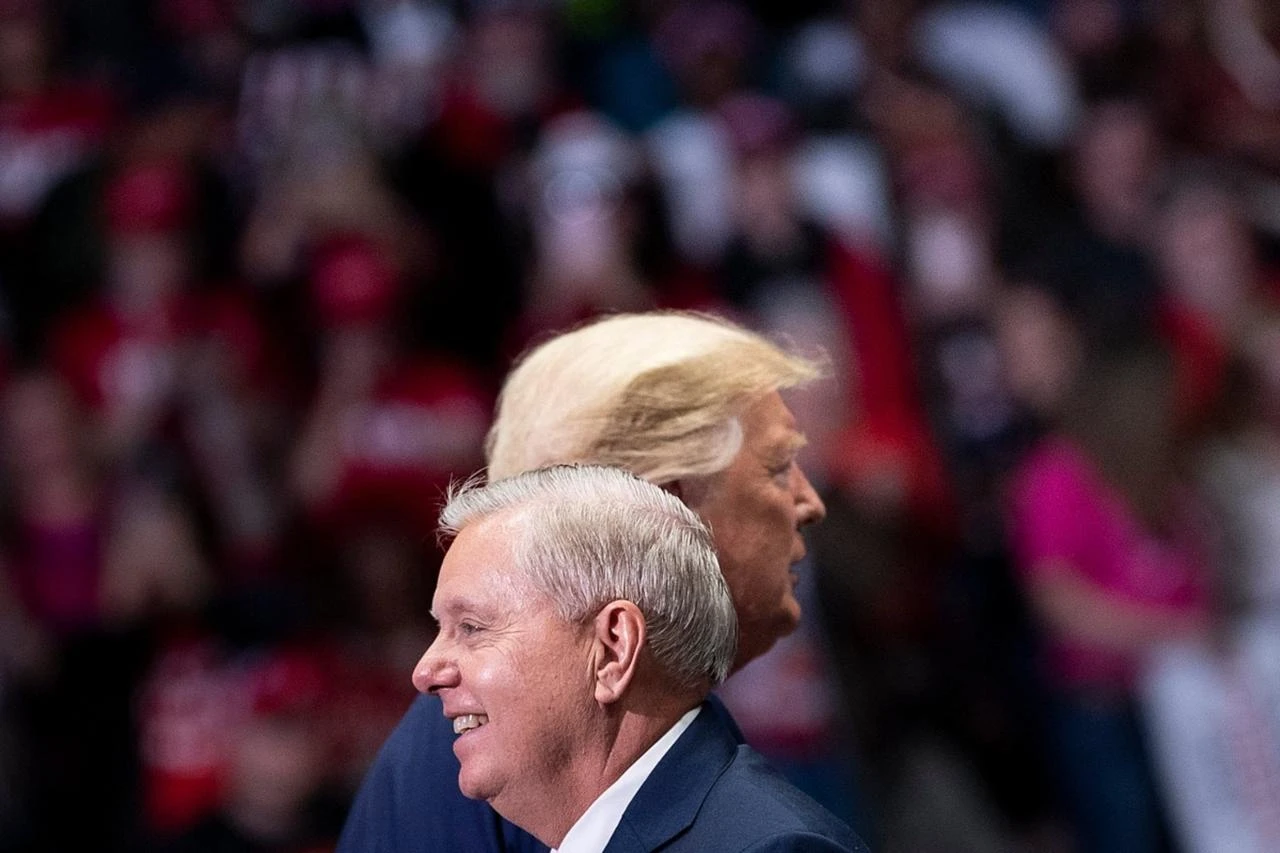
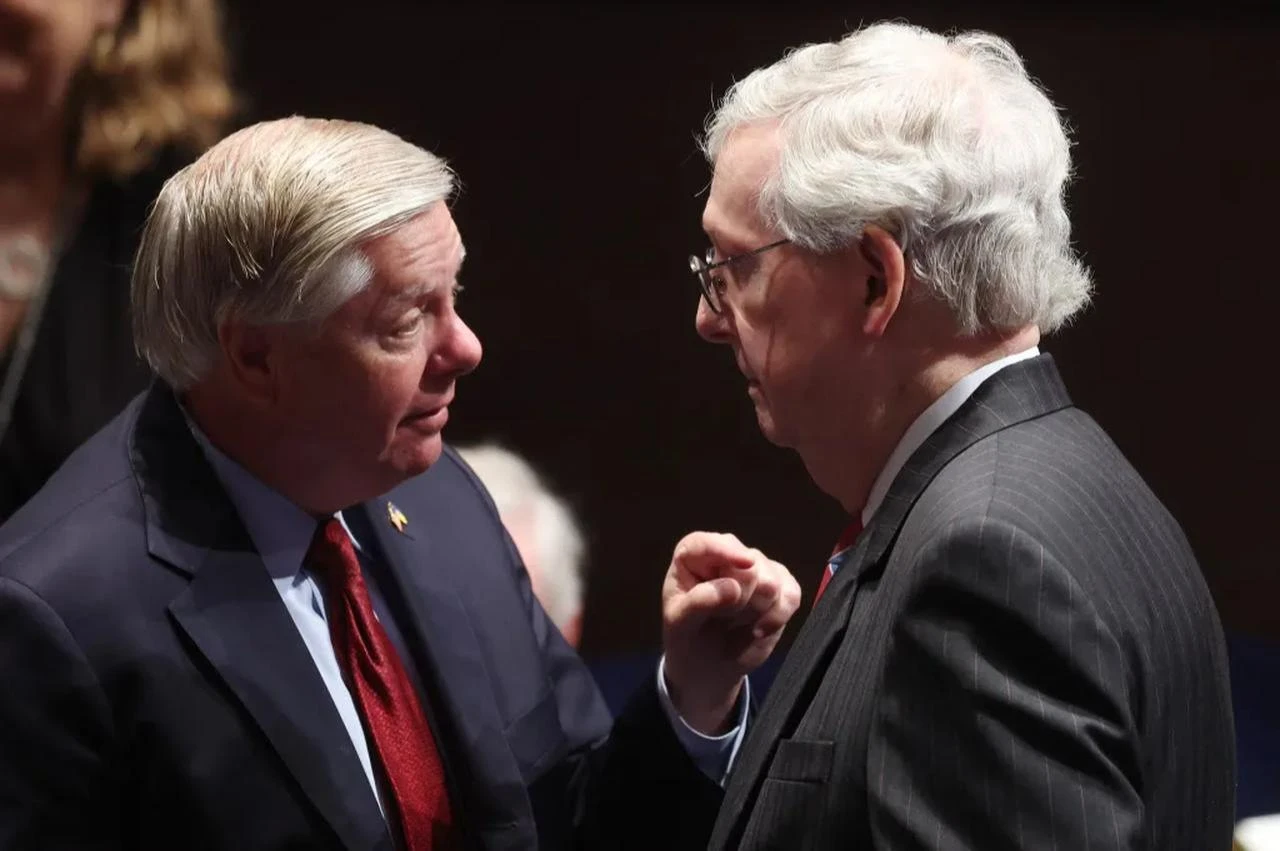
Lindsey Graham died on the night of July 11, hours after flying home from Kyiv. His office called it a brief and sudden illness. He was 71, and he had held his South Carolina seat since 2003.
Two days earlier, on the other side of the same story, Mitch McConnell finally explained what had put him in the hospital since June 14: a fall at home, a brief loss of consciousness, and a mild case of pneumonia that followed. He is 84, a childhood polio survivor, and by his own account still working on his recovery in a rehabilitation facility.
Neither event, by itself, changes the Senate's math. Graham's seat has already been filled. McConnell is still, technically, a senator. And yet President Trump entered the second half of 2026 with a legislative wish list that depended on exactly the kind of institutional knowledge and personal leverage a three-decade committee chairman and an 84-year-old former majority leader carry—leverage a freshman appointee or an absent vote cannot replace.

None of this changes the calendar. Government funding runs out on Sept. 30, and Trump's pledge not to sign anything ahead of the SAVE America Act sits directly across that deadline.
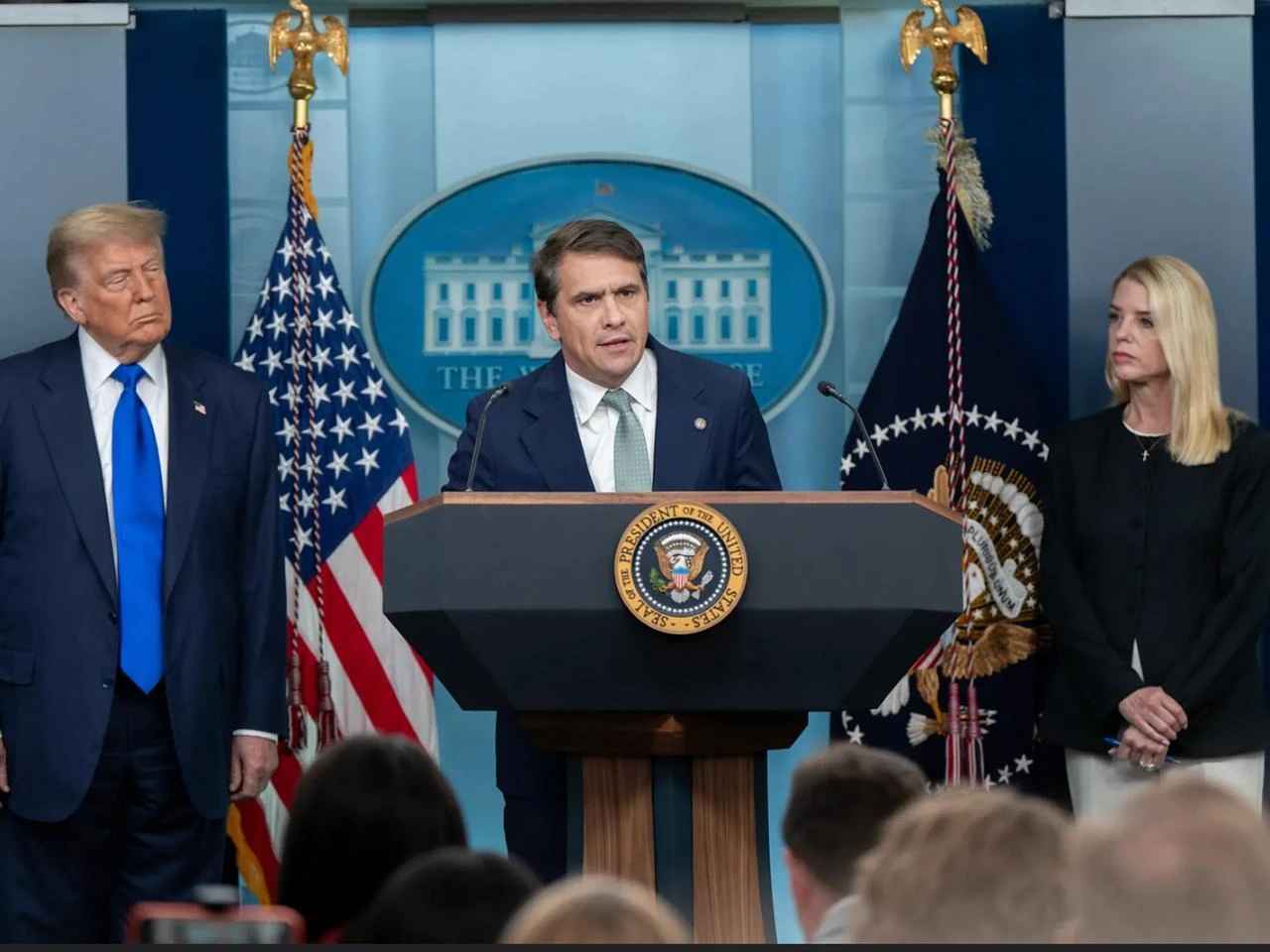
Attorney general nominee Todd Blanche needed Graham on the Judiciary Committee lobbying colleagues on his behalf; he no longer has that. He also needed a Senate margin wide enough to absorb a few Republican defectors during confirmation, and that margin is thinner with McConnell still in a rehab facility rather than on the floor.
Trump's Republican Party has spent this month losing the two people who best understood how to move votes without losing them, at the exact moment its agenda requires nothing but moving votes. The party still has 53 seats on paper. What it does not have, for now, is anyone who knows quite how to spend them.
Graham's value to Trump was never really about his vote. It was about what he did with everyone else's.
Mark Short, who served as Trump's legislative director, described Graham's function inside the caucus as redirecting the president's energy toward something workable rather than something merely satisfying. That is a specific skill, distinct from loyalty, and it is the one the White House no longer has on tap.
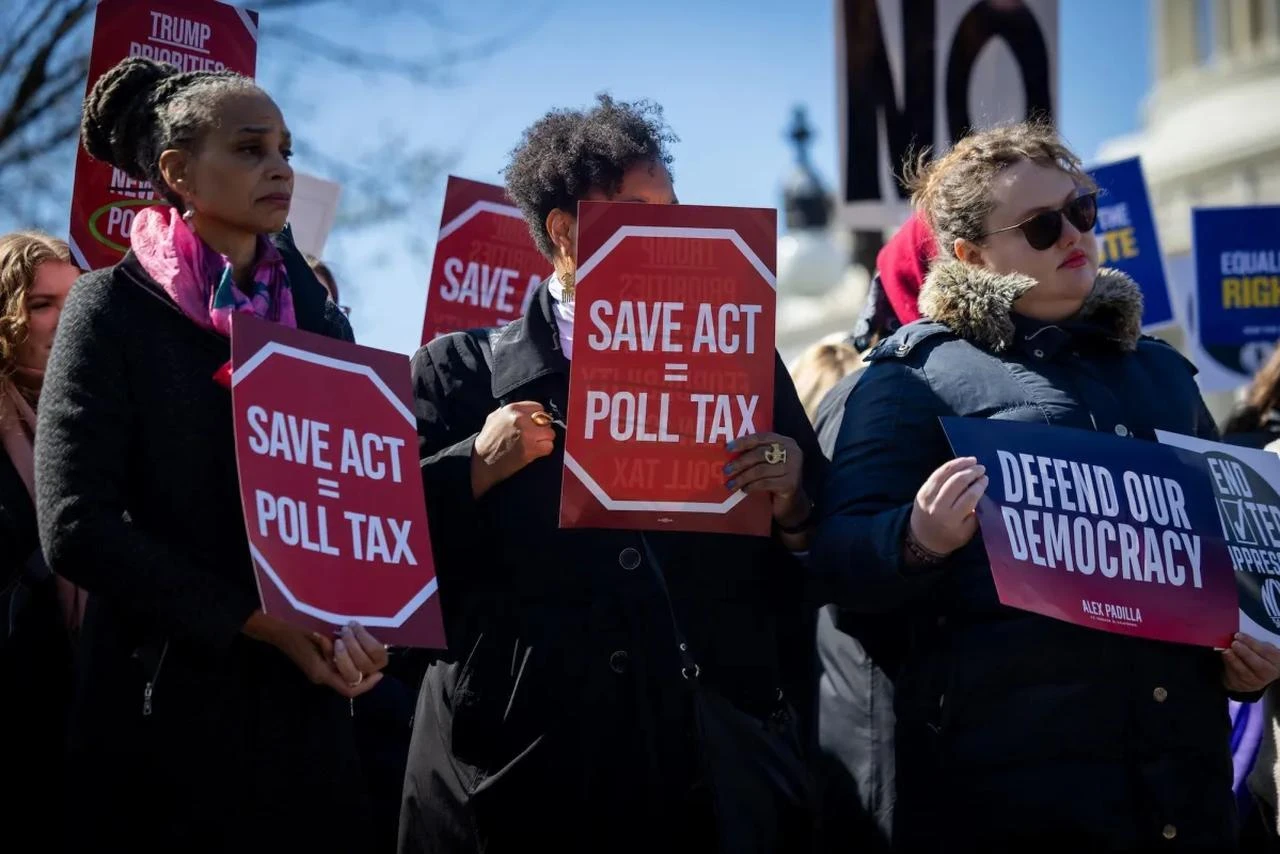
The clearest test case is the SAVE America Act, Trump's push to require proof of citizenship for voter registration and to tighten mail-in ballot rules. Trump has said he will not sign other legislation until it passes, a threat that already forced one bipartisan housing bill to become law by default rather than by his signature.
His allies in the House have gone further, attaching the bill to must-pass defense policy legislation and slowing House business to pressure the Senate into moving.
Senators Susan Collins, Lisa Murkowski and Thomas Tillis remain opposed, and even full Republican unity would fall short of the 60 votes needed to clear a filibuster.
Graham backed the bill but never supported scrapping the filibuster to get it through, so his death does not open a procedural path that wasn't already closed. What it removes is the person Trump trusted to manage the Republicans who were blocking it.
South Carolina Governor Henry McMaster appointed Graham's sister, Darline Graham Nordone, to the seat two days after her brother's death, at Trump's public suggestion. She is the first woman to represent South Carolina in the Senate, and she was sworn in Tuesday. A special primary to select the Republican nominee for November is set for Aug. 11.
Nordone brings none of her brother's committee seniority, and none of the relationships he built with Senate leadership over two decades, which is the actual gap Trump is trying to fill, not the vote count.
The Budget Committee gavel is expected to go to Ron Johnson of Wisconsin, next in line by seniority among Republicans who don't already chair a full committee. Johnson has already met with Graham's staff and describes himself as working to get up to speed on the push for a third reconciliation bill, the one carrying Trump's $350 billion defense spending increase.
He is also a longtime deficit hawk who has previously argued for offsetting new spending with cuts elsewhere, which means the man now holding the gavel on Trump's defense number is someone with his own, separate appetite for trimming it.
McConnell's absence is a smaller story with a bigger number attached. Senate Republicans hold 53 seats on paper. With McConnell sidelined, the working majority on the floor is 52 to 47.
On the Appropriations Committee, where McConnell sits, his absence leaves the panel split 14 to 14, which is enough to stall the Trump administration's request for $67 billion in additional Pentagon funding tied to the war in Iran.
Graham's vacant seat can be refilled by another Republican in short order. McConnell's cannot be filled by anyone but McConnell, and his office has not said when, or whether, that happens before his term ends.
As the Sept. 30 deadline for a government shutdown looms, the Senate floor paralyzed by the arithmetic of a sickbed and the committee rooms guided by reluctant partners, the grand designs of the White House are running out of both time and translators.
President Trump's solution will be decisive for the next step, but for now, the past week's biological toll has severely compromised Trump’s leverage to pass his three Senate priorities: voter ID legislation, the Attorney General confirmation, and expanded defense spending.


 Set as preferred source
 Set as preferred source


 2 min read
 1 min read