Newsletters




Sailors call it the fata morgana: a superior mirage, born when a layer of warm air sits over cold water and bends light until a ship appears to float above the horizon, hull and all, hanging in the sky where the sea should be.
It is not an illusion of absence, as something real is out there. The mirage just relocates it, stretches it, and hands the viewer a picture that flatters what he wants to see.
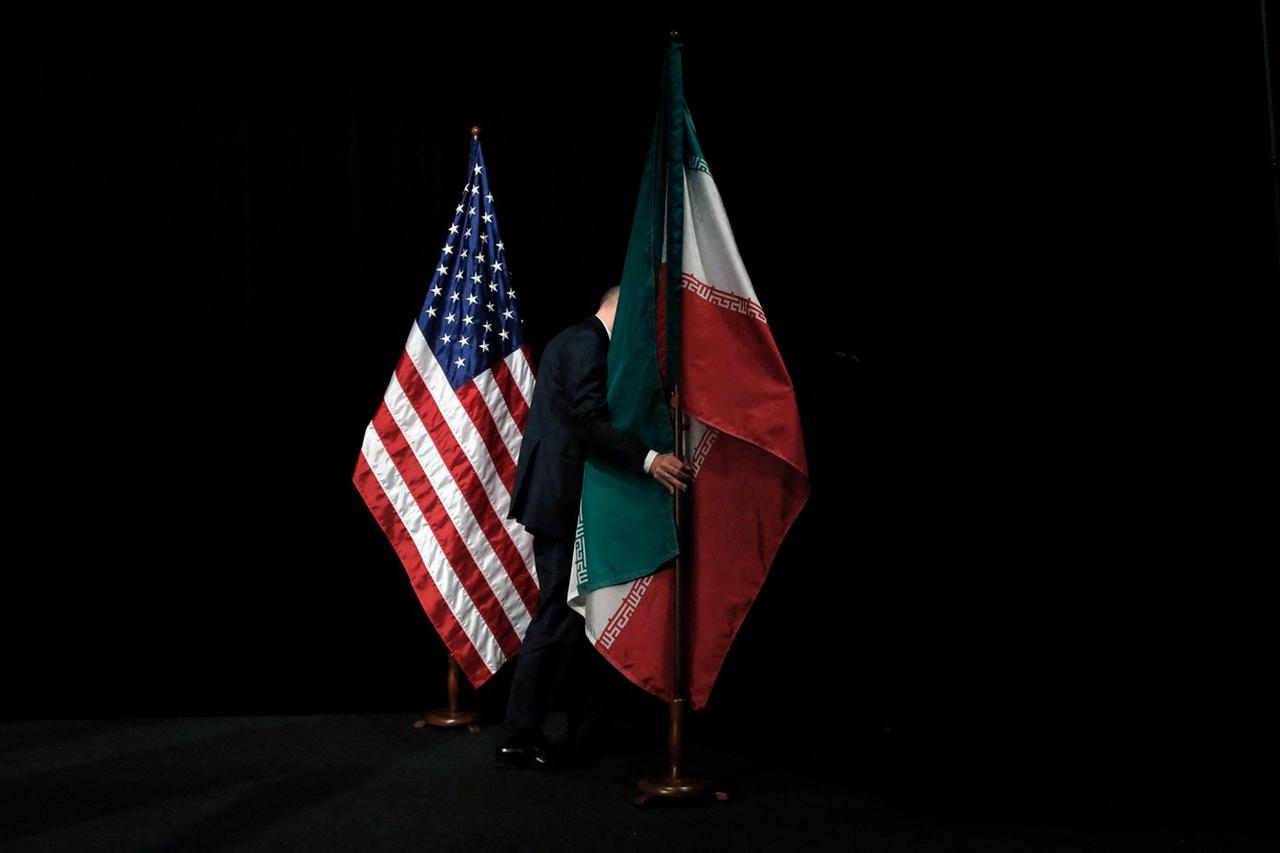
The June memorandum of understanding was Washington's fata morgana. Officials in the Trump administration looked at the Strait of Hormuz and saw a deal closing: 60 days of unmolested tanker traffic, billions in unfrozen Iranian funds, a diplomatic off-ramp with the president's name on it.
Tehran looked at the same water and saw something else entirely, a pause, a tactical intermission before round two.
Four months in, the gap between those two pictures has become the war itself. The United States is fighting on a cycle: a midterm election in November, a domestic gas price that voters notice at the pump, a public patience that has an expiration date stamped on it somewhere around the five-week mark Trump originally promised.
Iran, on the other hand, is fighting for permanence: regime survival, proprietary claim over the world's most valuable chokepoint, and a demonstrated willingness to absorb losses that would have ended most governments' appetite for war months ago.
A war of cycles does not defeat a war of permanence by outlasting it. It defeats it by ending it, and neither side has shown it can do that.
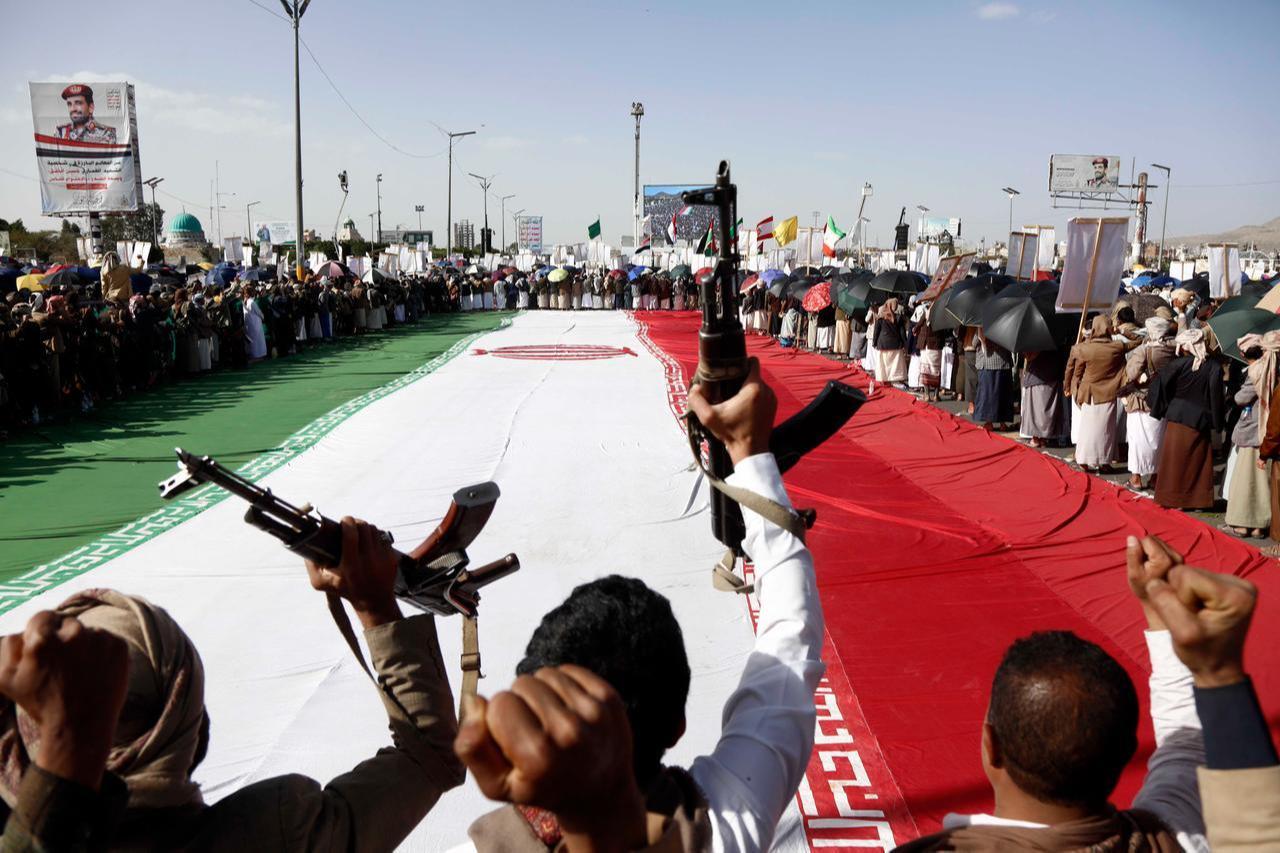

The Trump administration's working theory of Iran has always had a price tag attached.
Give the regime enough money, enough face-saving language, enough of a path back into the global economy, and it will trade the strait for stability.
That theory produced the MoU's core offer: 60 days of safe passage in exchange for unfrozen billions and a nuclear question quietly deferred.
It is the logic of a real estate closing applied to a state that has spent nearly five decades building its identity around resisting exactly this kind of transaction.
Tehran never read the strait as a bargaining chip. It read it as a birthright and an insurance policy rolled into one, the one piece of leverage that no American carrier group can fully neutralize and no sanctions regime can fully replace.
A former U.S. ambassador for Middle East peace involved in tracking the negotiations, David Hale, said on TV that the Trump administration believed the MoU gave Iran room to maneuver on its own terms, and Iran read that same ambiguity as a license.
The document's language, promising Iran's "best efforts" for safe passage over a defined 60-day window, was vague enough to support both interpretations. That vagueness, the diplomat believes, was the negotiators' way of buying time.
The original sin, then, is not tactical. It is a category error. Washington priced this conflict as transactional, and Tehran is fighting it as existential, and no amount of unfrozen capital closes that distance.
A regime willing to accept death has already told Washington that the price isn't money.
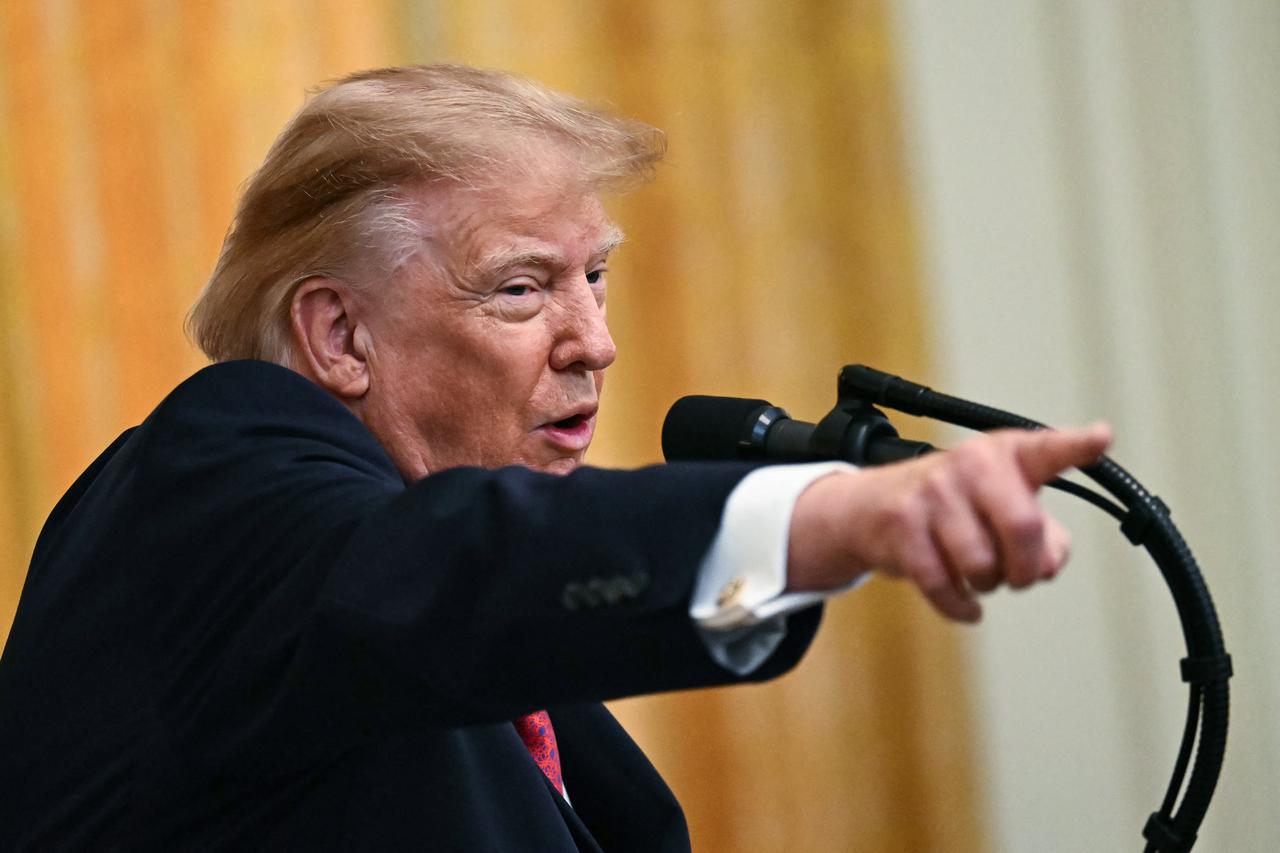
Trump's own preview of what comes next reads like a countdown: strikes tonight, strikes tomorrow night, and then, in his words, the power plants and the bridges.
The shift from military depots to civilian infrastructure marks an escalation with legal exposure that the administration has faced criticism over before, and it signals something else, too: an admission that the original decapitation strategy did not work and that deterrence, once lost, has to be rebuilt through visibly rising costs.
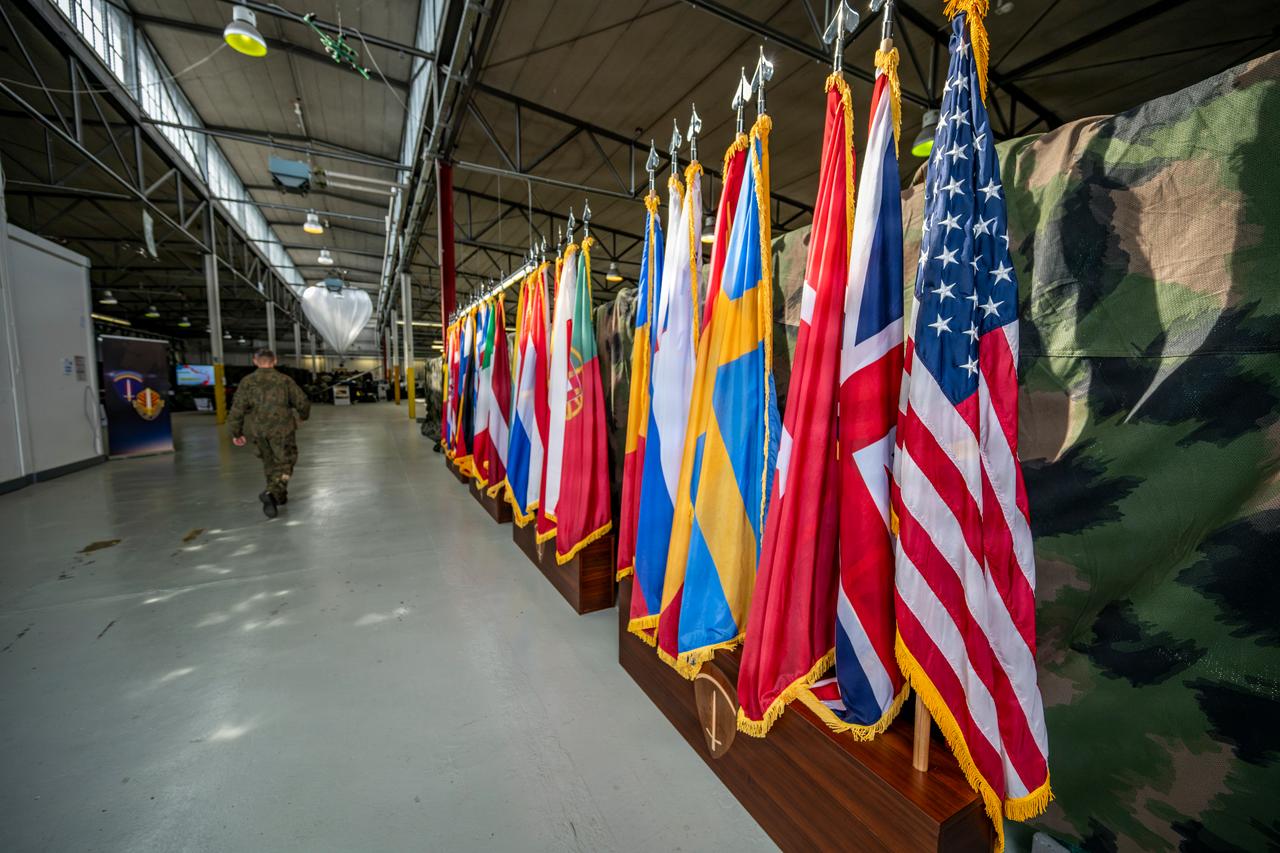
The blockade Trump reinstated is the same tool from the war's opening weeks, redeployed with a different toolkit, according to Robert Obayda, a former director for maritime industrial policy at the National Security Council. Twenty U.S. Navy warships and a rotating air presence are meant to deny Iran freedom of maneuver in theory.
In practice, it is Sisyphus' boulder: a force projection exercise that has to be sustained indefinitely to matter, against an opponent whose entire strategy is built around outlasting American attention spans.
A long-term American presence sufficient to guarantee free navigation would require a deployment scale the public has not been prepared for, and probably will not accept.
Iran's asymmetric bet is simpler than sinking a carrier. It does not need to beat the U.S. Navy. It needs to make insurance underwriters nervous. Freight rates, war-risk premiums, and shipper hesitation do more damage to Gulf oil flows than a single missile ever could, and that is the lever Tehran has learned to pull.
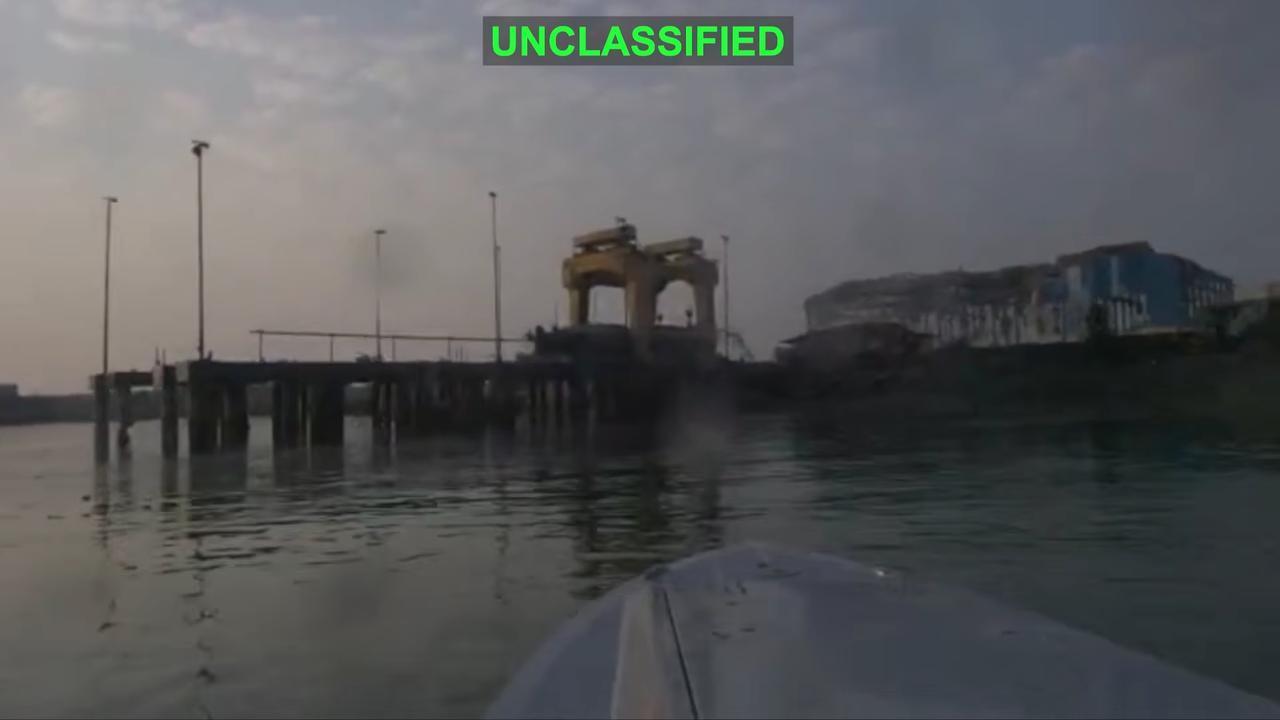
Buried inside the week's escalation, U.S. Central Command released footage, for the first time, of sea drones striking an Iranian submarine and a ship maintenance facility.
If the American public has no appetite for the scale of manned presence a real blockade requires, and the war-risk math above suggests it does not, then the future belongs to autonomous vessels that can maintain a persistent footprint without a persistent body count.
It is the model Ukraine built out of necessity against the Black Sea Fleet. High-end, expensive naval assets are not being retired. They are being reframed as the wrong tool for an uncertainty war, where swarms of cheap, expendable platforms do the actual work of denial.
That is the quieter revolution inside this crisis. Hormuz is turning into the proving ground for a naval strategy built to survive American war fatigue rather than defeat Iranian resolve.
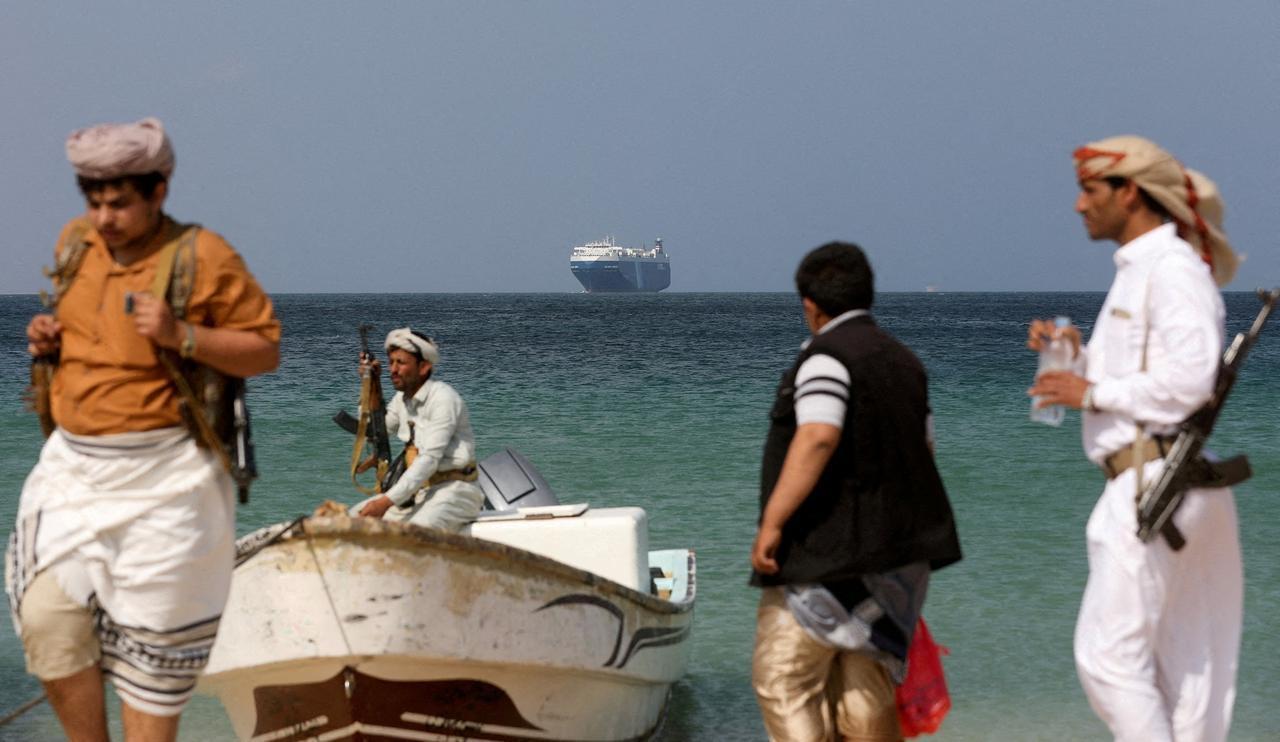
Gulf states have spent the war doing something they would once have left to Washington: building their own way out. New pipelines designed to route crude around the strait entirely, once theoretical infrastructure projects, are now under accelerated construction, and the reasoning behind them is only survival.
The second front arrived this weekend. Houthi attacks on Saudi infrastructure suggest Iran is activating its Bab el-Mandeb option for the first time in this war, a move that would put roughly 4 million additional barrels per day of transit risk on top of whatever is already at stake in Hormuz. Combined, that is close to 8 million barrels moving through waters that insurers and shippers now treat as a coin flip rather than a corridor.
None of this adds up to the scenario markets braced for at the war's outset, a single spike past $150 a barrel that spooks the world and then resolves.
What's forming instead is worse in its own way: a supply purgatory, where the International Energy Agency's projected surplus keeps receding, strategic reserves keep draining, and developing economies bear the cost longest and hardest.
A maritime traffic map of the strait today shows something contradictory: crowded, and paralyzed. Ships are still there, engines running, insurance clocks ticking, waiting for a signal that has not come and, on current form, is not coming soon.
Washington is waiting for a deal. Tehran is waiting for Washington to lose interest, the way it has in every other Middle Eastern commitment that outlived its domestic political usefulness. Both bets are rational given each side's own read of history.
The Trump administration keeps reaching for transactional tools, cash, tariffs on passage, blockades that can be traded away in the same week they're announced, to solve a conflict Tehran has never treated as transactional.
Until that mismatch resolves itself, in either direction, the strait will keep doing what it has done since June: hold its breath, and charge the world for the privilege of waiting with it.


 Set as preferred source
 Set as preferred source


 1 min read
 1 min read