Newsletters





Ruhi Cenet, 35, published "America's Most Secretive Jewish Community: Hasidic Jews (48 Hours Inside)" on Aug. 26. Filmed in Brooklyn's Williamsburg and Borough Park, the documentary follows him for 48 hours inside Hasidic households.
The film covers religious education, family structure, "kosher phones" and the community's restrictions on internet use. The documentary passed 39 million views within days.
That reach came largely from outside Cenet's usual audience. Twitch and YouTube streamer Asmongold reacted to the documentary live, in front of his millions of followers. He reportedly called Cenet "an absolute legend" on air and subscribed to his channel mid-stream.
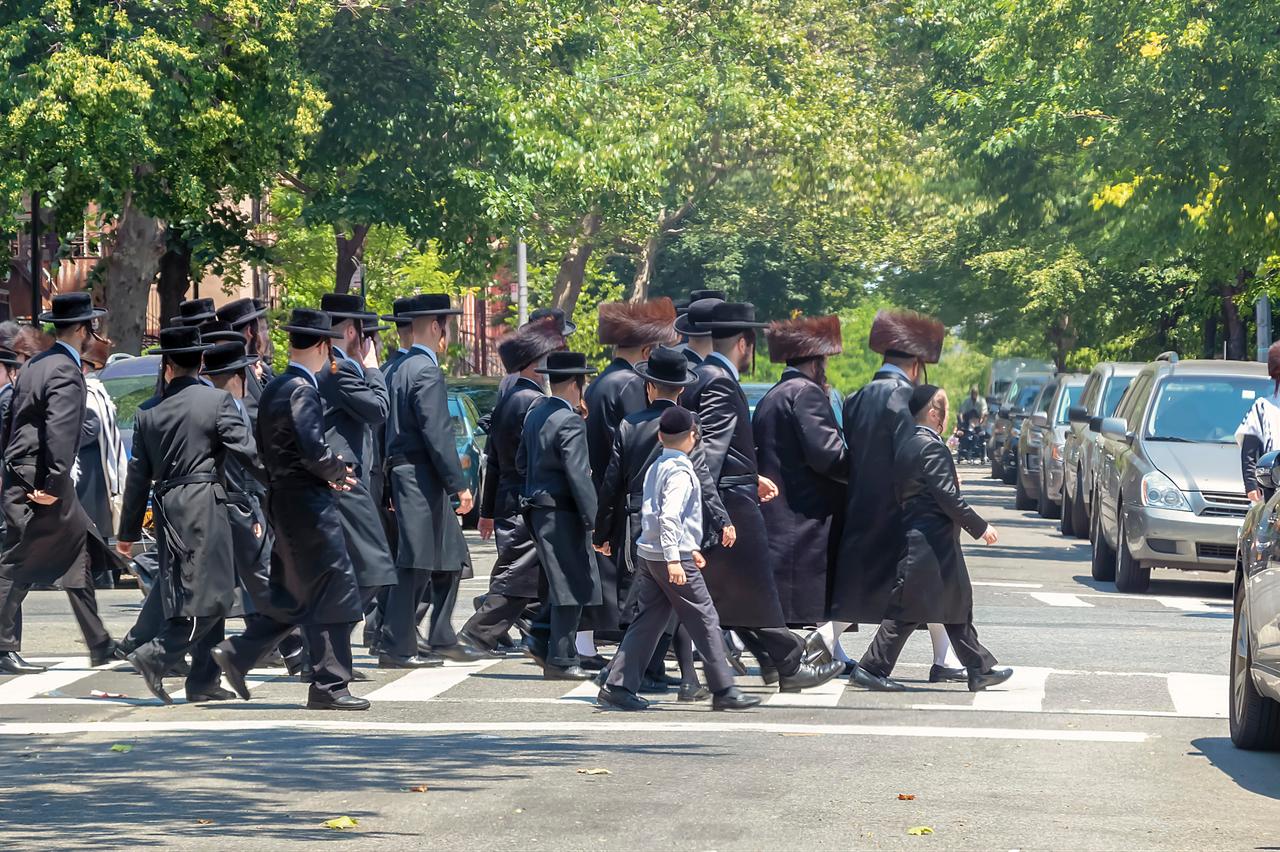

What spread furthest from that broadcast was not the praise. It was Asmongold's response to a passage in the film describing how large Hasidic families can draw simultaneously on food assistance, Medicaid and child tax credits.
Combined, the film says, that support can approach $75,000 to $100,000 a year per household. The figure bundles the market value of Medicaid coverage, average monthly food assistance and refundable tax credits tied to income and family size.
It is not a lump cash payment, and eligibility for all three programs is determined by household income and size rather than religion.
Online, that distinction was mostly lost. The number was recast as evidence that Washington hands Hasidic families six figures in cash every year.
Fox News and other U.S. outlets picked up the framing, and a "where do our taxes go" backlash turned a travel documentary into a welfare-policy argument within days.

The underlying reliance on public assistance is real. A 2025 report from Young Advocates for Fair Education, drawing on five years of U.S. Census data, found Hasidic New Yorkers roughly three times more likely to receive food assistance, at more than 40%.
The same report found Hasidic New Yorkers more than twice as likely to be enrolled in Medicaid, at close to 70%, with 63% living at or near the poverty line against 27% for non-Hasidic New Yorkers.
In Kiryas Joel, a Hasidic village in Orange County, Medicaid enrolment has been estimated at 80% to 93% of residents. Researchers, including Yaffed itself, attribute this largely to family size—commonly eight to 10 children—and to yeshiva curricula that leave many men with little secular education, while men study full-time rather than work and households run on a single income.
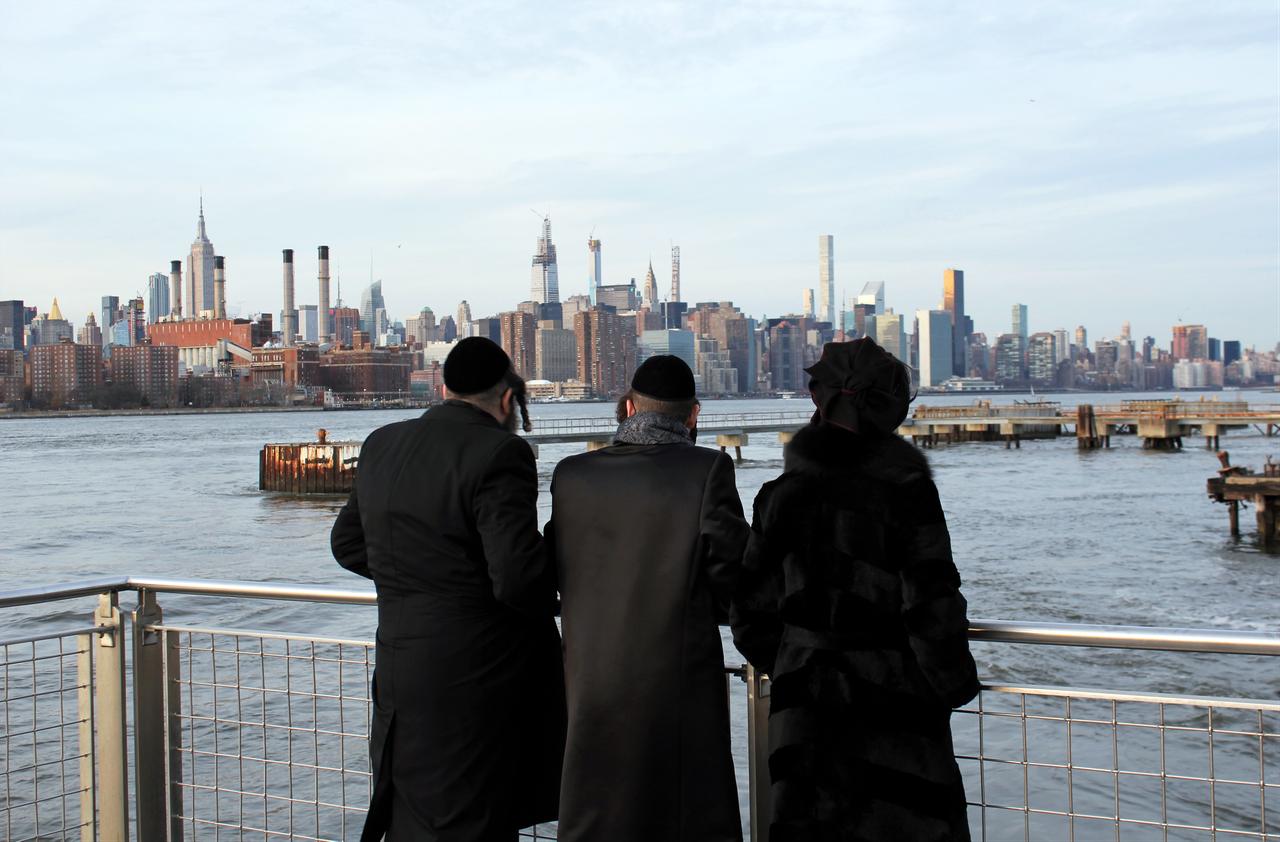
The case most often cited online as proof of deliberate abuse is nearly a decade old. In 2017, New Jersey prosecutors charged 26 people in Lakewood's Orthodox community, including a rabbi, with concealing income to collect a combined $2.4 million in Medicaid, food assistance and housing benefits.
It resurfaced repeatedly in comment sections this week, despite involving a small number of households within a New Jersey Orthodox population in the tens of thousands.
It also served as a warning about where this kind of story can go. Days after the 2017 arrests, an antisemitic banner appeared on a Holocaust memorial in Lakewood.
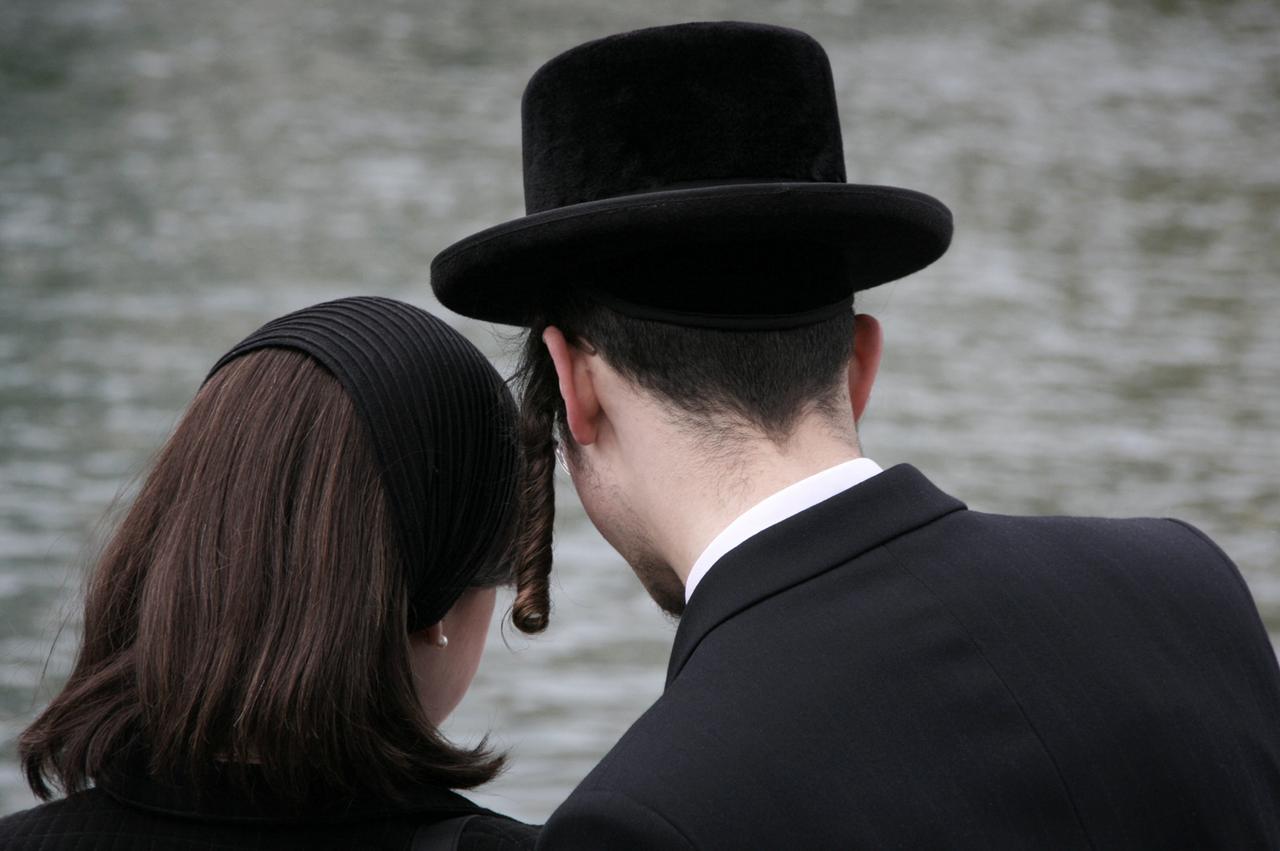
Inside the Hasidic community, the reaction to Cenet's film has leaned more toward alarm than agreement. Orthodox Jewish writer Kylie Ora Lobell published a widely shared post calling the documentary "nefarious."
Lobell argued that a cooperating Chabad rabbi had been used to frame a group that generally avoids cameras as secretive by nature, at a moment when antisemitic incidents are already rising.
A Williamsburg tour guide, in one of the more-watched reaction videos, said the film contained "major errors" about the neighborhood it claims to explain.
The documentary's virality collided with a separate, unrelated story. On Sept. 3, President Donald Trump met a delegation of Hasidic rabbis in the Oval Office, including both rival Satmar rebbes and leaders from Bobov, Vizhnitz and Skver, along with Rabbi Malkiel Kotler of Lakewood's Beth Medrash Govoha.
The White House described it as the first meeting of its kind with a sitting president in nearly 50 years, framed as a Rosh Hashanah courtesy call. Housing, child tax credits and prison conditions for Jewish inmates were reportedly on the agenda.
On social media, the timing read as confirmation rather than coincidence: a viral number about government support, followed within days by rabbis flying into Washington on private jets to meet the president. Most available reporting indicates the meeting was arranged weeks earlier and tied to the Jewish calendar.
By the time the photos from the Oval Office circulated, the two stories had already merged into one.


 Set as preferred source
 Set as preferred source



 4 min read