Newsletters


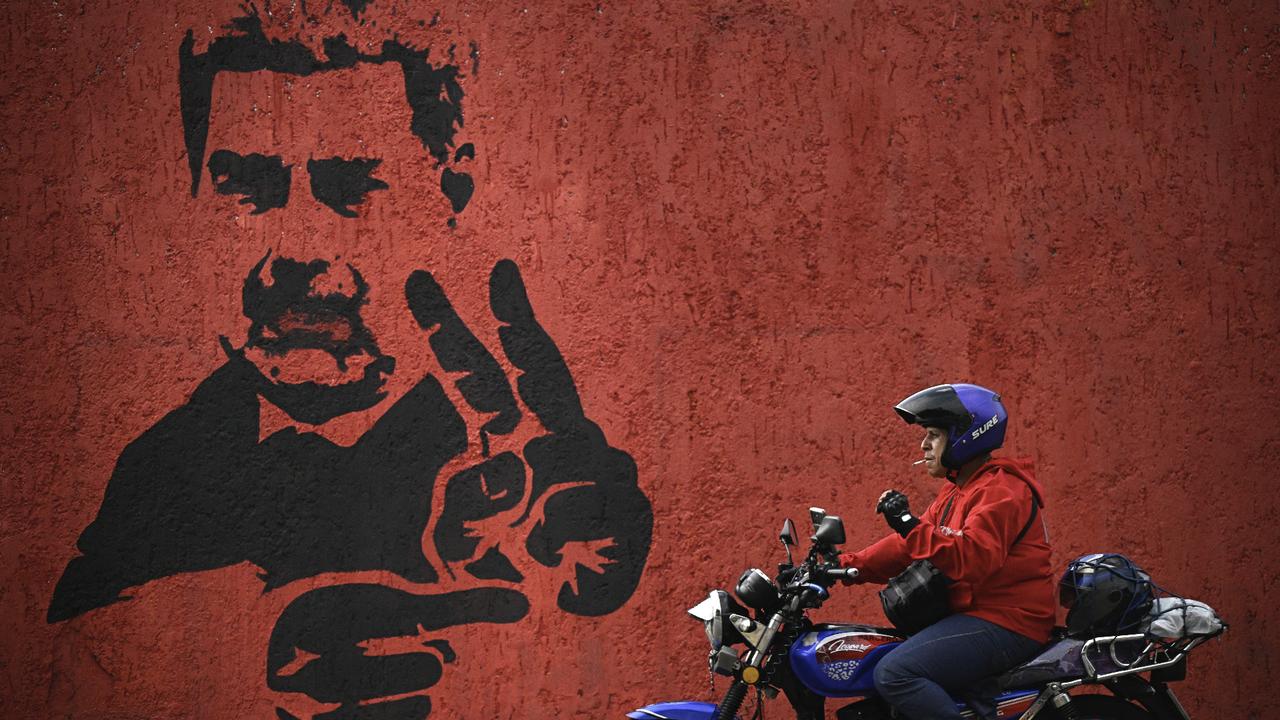
Eight months after U.S. forces captured Venezuelan president Nicolas Maduro, the national mood is bittersweet, as relief at his fall gives way to frustration over continuing economic hardship.
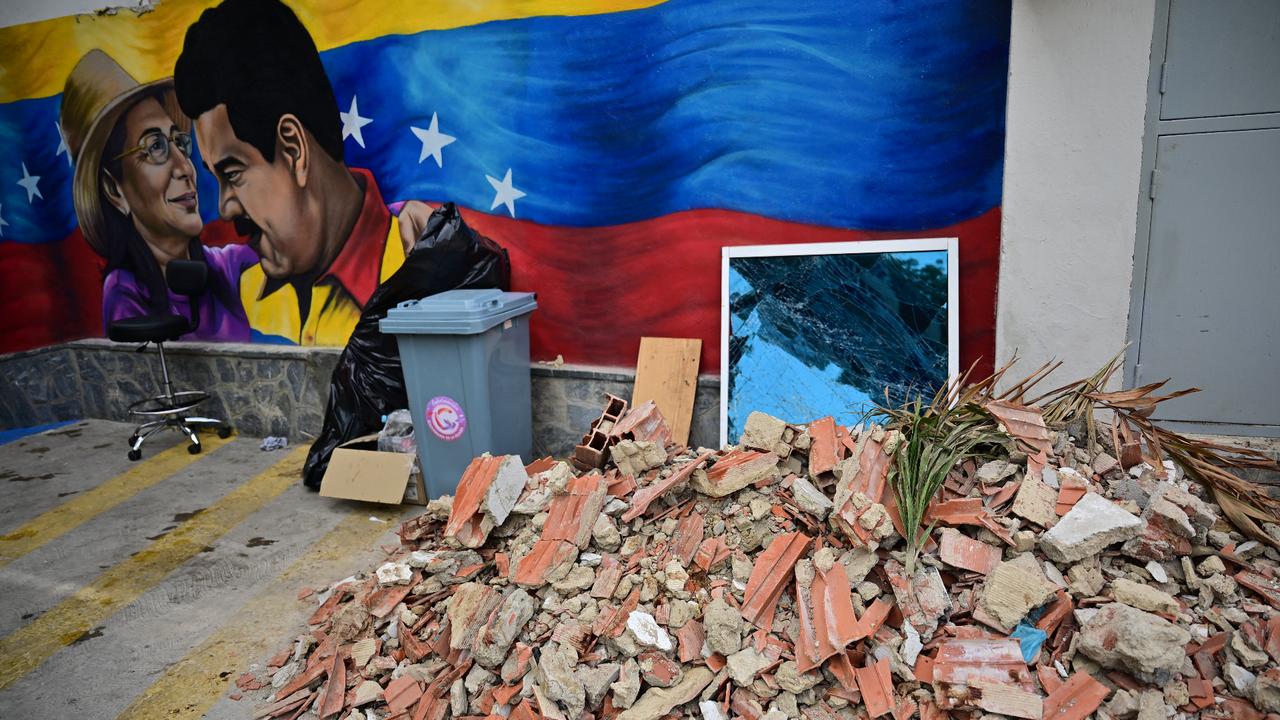
The South American country remains mired in crisis, with low wages and soaring food prices the norm for ordinary people despite the interim government’s attempts at reform.

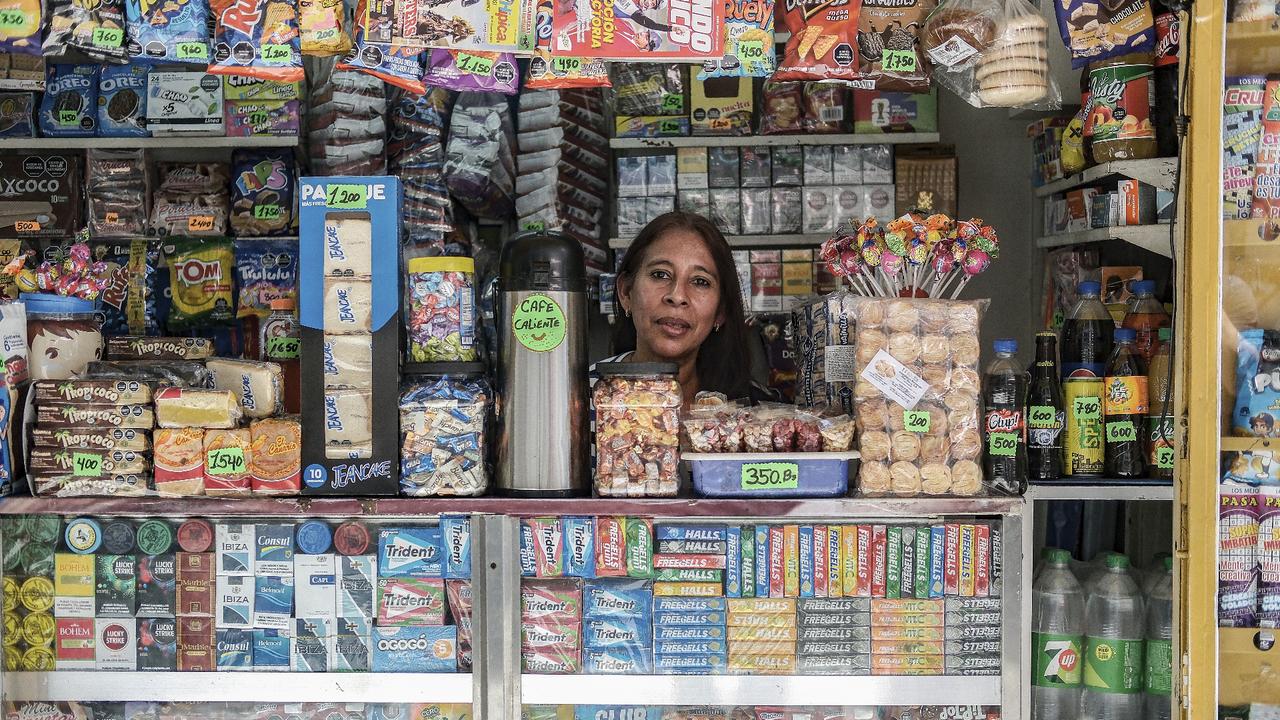
Marbelis Daliz and her husband Arlindo Da Silva run a pastry shop where hyperinflation and frequent power cuts weigh heavily on the business. After Maduro’s removal, "we had such expectations and happiness," Daliz told Agence France-Presse (AFP) as she hurriedly prepared an order in a race to beat the next blackout. "Unfortunately, reality crushed us."
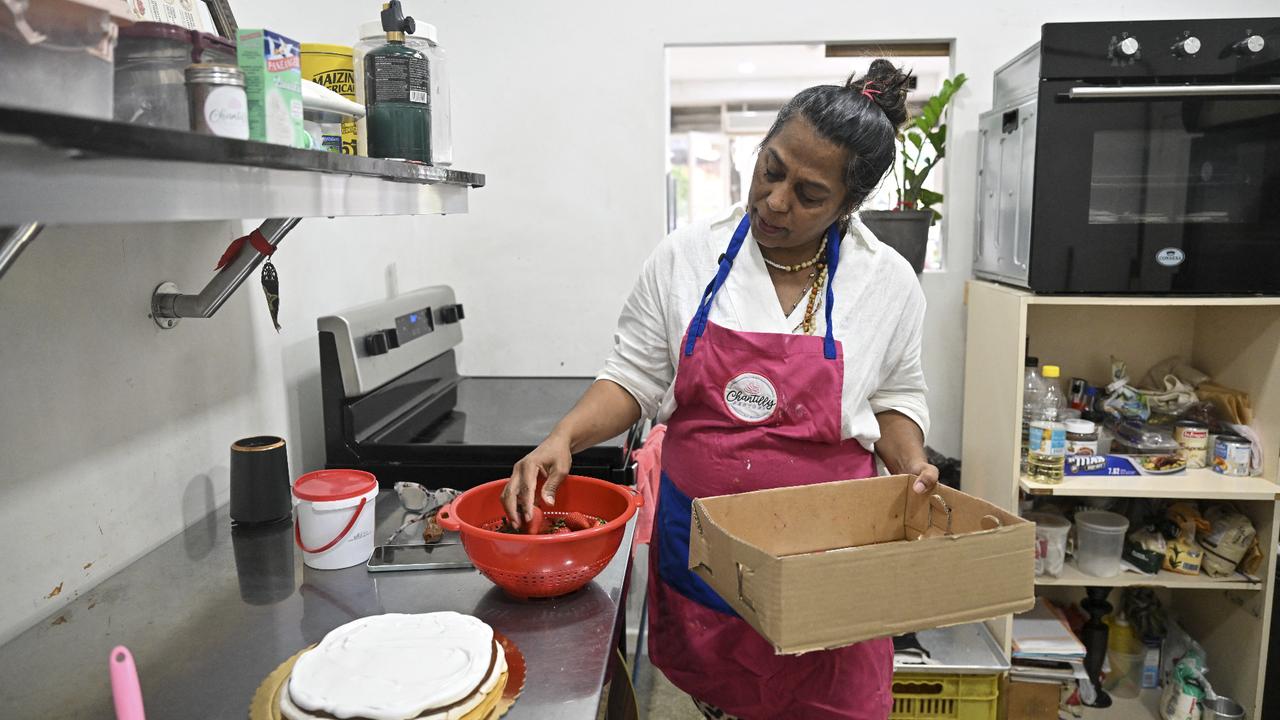
The 54-year-old pastry chef has no plans to give up the business despite its thin profit margins. "The economy is a disaster," she said. "I hope that at some point this will pass and we will rise again."
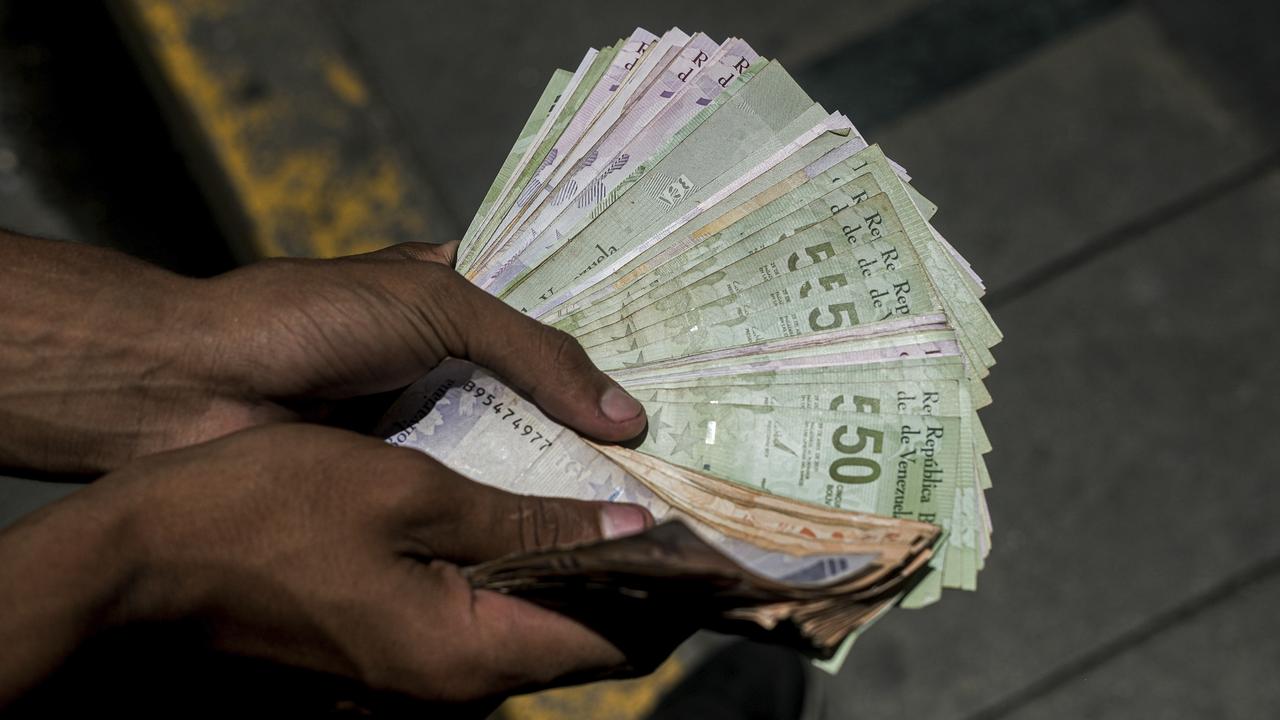
Venezuela’s economy has been undergoing de facto dollarization since 2019 because of the collapse in the value of the bolivar.
Many had hoped for an influx of dollars after the U.S. raid that removed Maduro, but annual inflation in bolivars is near 575%.
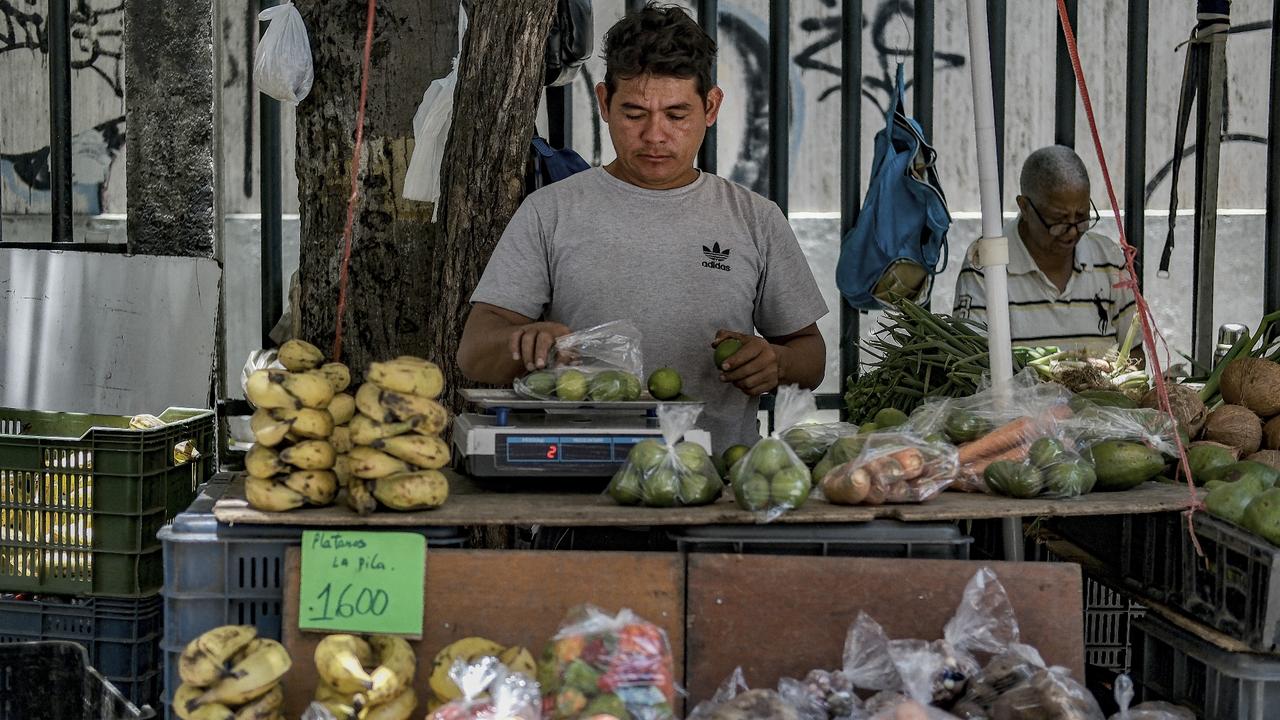
Rising prices are "killing" Venezuelans, said activist Zaida Mujica, who had "high hopes regarding the actions of the United States when they took Nicolas Maduro away," the 61-year-old told AFP.
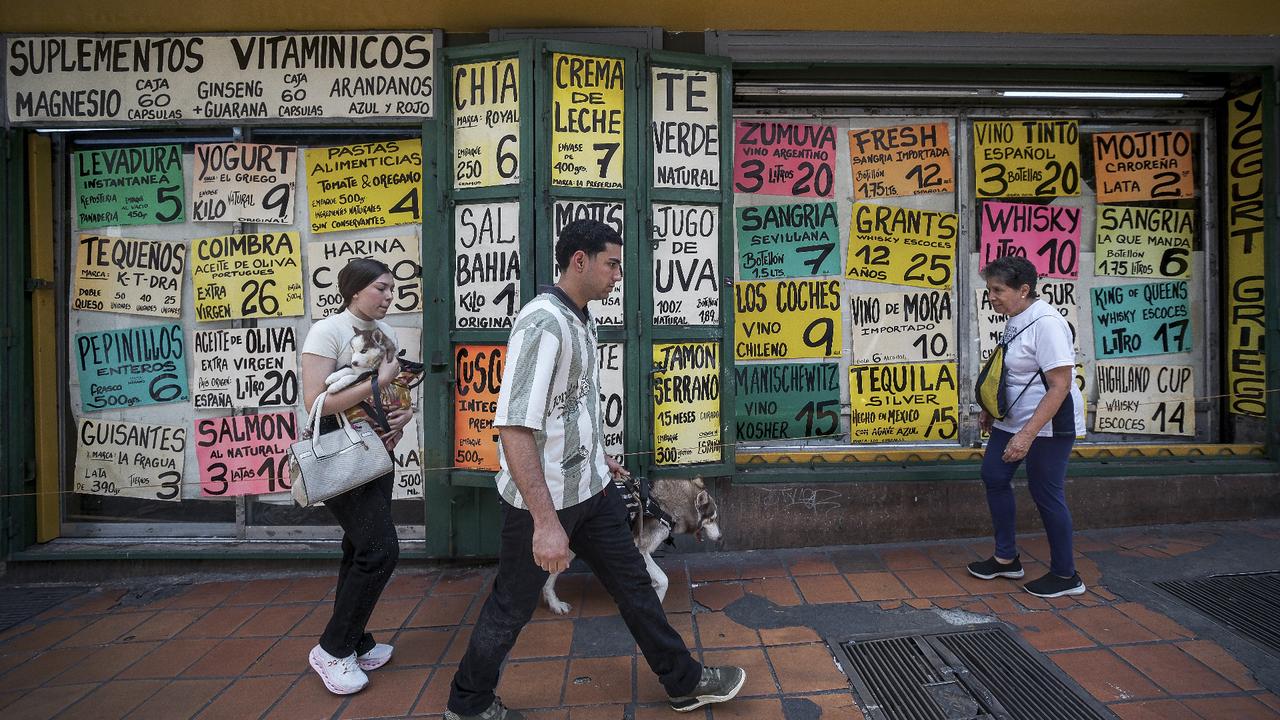
"They took away the dictator but not the dictatorship," she said, adding that "nothing has happened that benefits the people."
Interim leader Delcy Rodriguez, Maduro's former vice president, governs largely under Washington's influence.
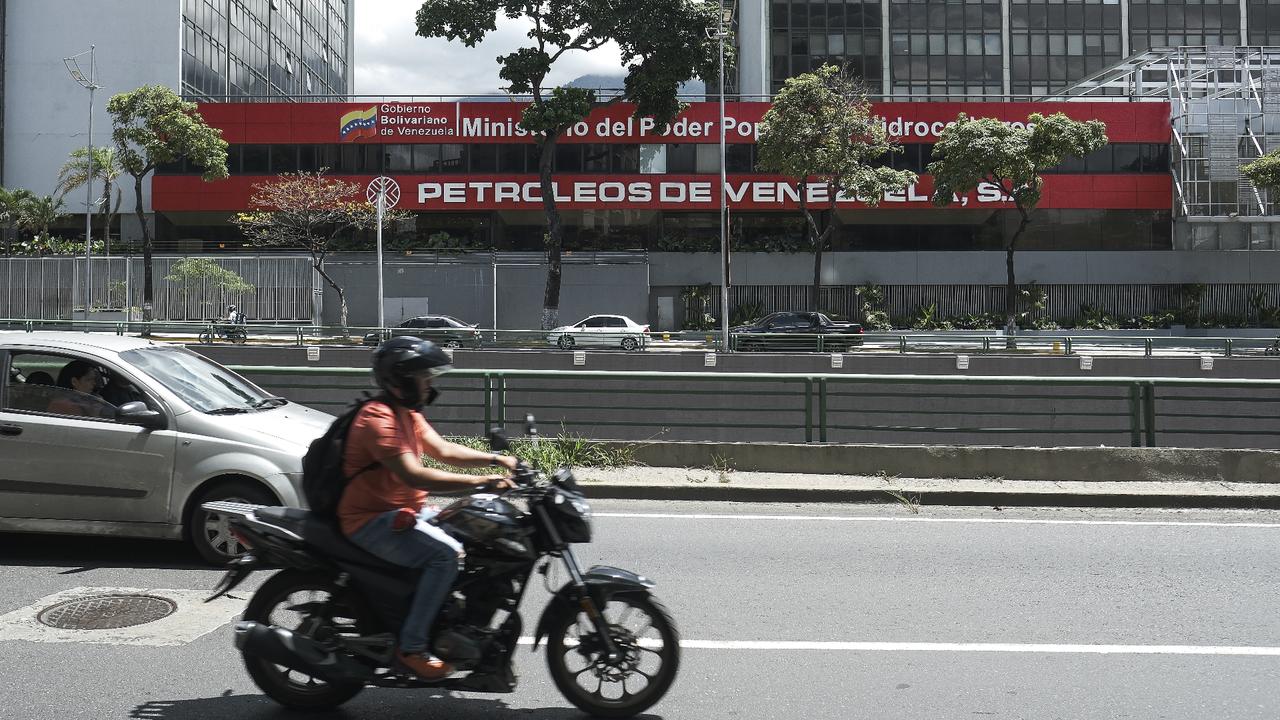
She has opened several sectors to foreign and private capital, and official figures show daily oil production has increased by almost 29.8% since January.
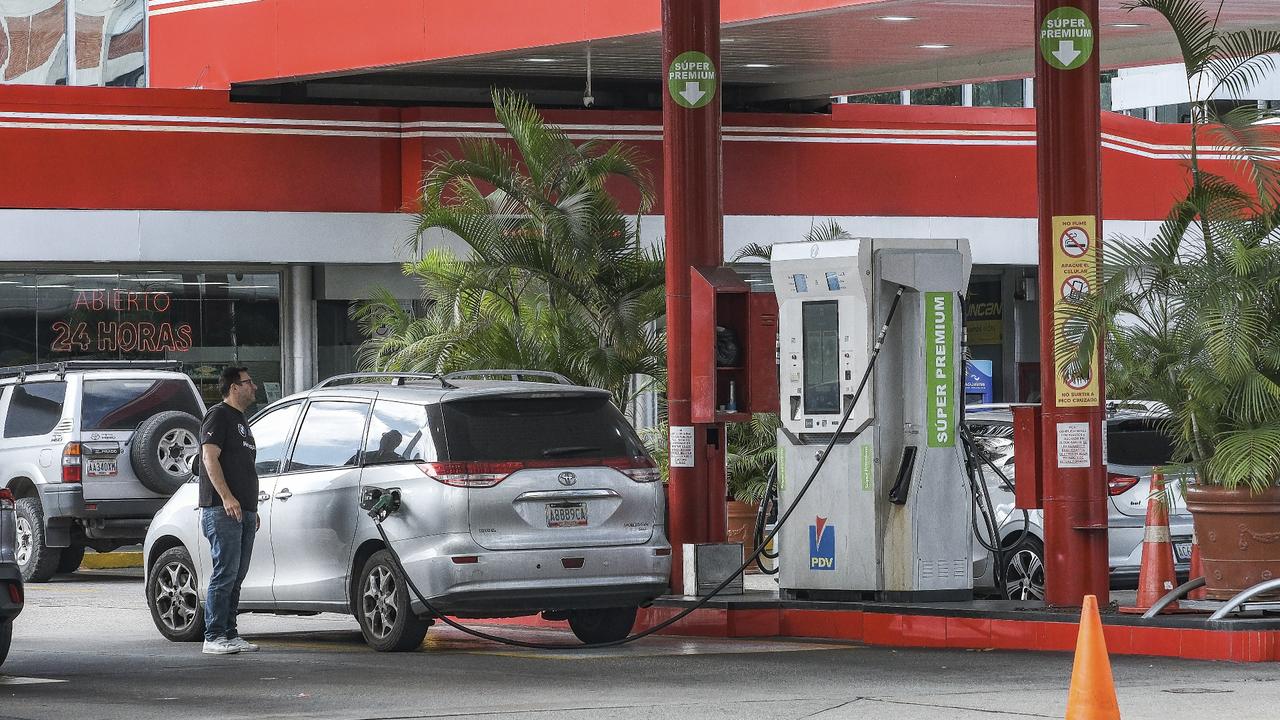
On Aug. 29, Rodriguez announced an agreement granting the United States majority control over 17 oil fields and over 65 billion barrels of Venezuela's proven oil reserves.
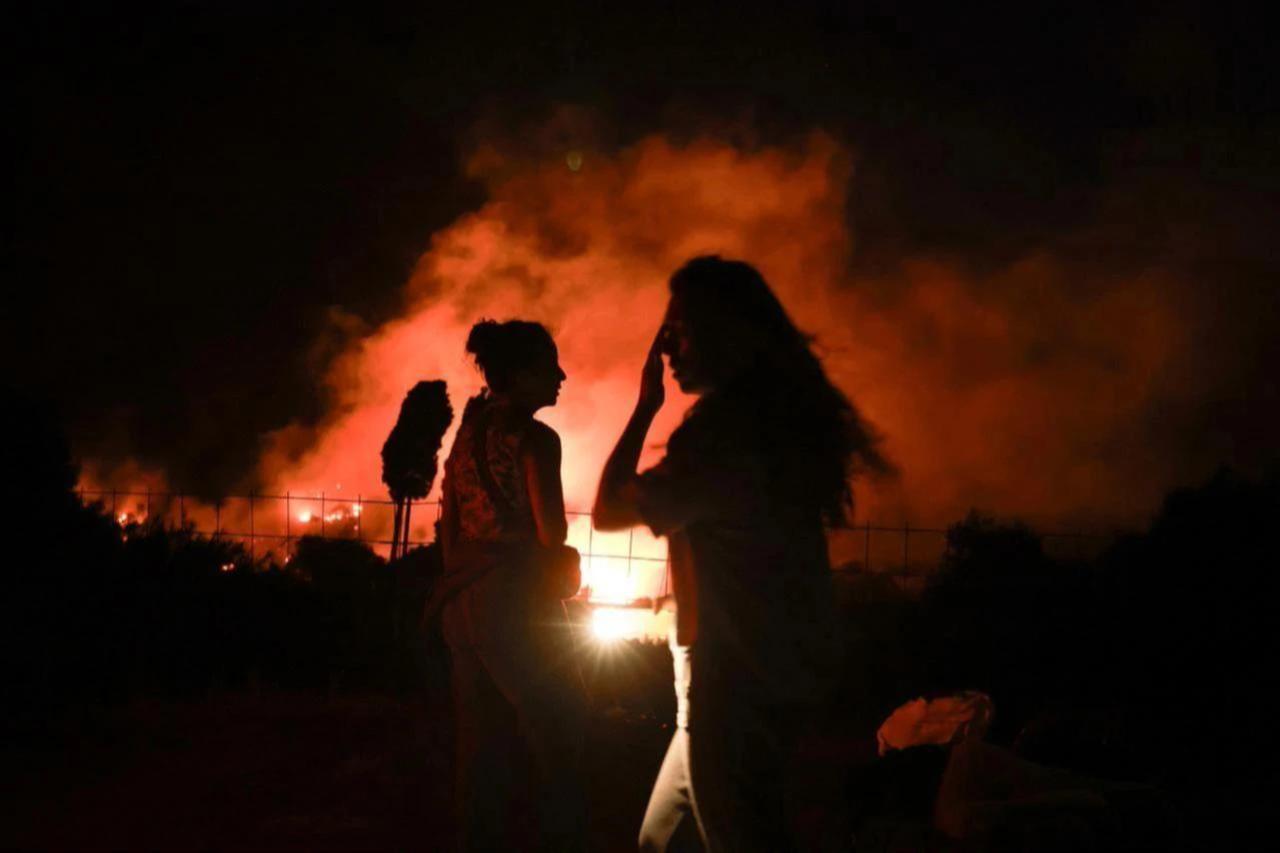
The already difficult conditions worsened further when two earthquakes struck northern Venezuela within a minute of each other on June 24, killing more than 6,500 people, injuring thousands more, and destroying hundreds of buildings.


 Set as preferred source

 1 min read