Sign in
 Newsletters




The Trump administration encouraged Venezuela and Iraq to consider leaving OPEC earlier this year and blocked Caracas from paying its annual membership fees, Reuters reported Friday, citing 10 people familiar with the matter.
The moves targeted two of OPEC's founding members as Washington sought to expand oil production and attract U.S. investment, amid concerns that the group's production limits could restrict future growth.
Saudi Crown Prince Mohammed bin Salman reportedly intervened this summer, persuading Washington to stop pressuring Venezuela over its membership.
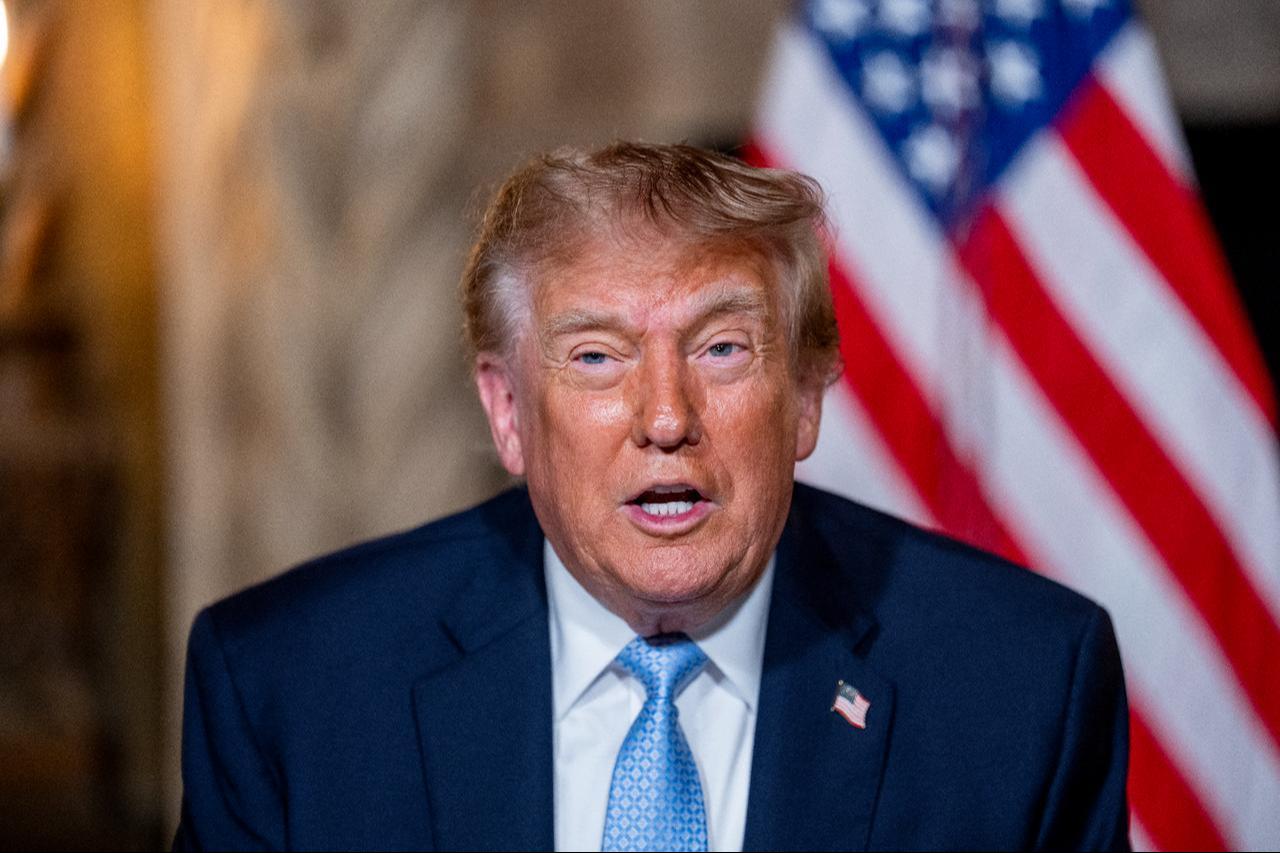

Following the removal of Venezuelan President Nicolas Maduro in January, U.S. officials discussed the possibility of Caracas withdrawing from OPEC, Reuters reported.
President Donald Trump wanted American oil companies to revive Venezuelan production, viewing OPEC restrictions as a potential obstacle.
Washington also reportedly blocked Venezuela's annual membership payment of approximately €2.8 million ($3.08 million).
The U.S. State Department did not confirm blocking the payment but acknowledged its authority over Venezuelan funds held in a U.S.-controlled account.
An official said lower-level U.S. representatives may have discussed OPEC withdrawal, but senior officials had not pursued the issue.
OPEC does not plan to expel Venezuela over unpaid dues, sources said.
Venezuela, currently exempt from OPEC+ production quotas, produced approximately 1.2 million barrels per day in September. State oil company PDVSA aims to reach 1.5 million barrels daily by the end of 2027.
U.S. officials also encouraged Iraqi Prime Minister Ali Faleh al-Zaidi to consider leaving OPEC as Exxon Mobil and Chevron prepared major investments in Iraq.
Zaidi raised the proposal at a government meeting, but Iraq's Oil Ministry opposed withdrawal and recommended seeking a higher production quota instead.
Some members of Iraq's ruling coalition reportedly support leaving OPEC+, which they view as dominated by Saudi Arabia and Russia.
The State Department maintained that its discussions with Baghdad focused on energy infrastructure and production rather than OPEC membership.
Washington retains financial leverage over Iraq because its oil revenues pass through an account at the Federal Reserve Bank of New York, an arrangement dating to the 2003 U.S. invasion.
Earlier this year, the U.S. threatened to restrict Iraq's access to those revenues unless Baghdad reduced Iranian influence. There is no indication Washington blocked Iraq's OPEC dues.
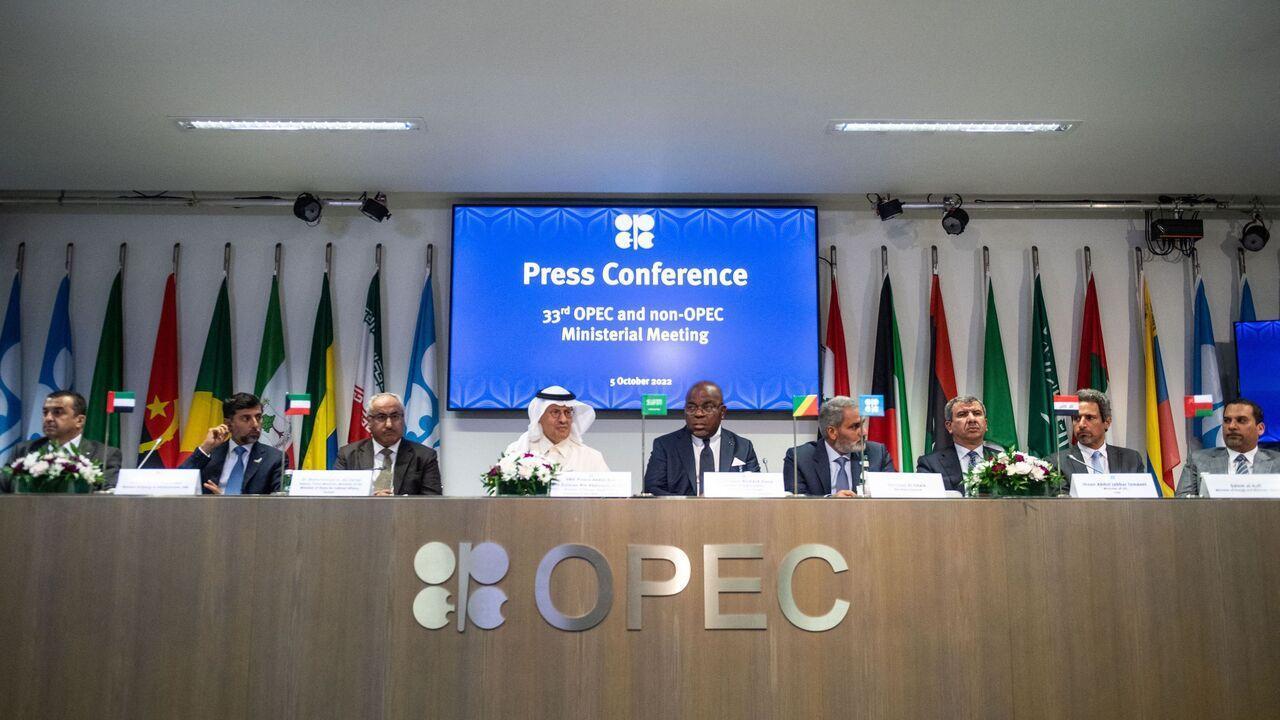
Founded in Baghdad in 1960 by Iraq, Iran, Saudi Arabia, Kuwait and Venezuela, OPEC now has 11 members and coordinates production with other countries, including Russia, through OPEC+.
Trump has repeatedly accused the organization of keeping oil prices artificially high, while the U.S. has become the world's largest oil producer.
"The risk of OPEC fracture is rising," said Dan Alamariu, chief geopolitical strategist at Alpine Macro.
The United Arab Emirates announced its withdrawal earlier this year, following Angola in 2024, Ecuador in 2020 and Qatar in 2019. There is no indication of U.S. involvement in those departures.
OPEC's market share has also declined amid disruptions linked to the U.S.-Israeli war against Iran.
Meanwhile, the U.S. Government Accountability Office opened an investigation in July into Washington's management of Venezuelan oil revenues. The Trump administration says the funds support government salaries and essential services.
OPEC and officials from Venezuela, Iraq and Saudi Arabia did not respond to Reuters' requests for comment. Neither Venezuela nor Iraq has announced plans to leave the organization.


 Set as preferred source
 Set as preferred source


 1 min read
 1 min read