

 Sign in
 Newsletters




Ukraine has expressed regret over the deaths of two Libyan naval officers following drone attacks on Russian vessels near the eastern Libyan city of Benghazi, insisting that the operations targeted Moscow's military assets and were not intended to expand the war beyond Ukraine.
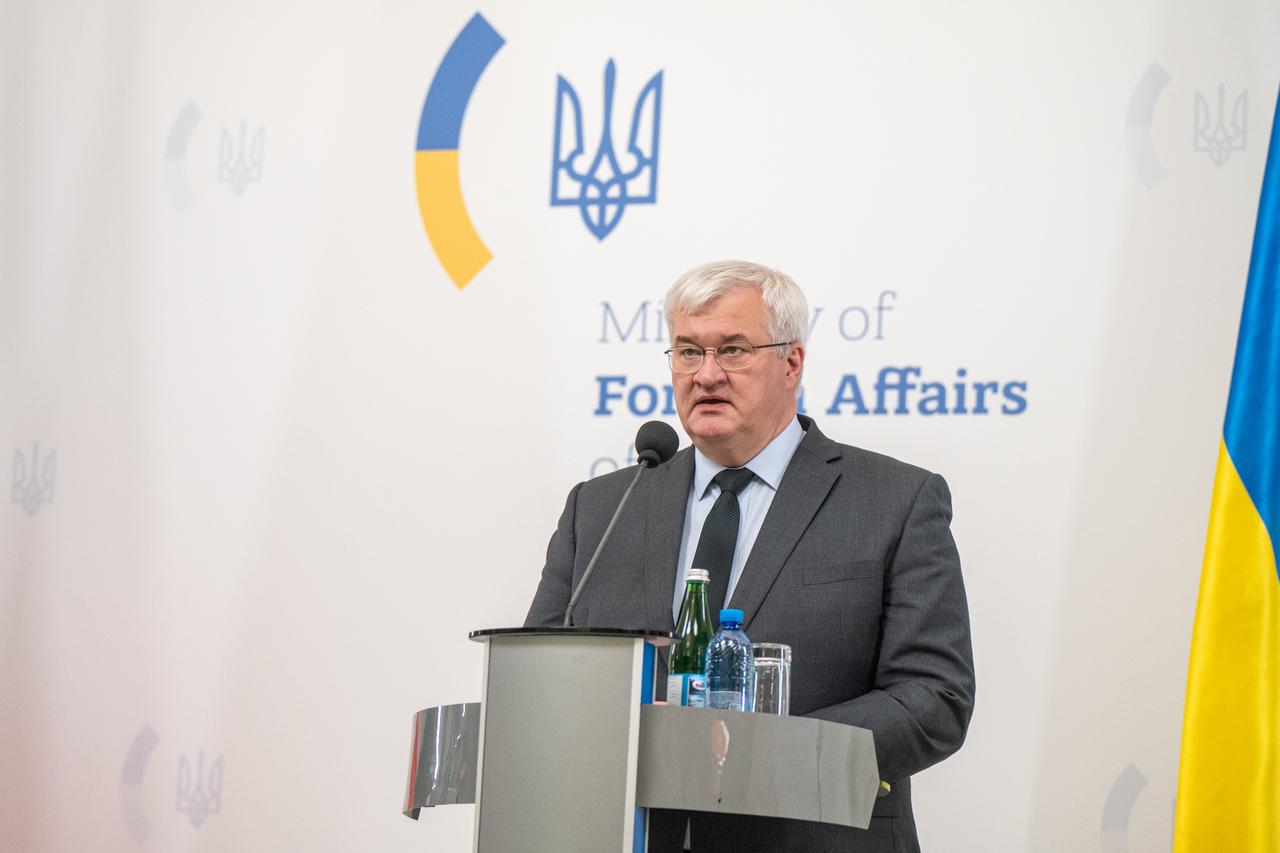
Ukrainian Foreign Minister Andrii Sybiha said Thursday that he had spoken with Libya's acting Foreign Minister Taher al-Baour to address concerns over the weekend attacks, which targeted a Russian warship and a cargo vessel.
"I explained to my counterpart that none of Ukraine's actions have ever been directed against Libya or the Libyan people, only against Russian military objects directly serving Russia’s war against Ukraine, expressed regret over the unintended consequences, and offered proper condolences to the Libyan people," Sybiha wrote on X.
"We have no intention of extending Russia's war against Ukraine to Libya or any other country," he added.
Sybiha reaffirmed Ukraine's support for Libya's sovereignty and territorial integrity, as well as international efforts to reunify the divided North African country.
He also emphasized Kyiv's longstanding relations with Libya and expressed readiness to expand cooperation in trade, healthcare, energy and food security, including Ukrainian grain exports.
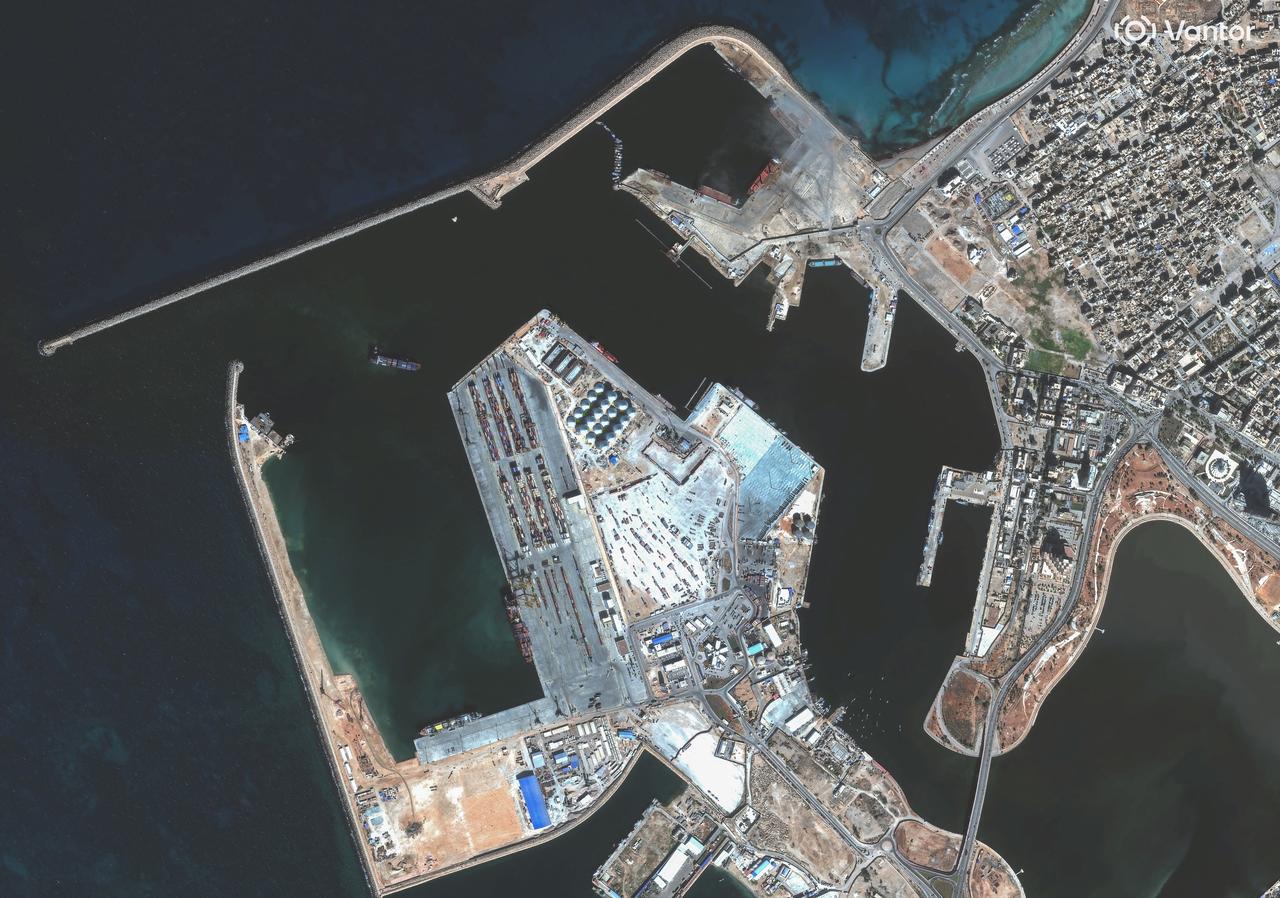

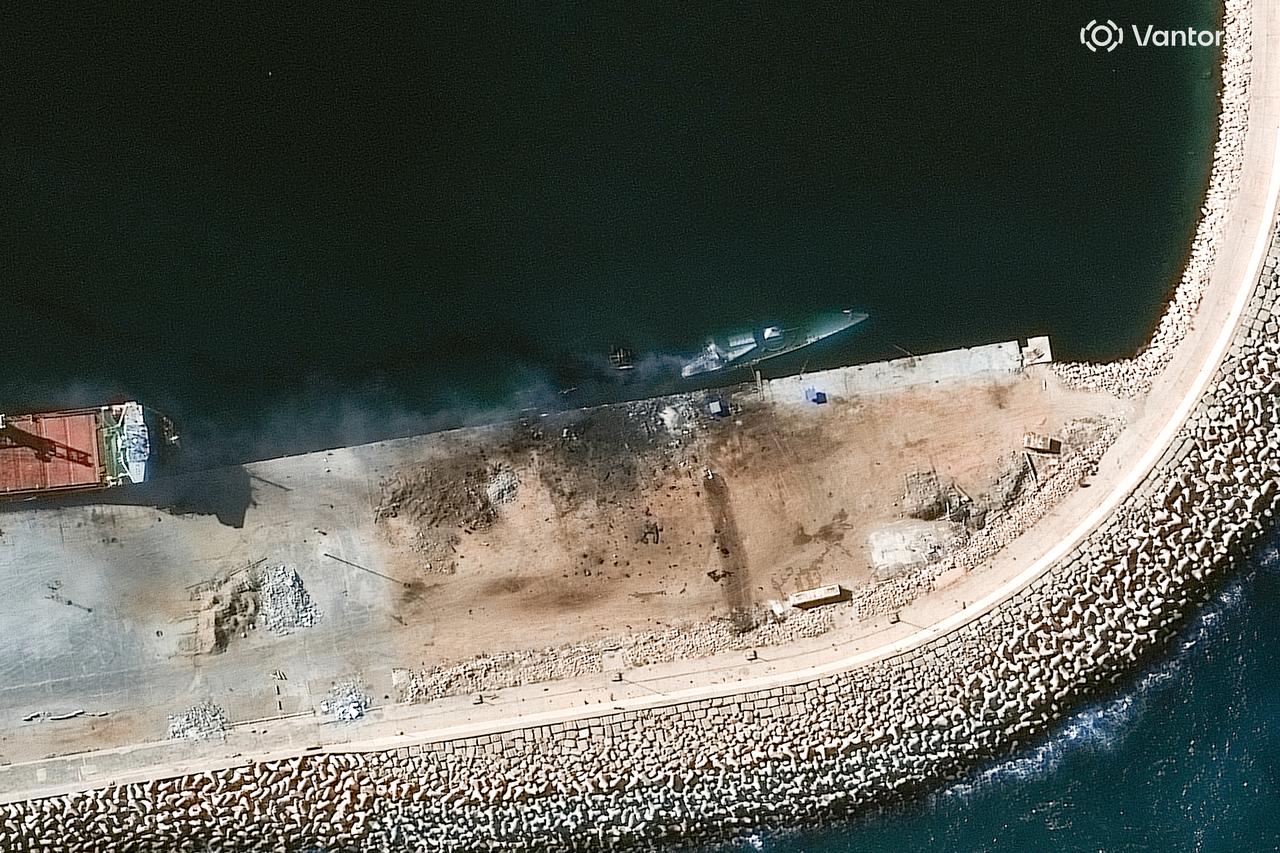
The diplomatic exchange followed Ukrainian drone attacks Sunday targeting two Russian vessels in and around Benghazi, a major port city in eastern Libya.
Ukrainian President Volodymyr Zelenskyy confirmed that Ukrainian forces had carried out the operations, saying they sank the Russian naval corvette Merkury and struck the cargo vessel MV Angara, which he said Moscow used to transport weapons.
The warship was reportedly targeted by naval drones while docked at Benghazi's port before dawn Sunday, leaving 10 people wounded.
A separate attack targeted the Russian cargo vessel off the Libyan coast later that day.
Libya's eastern-based military subsequently announced that two Libyan naval officers had died from wounds sustained during the attack.
Ukraine has maintained that the Russian vessels were legitimate military targets because of their alleged role in supporting Moscow's war effort.
Sybiha previously defended the strikes as an exercise of Ukraine's right to self-defense under Article 51 of the United Nations Charter.
The attacks have nevertheless raised concerns about the potential expansion of the Russia-Ukraine conflict into the Mediterranean.
Both of Libya's rival administrations condemned the Ukrainian operations, raising concerns about violations of the country's sovereignty.
The internationally recognized Government of National Unity, based in Tripoli and led by Prime Minister Abdul Hamid Dbeibeh, demanded an explanation from Kyiv and rejected suggestions that it had cooperated with Ukrainian forces.
Libya's eastern-based administration, led by Prime Minister Osama Hammad and backed by military commander Khalifa Haftar, called for an international investigation into the attacks and an alleged Ukrainian military presence in the country.
The eastern administration also filed complaints with the U.N. General Assembly and Security Council.
The United Nations mission in Libya condemned the attacks and called for an independent investigation while urging all parties to respect Libyan sovereignty.
Libya has remained divided between competing administrations since years of political conflict following the overthrow of longtime ruler Muammar Gaddafi in 2011.
Haftar, whose forces control much of eastern and southern Libya, maintains close military and strategic ties with Russia.
The attacks have placed Ukraine in a diplomatic dispute with both Libyan authorities, even as Kyiv insists that its military operations are directed solely against Russian assets involved in the war.


 Set as preferred source
 Set as preferred source


 1 min read
 1 min read


