Newsletters


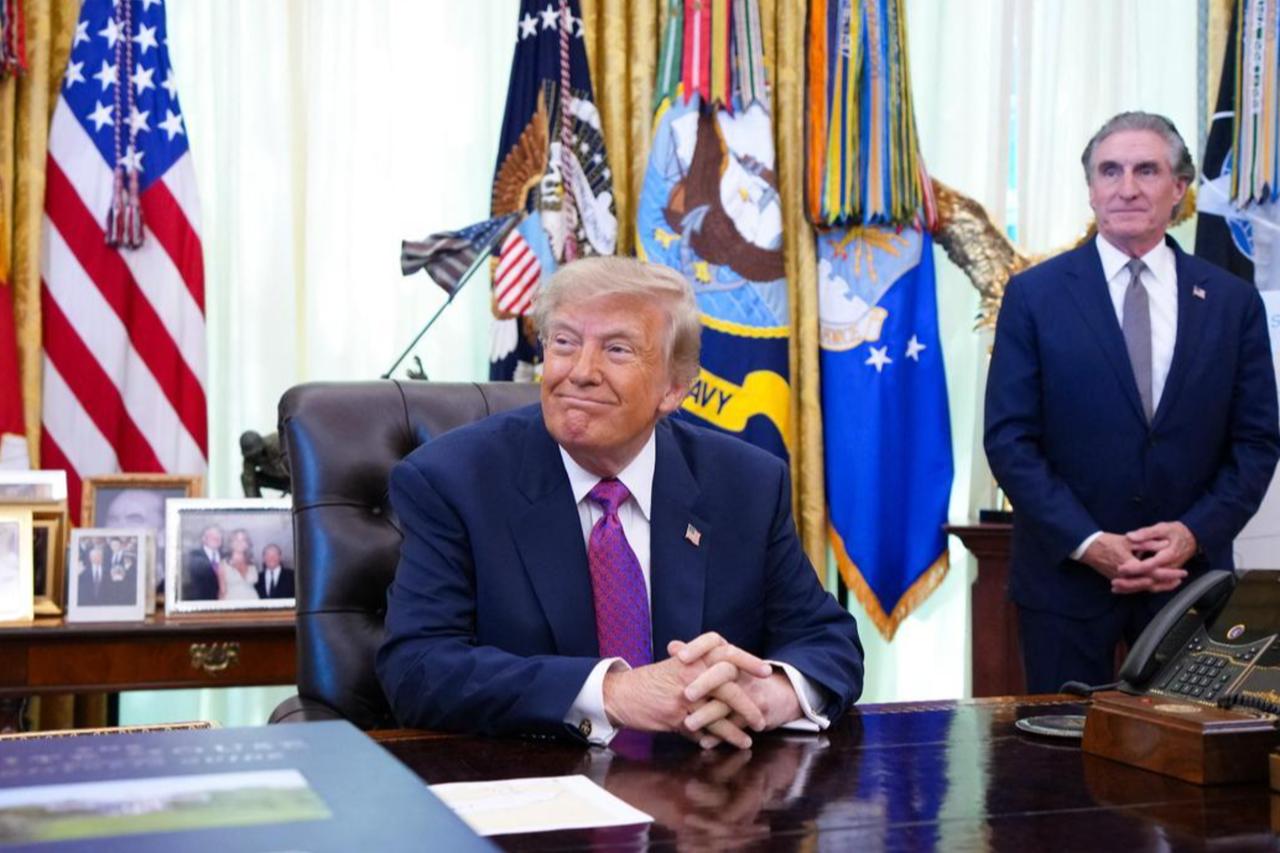


The Trump administration is developing a post-war Middle East strategy centered on containing Iran, expanding regional cooperation among U.S. allies and advancing normalization between Israel and its neighbors, Axios reported, citing two U.S. officials and two other sources familiar with the discussions.
The plan remains in the early drafting stage but is intended to guide U.S. policy in the region after the Iran war ends and through the final two years of U.S. President Donald Trump’s term.
The planning is taking place as two major political events approach: Israel’s Oct. 27 election and the U.S. midterm elections in November.
According to the report, work on the strategy is underway both among senior political officials in the Trump administration and at the working level across government agencies.
Trump has held two meetings with senior advisers in recent weeks in which the strategy and possible ideas were discussed, sources said.
Trump has also privately told people that he is working on “something much bigger” in the Middle East after the war with Iran.
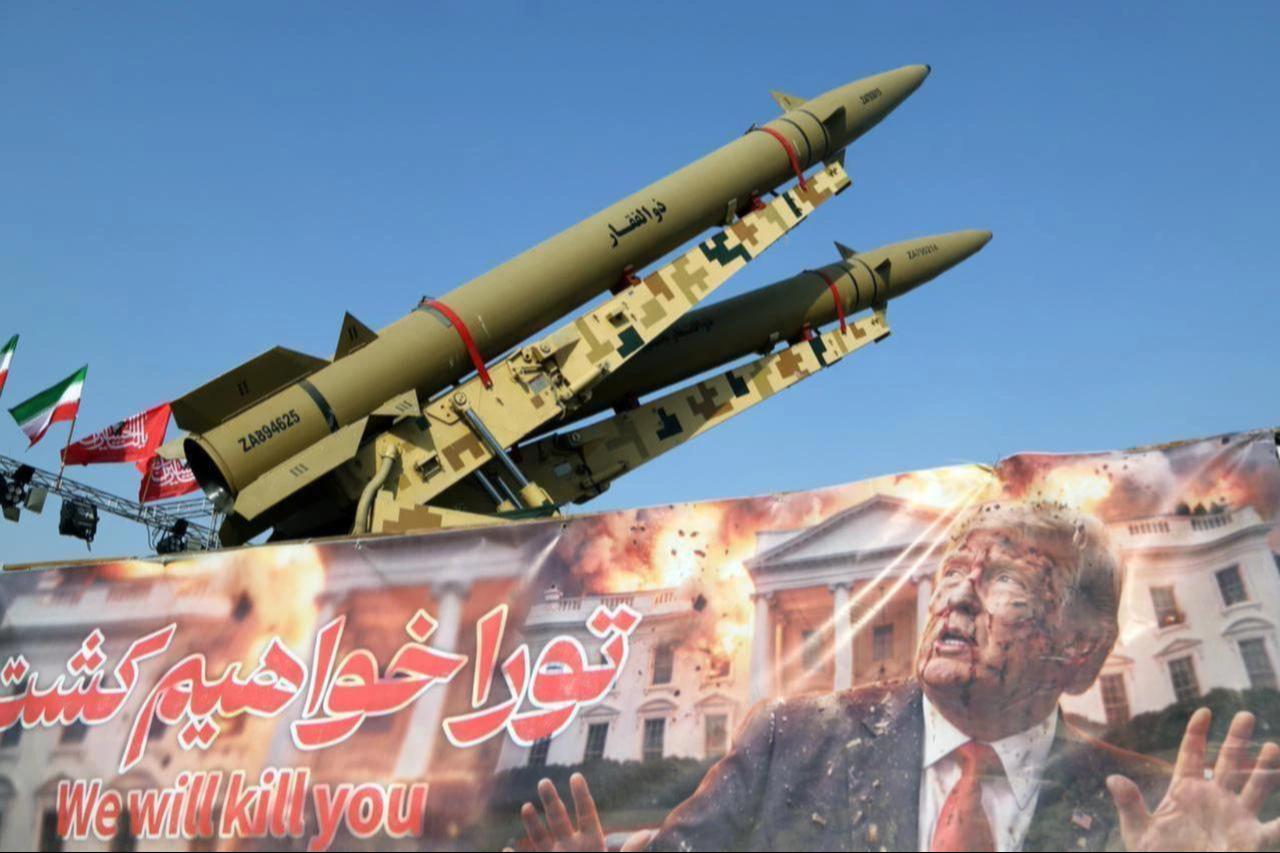

Sources said three main elements have been raised as possible parts of the strategy.
One would involve creating a regional alignment among U.S. allies aimed at containing Iran, with Washington acting as a guarantor.
Another would focus on bringing the regional consequences of the Oct. 7, 2023, attacks closer to a conclusion by advancing the next phase of Trump’s Gaza plan, reaching a security agreement between Israel and Syria and implementing the Israel-Lebanon agreement.
The administration is also considering expanding the Abraham Accords and seeking a normalization agreement between Saudi Arabia and Israel.
The Trump administration hopes that any new Israeli government formed after the Oct. 27 election will be willing and able to cooperate with the strategy.
Some U.S. officials, however, said Trump intends to push ahead with the plan regardless of the Israeli election results, including if the vote produces a political stalemate.
A source briefed on the discussions said drafting the strategy would take several more weeks.
“They are cooking it, but it is not yet cooked,” the source said.
“The idea is to tie a whole lot of things in the region together — how you create a regional alignment after the war,” the person added.
The source said it remains unclear whether all U.S. allies in the region would support the proposed approach.


 Set as preferred source
 Set as preferred source


 1 min read
 1 min read