Newsletters


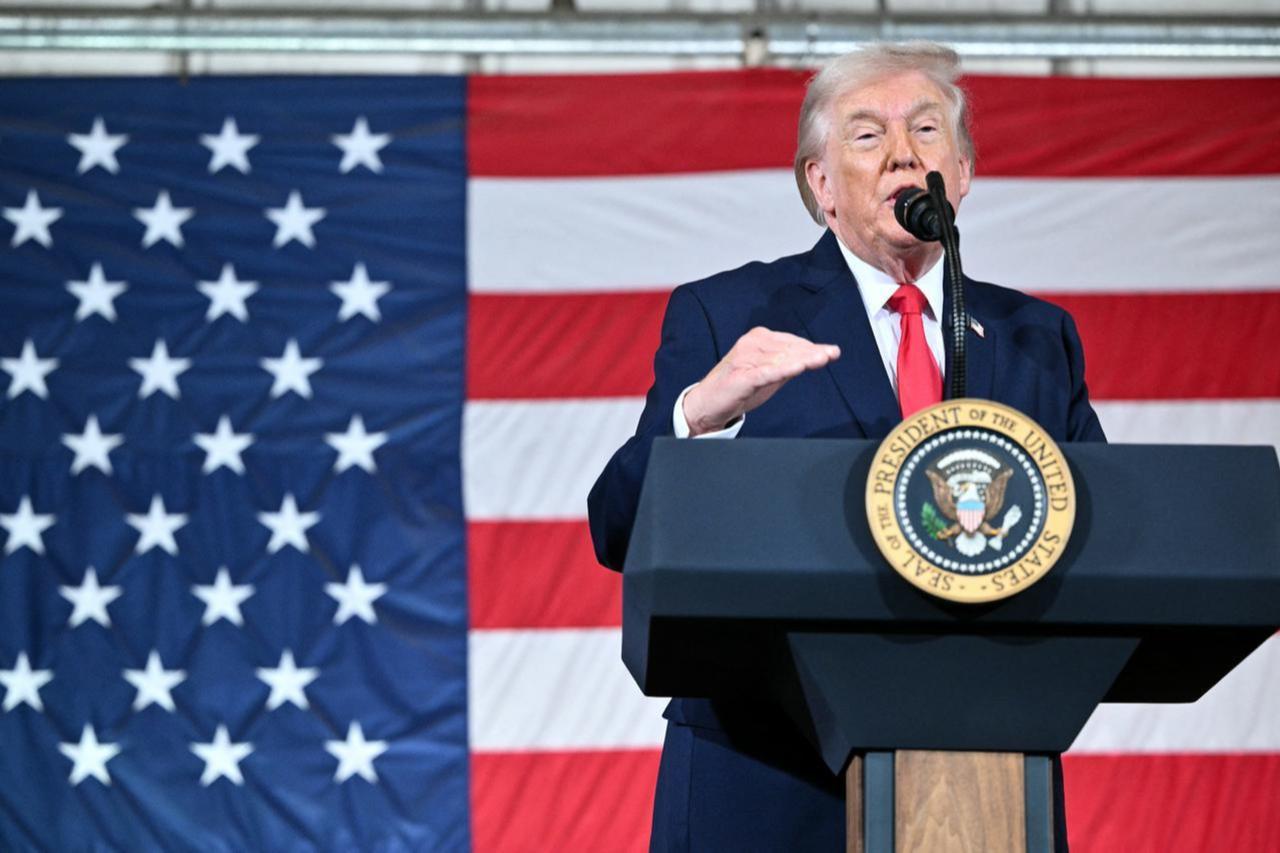


US President Donald Trump called on Hamas to proceed with full disarmament under the postwar Gaza plan on Sunday and announced that members of his "Board of Peace" have collectively pledged $5 billion toward rebuilding the Palestinian territory, ahead of the body's second meeting in Washington later this week.
"Very importantly, Hamas must uphold its commitment to Full and Immediate Demilitarization," Trump wrote on his Truth Social platform, reiterating a central demand of the US-brokered ceasefire agreement reached in October between Israel and the Palestinian militant group.
The demand comes as one of the most contentious sticking points in the fragile peace process. Hamas has repeatedly rejected disarmament as a red line, though the group has signaled a possible willingness to transfer its weapons to a future Palestinian governing authority rather than surrender them outright.
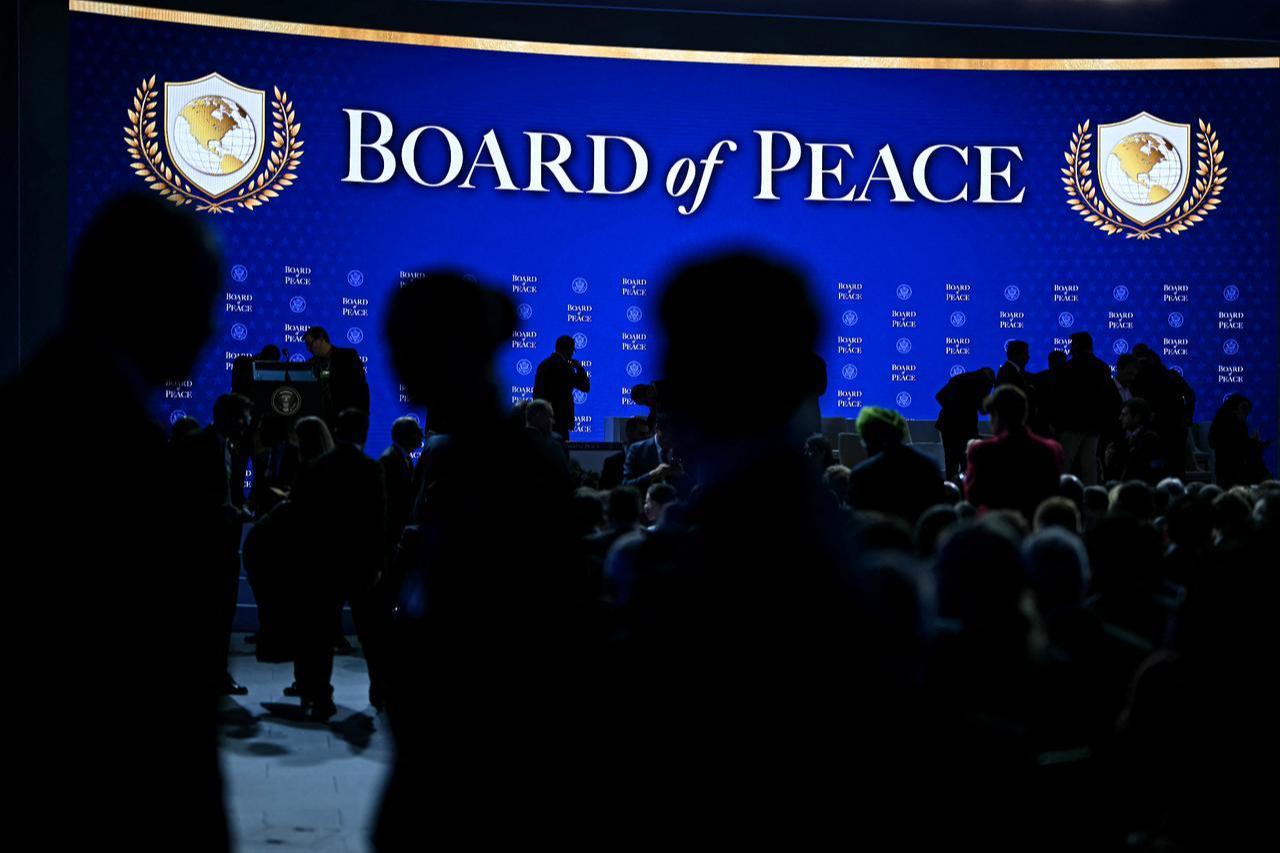

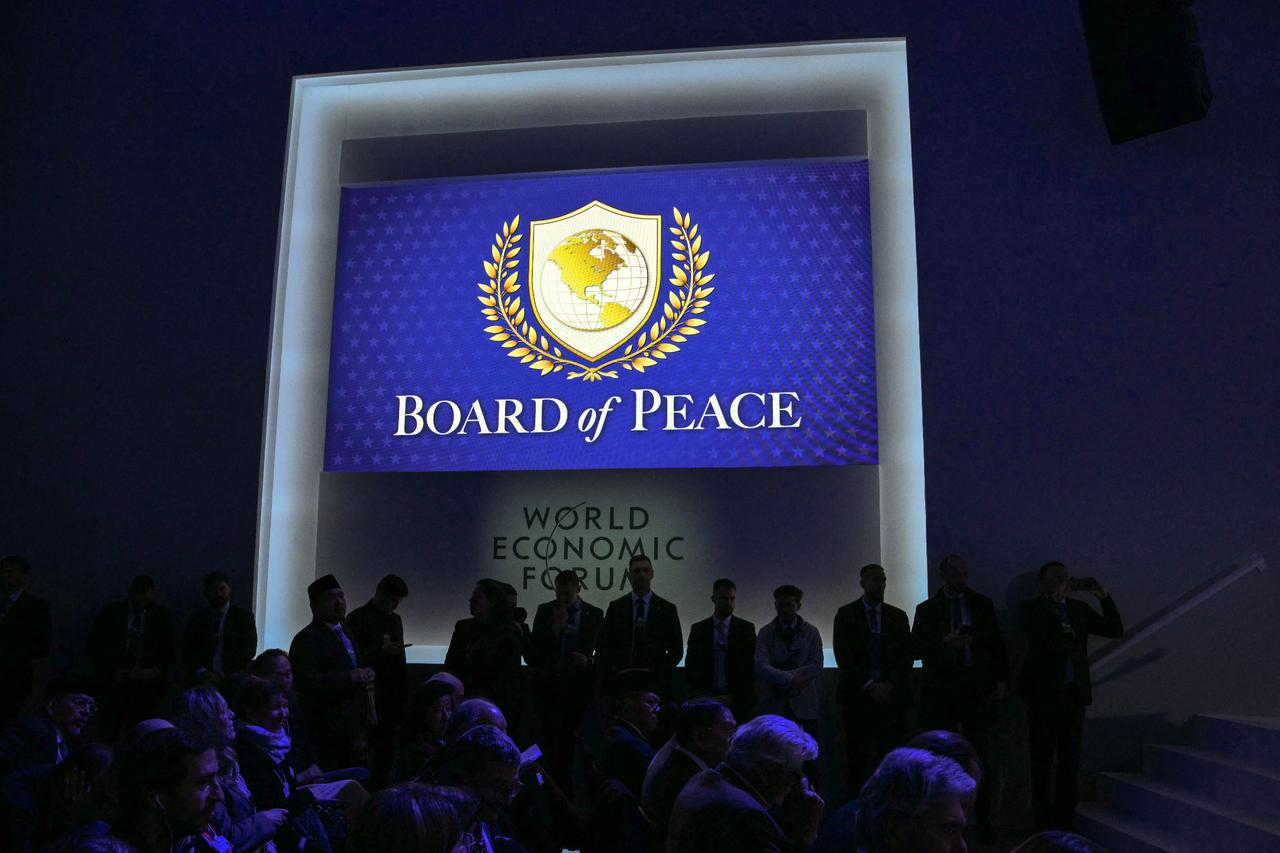
Trump said the $5 billion in financial commitments from Board of Peace member states would be formally announced at the body's meeting on Thursday in Washington, its second gathering after an initial session on the sidelines of the World Economic Forum in Davos last month.
Beyond the financial pledges, Trump said member states "have committed thousands of personnel to the International Stabilization Force and Local Police to maintain Security and Peace for Gazans," a force envisioned under the second phase of the ceasefire agreement.
That second phase calls for the gradual withdrawal of Israeli forces from Gaza alongside Hamas's disarmament, with the international stabilization force deployed to fill the security vacuum. The United Nations endorsed the broader ceasefire plan in November.
Trump cast the initiative in sweeping terms, declaring that "The Board of Peace will prove to be the most consequential International Body in History" and that it "has unlimited potential," language suggesting the organization's ambitions extend well beyond Gaza's borders. The board's charter, although originally conceived to oversee Gaza's reconstruction, does not appear to limit its scope to the Palestinian territory.
Countries have been asked to contribute $1 billion for permanent membership, a price tag that has drawn a select but controversial roster of participants. An invitation extended to Russian President Vladimir Putin, whose country launched a full-scale invasion of Ukraine in 2022, has provoked criticism from Western capitals. Key US allies, including France and Britain, have expressed doubts about the initiative.
Trump has said the Board of Peace will operate "in conjunction" with the United Nations, though the precise nature of that relationship remains undefined.
The diplomatic maneuvering over the board's composition and mandate comes as daily accusations of ceasefire violations continue to fly between Israel and Hamas, casting doubt on the durability of the truce.
Under the ceasefire plan, a Palestinian technocratic committee has been established with the goal of eventually assuming governance over the battered Gaza Strip, where the war triggered by Hamas's attack on Israel in October 2023 has caused widespread destruction and a deepening humanitarian crisis.
Whether the Board of Peace can translate its financial pledges and security commitments into tangible results on the ground will depend in large part on the willingness of both parties to abide by their obligations under the ceasefire framework, and on the international community's appetite for sustained engagement in one of the world's most intractable conflicts.


 Set as preferred source
 Set as preferred source


 2 min read
 1 min read