Newsletters


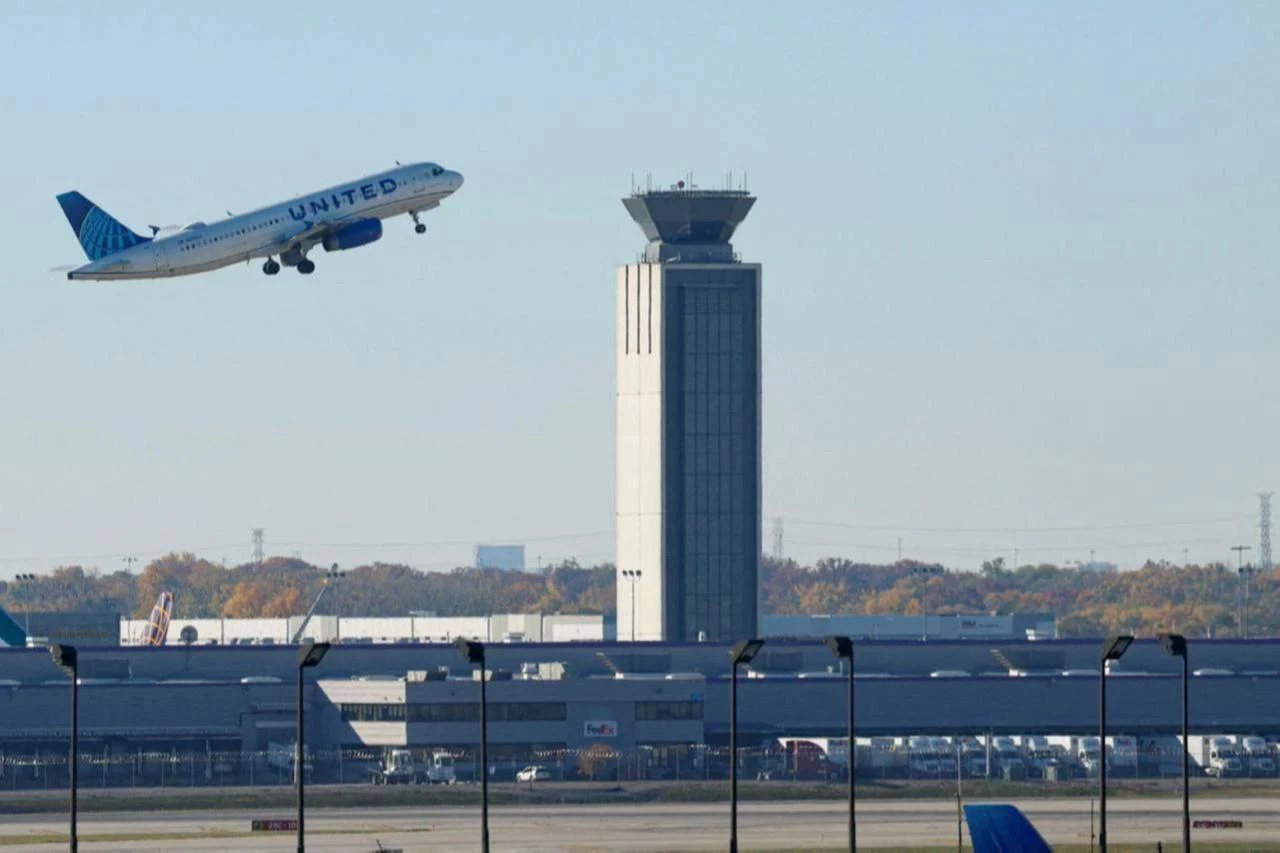


President Donald Trump on Tuesday ordered American airlines to resume direct flights to Lebanon, ending a four-decade ban imposed after a 1985 hijacking that left one American dead and dozens held hostage.
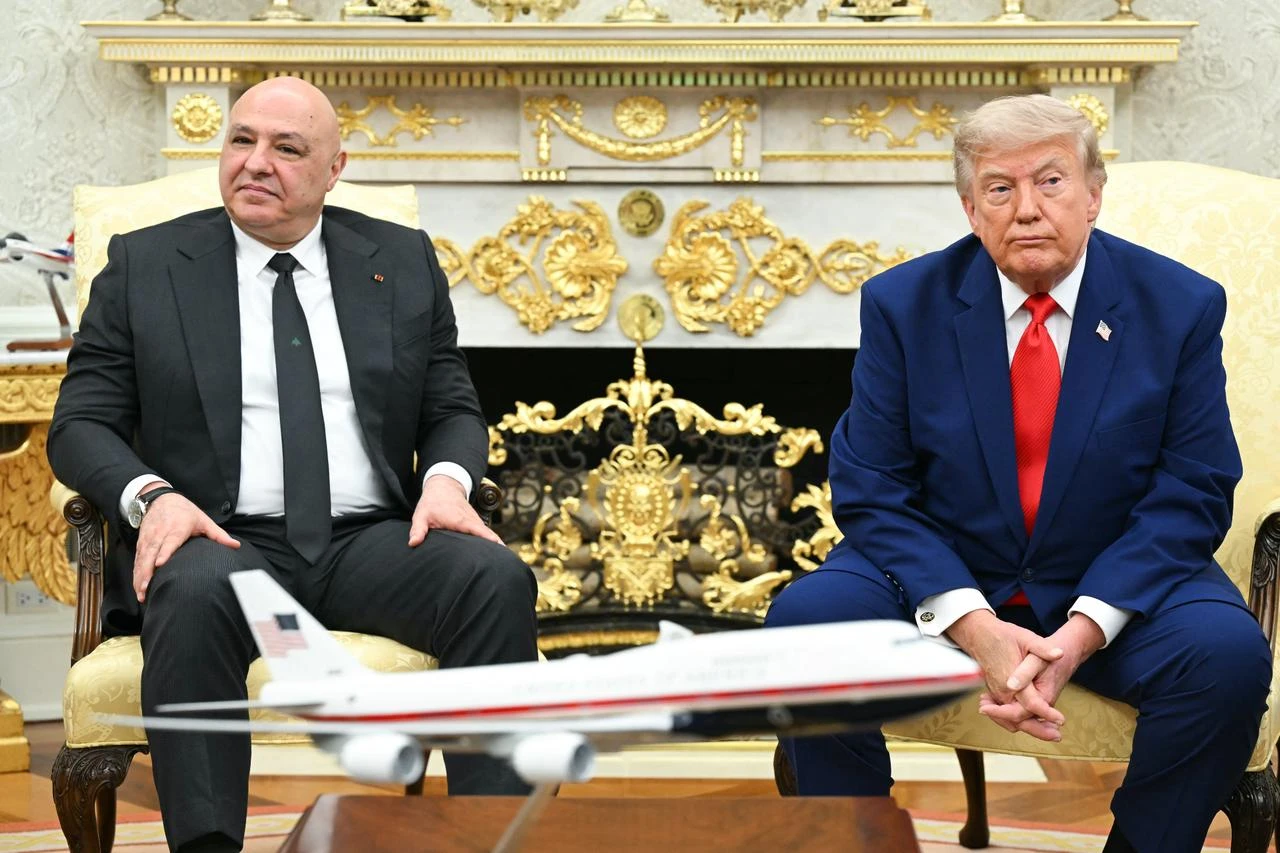
Trump announced the decision on his Truth Social platform following a White House meeting with Lebanese President Joseph Aoun, saying he was directing his administration "to allow all US airline carriers to fly directly to Lebanon so that Americans can easily visit this beautiful land."
He praised Aoun as someone who "has done a remarkable job working to transform his country."
The announcement was welcomed by Lebanese Prime Minister Nawaf Salam, who called it a major opening for his country.
Salam said the move "represents a significant opportunity to enhance travel and connectivity between Lebanon and the United States, and to support the Lebanese economy."
His office added that the government stands ready to carry out all necessary technical and administrative procedures to implement the decision as quickly as possible.
The United States halted direct air service to Lebanon in 1985 following the hijacking of TWA Flight 847 by Lebanese Islamist militants. During the 17-day ordeal, a US Navy diver was killed and dozens of American nationals were held hostage. The episode marked a turning point in US aviation policy toward the region and effectively severed a direct air link between the two countries for nearly 40 years.
Lebanon's Rafic Hariri International Airport in Beirut serves as the country's main gateway, and restoring a direct connection to the United States would significantly reduce travel times for the large Lebanese-American diaspora, which numbers in the millions and maintains deep cultural and economic ties to Lebanon.
Both Lebanese officials framed Tuesday's announcement in economic terms.
Salam described the resumption of direct flights as meaningful not just for mobility but for broader commercial relations between the two nations.
The prime minister thanked Trump directly for the decision, which came in the context of what Lebanese officials characterized as a constructive period in US-Lebanon relations.
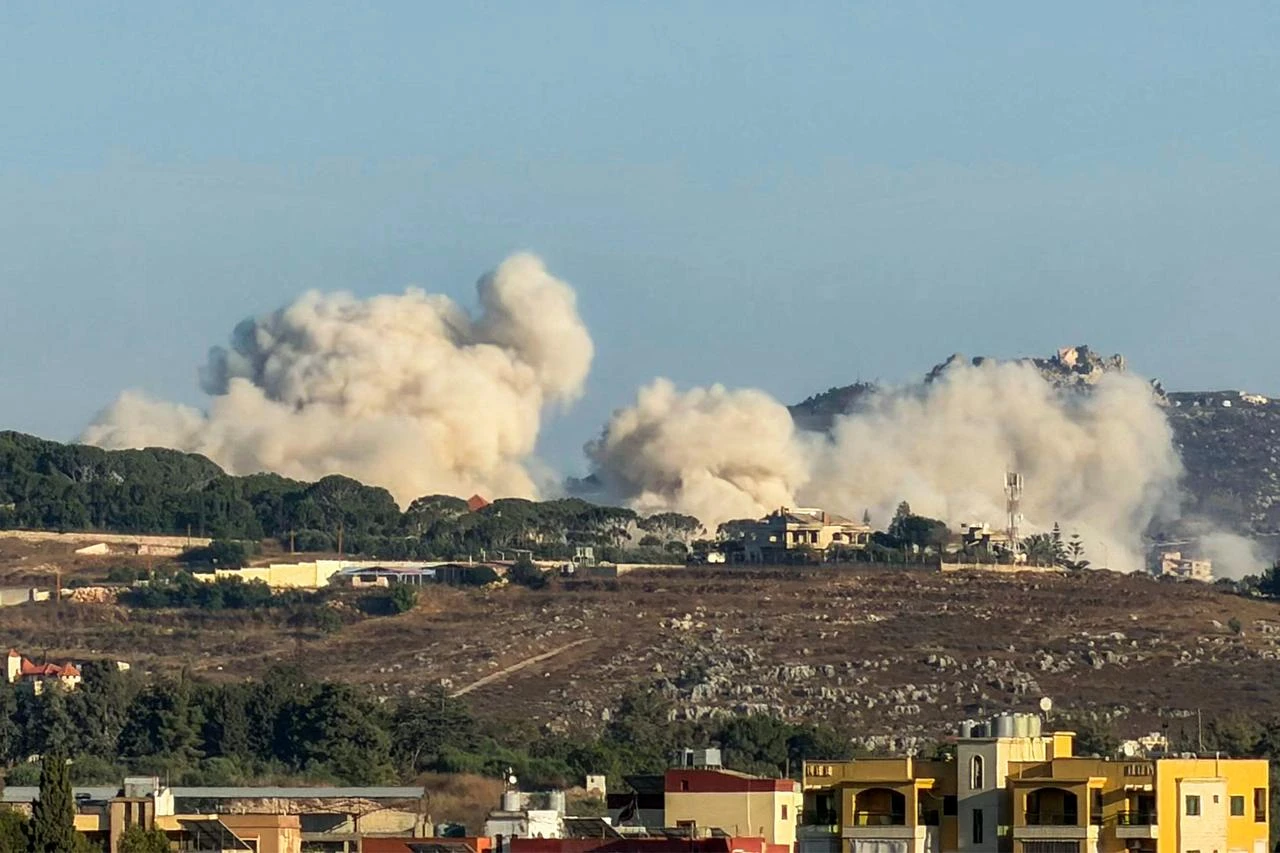
Lebanon has been working to stabilize and rebuild following years of political dysfunction, a catastrophic port explosion in Beirut in 2020 that killed more than 200 people, and a period of renewed conflict in the south of the country.
The election of Aoun as president earlier this year was seen by many observers as a step toward restoring institutional order.


 Set as preferred source
 Set as preferred source


 2 min read
 1 min read