Newsletters


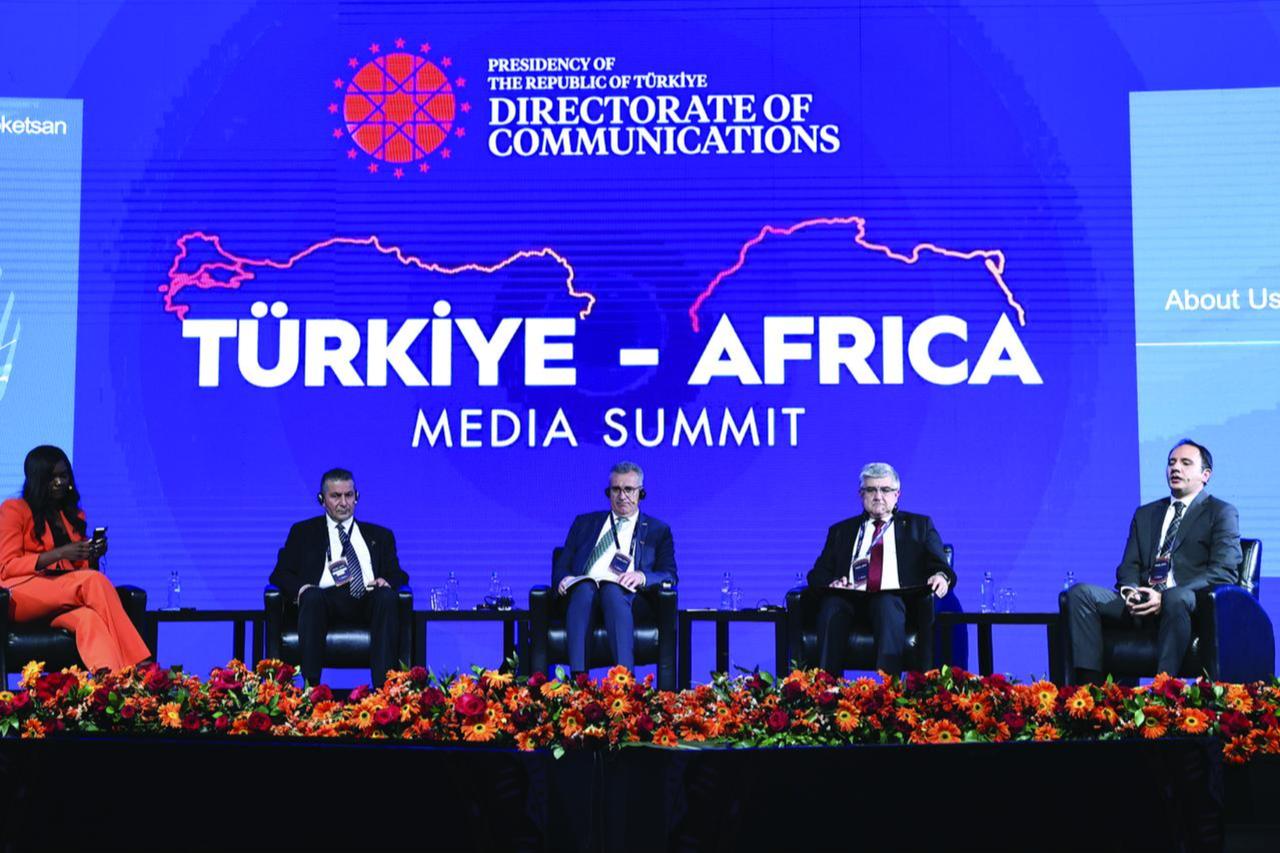


Türkiye’s work in Africa, particularly in mediation and diplomacy, as well as humanitarian aid, development, and capacity building, contributes to peace and stability efforts in different parts of the continent, experts said.
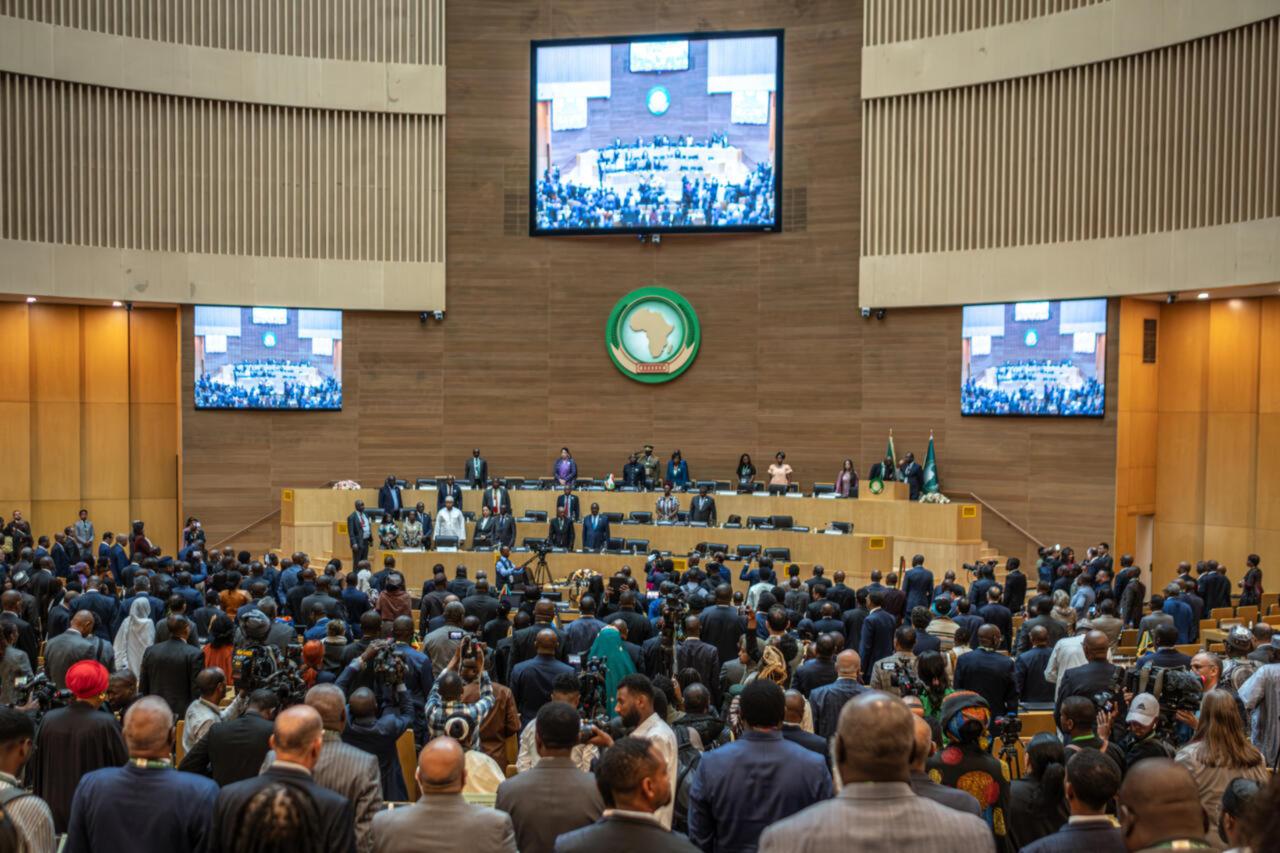
Türkiye obtained observer status with the African Union in 2005 and was declared the continent’s strategic partner in 2008. Peace and security are also among the priority areas of cooperation in the Türkiye-Africa partnership.
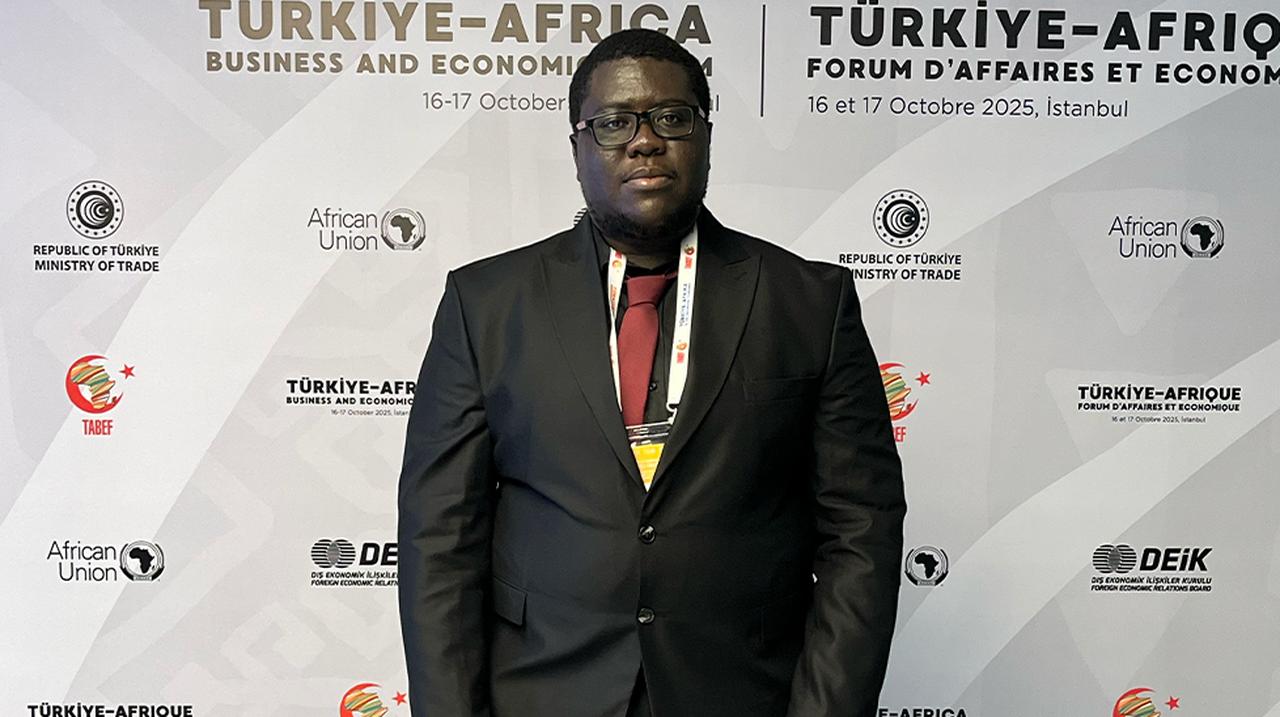
Speaking to Turkish news agency Anadolu on the occasion of Sept. 21, International Day of Peace, African Coordination and Education Center researcher Dr. Alioune Aboutalib Lo and Sudanese academic Dr. Tarik Nur, a faculty member at Bilecik Seyh Edebali University, assessed Türkiye’s efforts for peace and stability on the continent.
Lo said the promotion of peace and mediation had become one of the key elements of Türkiye’s Africa policy over the past 20 years, adding that Ankara had taken part in various processes on the continent at both multilateral and bilateral levels.
Lo drew attention to Türkiye’s contributions to peace activities in Sierra Leone within the framework of initiatives under the United Nations, as well as to the U.N. Multidimensional Integrated Stabilization Mission in the Central African Republic, or MINUSCA, and the U.N. Organization Stabilization Mission in the Democratic Republic of the Congo, or MONUSCO.
At the bilateral level, he said Türkiye uses its diplomacy to bring parties in disputes closer together.
Lo said the Ankara Process between Somalia and Ethiopia was one of the most concrete examples of this, adding that Türkiye also facilitated talks between Somalia and Somaliland, played a role in the Libya file and undertook diplomatic initiatives regarding the Nile waters dispute between Ethiopia and Egypt.
Emphasizing that Türkiye’s relations with African countries over the years have given Ankara the opportunity to speak with different parties, Lo said: “Türkiye’s advantage is that it can talk to all parties involved in a conflict.”
Lo said Türkiye had gained a position to initiate dialogue between different actors thanks to strengthened bilateral relations on the continent and had made mediation one of its diplomatic tools.

Referring to the dispute between Somalia and Ethiopia, Lo said Türkiye’s political, diplomatic and economic relations with both countries were effective in bringing the parties together in Ankara.
The talks, which began in July 2024 under Türkiye’s facilitation, concluded with the Ankara Declaration adopted on Dec. 11, 2024, under the hosting of President Recep Tayyip Erdogan.
Somalia and Ethiopia reaffirmed their respect for each other’s sovereignty, unity, independence, and territorial integrity under the declaration.
Lo also assessed the situation in West Africa and the Sahel, saying the region had become increasingly complex in terms of peace and security and that terrorism was one of the main problems faced by countries there.
Pointing out that Türkiye’s relations with countries in the region had strengthened in recent years, Lo said Ankara had developed ties with West African countries as well as with countries of the Alliance of Sahel States.
Lo said Türkiye’s role in the region extended beyond diplomatic and economic relations to security, adding that some Sahel countries benefit from Turkish defense industry products in developing their counterterrorism capacity.
Sudanese academic Nur said Türkiye’s peace efforts in Africa should not be assessed only through classical mediation activities.
He said diplomacy, development cooperation, humanitarian aid, education, and the development of institutional capacity are also part of long-term peace.
Nur pointed to Somalia as one of the clearest examples of Türkiye’s multidimensional approach, stressing that the Ankara Process also demonstrated Türkiye’s direct facilitation capacity.
“It would be more accurate to assess Türkiye’s role in Africa as a facilitation model that helps parties develop their own solutions, rather than producing a solution on behalf of one side,” Nur said.
Assessing the ongoing war in Sudan, Nur said Türkiye could play a role in creating diplomatic space, delivering humanitarian aid, and supporting an inclusive political process on which Sudanese parties can agree.
Nur said Türkiye could achieve more effective results by acting in coordination with the African Union, the Intergovernmental Authority on Development, the U.N., and Sudan’s neighbors.
“Peace should not be seen as limited only to a ceasefire,” he said.
Nur emphasized that after the war, making Sudan’s state institutions, universities, and education and health infrastructure operational again would be important for sustainable peace.
He said Türkiye could increase its coordination with Africa’s own peace mechanisms, adding that post-conflict reconstruction and human resources development are also among the areas where Türkiye could contribute to peace processes on the continent in the coming period.


 Set as preferred source
 Set as preferred source


 1 min read
 1 min read