Newsletters


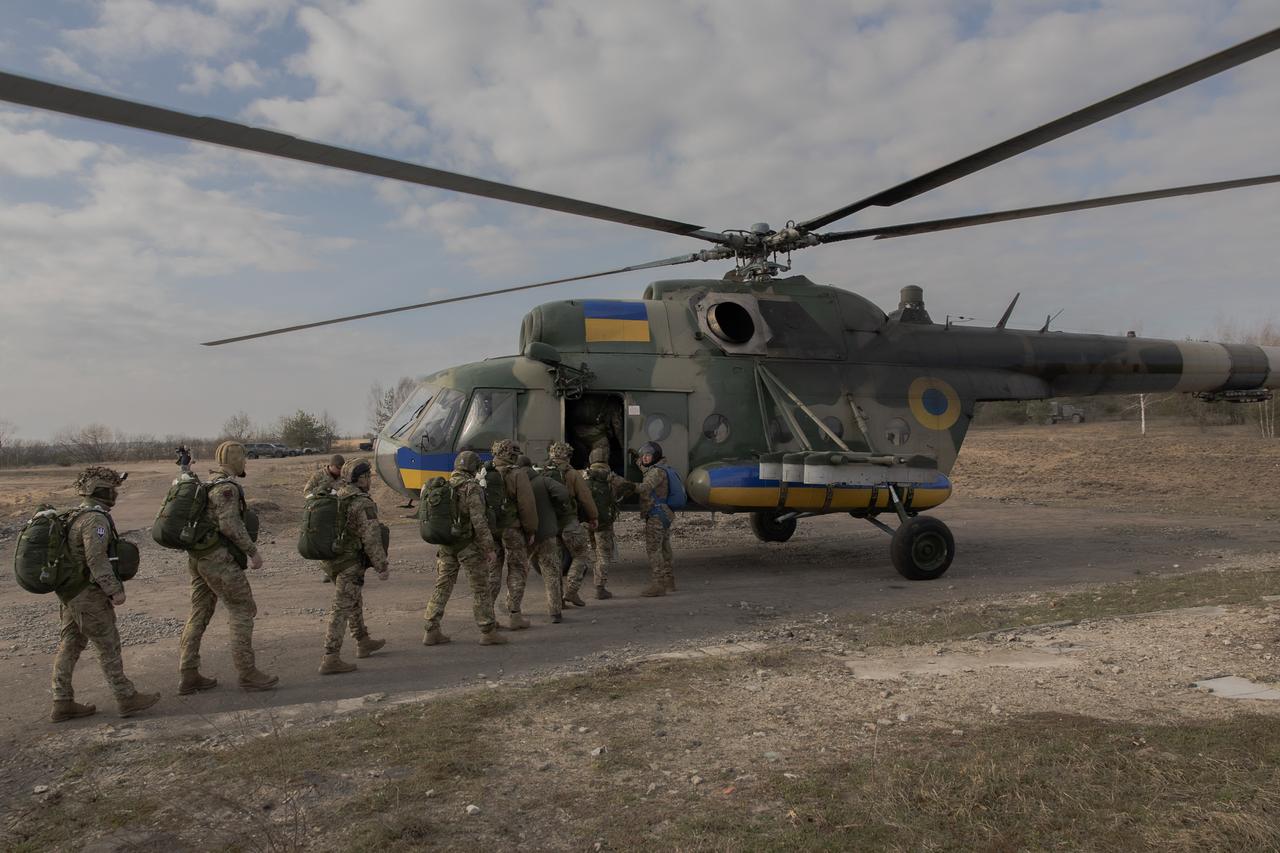


Ukraine peace talks appeared to gain momentum as a top aide to President Volodymyr Zelenskyy stated that a potential deal with Russia may not take long, signaling progress in negotiations to end the war.
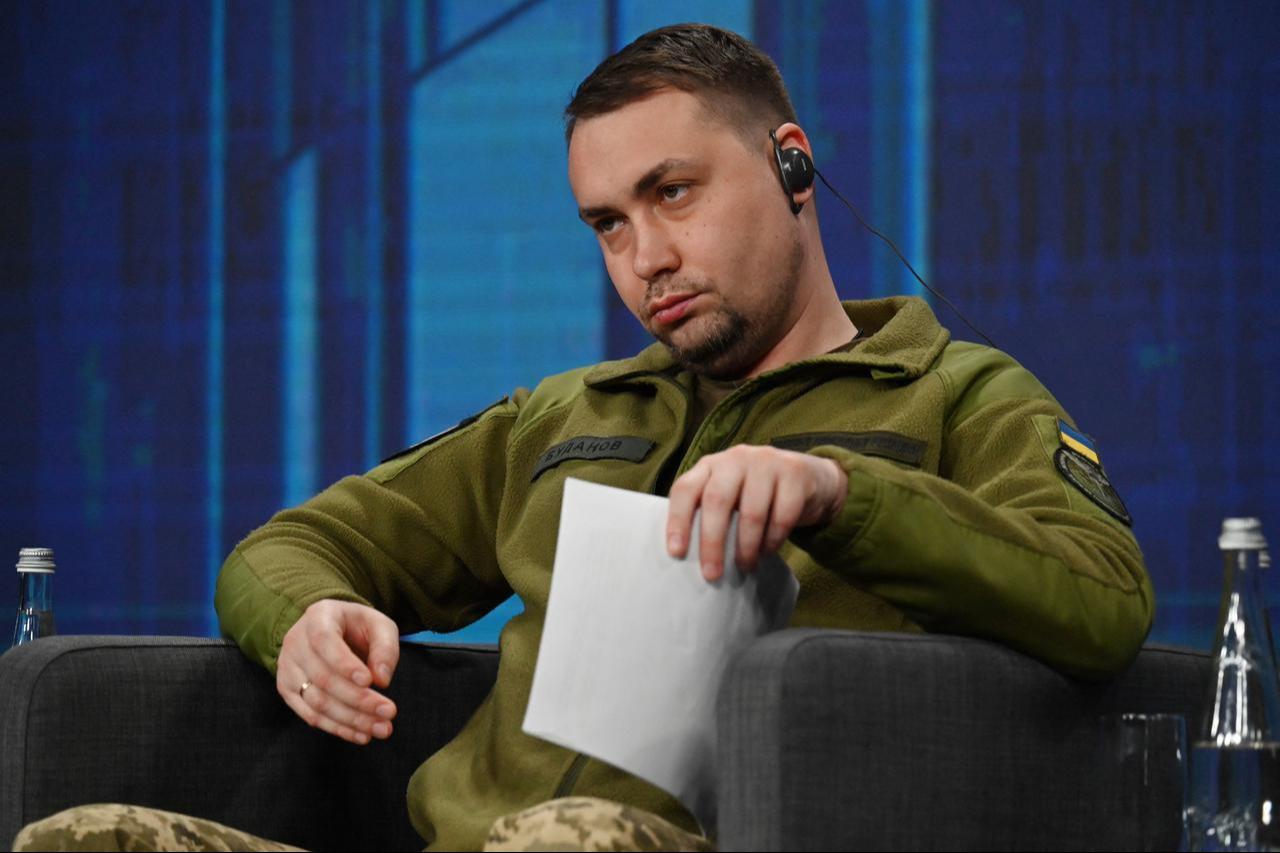
Kyrylo Budanov, a key Ukrainian negotiator, said both sides increasingly recognize the need to end the conflict, now in its fifth year.
"They all understand the war needs to end. That’s why they are negotiating," Budanov said in an April 4 interview with Bloomberg.
"I don’t think it will be long," he noted.
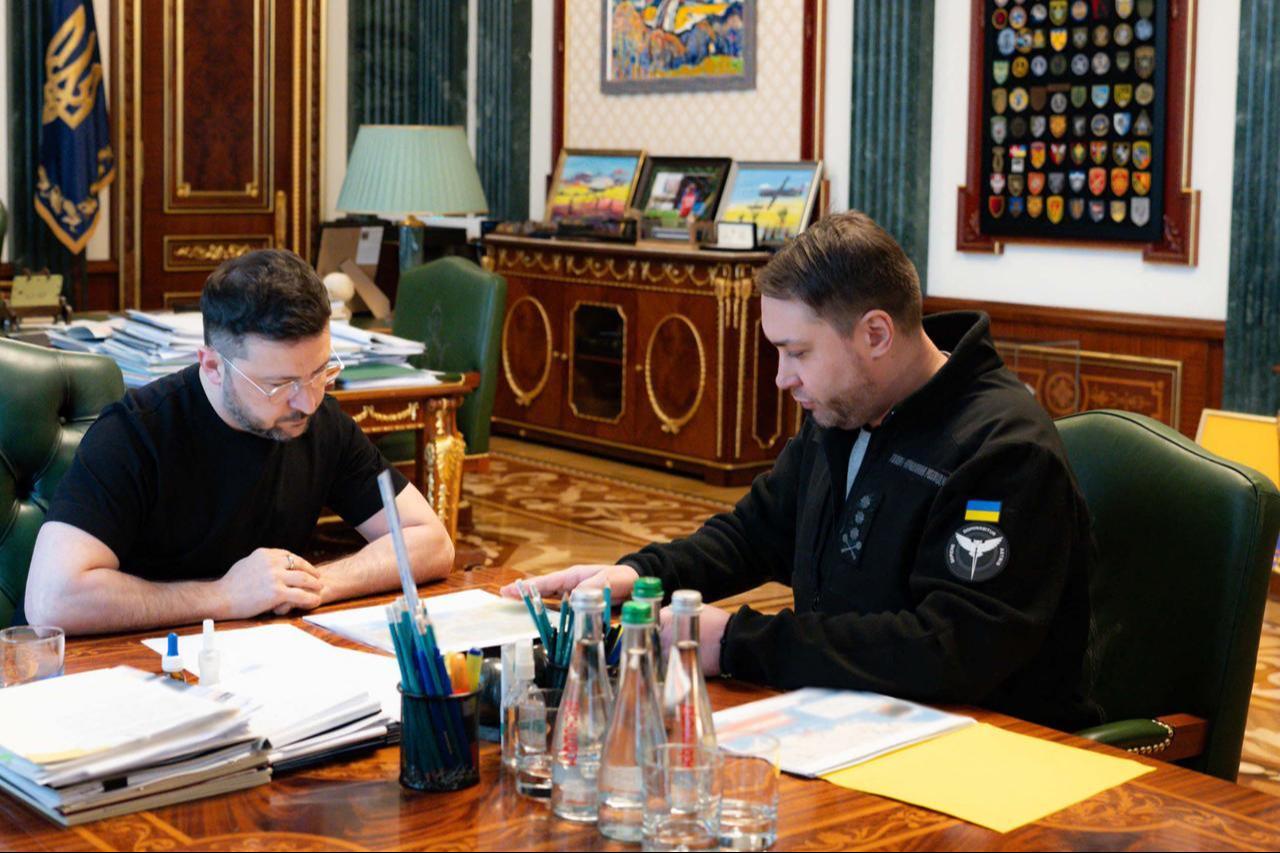

Budanov said negotiations involving Ukraine, the United States and Russia are moving toward a possible settlement, despite limited public breakthroughs so far.
He acknowledged both sides have maintained "maximalist" positions but expressed confidence they will move closer to a compromise.
"No final decision has been made yet," he said, noting, "But, in principle, everyone now clearly understands the limits of what is acceptable. That’s enormous progress."
Budanov also said Russia has incentives to reach a deal, citing the high financial cost of the war.
"Unlike us, they are spending their own money," he said, adding that, "These are enormous sums, already in the trillions."
Despite Budanov’s optimism, people close to the Kremlin said negotiations have seen little real progress, with talks largely stalled over security guarantees for Kyiv.
The people, who declined to be identified, said resolving the conflict would require broader agreement involving the United States and Europe, whose leaders are not aligned on how the war should end.
They said the only tangible outcome so far is that both sides have outlined positions unacceptable to the other.
Russian President Vladimir Putin ordered a temporary ceasefire from 4 p.m. on April 11 through April 12 to mark Orthodox Easter.
Zelenskyy stated that Ukrainian forces would "mirror" Russia’s actions, after previously proposing a truce.
Ukraine’s Foreign Minister Andrii Sybiha noted that a ceasefire is the right strategy to advance diplomacy.
"A ceasefire… will end this war that Russia cannot win and must ultimately end," Sybiha said.
Major disagreements persist, particularly over territory and security guarantees.
Russia wants Ukraine to withdraw from the Donetsk region, including areas not fully controlled by Russian forces, while Ukraine favors freezing the conflict along the current front lines.
Ukraine is also seeking clarity on U.S. security assurances to prevent future aggression.
Budanov said maintaining U.S. involvement in mediation is a key achievement, adding Ukraine expects U.S. envoys Steve Witkoff and Jared Kushner to visit Kyiv, though no date has been set.
Ukraine faces financial strain and risks running out of funds within two months without additional support, while awaiting €90 billion ($105.4 billion) in European Union financing that has been delayed.
Russia is also under economic pressure from sanctions and rising military spending, though higher global oil prices have provided temporary relief.
Budanov said Russia retains a large mobilization capacity, estimating a reserve of 23.5 million personnel.
"There are only two options, war or peace," he said, concluding, "Not just continuing the war, but continuing negotiations."


 Set as preferred source
 Set as preferred source


 4 min read