Newsletters


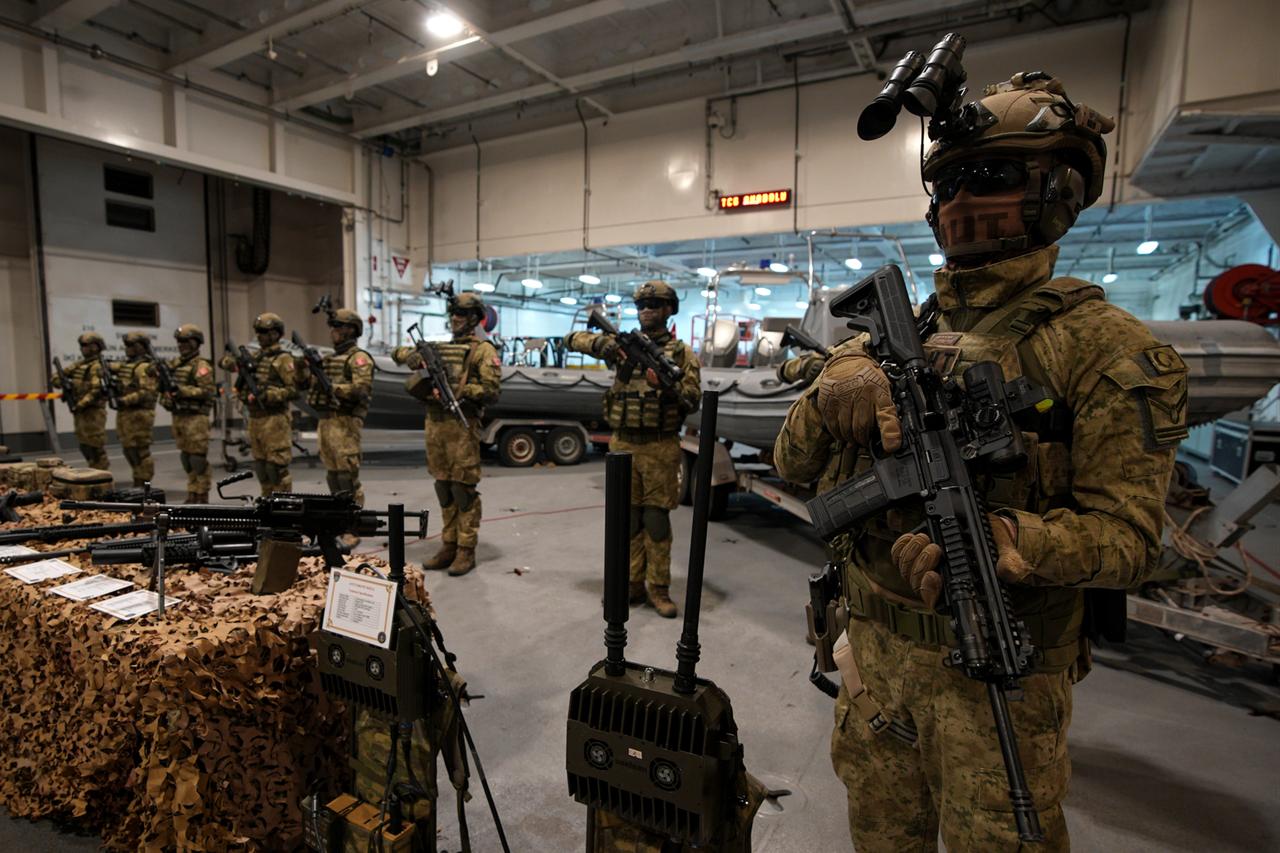


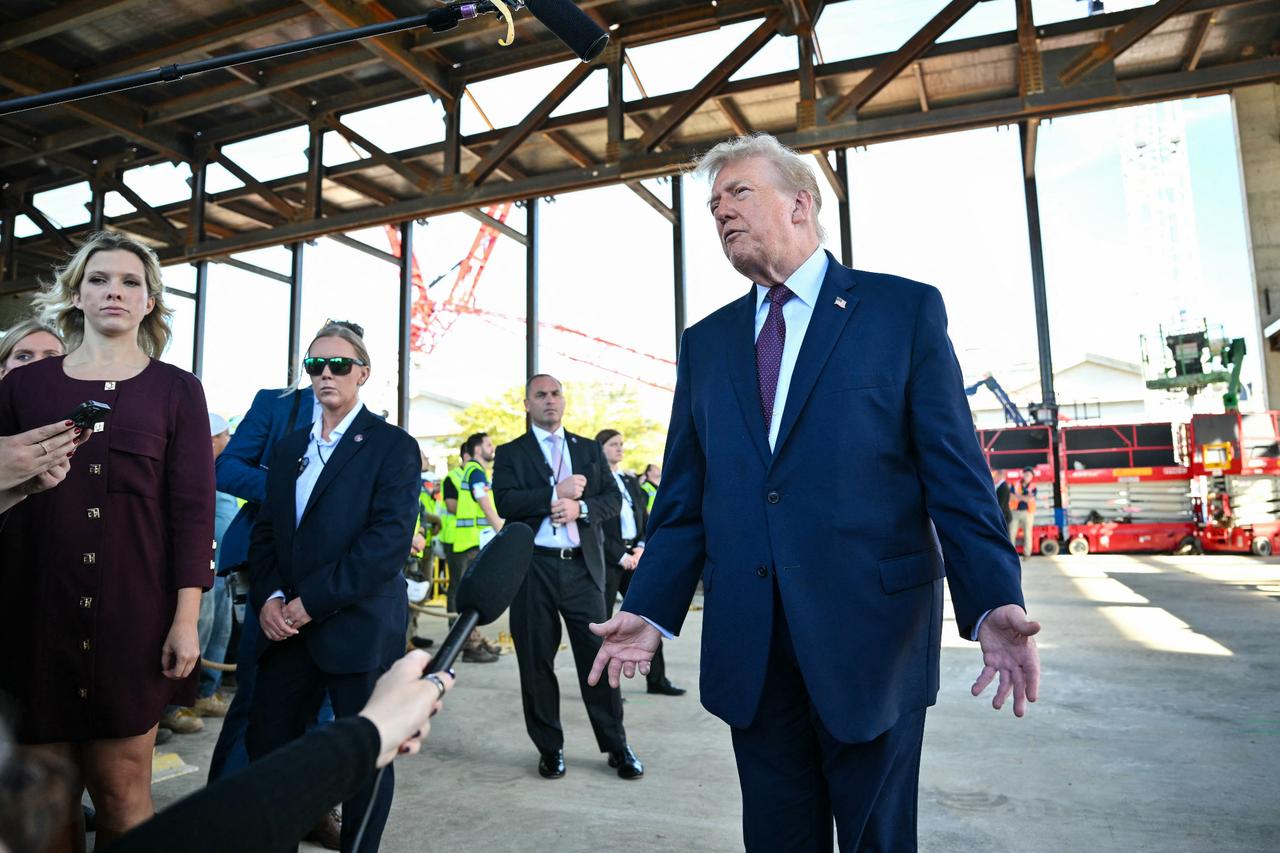
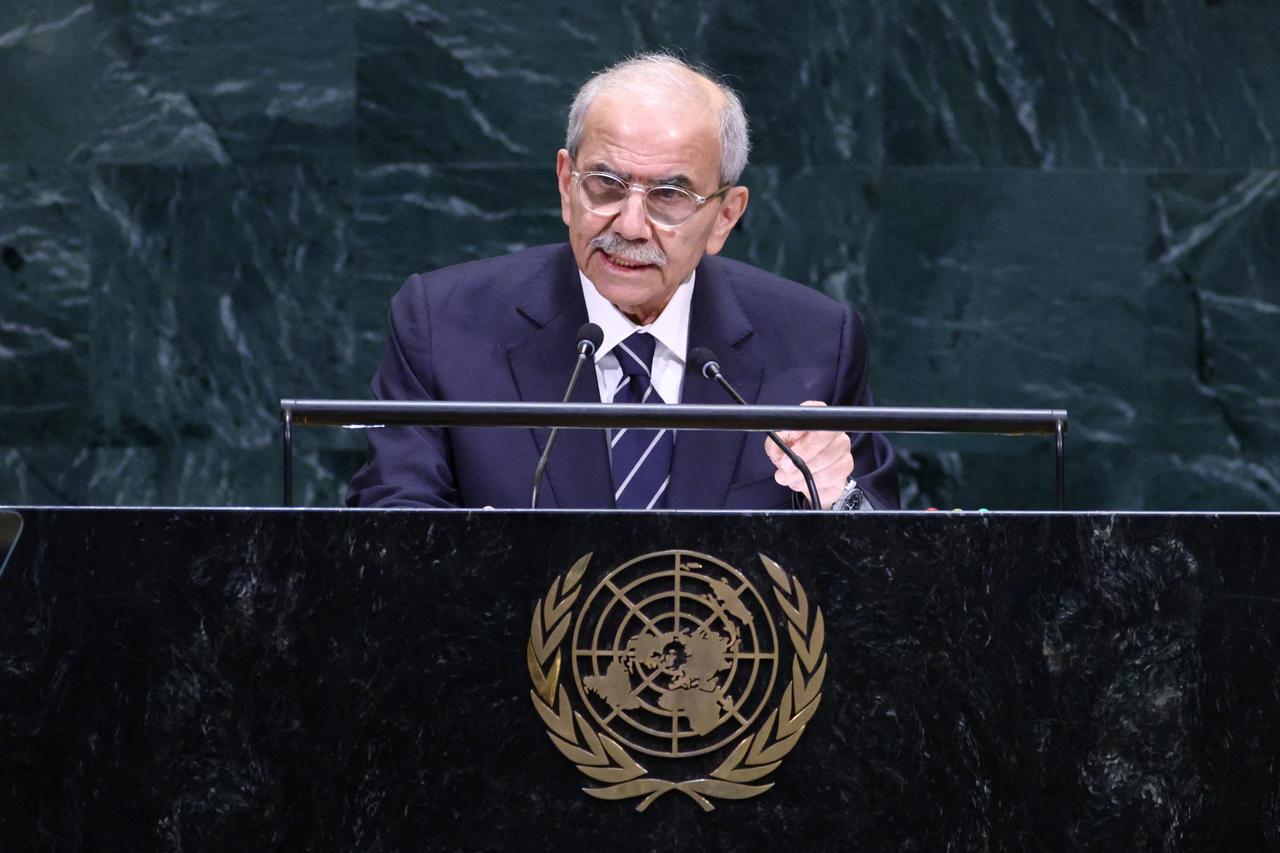
The United Nations (U.N.) Under-Secretary-General for Peace Operations Jean-Pierre Lacroix said Türkiye makes important contributions to U.N. peacekeeping and that the United Nations would be glad to strengthen cooperation with Ankara on training peacekeepers.
"Türkiye plays a very important role in contributing to the training of peacekeeping personnel. If we can do more, we would of course be happy to strengthen our cooperation with Türkiye in this area," Lacroix told Türkiye's state-run Anadolu Agency (AA) on the sidelines of the TRT World Forum in Istanbul.
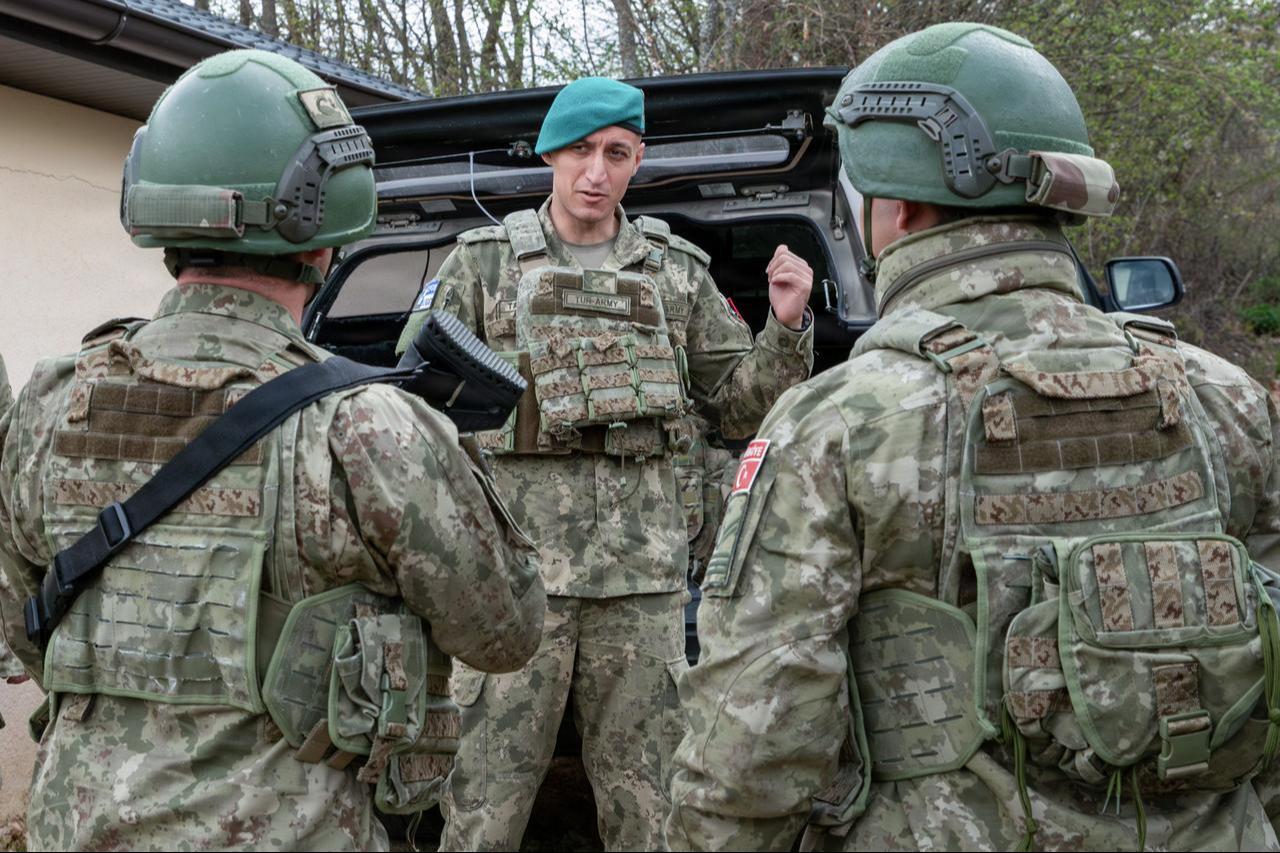
Recalling talks with Turkish officials in Ankara in May, Lacroix said Türkiye contributes not only personnel but also plays a key role in training.
Lacroix said conflicts in the Middle East have global effects, with Iran-U.S. tensions affecting energy prices and the Russia-Ukraine war affecting commodity prices, especially food.
Crises are increasingly interconnected, he said, with a single flashpoint able to have global and regional consequences.
"I believe the only way to successfully deal with crises today is a collective approach. Multilateralism certainly remains critically important, but for it to be effective, some member states must show strong will, determination and willingness to actively support peace efforts. Türkiye is one of these states," he said.
"Of course, in every crisis there are a few countries with special influence or leverage that can be used to support peace efforts. I believe Türkiye has such a position today, as it has in the past. When it comes to regions such as the Black Sea and the Middle East, we rely on these member states, because otherwise the power of the United Nations will be limited only to the willingness and determination its member states show," Lacroix said.

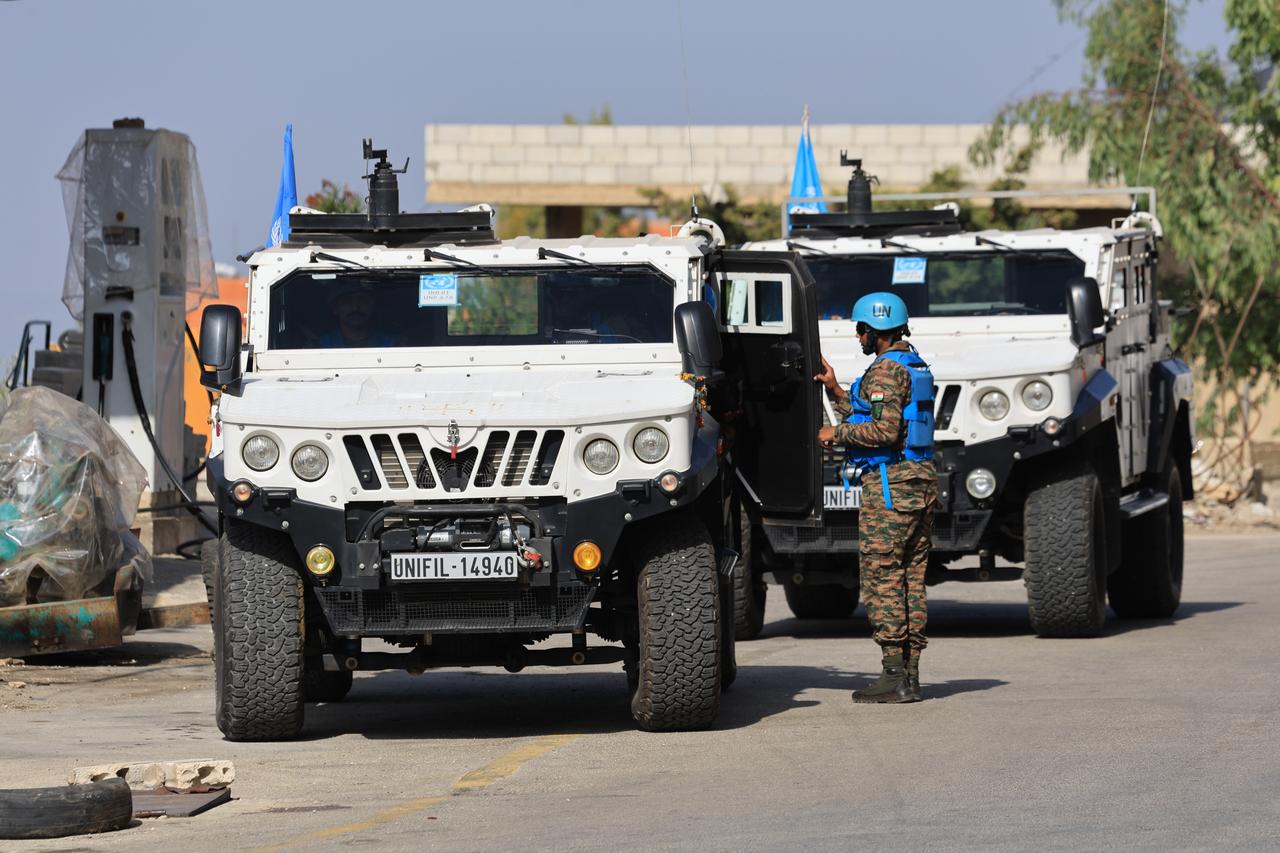
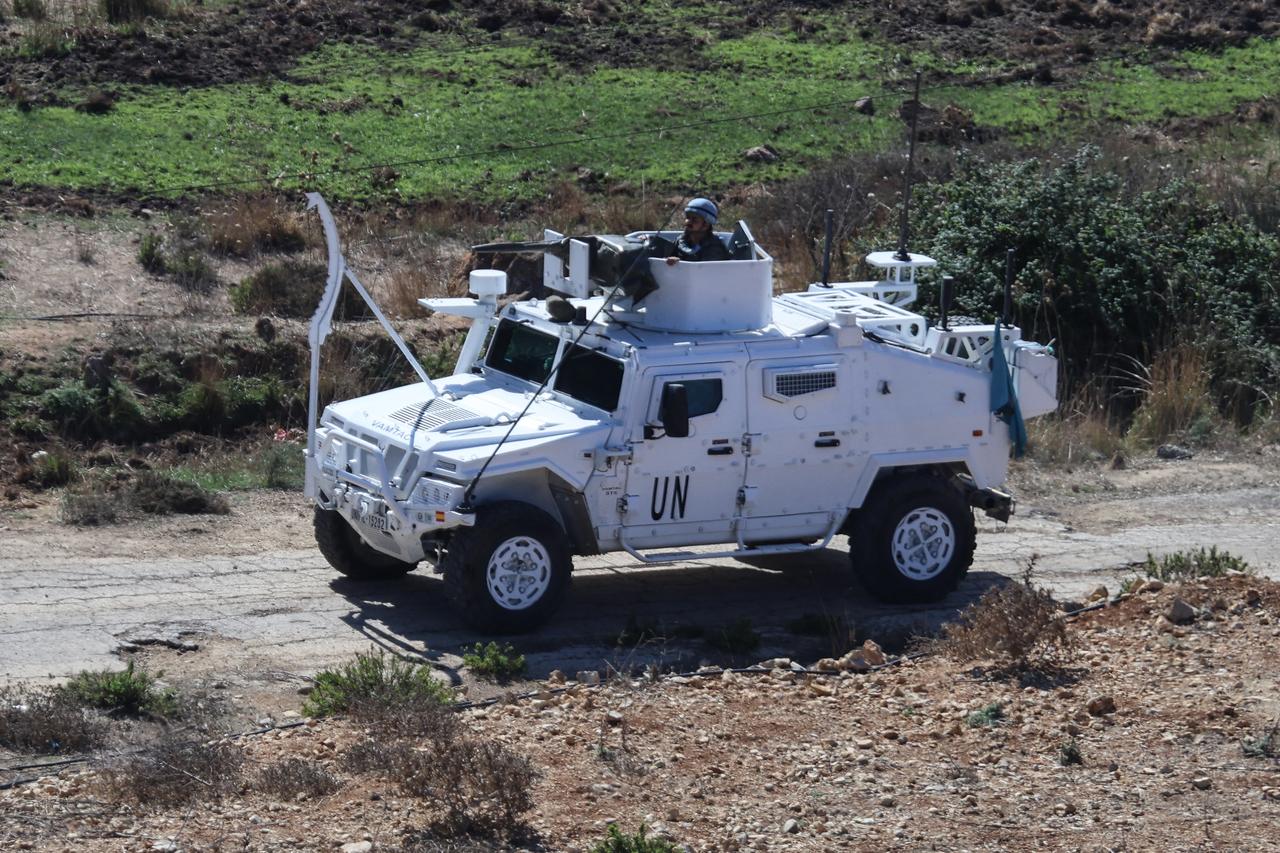
Following the end of the U.N. Interim Force in Lebanon’s (UNIFIL) mandate on Dec. 31, the U.N. Secretariat has submitted proposals to the Security Council for a new U.N. presence, prepared after consultations with Lebanese authorities, Lacroix said.
"We prepared our proposals on the basis of establishing a presence that would carry out observation, monitoring and reporting tasks, and also maintain some capacities needed for humanitarian support and the Lebanese army," he said, adding that the U.N. awaits the Council’s decision.
"I believe maintaining a U.N. presence in the country is necessary, as Lebanon still needs international support," he said.
Lacroix earlier warned that the withdrawal could leave the region more exposed to tensions. "Do we really believe that the Lebanese army and the Israel Defense Forces can be just left facing one another without any third party?" he asked reporters after a Middle East visit, noting that around 10,000 people live between Israel’s forward defense line and the Blue Line. Israel, backed by the U.S., supports ending the mission.
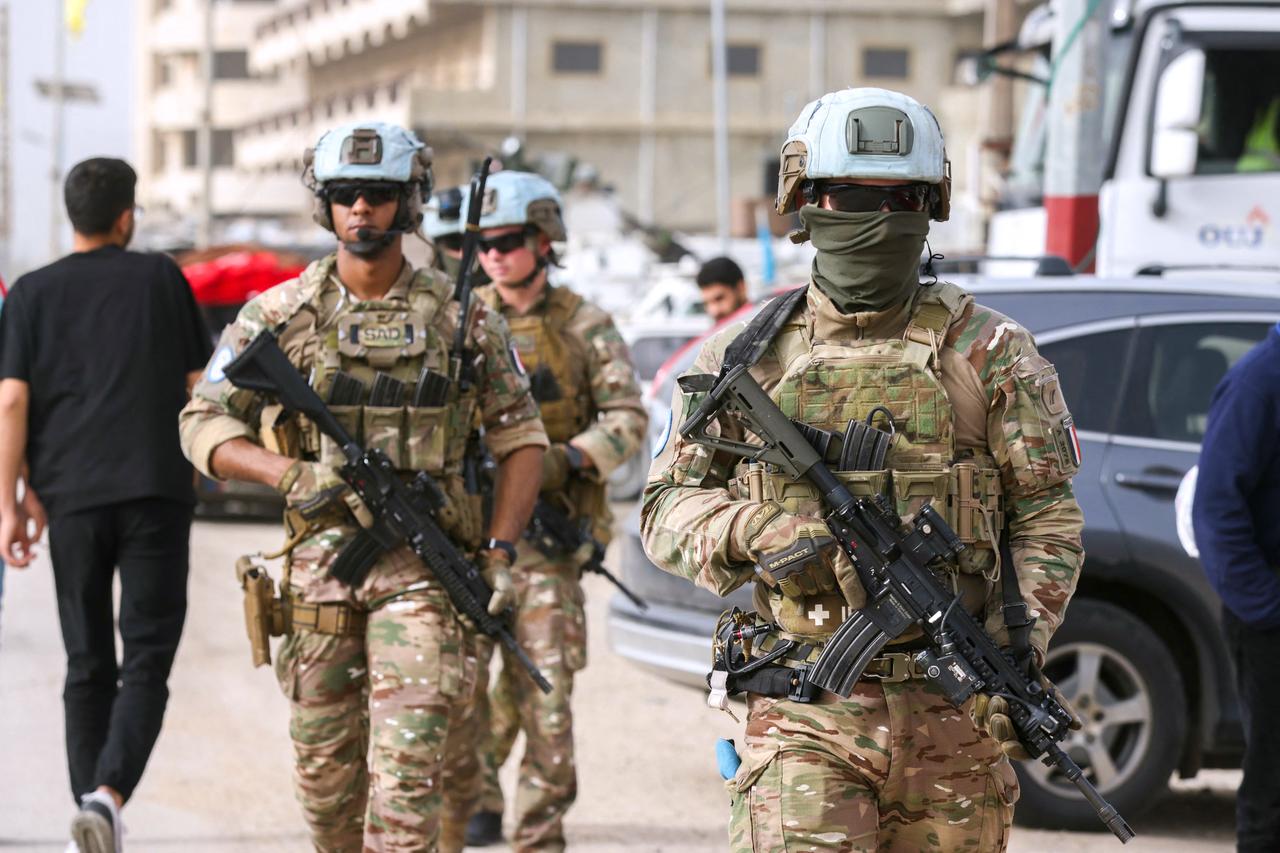
UNIFIL has about 7,500 peacekeepers from around 50 countries deployed along the 120-kilometer (75-mile) Blue Line.
The Security Council established the force on March 19, 1978, after Israel occupied southern Lebanon, and expanded its role under Resolution 1701, adopted unanimously on Aug. 11, 2006, which calls for Israel’s withdrawal behind the Blue Line and for the area up to the Litani River to be free of weapons other than those of the Lebanese army and UNIFIL.
"We also need to adapt our existing peace operations to today’s conditions and be ready to establish new peace operations quite different from those created 50 to 60 years ago," Lacroix said, adding that member states’ political will and adequate funding matter more than new models.
Citing Cambodia, East Timor, Angola, Mozambique, Sierra Leone, Ivory Coast, Liberia and El Salvador as countries stabilized with peacekeeping support, he said success requires a solid peace process, international backing for the parties and a united Security Council.
Peacekeepers protect hundreds of thousands of civilians daily and prevent ceasefires from collapsing, yet their safety is too often endangered, Lacroix said.
"Crimes committed against peacekeepers must be held to account," he said, welcoming a Security Council resolution initiated by Pakistan and Denmark calling for accountability.


 Set as preferred source
 Set as preferred source


 1 min read
 1 min read