Newsletters


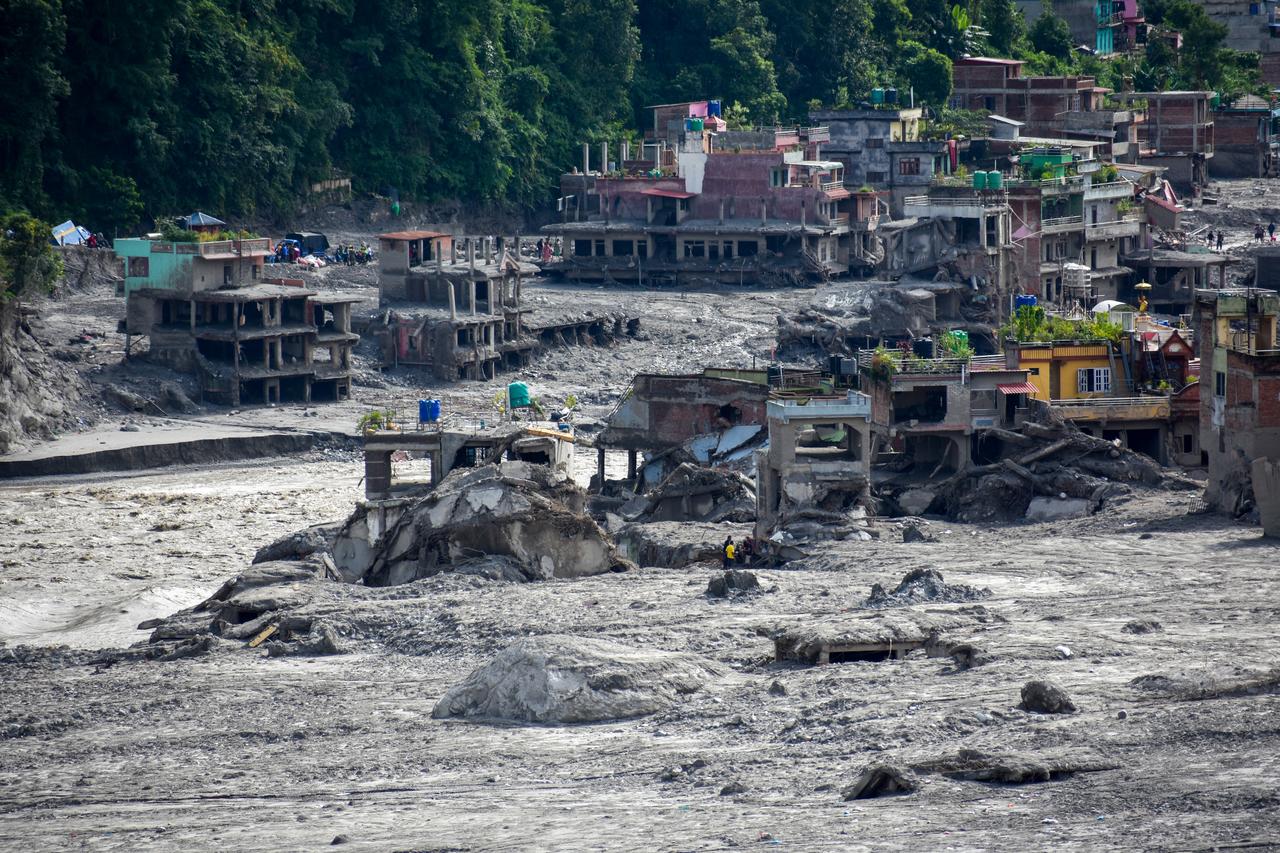


The United Nations said flash floods in Nepal have left behind at least 2.2 million tons of debris, adding that the disaster also caused significant damage to the country's energy infrastructure.
U.N. Deputy Spokesman Stephane Dujarric gave the update during a daily press briefing, noting that relief and rescue operations are continuing intensively following the flash floods.
He said more than 1,000 bodies have been recovered so far, 3,900 people remain missing and roughly 12,000 have been rescued.
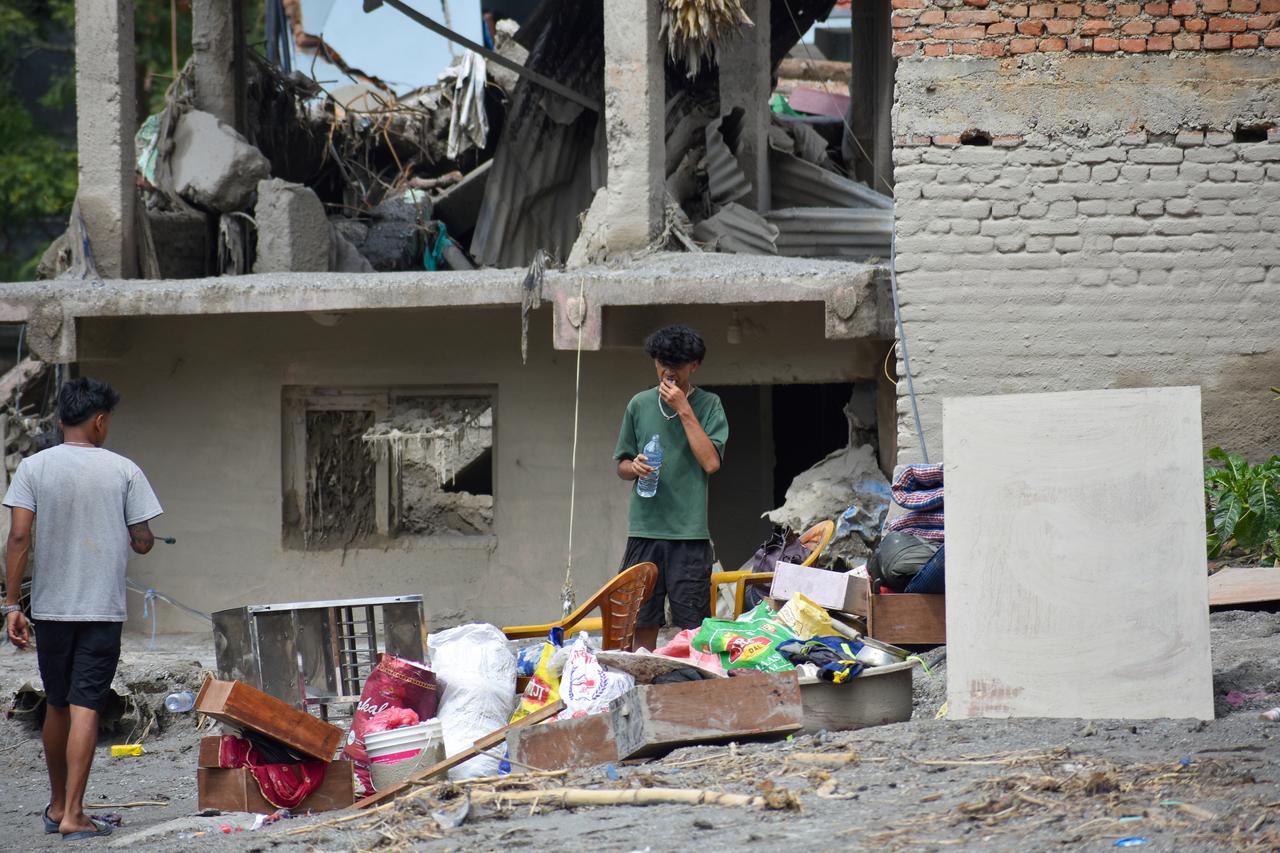

Citing a preliminary assessment from staff of the UN Development Programme (UNDP), Dujarric said the estimated debris includes about 556,200 tons of construction waste, covering more than 2,300 damaged buildings identified through satellite analysis.
"Our humanitarian colleagues say the biggest challenge right now is access," Dujarric said, adding that more than 40 bridges have been destroyed and parts of the country's main highway remain closed.
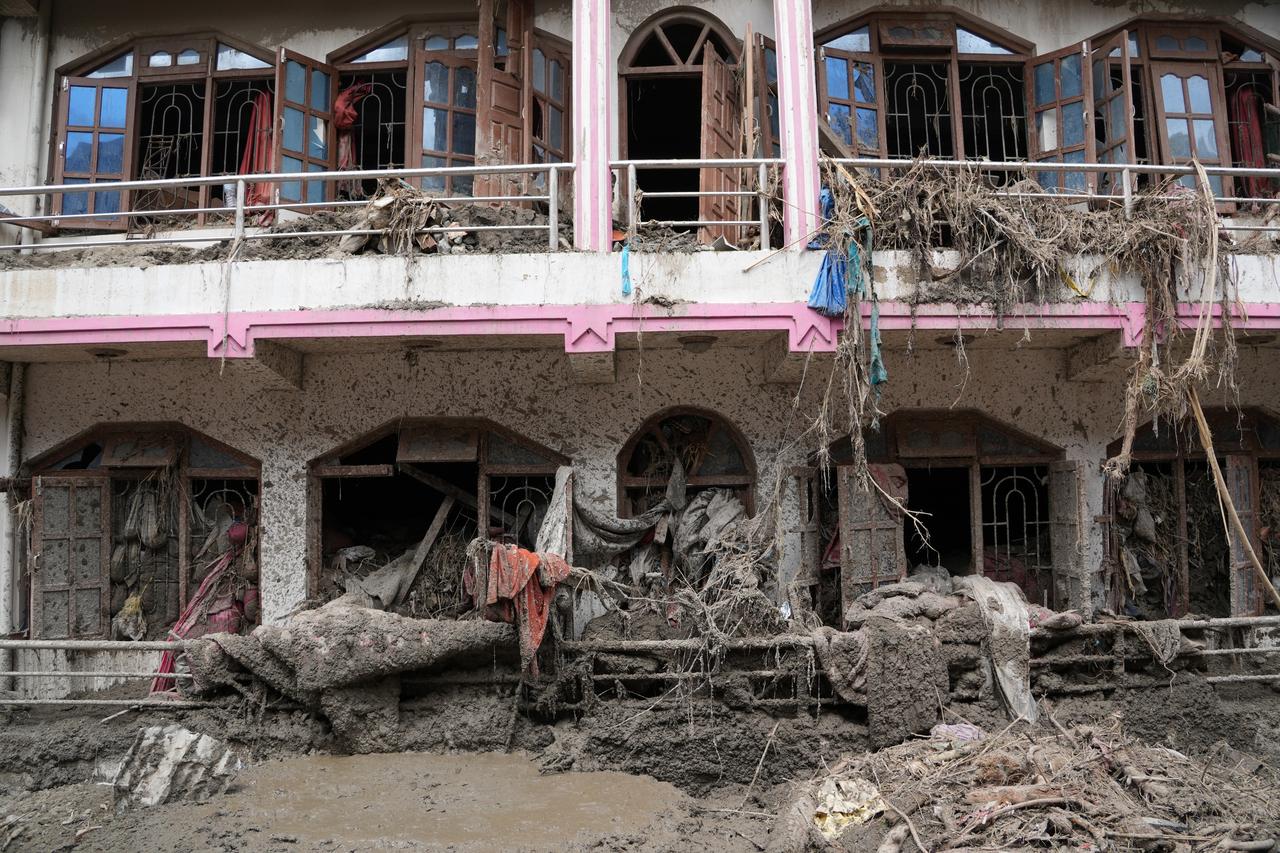
The floods also disrupted energy supply, with 11 hydropower plants and one solar power plant halted and 15 hydropower projects under construction damaged, according to the UN.
Remote communities continue to depend on military helicopters for the delivery of supplies, Dujarric said, adding that overcrowded shelters, contaminated water and damaged health facilities have raised public health risks, particularly for women and children.
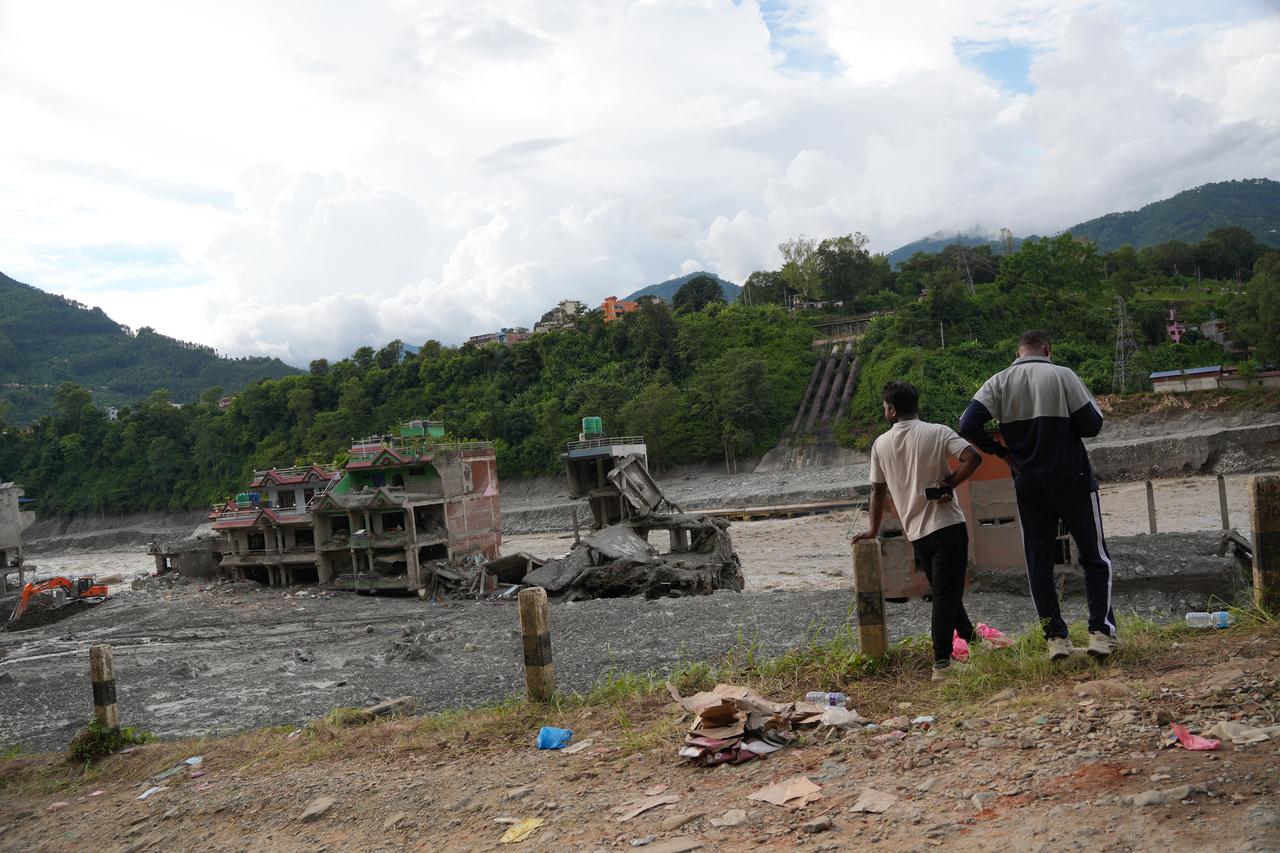
The flooding struck Nepal's mountainous Rasuwa region, near the border with China, on Aug. 26, destroying dozens of bridges, damaging roads and prompting the deployment of rescue helicopters.
The U.S. Geological Survey initially reported an earthquake in the area before updating its data to attribute a magnitude 5.2 seismic event to a glacial collapse.
Experts from the International Center for Integrated Mountain Development (ICIMOD), headquartered in Kathmandu, said the flood was triggered by an avalanche of glacier fragments that broke off in the mountainous area.
The death toll from the floods in and around Rasuwa has risen to 1,050, according to earlier reports.


 Set as preferred source
 Set as preferred source



 4 min read