Newsletters





The 1951 Refugee Convention remains a “lifeline” for millions of people fleeing persecution, conflict and violence, the U.N. refugee agency said Friday as it marked the treaty’s 75th anniversary.
Elizabeth Tan, the U.N. refugee agency’s director of international protection and solutions, told reporters in Geneva that the convention remained the foundation of the international refugee protection system despite growing pressure on asylum systems.
A total of 149 countries are parties to the convention, its 1967 protocol or both, Tan said.
The treaty’s central principle of non-refoulement prohibits countries from returning people to places where they could face persecution, torture or other serious harm.
Tan rejected arguments that the convention was no longer suited to a globalized world marked by mixed migration movements and overstretched asylum systems.
“We disagree,” she said.
Tan said the convention remained relevant because it provides a legal framework for distinguishing refugees from other migrants while ensuring protection for those who need it.
She said more than 130 armed conflicts were recorded worldwide in 2025, according to the International Committee of the Red Cross, while about 41.6 million refugees remained displaced.
Despite increasingly polarized debate, public support for asylum remained strong, Tan said.
Around two-thirds of people surveyed this year by Ipsos across 29 countries supported the right of those fleeing war or persecution to seek refuge.
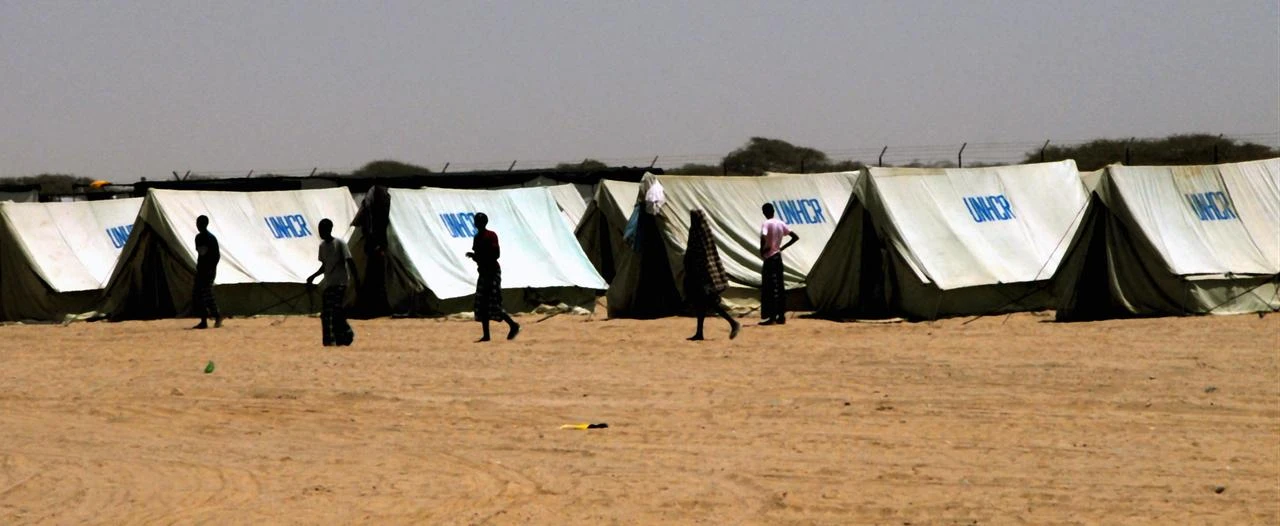

Tan expressed concern over practices restricting access to asylum, including pushbacks and forced returns.
She also warned that funding shortages were weakening support for refugees and displaced communities.
UNHCR was funded at only 31% as of the end of June, limiting essential services for displaced people, Tan said.
She called for renewed international support for asylum systems and communities hosting refugees.
“Seventy-five years on, the Convention is a test of our collective resolve today to protect those forced to flee and to keep asylum available for those who need it,” Tan said.


 Set as preferred source
 Set as preferred source


 1 min read

 1 min read