Newsletters


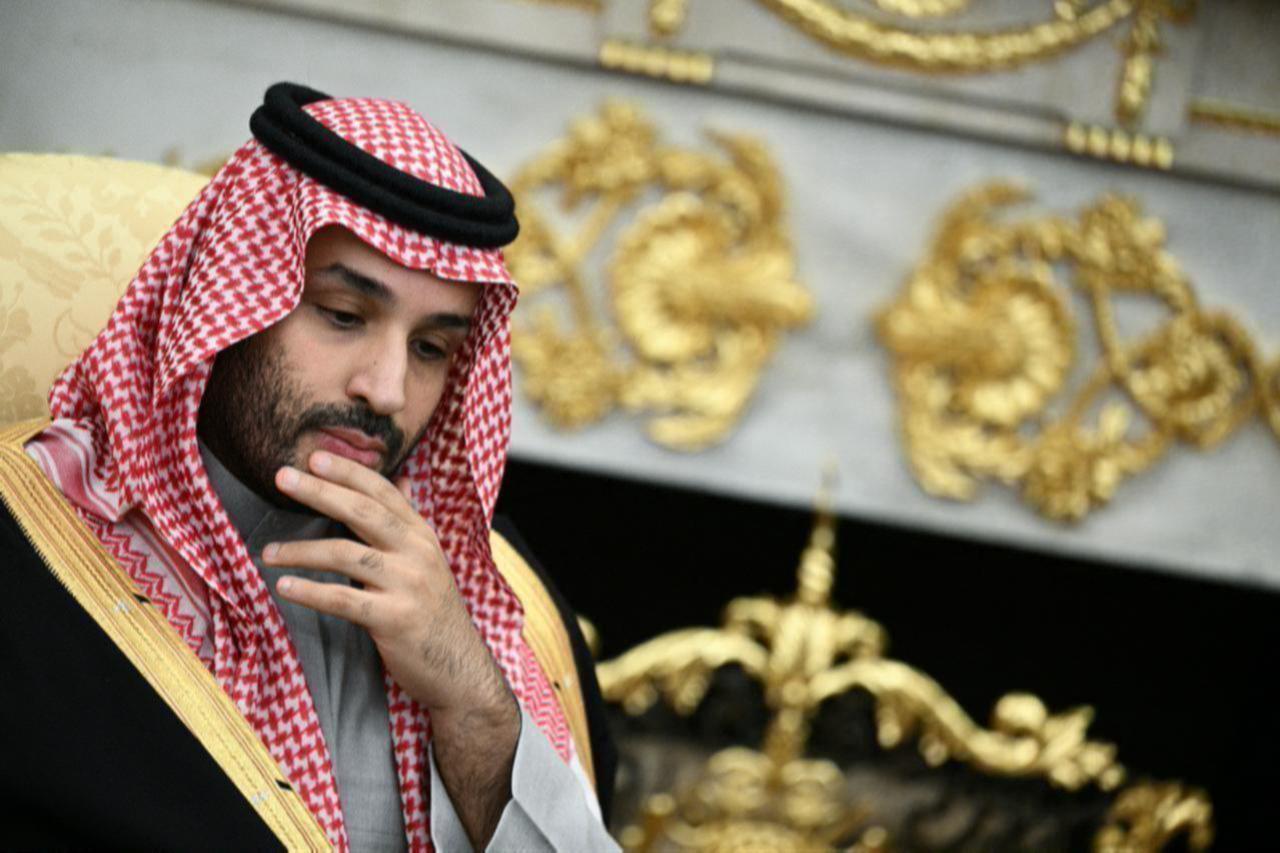


U.S. Senator Chris Murphy passed through King Khalid International Airport in Riyadh, Saudi Arabia, "just 24 hours before"a deadly Houthi ballistic missile strike hit the facility. He told a room at the Middle East Institute, where I was sitting, that it was a fair preview of the trip.
Murphy, a Connecticut Democrat, is the first Democratic senator to visit the Gulf since the Iran war began. He sat with Qatari Emir Sheikh Tamim bin Hamad Al-Thani and spent about two hours with Saudi Crown Prince Mohammed bin Salman recently.
What he did not get was the Pentagon. The Defense Department refused him access to Al Udeid Air Base in Qatar and to any military leader in the region, even for a briefing. The State Department, by contrast, showed him the damage to the U.S. Embassy in Riyadh.
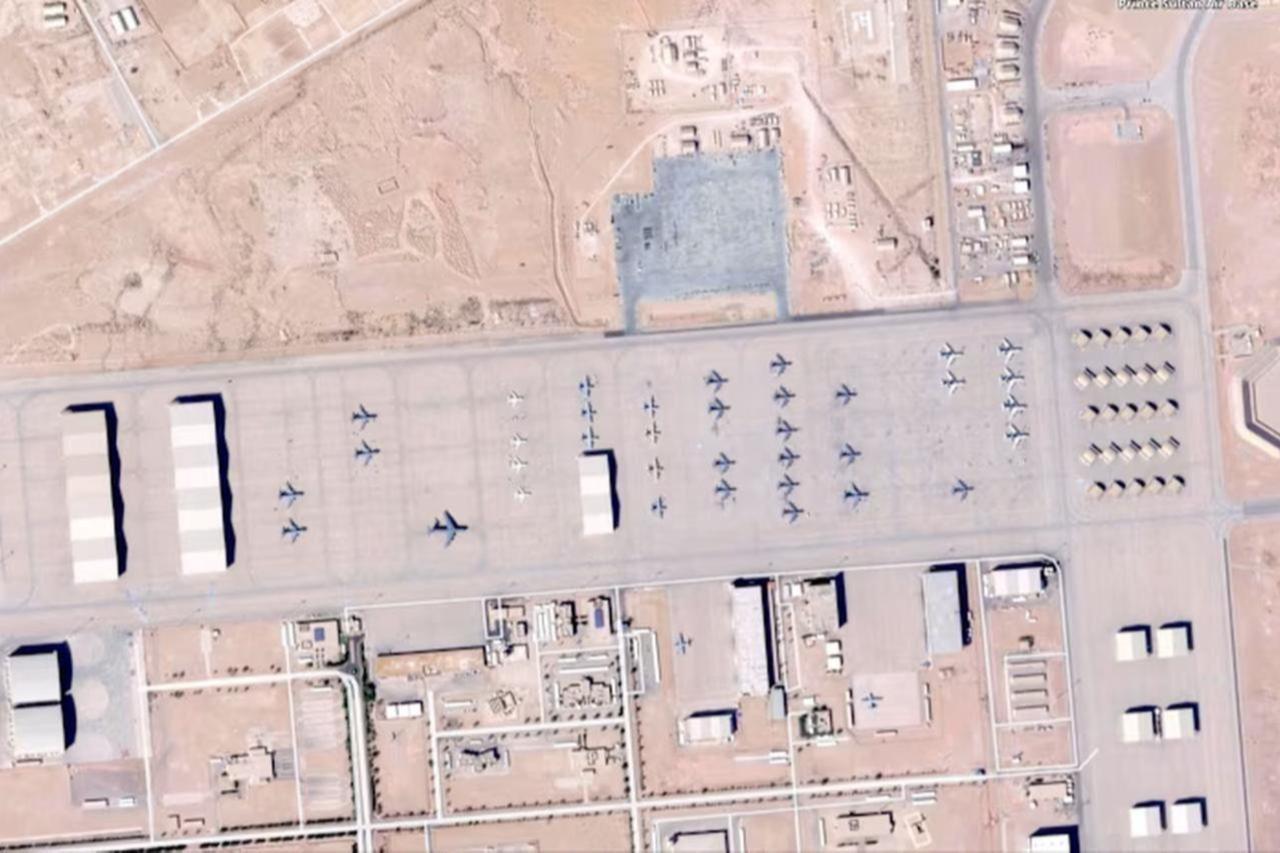
From people on the ground, the senator concluded that the base in Bahrain is "obliterated" and the one in Qatar runs at much lower capacity. Qatar and Saudi Arabia, he said, want Washington to rebuild. In his thinking, Washington should rebuild only what can be protected.
That sentence is the practical core of what a Democratic Congress would try, and it comes down to a few lines of text in a spending bill.
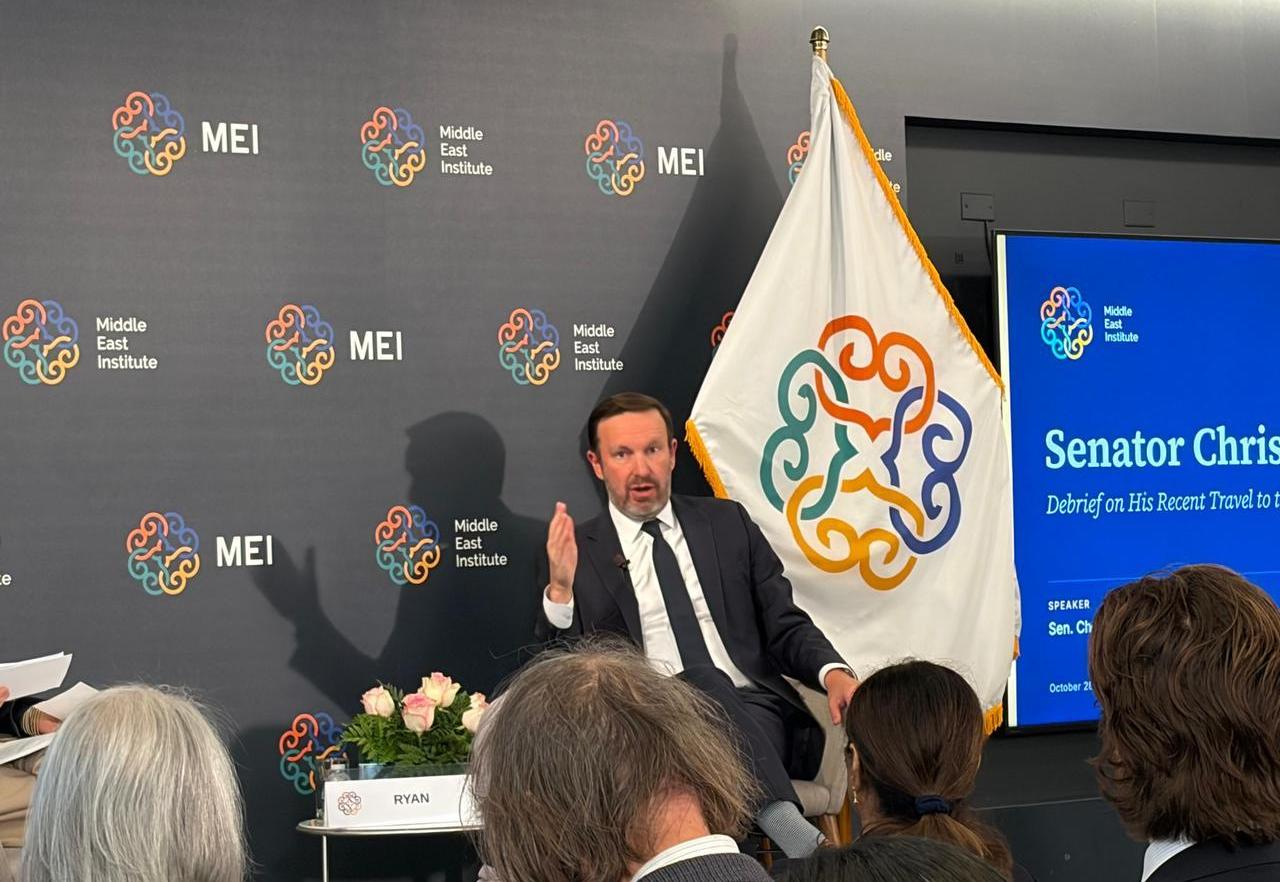

Senator Murphy has spent years as one of the sharpest voices against the U.S.-Saudi relationship among his colleagues, and he admitted to being so. “I certainly have been one of the harshest critics” of the relationship and of Saudi behavior in the region, he told the room.
Then he made the turn. “There’s no way to protect U.S. interests in the Middle East without a relationship with Saudi Arabia,” Murphy said.
Noting that things are different from how they were five or ten years ago, he added that the crown prince’s behavior in the region has become “more stable and more reliable.” Yet judging by the senator’s account of his talks, the crown prince is not the only one adapting to a new reality.
Human rights certainly came up in Riyadh, Murphy noted, "but as one topic among several."
In the past, human rights concerns might have served as an absolute ceiling for diplomatic engagement itself, in the view of many Democrats. But Murphy’s pragmatic calculus suggests a broader evolution. Whether or not it speaks for the entire Democratic caucus, Murphy is showing signs of a clear-eyed realism rather than a values-based narrative.
His message to the Gulf was more about money. He urged both leaders to avoid deeper financial ties to the Trump family, which he said would damage their standing in Washington if they appeared interested in only one political family.
The Saudis told him their deals were legal and independent of security matters. The Qataris said they had guarantees that the jet would stay in U.S. government hands. Both acknowledged the optics, Murphy said, "but they are being attacked regularly and want the administration on their side for now."

When it comes to the solution for the Strait of Hormuz, the Democratic plan reflects their philosophy.
After the midterms, Murphy expects a continuing resolution that pushes the budget fight to January or February. If Democrats hold power, he said, they would fund the Defense Department but attach a provision barring any money from going to the war against Iran.
It would also bar any funds to replenish missile stocks that would be used to continue it. He called it the mandate voters would be handing them, and he said the fight to end the war would start in the first three months of next year.
He also conceded the limits of his own plan. He could not promise every Democrat would stand behind it, because some are still wary of using the spending power this way. The House is expected to flip, according to most polls, and the Senate is a coin toss.
But if everything goes well for the Blue Team, it’s because the voters believe that by electing Democrats, they will get an end to the war, at least as far as Murphy is concerned.
Rejecting the argument that a settlement with Iran would be a concession, Murphy focused on tools. According to him, reopening Hormuz needs a diplomatic effort and agreement since "there is no evidence that continued military action or threat of military action is increasing our leverage."
He also argued that the bombing campaign just strengthens hardliners in Iran who are less willing to negotiate.
On a restart of operations, he described a classified briefing in which he was shown the war plan and called it "insane." He said it would escalate the war and, in his view, break international law, and he said military leaders gave no sign of what they privately think.
Netanyahu recently claimed that Arab leaders view concerns over his governing coalition and the Palestinians as mere window dressing, asserting that "most of them couldn’t care less" and telling interviewers that Arab counterparts privately admitted, "we have to say it, but we don’t mean it."
But after a two-hour sit-down with Crown Prince Mohammed bin Salman and a long dinner with Foreign Minister Prince Faisal, Murphy reported precisely the opposite. In his account, the shockwaves of Gaza have made Riyadh even more unyielding: the Saudis are now more insistent than ever on guaranteed, irreversible progress toward Palestinian statehood as an absolute prerequisite for any normalization talks.
On Yemen, he was just as direct. Saudi officials told him they would flip tribes and regain lost territory in days or weeks. They gained almost none, he said, and the Houthis are pressing an offensive in Taiz. Whether Washington likes it or not, he argued, any settlement will include Houthi participation in a future government.
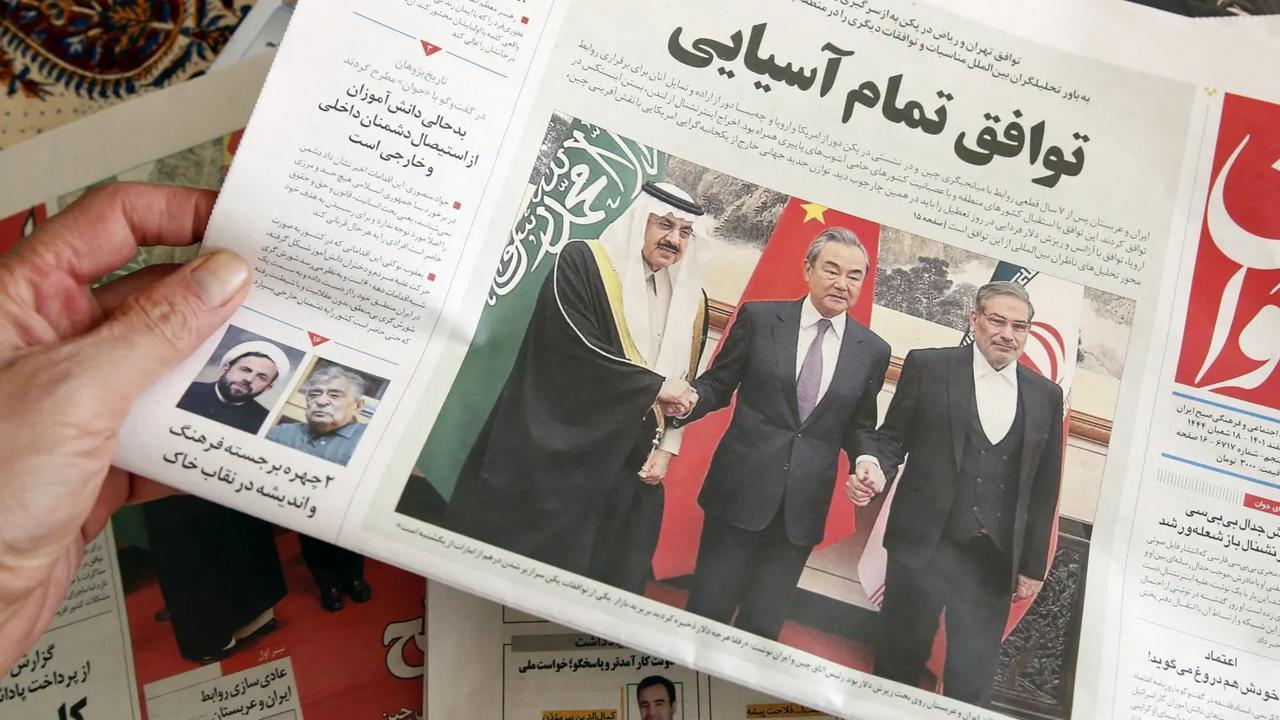
On China, the senator rejected the familiar warning that Beijing will fill any American vacuum and said he finds the concept "overhyped." China is interested in relationships, he said, not in replacing the U.S. as the primary security partner.
The American guarantee already carries oil to the Chinese economy, which Murphy called a great deal for China. He wants Washington to bargain harder with the Gulf, including for help financing port infrastructure and critical mineral supply chains so that China does not control either.
Congress can only legislate around what it knows, and on this war it is being told very little. That leaves the spending bill as the one instrument Murphy has named. If Democrats win, they stop being critics in the stands and must take the floor. Every shot from then on is theirs, and so is the scoreboard.


 Set as preferred source
 Set as preferred source


 1 min read
 1 min read