Newsletters


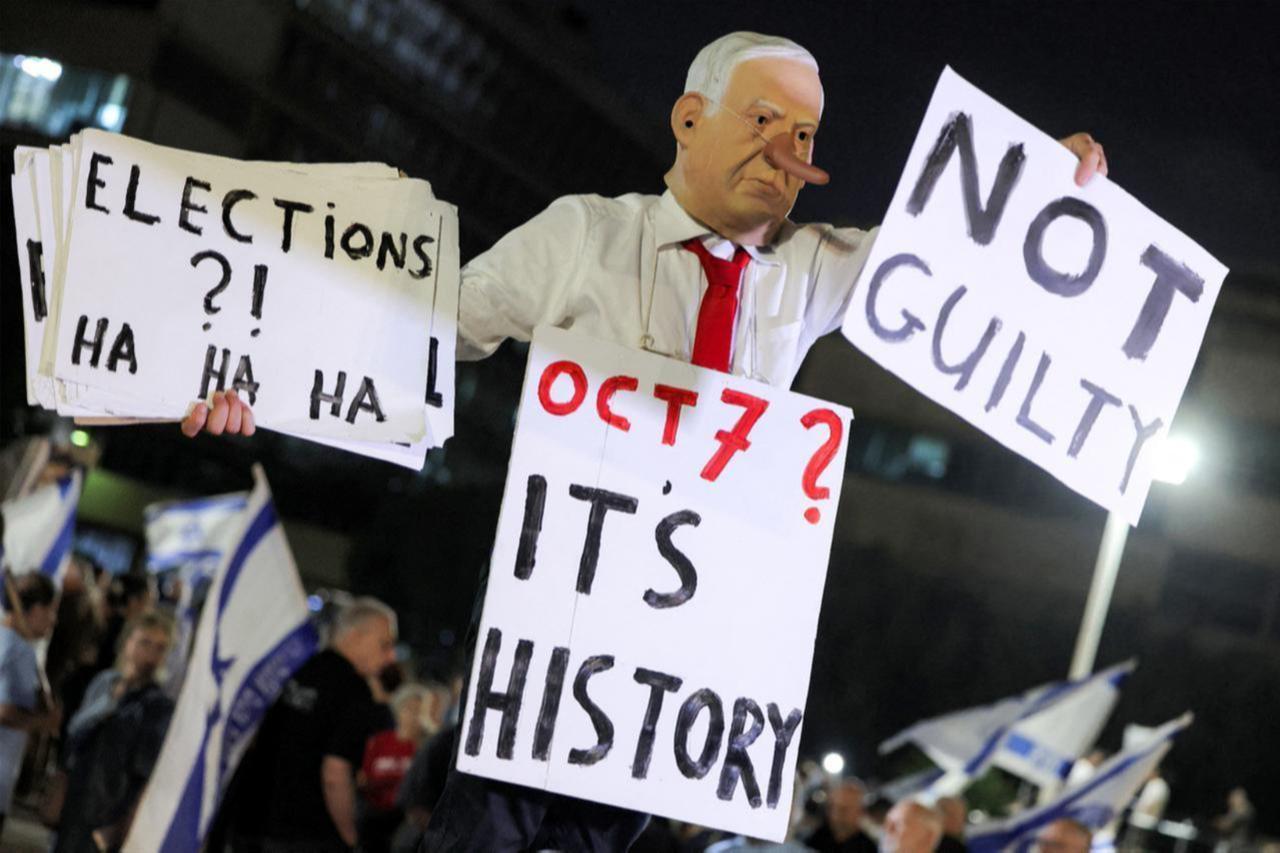


Negotiators from the United States, Iran and mediator Qatar fear Israeli Prime Minister Benjamin Netanyahu could torpedo talks on ending the conflict between Tehran and Washington by pushing to resume the war, two government officials familiar with the matter told The Times of Israel this week.
The officials said all sides worry Netanyahu will authorize an operation against Iran that would set off a return to intensive military operations, which have largely subsided since April.
The officials acknowledged that the negotiating teams are largely made up of figures from their governments who most oppose renewed fighting. Hardliners in Washington and Tehran are less fearful of such an outcome.
President Donald Trump has swung between favoring renewed strikes and favoring a deal. He currently appears to prefer the status quo, in which the United States keeps a blockade of Iranian ports while tightening economic sanctions on the government in Tehran.
Supporters of that approach inside the administration hope it will push Iran to accept American demands on its nuclear program and on the Strait of Hormuz, the narrow waterway through which a significant share of the world’s oil exports passes. One of the officials said Iran’s recent willingness to discuss its nuclear program with Qatari mediators, after long refusing, shows the pressure is working.
The strategy could take months to pay off. In the meantime, American drivers face higher prices at the pump because of the heightened risk to vessels considering passage through Hormuz. Nothing guarantees that Iran will not escalate in response to tougher US economic pressure.
The second official said Iran still flatly refuses to ship its stockpiles of highly enriched uranium out of the country, as Washington demands. Tehran is willing only to discuss down-blending the material in the presence of United Nations inspectors.
Iran is also demanding billions of dollars in sanctions relief, along with reparations for infrastructure destroyed in the war that the United States and Israel launched in February. The official said Washington considers that a nonstarter. Tehran also wants to levy tolls on certain ships, such as military vessels, transiting Hormuz, a demand the United States rejects.
According to the official, Iran has been further emboldened by the US midterm elections, which handed Democrats commanding control of both houses of Congress. Trump has acknowledged that energy price increases tied to the Iran war played a major role in Republican losses. Senior Democratic lawmakers have pledged to use their boost to force an end to the conflict when the new Congress is sworn in on January 3.

Despite the divides, the first official said negotiators still believed a final deal, or at least an interim agreement, was possible.
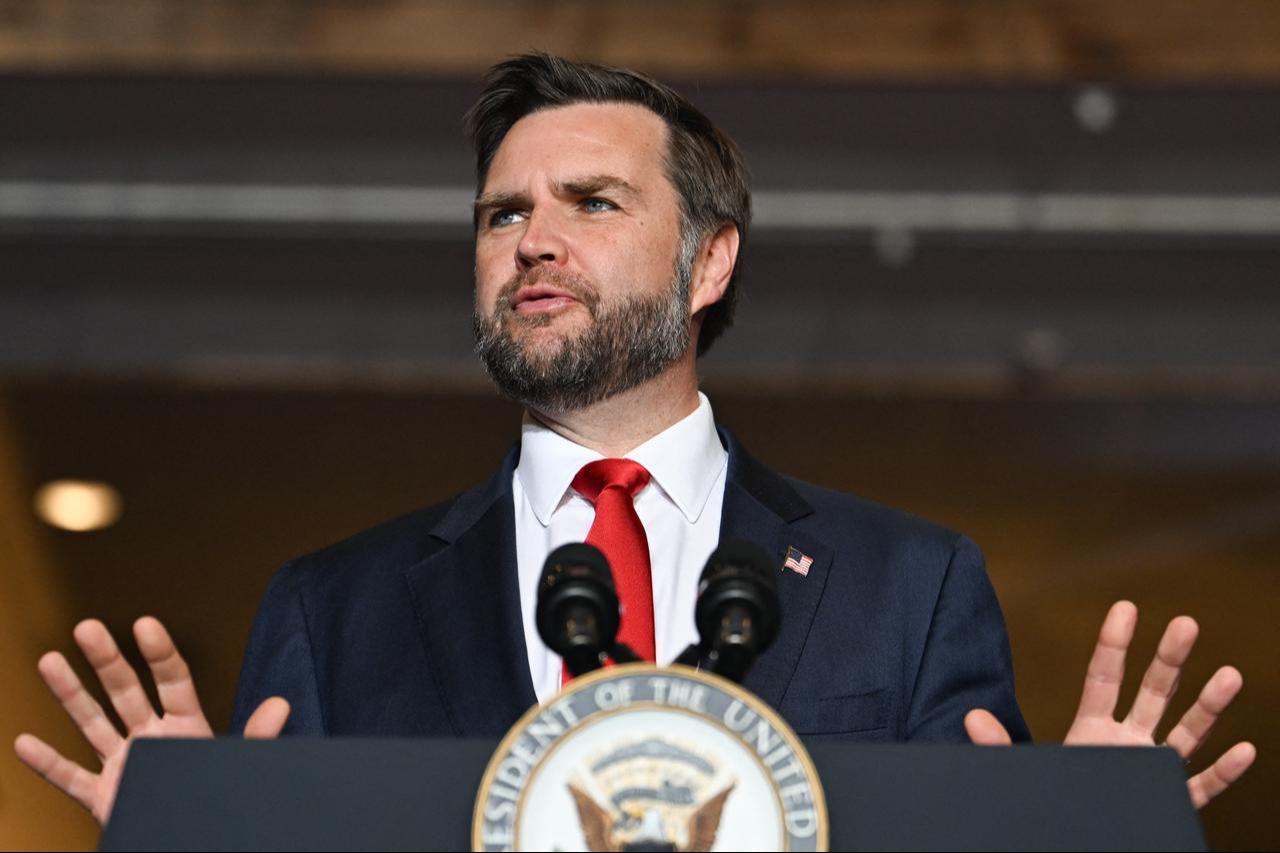
The second official said those hopes were dashed when Trump publicly ordered Vice President JD Vance to stop handling the issue. Vance has been among the administration’s leading advocates of a diplomatic accord to end the war.
The second official also said Vance was particularly concerned by Netanyahu’s near-daily calls to Trump urging a return to war. The vice president felt the Israeli leader had repeatedly given bad advice and wrong predictions about how the war would unfold.


 Set as preferred source
 Set as preferred source


 1 min read

 1 min read