Newsletters


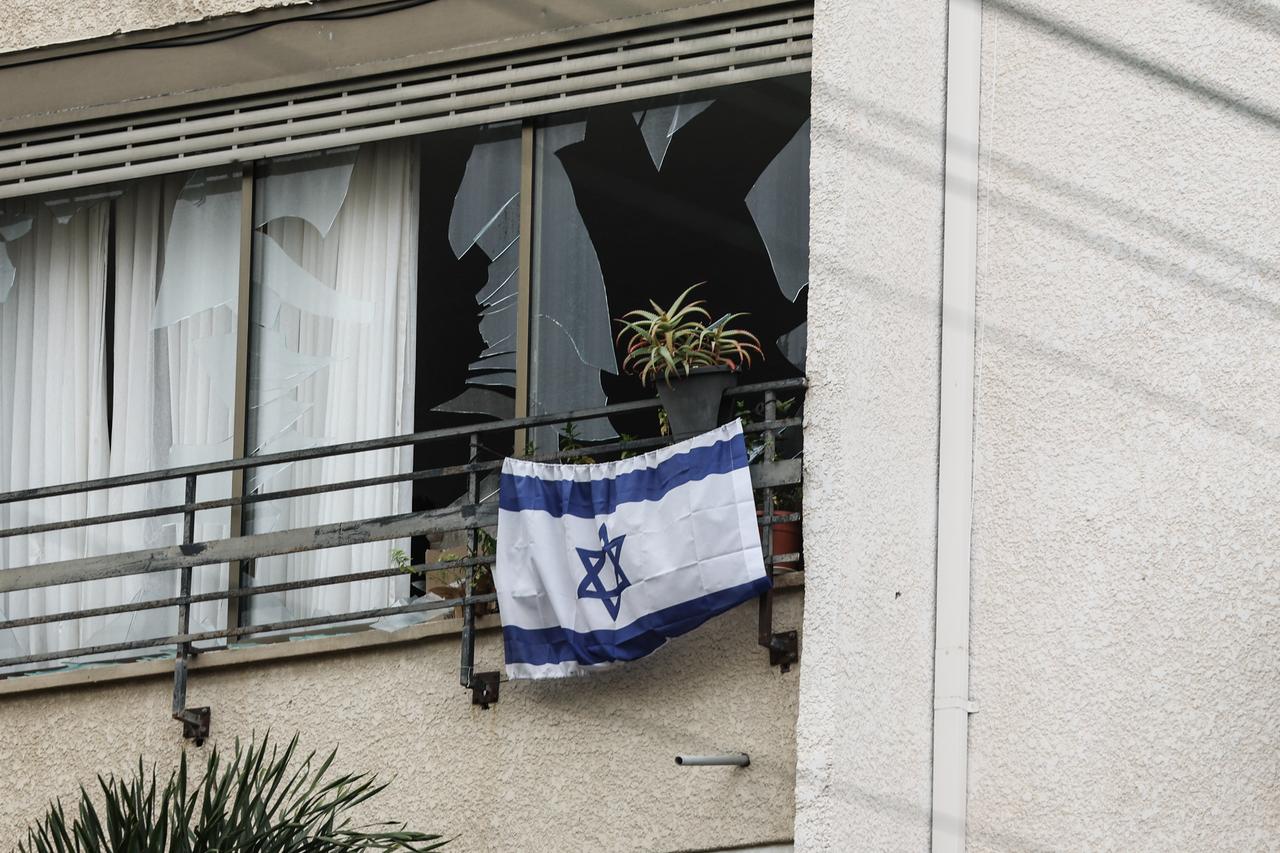


Former U.S. Ambassador to Ankara John Bass stated that Washington will not be swayed by Israeli rhetoric portraying Türkiye as an enemy.
Speaking to Turkish media outlet Oksijen that "there are enough people in the U.S. government who understand these differences and will not fall for Israel's rhetoric depicting Ankara as an adversary."
"Türkiye is a democracy with a democratically elected president. Iran is an excessively aggressive theocracy," Bass said.
"Furthermore, Türkiye is a NATO country, which gives it deep relations with the U.S. and European countries. This should play an important role in Israel's future behavior toward Türkiye," he added.
Bass noted that tension between the two countries would persist but "can only escalate to a certain level. The relationship between Türkiye and its traditional Euro-Atlantic allies will make it quite difficult for Israel to turn its aggressive rhetoric into action."


Bass said predicting the war's outcome is difficult, particularly because "President Trump is not bound by established conventions regarding the use of force or what constitutes a 'reasonable outcome.'"
He outlined three scenarios.
"I think the third scenario is the least likely, because it would have negative effects on the global economy and the economies of America's important allies," Bass noted.
He said the outcome would depend on multiple factors, including whether countries gradually reached consensus or whether disagreements emerged between the U.S. and Israel, European nations or Gulf states. It would also depend on "whether our president, who personalizes policy, feels the outcome is a victory for him, and whether he can portray what was achieved as a victory even if his goals were not fully met."
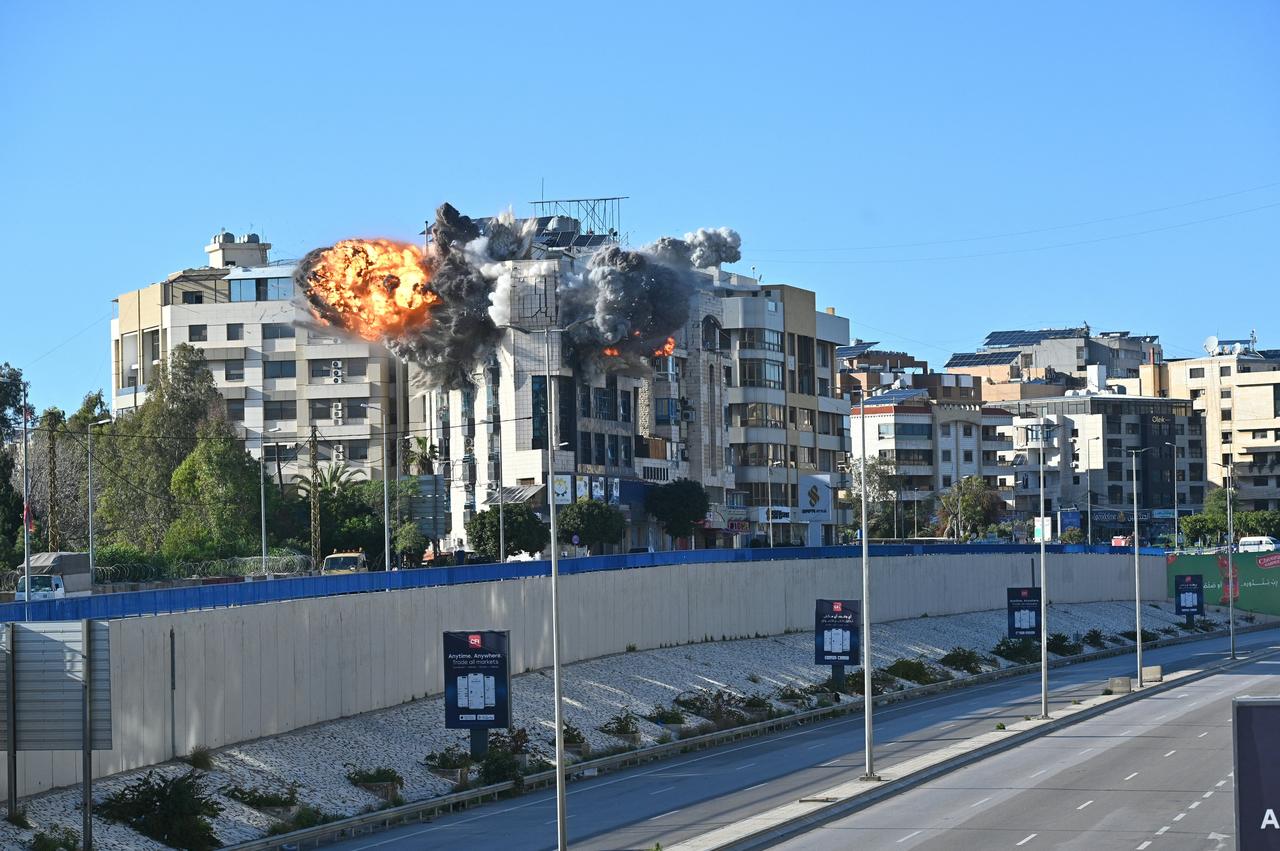
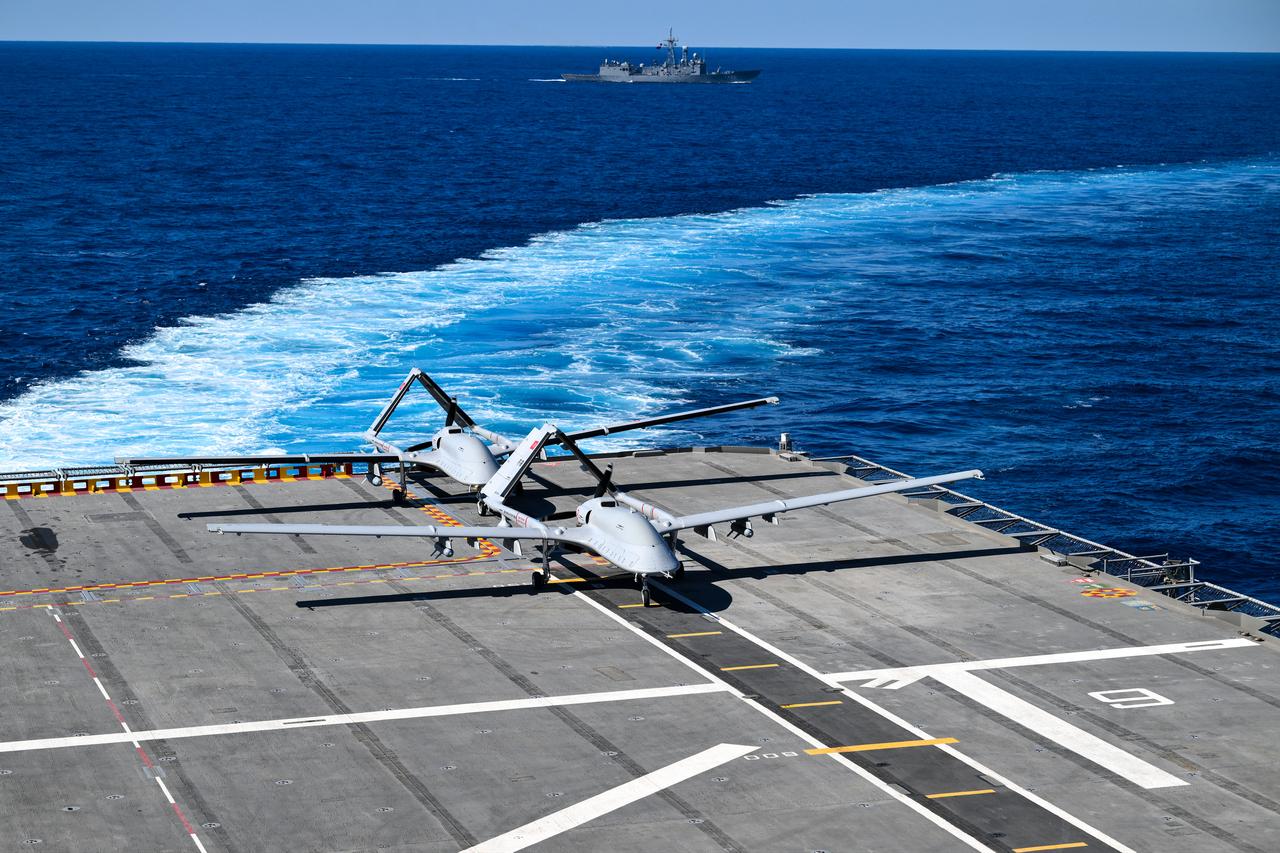
Bass said Türkiye's regional influence is likely to grow after the war, particularly in defense cooperation with Gulf states.
"Many countries in the region will need to replenish the military equipment, hardware and missile system stocks they have used in this conflict," Bass said.
"Defense production has slowed due to the war in Ukraine. At this point, there is an opportunity for Türkiye's more dynamic defense systems to develop their markets and find new customers," he added.
He noted the importance of drone and counter-drone technologies demonstrated in the Ukraine war, where Türkiye holds an advantage.
"A significant area of cooperation with new countries in the Gulf could open up," he said.
Bass also pointed to potential post-war cooperation in economic development, trade and investment with Gulf countries. He said Türkiye and Gulf states' views on Gaza's next phase could also converge more closely compared to U.S. positions.
However, he cautioned that competition between Türkiye and the UAE, visible over the past decade in places like Sudan and Somalia, "will not disappear overnight."
Bass warned that prolonged instability in Iran would create significant security challenges for Türkiye, particularly regarding Kurdish armed militant groups.
"If PJAK or another Iranian Kurdish group provides a safe haven for radical PKK members who refuse to lay down arms, this would be a major security challenge," he said.
A direct refugee flow to Türkiye or into Iraq and Syria would also create instability, he added, noting, "Long-term instability in Iran would be bad for Türkiye and for the region."
Bass said it was difficult to predict whether the conflict would devolve into civil war. "There is certainly such a possibility," he said.
"But the Iranian regime currently appears to have significant control over the population and internal security. So we may not see a serious erosion of that in the near term," Bass concluded.


 Set as preferred source
 Set as preferred source


 4 min read