Newsletters


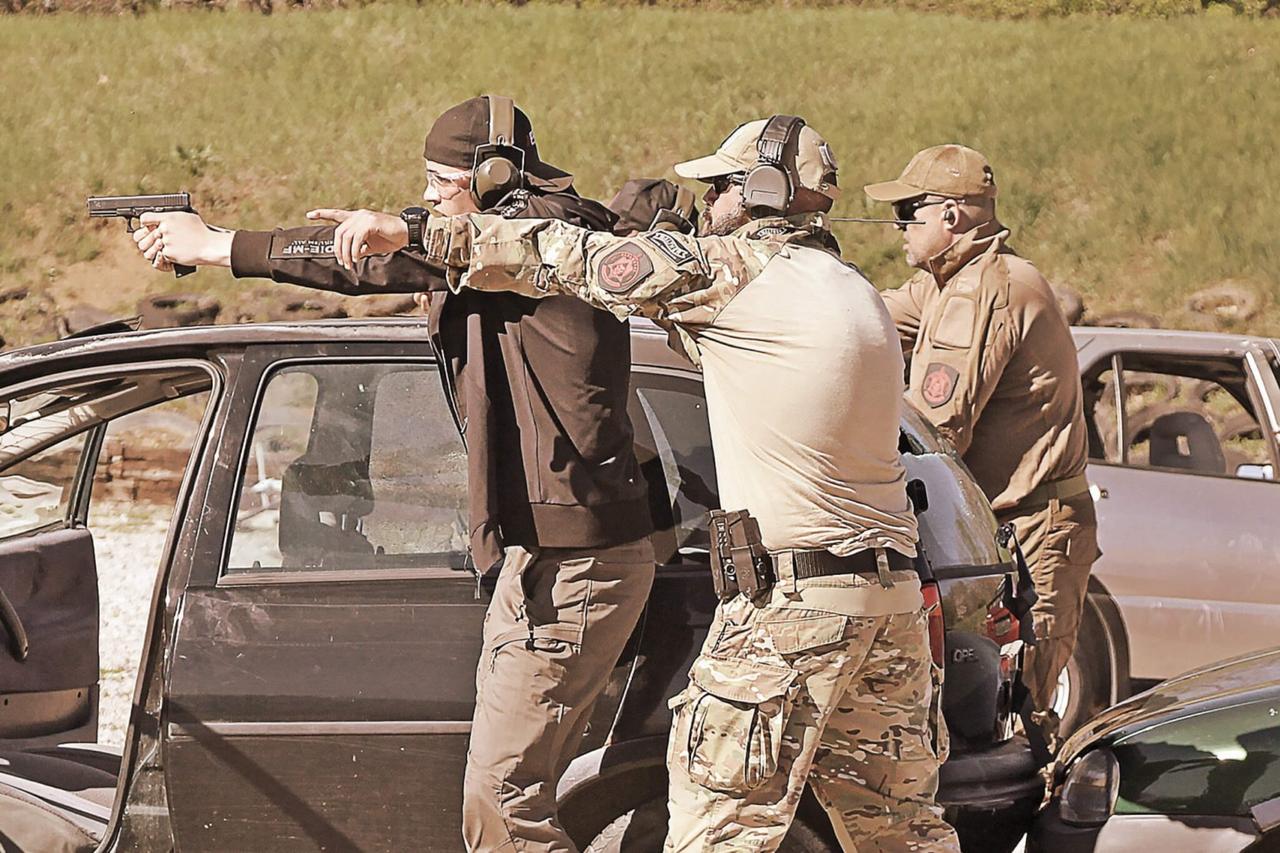


British Army's special forces unit Special Air Service (SAS) veterans are training Russians to fight in Ukraine, according to a leaked intelligence memo obtained by The Telegraph, though the Bulgarian training center named in the report has denied the allegations.
An assessment compiled for Five Eyes (FVEY) intelligence agencies found "with strong confidence" that Western military veterans had been recruited to train Russian citizens as well as active-duty Russian military personnel, according to the memo.
The Telegraph was shown a copy of a memo compiled for the Australian Secret Intelligence Service (ASIS), based on interviews with two former Australian special forces operatives and an active-duty reservist who said they were approached to become instructors at training camps in Bulgaria and Serbia allegedly hosting Russian clients.
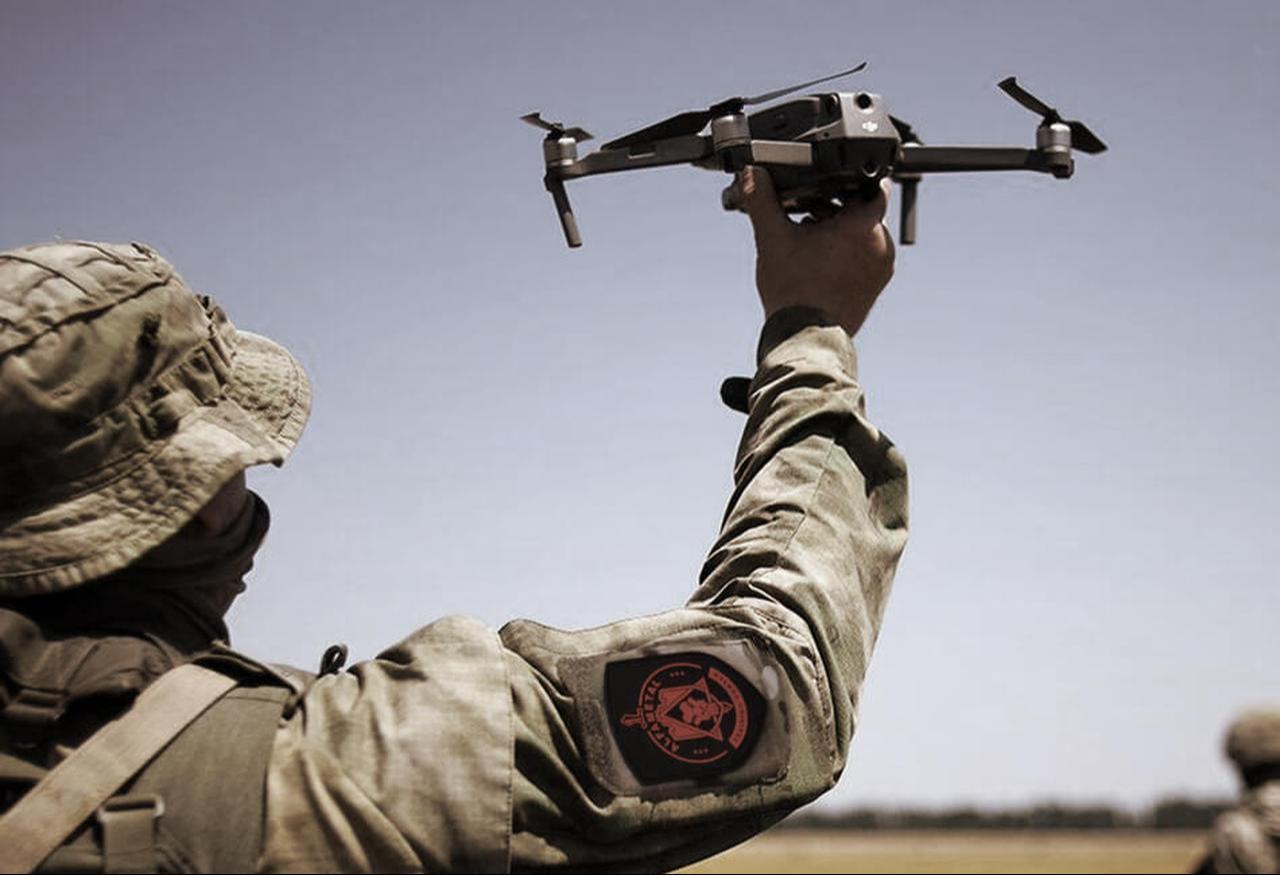
The memo says a combat camp run by Alfa-Metal, a military training company, in Mezdra in northern Bulgaria, employs instructors from "a range of backgrounds," including the SAS, the Australian Commando Regiment, U.S. police forces and the U.S. Navy SEALs.
The Alfa-Metal center offers special forces training and advanced sniper courses for around €4,000 ($4,650) per person, marketed toward prospective members of private military companies, bodyguards and corporate security teams.
The memo says that since Russia's 2022 invasion of Ukraine, private training camps in Europe have continued to accept Russian citizens for courses including "advanced close quarters combat."
The special forces veterans interviewed for the assessment said current camp employees told them it continued training Russian nationals as of 2025, three years into the war.
The former Australian military staff were interviewed by an unnamed intermediary.
Alfa-Metal's website includes a photograph of the SAS logo on a promotional page for its instructors, and the company posted a job advertisement on LinkedIn seeking SAS veterans to work at the center.
The listing, which appeared roughly six months ago, sought "a U.K. citizen" with "a strong operational background and proven instructional experience."
"We're currently looking for an experienced SAS instructor to join our team," the advertisement said, adding, "If you're passionate about training, professionalism, and raising standards, we'd love to hear from you."
Alfa-Metal's instructor page also lists an American veteran who claimed 12 years of service in the U.S. Army's Special Operations Command, describing himself as a counterterrorism expert who completed Army Ranger training, airborne school, and courses in jungle operations, long-range surveillance and scout swimming, training associated with special forces.

Russia has suffered heavy losses in Ukraine, with 1.4 million casualties including up to 500,000 fatalities, according to Western officials.
Intelligence sources have said Moscow is now losing about 6,000 more troops per month than it can recruit, a manpower crisis that may have prompted Russian personnel to seek training outside the country to compensate for inadequate domestic instruction.
Alfa-Metal appears to be connected to Alfa Region, a Russian private security company based in St. Petersburg, which advertises the training camp on its own website and refers to instructors with "extensive experience in special forces and police units in Bulgaria, the United States, Russia, Greece, Israel and Ukraine," according to The Telegraph.
Alfa-Metal told The Telegraph it had never employed SAS veterans, had no connection to British special forces, and had not trained any Russian citizens since the invasion of Ukraine, calling the allegations "false."
The center also denied any link to Alfa Region, attributing the claim to confusion over "similarity between the names of independent legal entities."
When The Telegraph pointed to a page on Alfa-Metal's website referencing a "partnership agreement" with Alfa Region, a company spokesman confirmed the center had "historical professional contacts" with the firm and said it had "initiated a review of archived marketing materials" to correct "outdated content."
"Alfa-Metal categorically rejects the allegation that we have used or are using former members of the British SAS or other Western special forces to train Russian nationals or individuals intending to participate in the war in Ukraine on behalf of Russia. This allegation is false," the spokesman said.
The Telegraph said it was unable to independently verify the memo's claims.
Several SAS sources disputed the allegations, saying such actions would betray the regiment's values.
"The SAS is a small community, and people talk," a senior SAS source said.
"If people were doing that, we'd know. If anyone was doing this, I'd be incredibly surprised and deeply disappointed. There are about 5,000 SAS veterans, but there are easily 25,000 more people claiming to be part of the regiment because it suits their CVs. There are a lot of liars out there," the SAS source added.
Phil Campion, a former staff sergeant in 22 SAS, said: "It would be unethical that our troops could be training soldiers that end up fighting against our lads. They would have to be totally rogue to do that or dollar-motivated."
Speaking to The Telegraph, retired SAS colonel David White said special forces veterans have long entered the "aftermarket" of military advisory work, but that the regiment would have little sympathy for anyone caught training Russians.
"If I had a pound for everyone who said they were former members of the SAS, I would be a very wealthy man," he said, adding, "It's almost always not true. The fact they claim to be former SAS is likely just that, a claim."
The Telegraph reported that the intelligence memo is now under investigation by Australia's SIS, with findings expected to be shared with the UK and US through the Five Eyes intelligence-sharing network. Under UK and Australian law, it is illegal for former special forces personnel to use their training to assist a foreign state.
Speaking to the outlet, a U.K. Ministry of Defense spokesman said, "It is long-standing policy of successive governments not to comment on UK Special Forces or intelligence matters. We have robust legislation in place to tackle foreign hostile activity, and the National Security Act gives our intelligence agencies and police the tools they need to detect and disrupt threats."


 Set as preferred source
 Set as preferred source


 4 min read