Newsletters


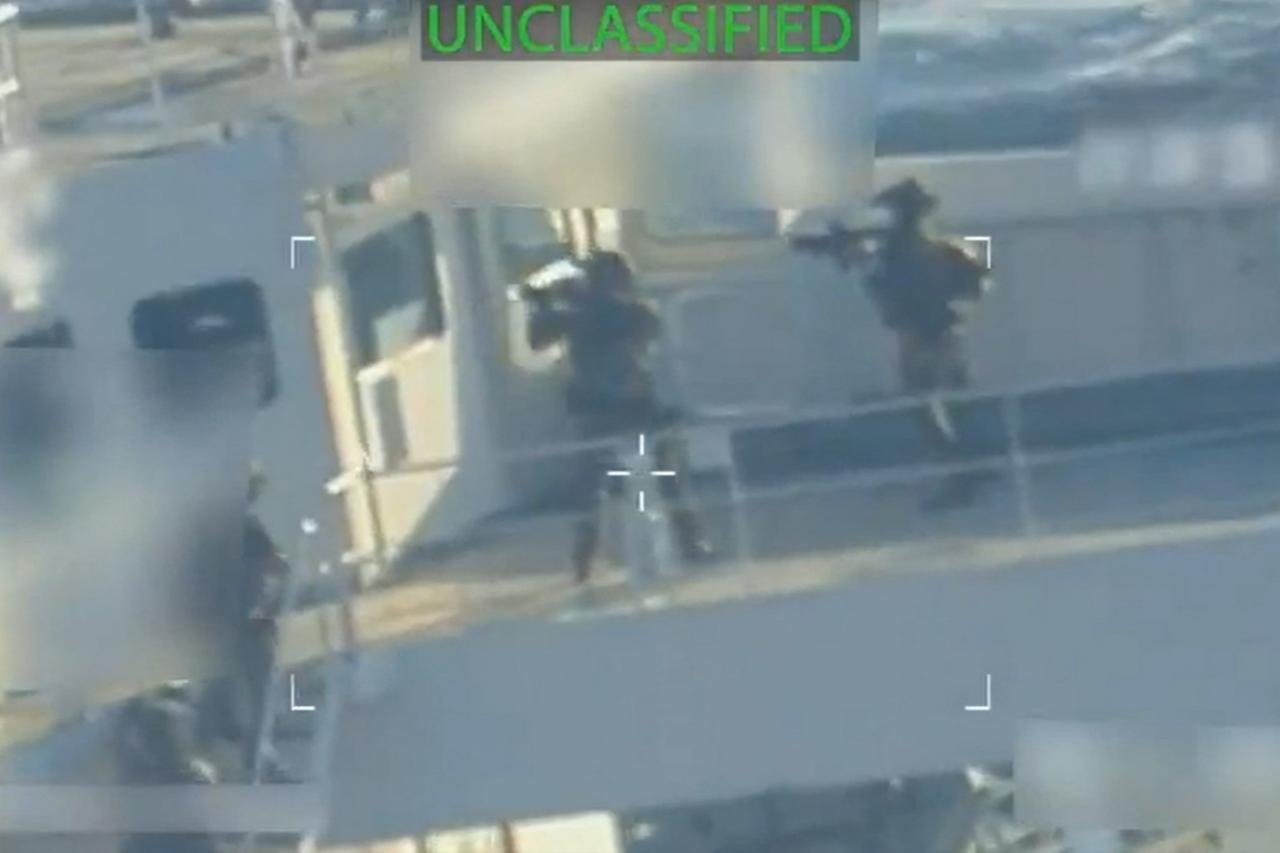


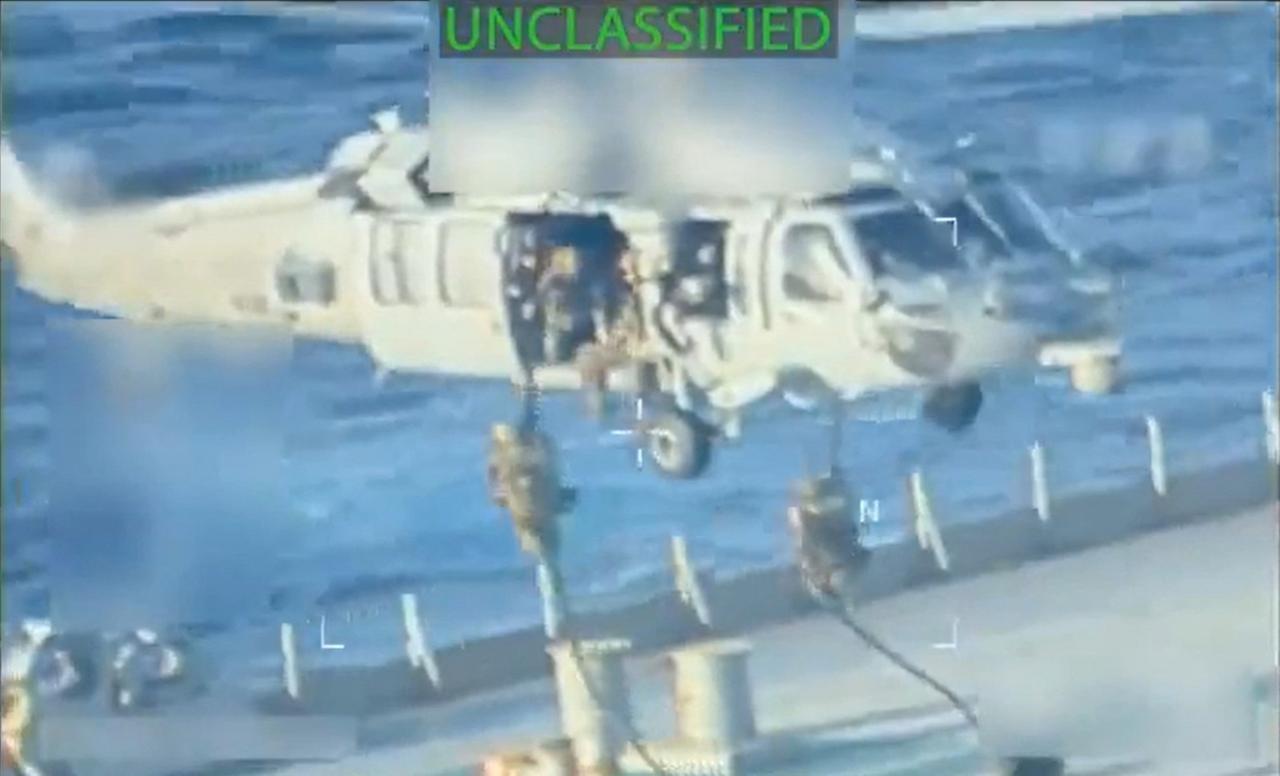
White House spokesperson Karoline Leavitt stated Thursday that the United States seized an oil tanker off the coast of Venezuela on grounds that it was a "sanctioned shadow vessel" known to transport black-market oil to Iran’s Islamic Revolutionary Guard Corps.
Leavitt said the operation aligned with the Trump administration’s dual priorities of stemming drug flows into the United States and enforcing sanctions. "The president is committed to stopping the illegal flow of drugs into our country. He's also fully committed to effectuating this administration's sanction policy. And that's what you saw, and the world saw take place yesterday," she told reporters.
The ship is being brought to a U.S. port where investigators are interviewing crew members and collecting evidence. Legal proceedings to formally seize the vessel’s cargo are underway.
U.S. Attorney General Pam Bondi stated that the seizure was carried out by the FBI, Homeland Security Investigations, and the US Coast Guard with Defense Department support. The vessel allegedly carried sanctioned crude from both Venezuela and Iran.
The administration framed the move as part of a broader crackdown on illicit maritime activity in the region. Since early September, U.S. forces have conducted 22 strikes against vessels labeled as "narco-terrorist," resulting in the deaths of at least 87 individuals in the Caribbean Sea and Eastern Pacific Ocean.
In response, Venezuelan Foreign Minister Yvan Gil condemned the action as "a blatant act of theft and international piracy," accusing the U.S. of pursuing a long-standing strategy to appropriate Venezuela’s oil resources. He referenced comments made by President Donald Trump during his 2024 campaign, in which Trump allegedly said his objective was to "take Venezuela’s oil without paying anything in return."
Gil said the latest seizure was not an isolated case and reflected a deliberate policy by Washington aimed at weakening the Maduro government through economic means.

Shortly after the tanker seizure, the U.S. Treasury Department imposed additional sanctions on six companies involved in transporting Venezuelan oil and on four individuals with close ties to President Nicolas Maduro.
Three of the individuals—Efrain Antonio Campo Flores, Franqui Francisco Flores de Freitas, and Carlos Erik Malpica Flores—are nephews of Maduro’s wife, Cilia Flores. Campo and Flores de Freitas were labeled as narcotics traffickers. Malpica, whose previous sanctions were lifted in 2022 during the Biden administration, was re-designated.
A fourth individual, businessman Ramon Carretero Napolitano, was also sanctioned. Treasury officials said he profited from contracts with the Maduro regime.
Treasury Secretary Scott Bessent said the move reflects a rejection of earlier diplomatic overtures. "These sanctions undo the Biden Administration's failed attempt to make a deal with Maduro, enabling his dictatorial and brutal control at the expense of the Venezuelan and American people," Bessent said.
The United States has stationed naval forces within range of Venezuelan territory, and officials have reiterated that all options—including military action—remain under consideration. The Trump administration continues to call for President Maduro’s resignation.
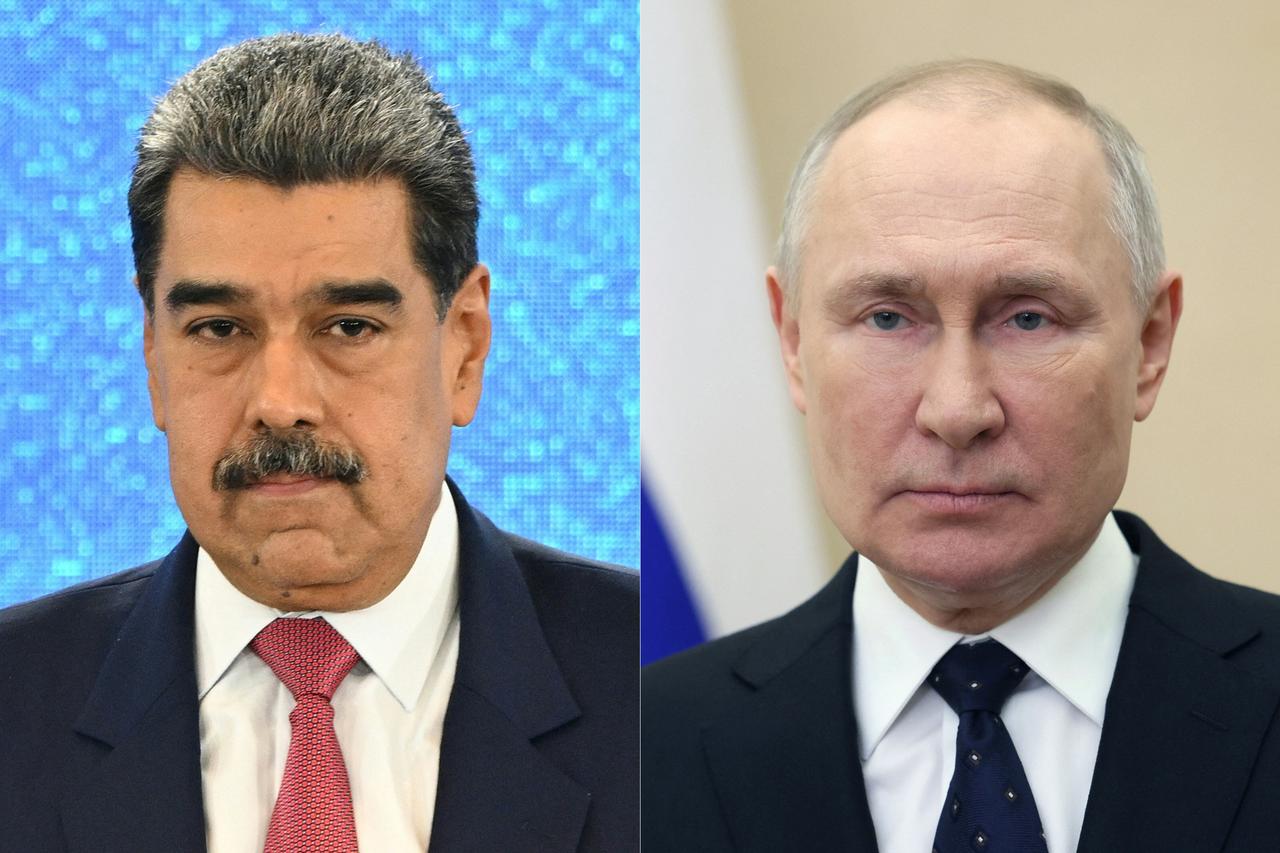
Maduro denies the U.S. allegations of drug trafficking and has maintained that Washington seeks to overthrow his government and seize control of Venezuela’s oil reserves.


 Set as preferred source
 Set as preferred source


 1 min read
 1 min read