Newsletters


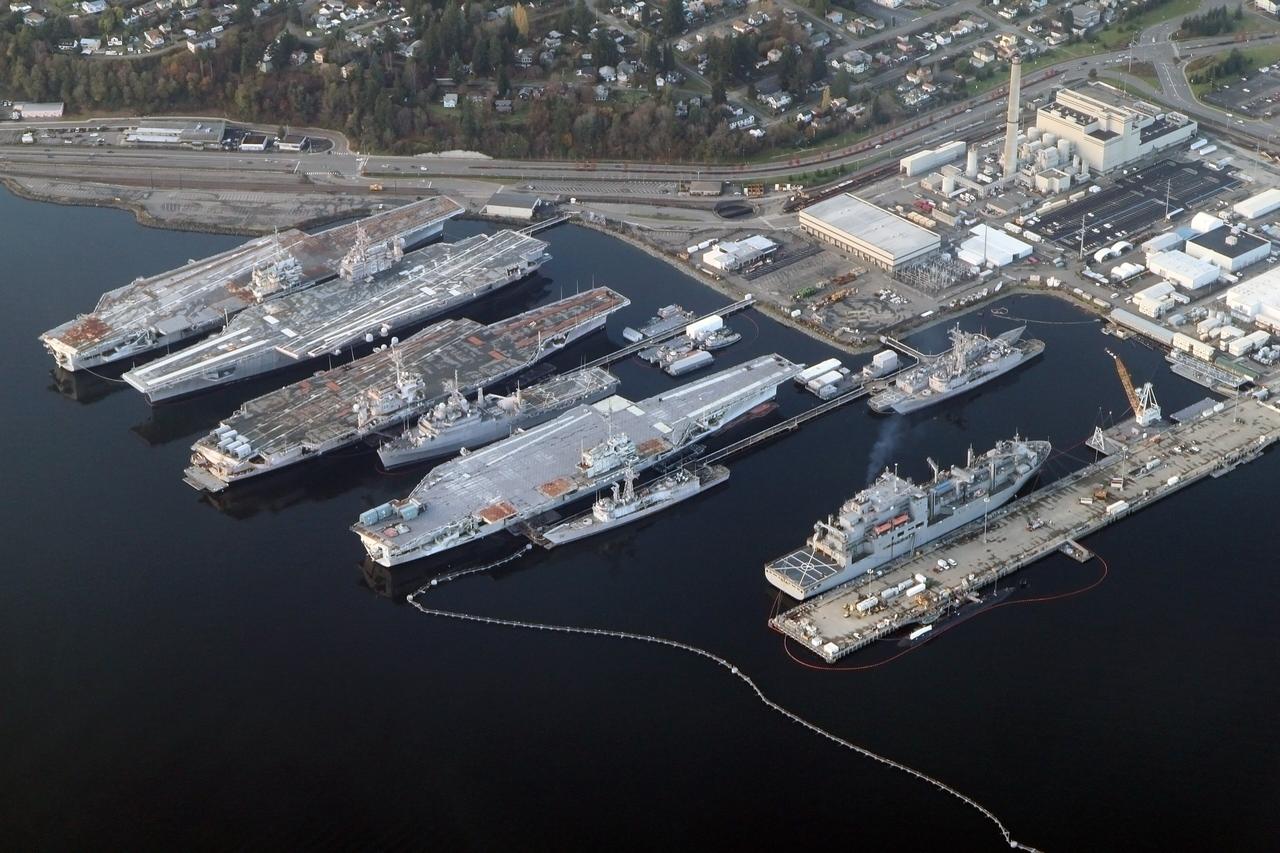


The U.S. Navy's last attempt to build a new frigate class ended the way these things often do in Washington: over budget, behind schedule, and then canceled. The Constellation-class program folded in 2025, and the Pentagon is now doing something it has not seriously entertained in decades. It is asking foreign shipyards to build American warships.
Three suitors have entered the race, each with a different currency. South Korea is offering cold cash. Japan is offering cutting-edge tech. Türkiye is offering bottom-line value, paired with a proposition focused less on assembling the hull than servicing it down the line.
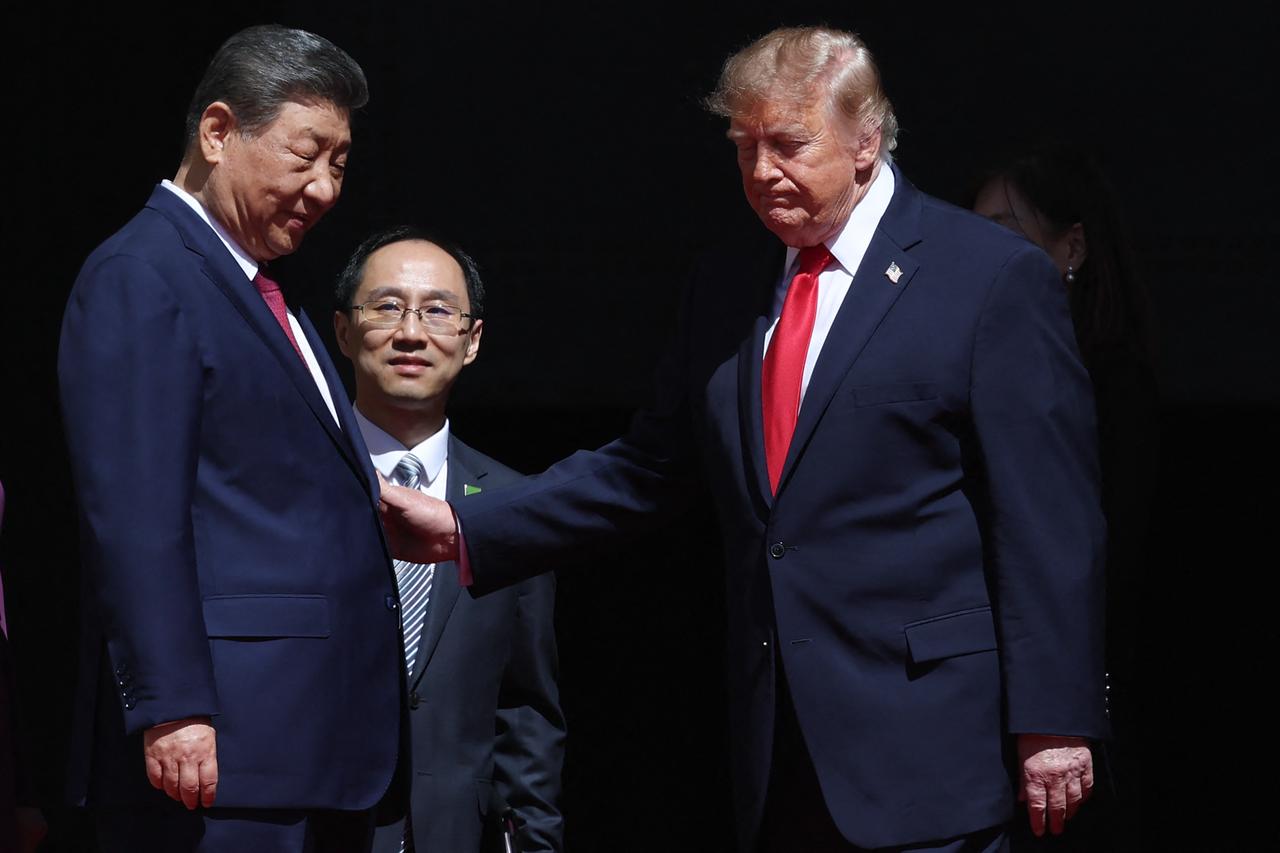
The opening for the new actor came at the NATO summit in Ankara, where President Recep Tayyip Erdogan raised the subject directly with President Trump.
"We specifically discussed shipbuilding with Mr. Trump," Erdogan said afterward.
"These could be frigates, corvettes, submarines. Türkiye can build these in its shipyards." It is the kind of line that sounds like posturing until you check the paperwork behind it, and in this case there is quite a lot of paperwork.


American protectionism at sea did not start with warships. It runs past a century now, and its best-known piece is civilian: the 1920 Jones Act, which requires any commercial vessel carrying cargo between American ports to be built in the United States. The Navy followed the same instinct before there was ever a statute to enforce it. Before 1965, the fleet was built almost entirely in government-run naval yards or domestic private ones, and that was custom and budget preference, not law.
The custom became law when the Pentagon tried to break it. In the mid-1960s, defense officials floated the idea of building some amphibious ships and auxiliary support vessels in British or Canadian yards, purely to save money. Congress shut the door and welded it. The 1965 amendment closed the loophole entirely and turned what had been Pentagon discretion into a binding restriction on military vessels.
The text was absolute. No vessel intended for the armed forces, nor any major piece of its hull or superstructure, could be built on foreign soil. Inside the statute sat a single exception: a presidential waiver, reserved for national security. For nearly sixty years that clause gathered dust. No administration felt pressed enough to invoke it and pick a fight with the domestic shipbuilding unions over it.
The irony of the history is that the 47th president, Donald Trump, was the one who finally reached for it, convinced the country was facing a shipbuilding shortfall serious enough to justify that fight, and turned the key on a power nobody had touched in six decades.
With the waiver signed, the Pentagon settled on an approach officials are calling the Finland model. The logic is straightforward: build the first hull or two overseas, then use the technology transfer and investment that come with the deal to rebuild capacity back home.
Acting Navy Secretary Hung Cao handed the job of testing that logic to William F. Mahan, commissioning a feasibility study on international combatants, the polished term for a much simpler question: who can actually deliver a warship on time. Inside the Pentagon, Mahan's study has become the document that decides which foreign yards get taken seriously and which get a polite no.
Japan is selling prestige. Mitsubishi Heavy Industries builds the Mogami-class frigate, and Tokyo has negotiated arrangements giving it direct oversight of how the American SPY-7 radar gets integrated into the ship, an unusual concession for a foreign supplier to extract from Washington.
South Korea is selling leverage. HD Hyundai, SK Oceanplant and Hanwha Ocean build the Chungnam-class, and Seoul is backing its bid with roughly $150 billion committed to the U.S. shipbuilding sector under bilateral trade agreements, on top of actively buying up American shipyards.
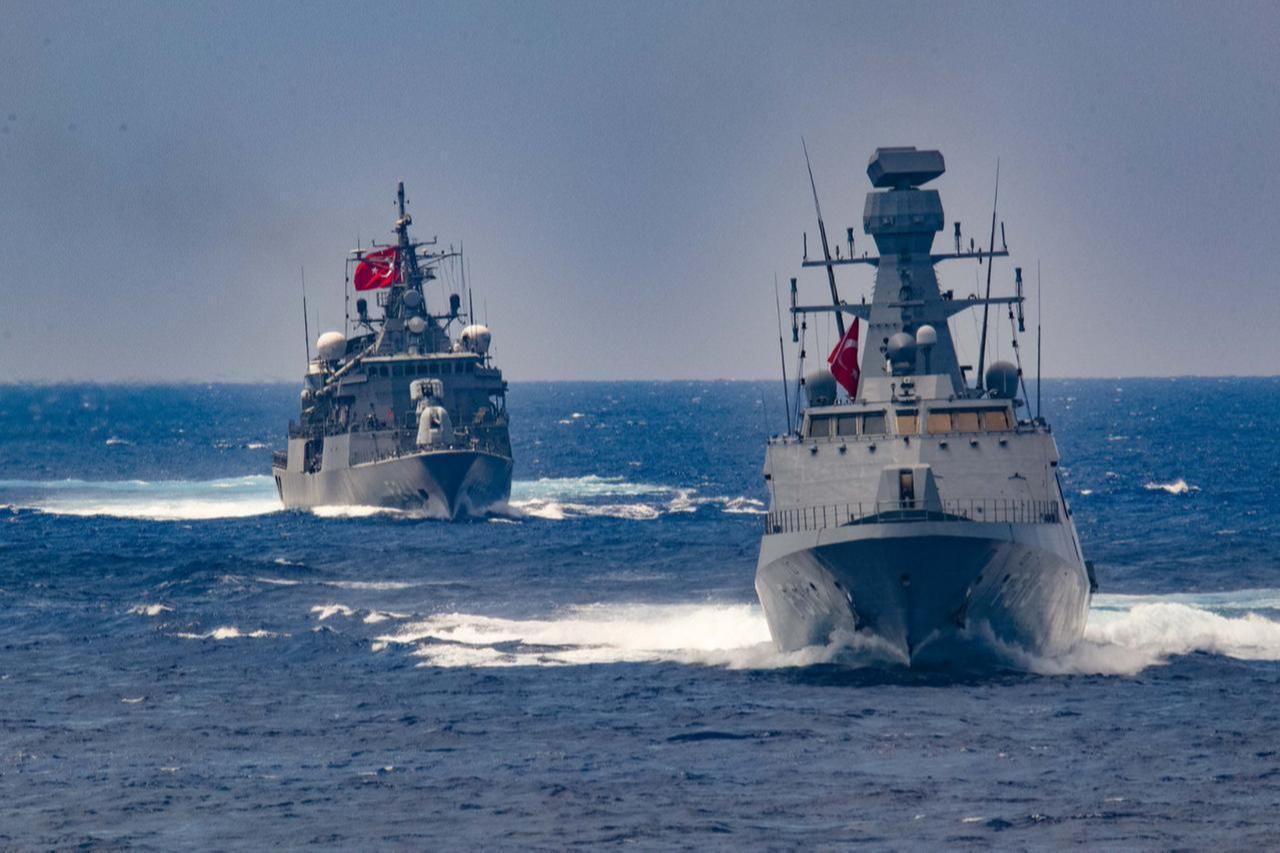
Türkiye is selling value. The Istanbul-class frigate, the flagship of the country's domestic shipbuilding program, cannot match Japanese radar integration or Korean capital. What it can offer is cost and speed of delivery on a scaled-back product.
Defense analyst Kozan S. Erkan does not think Türkiye's odds in that three-way contest are strong, but he sees the fact that it is competing at all as an achievement in itself. According to him, Turkish-built hulls may simply be too light for what the U.S. Navy actually needs.
Speaking to Türkiye Today, the seasoned engineer Erkan suggests that Ankara is chasing the wrong prize. "Instead of ships going all the way back to the U.S. or, in smaller numbers, to Italy for maintenance, work to have them come to Türkiye," Erkan says. "They would get service faster and cheaper."
He points to Aksaz Naval Base, where a recent round of investment could turn the base into a NATO naval maintenance hub, handling repairs for ships arriving from the Middle East the way Thailand has built a regional maintenance business of its own.
With American shipyards fiercely guarding their security, Erkan argues Türkiye can match that standard through the Istanbul Shipyard Command, which oversees the country's production yards militarily.

Mahan's assessment is due Nov. 12, roughly a week after the midterm elections, and it will land in a Congress that is not sold on any of this. The White House wants $1.85 billion for the feasibility work.
On the other side of the coin, Matt Paxton, president of the Shipbuilders Council of America, has made the opposing case in public: that allied yards are not a clean substitute for American ones because military shipbuilding involves classified systems and combat integration that cannot simply be handed to a foreign contractor, however close the ally might be.
That is the argument behind every sales pitch coming out of Seoul, Tokyo, and Ankara.
The Pentagon wants frigates faster than American yards can currently deliver them.
Three allies are lining up with three different reasons why they should get the contract. And the body that has to approve the money is the one most skeptical that any of it should happen at all. Erdogan has made his pitch. Whether a 60-year-old amendment and an unconvinced Congress let him deliver on it is a separate question.


 Set as preferred source
 Set as preferred source



 4 min read