Newsletters


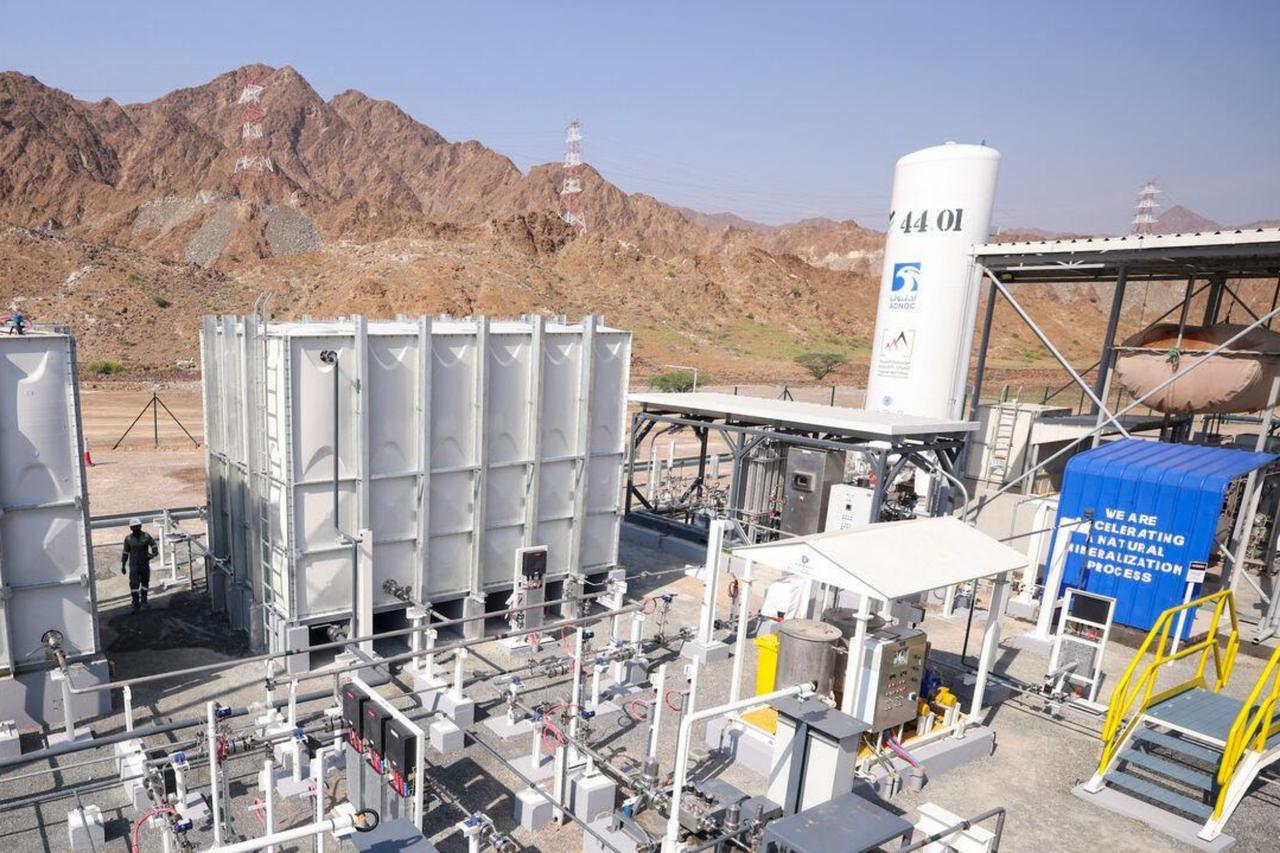


Abu Dhabi’s state energy company ADNOC on Sunday mapped out a sweeping $55 billion project pipeline for the next three years, ramping up spending as the UAE charts a new course outside OPEC.
The company confirmed it will award contracts worth AED 200 billion between 2026 and 2028 as the first major phase of its broader $150 billion five-year capital expenditure plan approved last November.
ADNOC framed the new contract awards as a step toward scaling operations across both upstream and downstream segments.
The company positions the plan as part of a broader effort to meet rising global energy demand while reinforcing the UAE’s industrial base, according to its statement.
The announcement was made during the "Make it With ADNOC" Forum in Abu Dhabi, where the company brought together major engineering and construction contractors with 70 local manufacturers under its "Local+" initiative, part of its In-Country Value program aimed at prioritizing domestically produced goods.
Addressing the forum, ADNOC Managing Director and Group CEO Sultan Ahmed Al Jaber described the phase as a shift toward faster execution and larger-scale delivery, highlighting efforts to deepen local industry participation and strengthen supply chains.
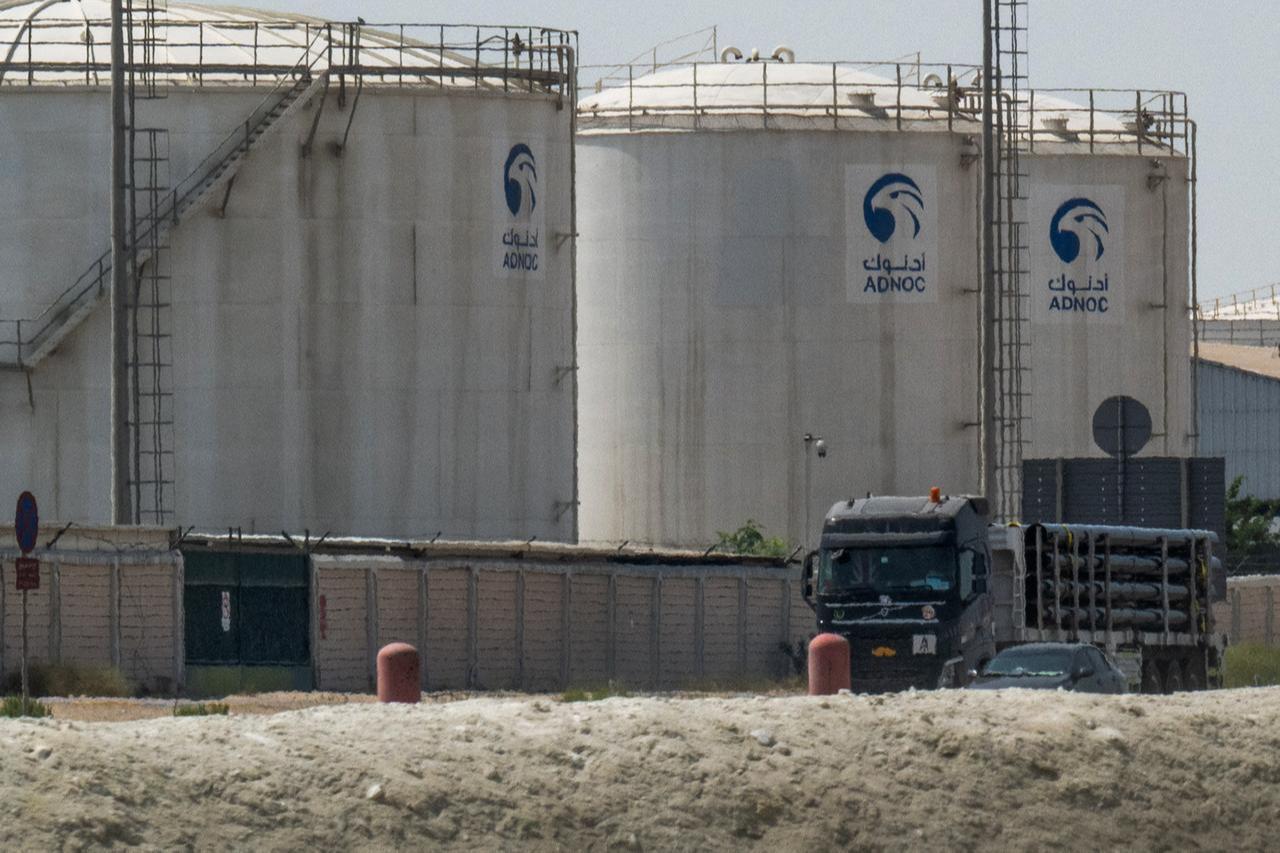

The investment push comes after the UAE recently withdrew from OPEC and OPEC+, a wider alliance between the Organization of the Petroleum Exporting Countries and partner producers such as Russia that coordinates output levels, allowing Abu Dhabi to act independently and boost the country’s energy production.
The shift effectively ends decades of quota-based limits, giving the UAE flexibility to raise or cut output as it sees fit and potentially unlock higher revenues.
The move also comes as the Gulf region remains shaken by the U.S. and Israel’s war with Iran, which has disrupted energy flows through the Strait of Hormuz and triggered attacks on infrastructure across the region.
Tensions with the Saudi-led alliance had been building for years, with Abu Dhabi pushing back against production caps that held its output around 3.4 million barrels per day in a bid to support global prices.
Before the regional conflict intensified in February, the UAE had ramped up production to around 3.6 million barrels per day.
That figure has since fallen sharply to roughly 2.2 million bpd, a drop of about 1.4 million bpd, even as Abu Dhabi continues to route some exports through Fujairah to bypass Hormuz.
Meanwhile, the country maintains available production capacity of nearly 4.85 million bpd and continues to target 5 million bpd by 2027.


 Set as preferred source
 Set as preferred source


 2 min read
 1 min read