Newsletters


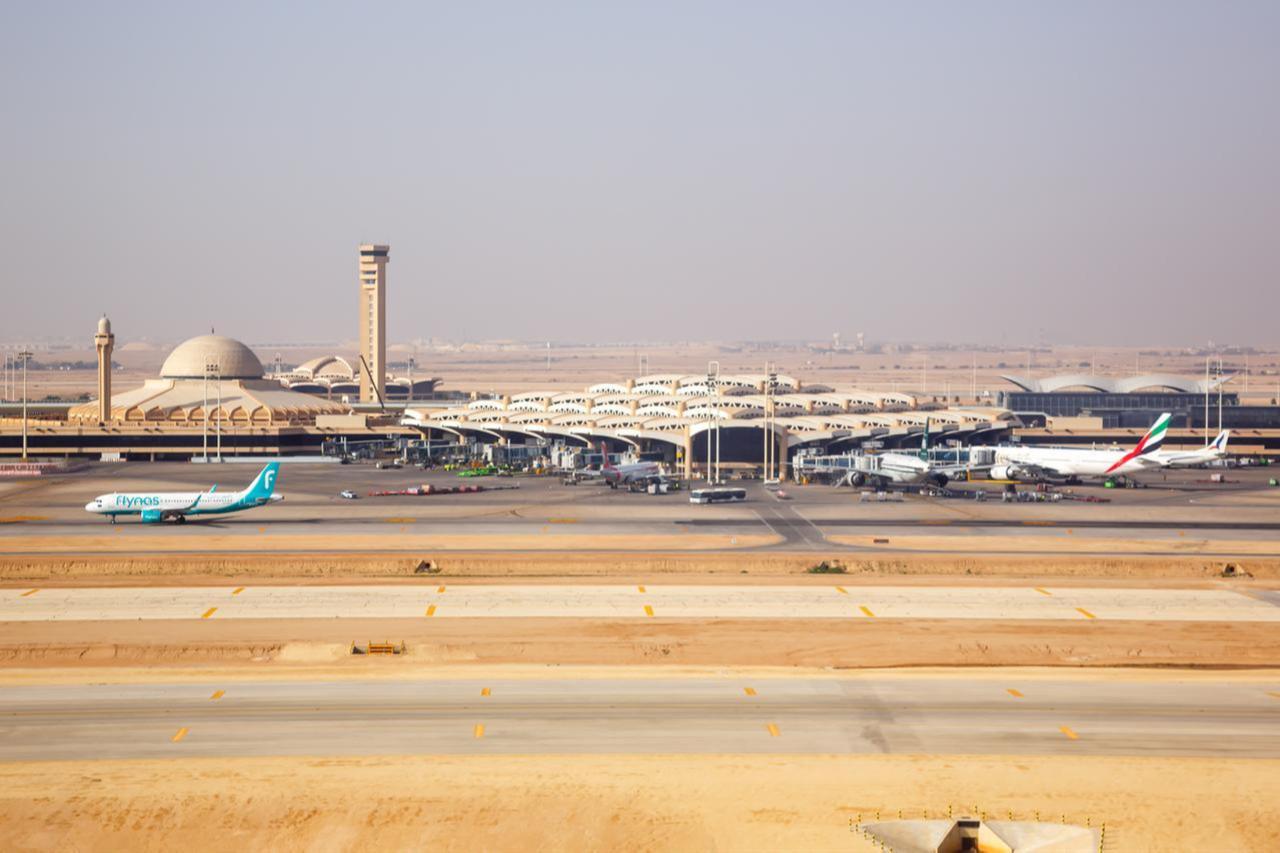


Arab airlines have suspended or canceled flights to Saudi Arabia after Iran-backed Houthis targeted five airports across the country, including King Khalid International Airport in Riyadh, over the past week, killing at least 20 people and injuring hundreds.
The airport, the hardest-hit facility with five attacks, remains closed, with operations suspended through Oct. 17. Saudi Arabia's General Authority of Civil Aviation has extended the shutdown until further notice as authorities conduct safety inspections and assess the airport's readiness to resume operations.
Bahrain's Gulf Air canceled flights to and from Riyadh scheduled for Oct. 12-17, while Qatar Airways temporarily suspended services to Riyadh and Dammam because of the latest developments.
Etihad Airways, based in the United Arab Emirates, canceled all flights between Abu Dhabi and Riyadh through Monday, Oct. 19. The airline also scrapped Abu Dhabi-Dammam services scheduled for Tuesday and Wednesday, along with some flights between Abu Dhabi and Jeddah through Thursday.
Kuwait Airways had already canceled Riyadh flights on Oct. 10-11 following the airport's temporary closure. EgyptAir also suspended flights from Cairo and Alexandria to Riyadh on Oct. 10, saying services would remain halted until the airport reopened.
With flights canceled, Saudi Arabia's embassies in Qatar, Bahrain, Oman, the UAE and Kuwait announced plans to arrange bus services to Riyadh for Saudi citizens seeking to return to the capital.
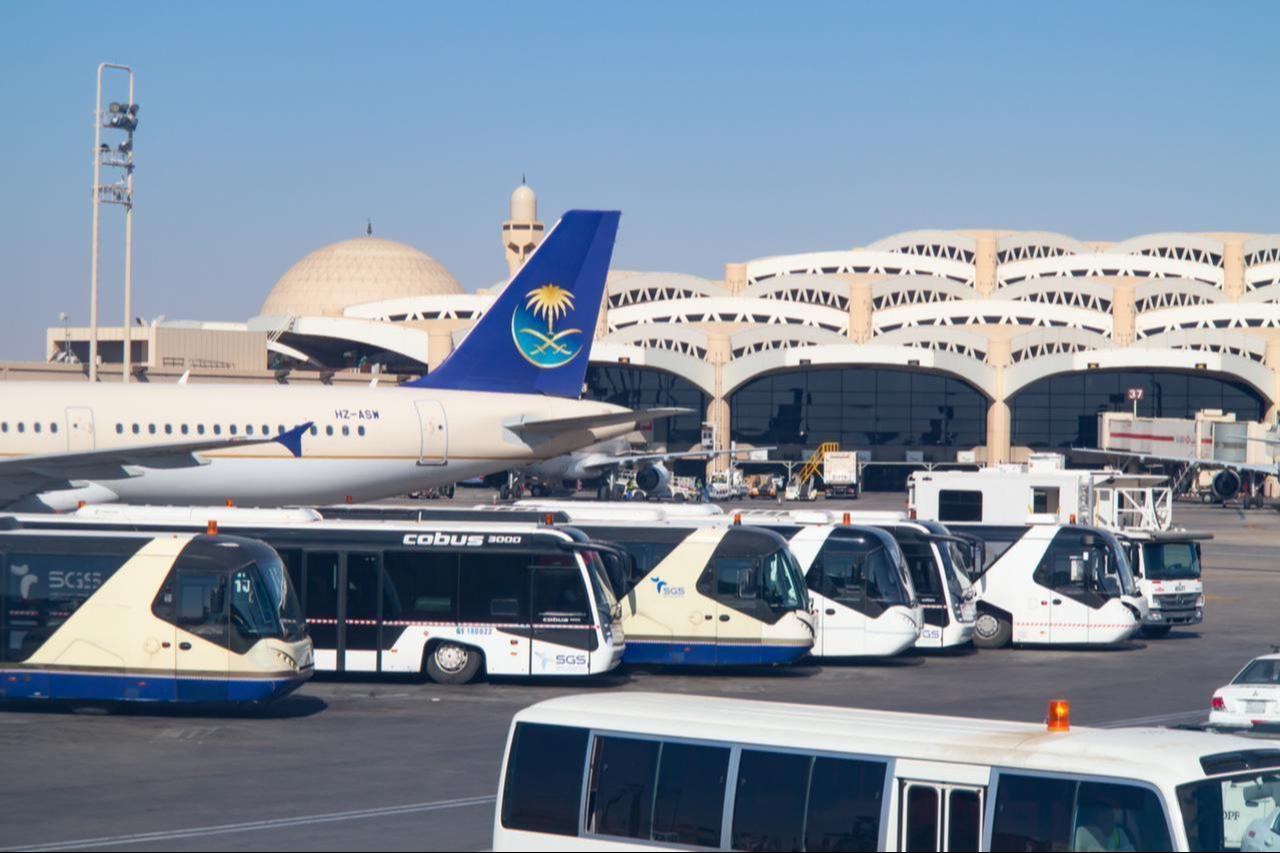

Houthi attacks mainly targeted King Khalid International Airport, while King Fahd International Airport in Dammam, in the country's eastern province, has been targeted twice. Abha International Airport in the south, King Abdullah bin Abdulaziz International Airport in Jazan, and Najran International Airport have each been attacked once.
European aviation authorities have also widened warnings over Saudi airspace following the attacks, with the European Union Aviation Safety Agency (EASA) advising airlines not to operate in designated parts of the country's airspace at any altitude.
The agency warned that missile and drone strikes, air-defense interceptions, and falling debris pose increased risks to civilian aircraft, including during takeoff and landing. It also urged operators to exercise caution in the remaining affected airspace and maintain contingency plans.


 Set as preferred source
 Set as preferred source


 1 min read
 1 min read