Sign in
 Newsletters


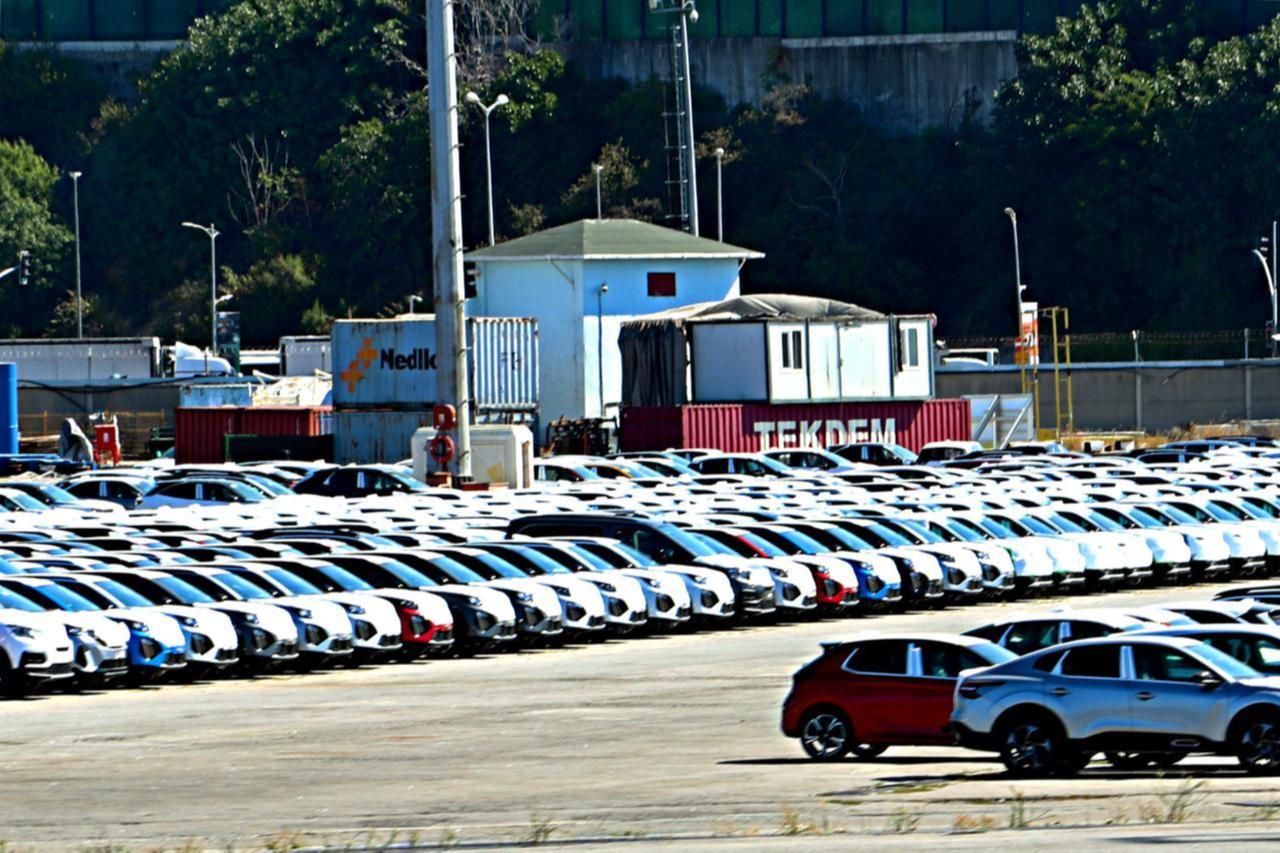


The European Union has imposed temporary quotas on hybrid car imports from Türkiye and other countries, capping Turkish shipments at 126,320 vehicles through June 18, 2027, as Brussels moves to shield European automakers from a surge in lower-priced imports.
Under a regulation published by the European Commission on Nov. 24, the restrictions will take effect on Dec. 1, 2026, and remain in place for 200 days. The measures cover imports from all countries, with exemptions for certain trading partners and developing economies.
Imports exceeding the allocated quotas will not be allowed to enter the EU market, according to a regulation published in the EU's Official Journal on Tuesday.
Türkiye's Trade Minister Omer Bolat urged Brussels earlier this week to exempt Turkish automakers from the hybrid vehicle safeguard measures, citing the Customs Union, which has eliminated tariffs and quantitative restrictions on industrial goods traded between the two sides since 1996.
He also warned that the EU's proposed "Made in EU" rules could shut Turkish manufacturers out of European industrial support schemes, disrupt established supply chains and deter investment, putting $233 billion in bilateral trade at risk.
The temporary restrictions cover full hybrid electric vehicles (HEVs), plug-in hybrid electric vehicles (PHEVs) and mild hybrid electric vehicles (MHEVs).
The Commission has divided Türkiye's allocation into three periods, with the largest share available during the first five months of the restrictions.
Türkiye can export up to 56,844 hybrid vehicles to the bloc between Dec. 1, 2026, and Feb. 28, 2027. The quota rises to 58,107 vehicles for March-May 2027 before falling to 11,369 vehicles for the final period between June 1 and June 18.
Before the move, Türkiye's hybrid vehicle shipments to the bloc reached 199,182 vehicles in 2025, up from 177,074 in 2023 and 185,194 in 2024.
Imports from Türkiye totaled 207,454 vehicles during the 12 months through May 2026, according to the Commission.
China, meanwhile, receives a larger allocation of 191,780 vehicles, split into quotas of 86,301, 88,219 and 17,260 vehicles across the same three periods.
Chinese hybrid car imports into the EU climbed from 46,001 vehicles in 2023 to 302,403 in 2025. They reached 486,582 vehicles during the 12 months through May 2026.
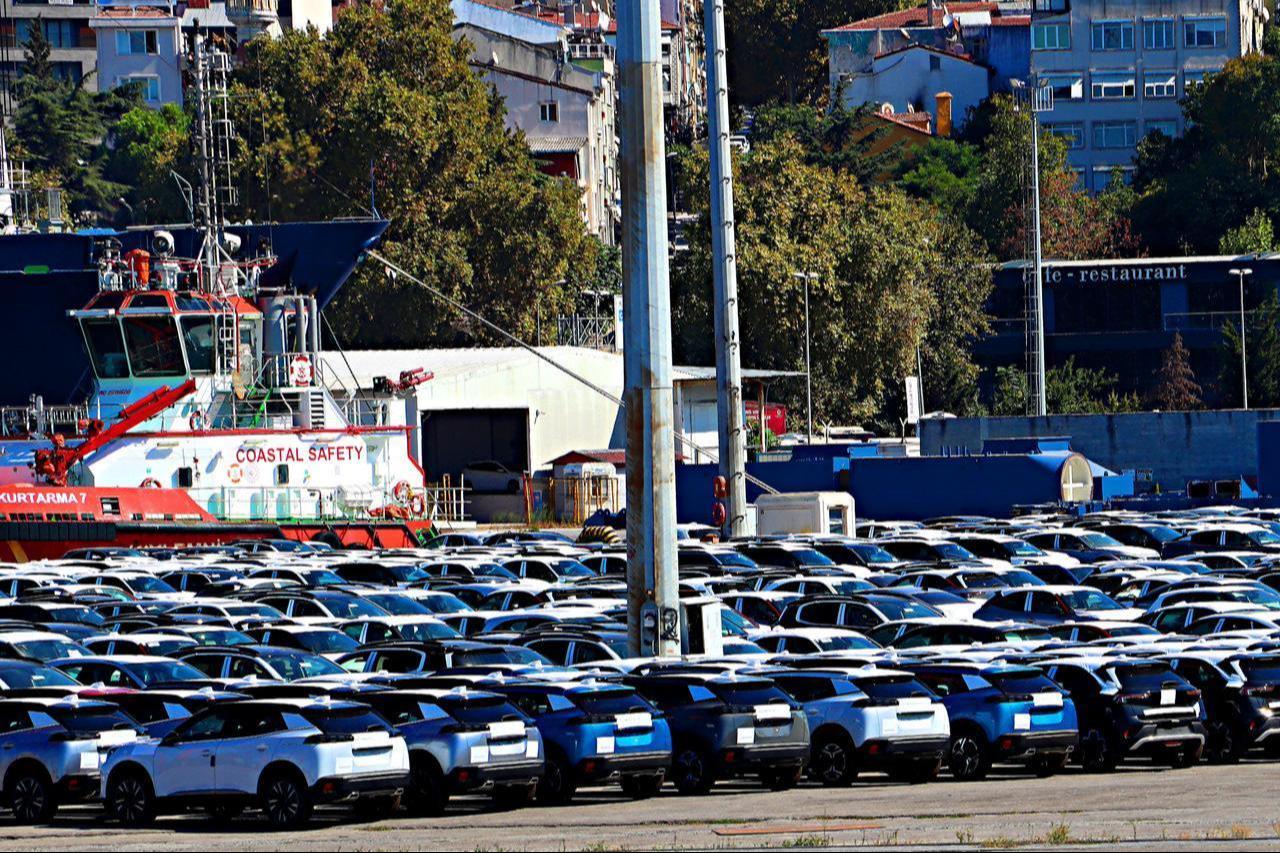

The Commission's safeguard investigation found that hybrid car imports from third countries increased by 49% from 2023 to 1,423,691 vehicles during the 12 months through May 2026.
The investigation also found that imported hybrid vehicles were priced, on average, 18% below comparable models manufactured by EU producers.
As imports gained ground, European manufacturers lost some of their market share. Their share of the EU hybrid car market fell from 74% in 2025 to 72% during the most recent period examined, while the share of imported vehicles increased from 26% to 28%.
Profitability among EU hybrid car producers also dropped by 57% compared with 2023 levels.
The Commission concluded that the rising imports had not yet caused serious injury to the bloc's automotive industry but posed a threat of serious injury in the near future.
The European Economic Area, Ukraine and Kenya are among those excluded from the measures, alongside certain developing countries that meet the specified conditions.


 Set as preferred source
 Set as preferred source


 1 min read

 1 min read