Newsletters




EU finance ministers have agreed to expand the bloc’s market watchdog powers to unify capital markets, lower financing costs and help European companies compete with U.S. and Asian rivals.
The deal, reached Friday in Luxembourg, aims to streamline financial market supervision by bringing major exchanges and crypto platforms under the direct oversight of the Paris-based European Securities and Markets Authority (ESMA), which currently coordinates national regulators.
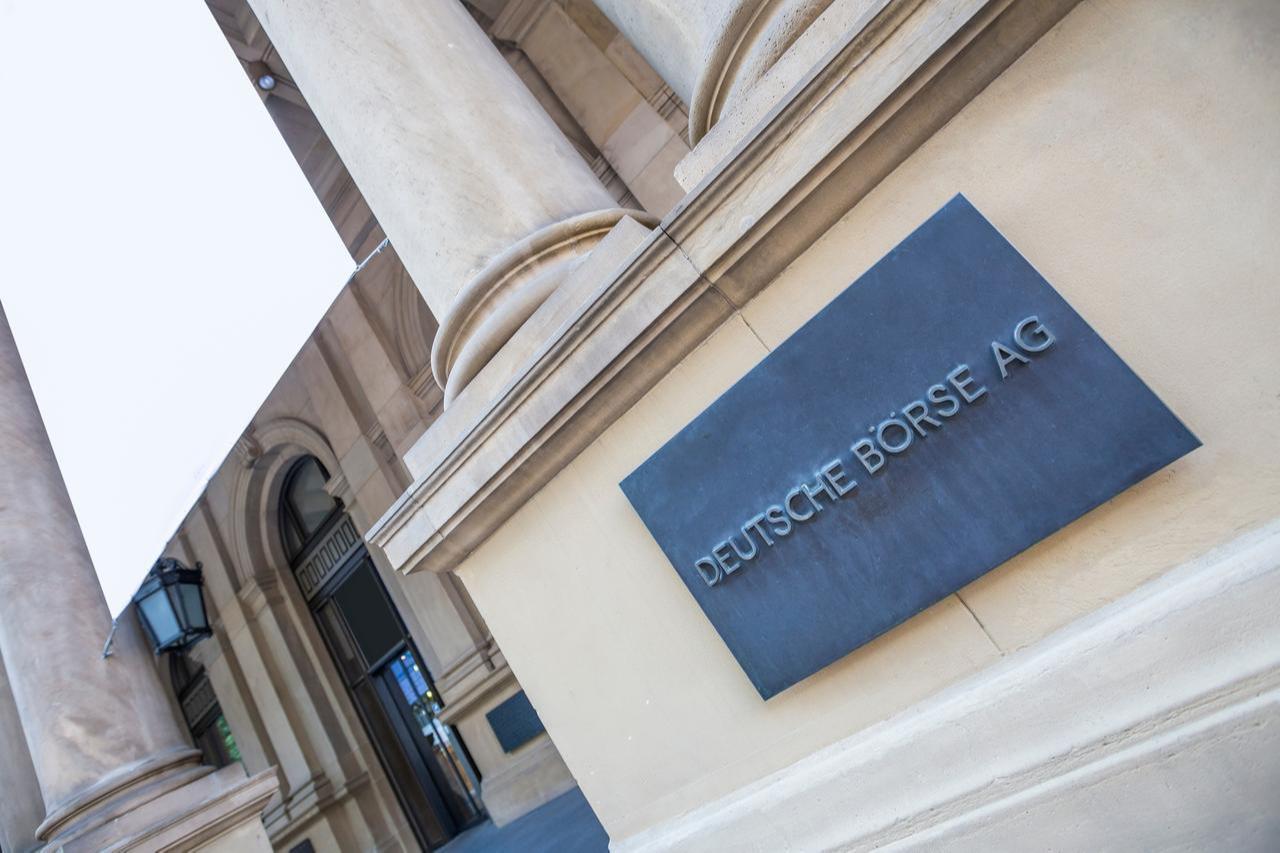
Germany secured an exemption for Deutsche Borse, the operator of the Frankfurt Stock Exchange, prompting concerns among smaller member states that the carve-out could undermine the reform.
The agreement must still be negotiated with the European Parliament before becoming law, with the EU aiming to finalize the legislation by the end of the year.
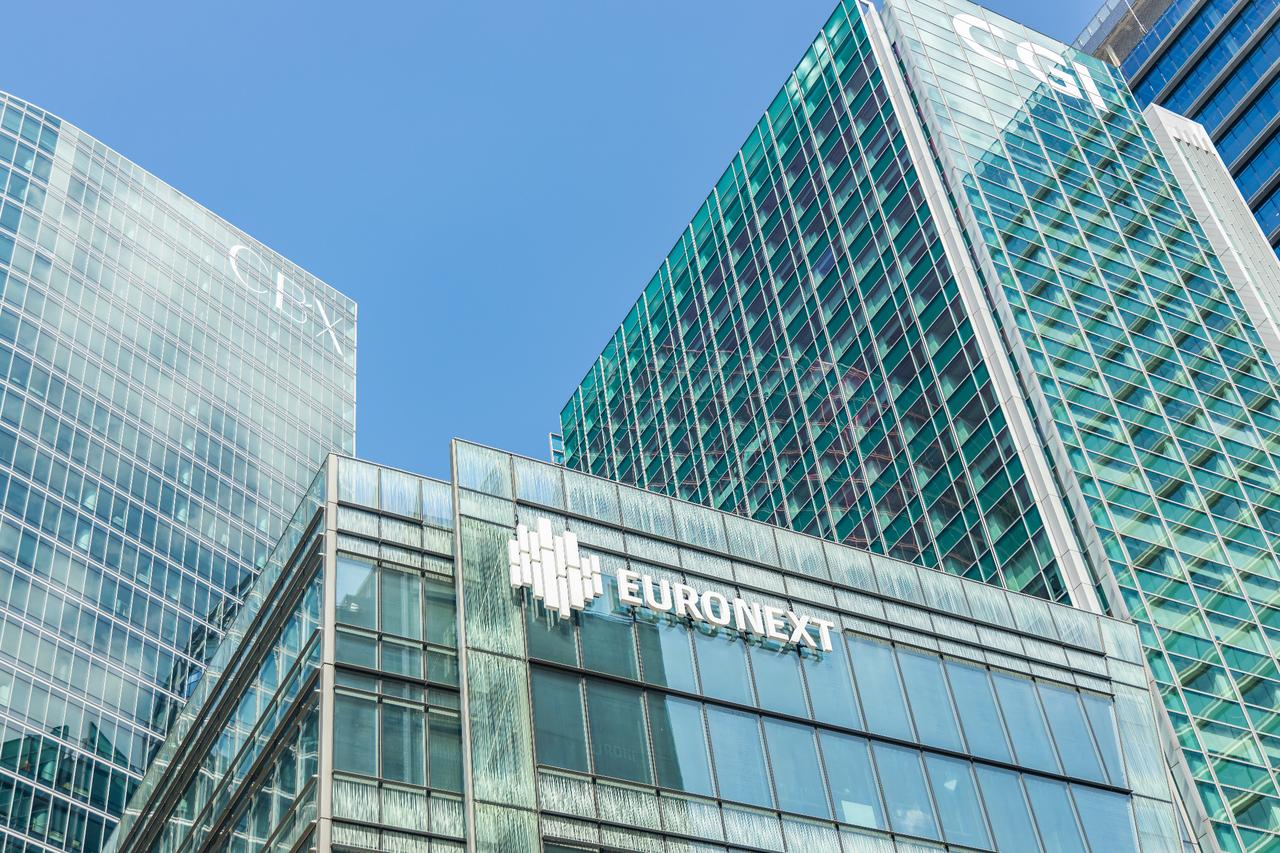
Under the agreement, ESMA will directly supervise eight trading venues, post-trading infrastructure and some cryptocurrency exchange platforms. The venues expected to fall under its oversight include Euronext, Nasdaq, Cboe, Tradeweb and the European subsidiaries of London Stock Exchange Group.
Berlin argues that Deutsche Borse lacks the extensive cross-border operations needed to justify direct EU supervision, unlike Euronext, which operates exchanges in Paris and Milan.
"This isn't about granting special exemptions or carve-outs for any particular stock exchange," German Finance Minister Lars Klingbeil said Thursday.
The exemption has drawn criticism from countries including Luxembourg and Belgium, which fear it could preserve differences in how financial markets are regulated across the bloc.
The compromise also allows nine national regulators acting jointly to challenge draft binding decisions by ESMA, although the watchdog can override their objections.
Critics say safeguards risk adding costs and bureaucracy, with some EU diplomats warning that ESMA oversight could put markets at a competitive disadvantage.
European Commissioner for Financial Regulation Maria Luis Albuquerque also criticized the deal, arguing that it falls short of the ambition needed to establish an effective supervisor.
Irish Finance Minister Simon Harris, who chaired the negotiations, defended the agreement as a workable compromise after months of talks.

The reform forms part of the proposed Savings and Investments Union, which combines the Capital Markets Union and the Banking Union. Brussels hopes the initiative will channel more of Europe’s savings into investment and improve companies’ access to financing.
The European Commission argues that the current system, with 27 national regulators overseeing more than 35 stock exchanges, 17 central counterparties for clearing and 28 central securities depositories for settling trades, fragments markets, limits liquidity and raises financing costs.
By consolidating supervision, the EU aims to make cross-border investment easier and help European businesses grow without seeking funding overseas.
France’s financial markets regulator chief, Marie-Anne Barbat-Layani, described the wider initiative in March as "just as important as the euro was at the time."
Separately, the EU Council has appointed Carlo Comporti as ESMA chair. He will take office on Nov. 1, 2026, for a five-year term that can be renewed once.
Comporti currently serves as a commissioner at Italy’s Companies and Stock Exchange Commission (CONSOB) and sits on ESMA’s board of supervisors and management board. The European Parliament endorsed his appointment on Sept. 15.


 Set as preferred source
 Set as preferred source


 1 min read
 1 min read