Newsletters


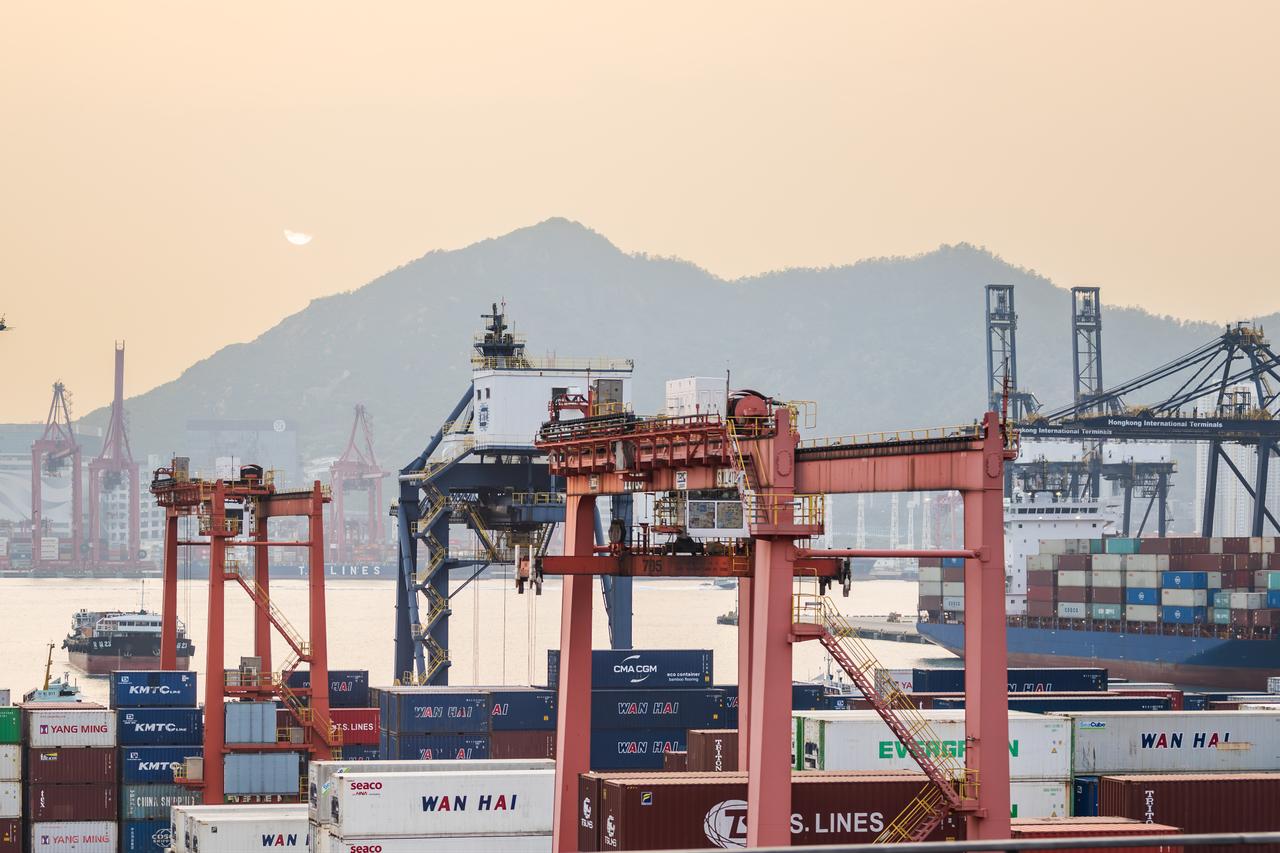


Germany is reportedly pushing the European Union to expand import quotas on Chinese goods beyond hybrid vehicles, targeting sectors such as chemicals, mechanical engineering and potentially pharmaceuticals as the bloc seeks to curb a growing trade imbalance with Beijing.
Berlin plans to press the European Commission to draw up proposals by the end of the year, Bloomberg reported.
The proposed safeguard measures would allow the EU to restrict imports from sectors experiencing a surge in foreign goods, giving the bloc a broader set of tools to protect its domestic industries.
 2 min read
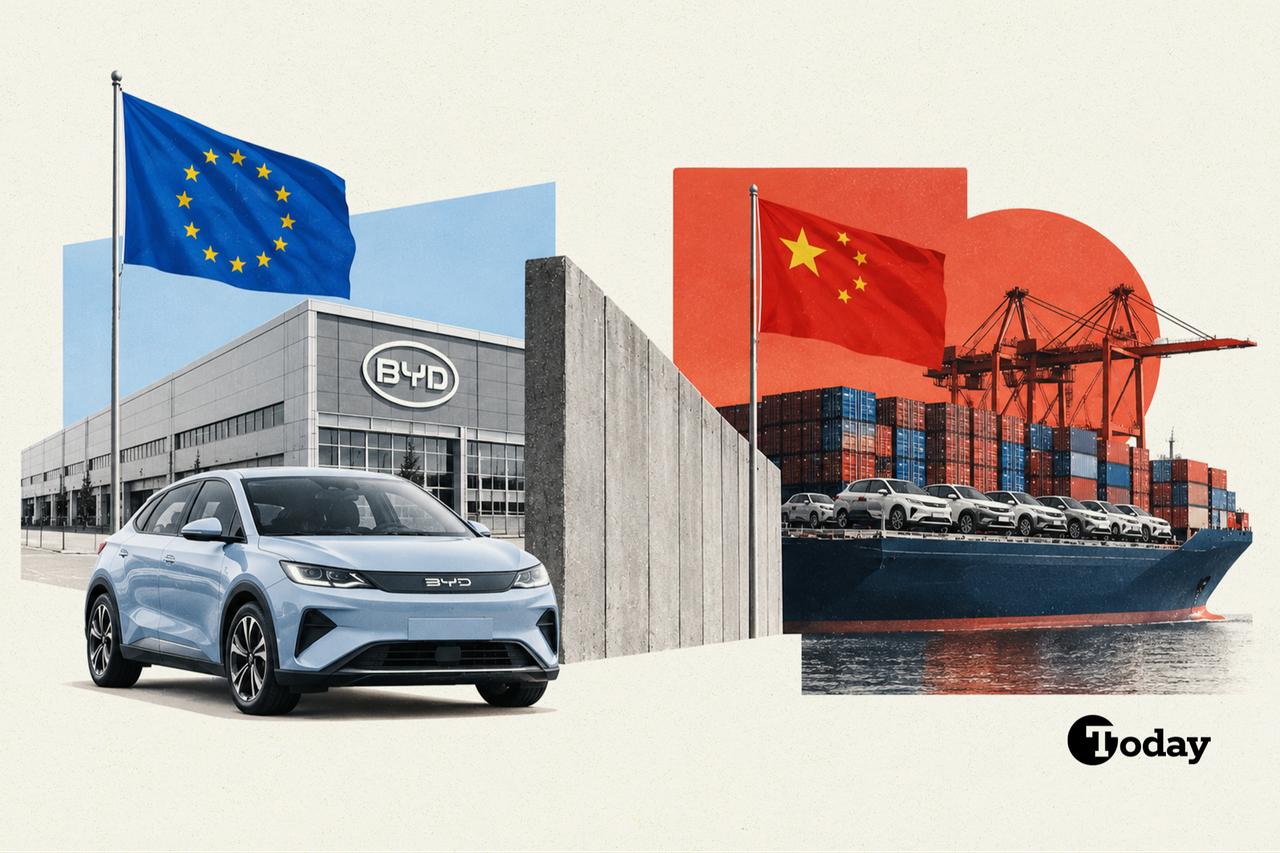
EU leaders are set to discuss the bloc's trade relationship with China in Brussels on Thursday, as officials seek to address a deficit that reached €1 billion ($1.2 billion) a day last year.
The discussions follow an agreement reached in Beijing last week under which the EU plans to cap Chinese hybrid vehicle imports at 350,000 a year, potentially cutting shipments by more than half from the 800,000 units the bloc expects in 2026. The arrangement is due to take effect in 2027 for four years, with the quota increasing by 6% annually from the second year onward.
European officials are looking for ways to counter the influx of subsidized, low-cost Chinese goods that put pressure on local manufacturers. Extending restrictions beyond the automotive sector is emerging as part of that effort.
China's Commerce Ministry described the agreement as a way to prevent further trade friction and provide a more stable environment for bilateral commerce.
EU economics chief Valdis Dombrovskis described the planned cap on Chinese hybrid vehicle imports as an initial step, arguing that the trade imbalance extends well beyond cars.
"It's clear that those economic and trade imbalances are not limited to automotive," Dombrovskis said in an interview in Bangkok on Tuesday. "We need to continue this work also across different other sectors."
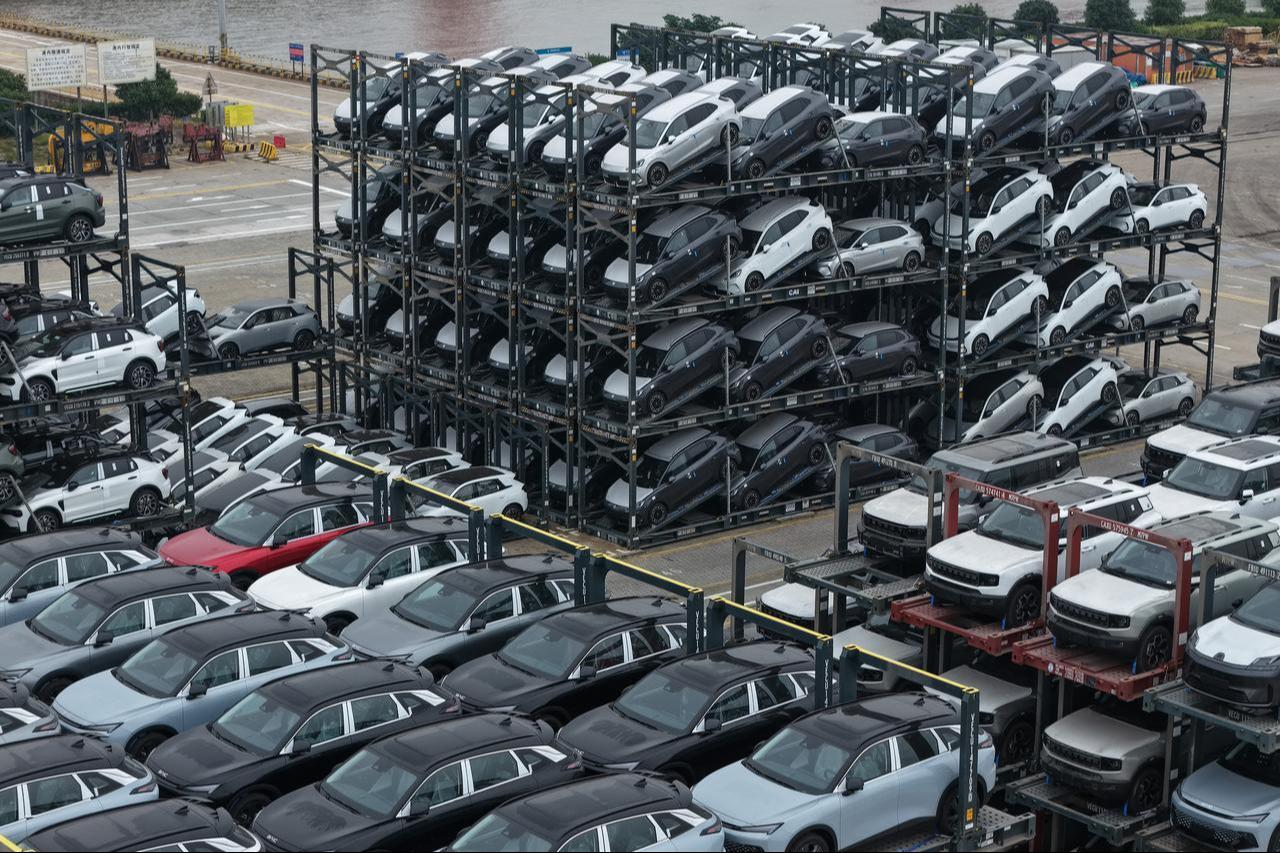

German Chancellor Friedrich Merz and French President Emmanuel Macron are pushing for EU leaders to reach a political agreement authorizing the European Commission to develop stricter trade measures.
The report further suggested that the two leaders are also expected to discuss additional support for the bloc's struggling automotive industry on the sidelines of the summit.
A potential compromise would see France move closer to Germany's position on phasing out internal combustion engine cars, while Berlin eases its opposition to proposed "Buy European" rules.
The measures would favor EU-made goods in public procurement and selected strategic industries, potentially requiring products bought with public money to meet minimum European-content thresholds.
The push for tougher trade measures comes as China's export growth accelerates. Chinese exports rose 36% last month from a year earlier, according to the country's General Administration of Customs.
China's trade surplus is on track to exceed the $1.2 trillion record set in 2025. The surplus for the first nine months of this year has already reached $938 billion, almost 8% above the same period last year.


 Set as preferred source
 Set as preferred source


 1 min read