Newsletters


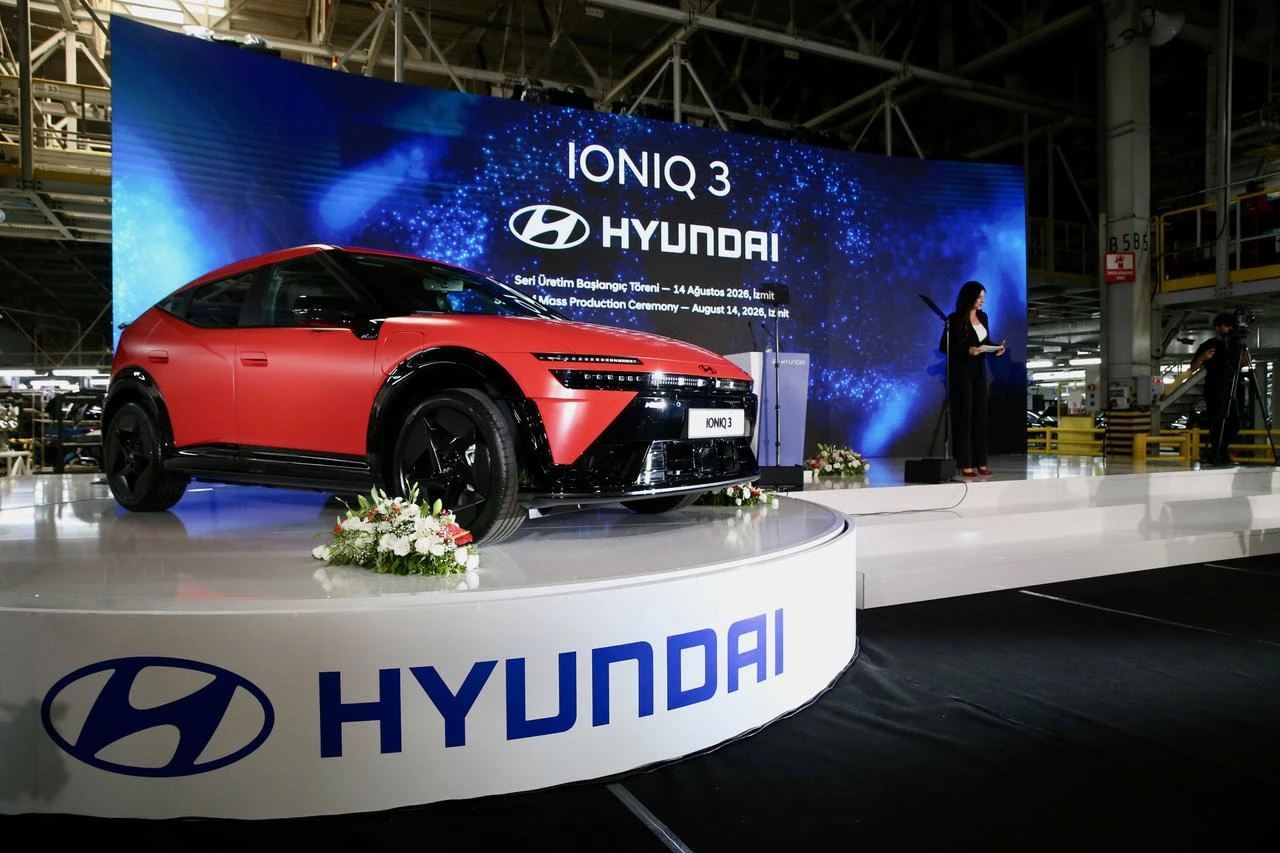


Excluding Türkiye from the European Union’s "Made in EU" framework could create a "lose-lose" outcome by raising vehicle costs and disrupting an automotive production ecosystem built over decades, Hyundai Motor Europe President Xavier Martinet cautioned.
Martinet made the remarks to reporters who visited Hyundai’s Izmit plant last week, where the automaker started producing the fully electric IONIQ 3 in Türkiye, becoming the first international automaker to launch fully electric vehicle production in the country.
Pointing to balanced trade between Türkiye and Europe, Martinet noted that vehicle exports from the EU to Türkiye and from Türkiye to the EU were also relatively close. He also highlighted the Customs Union, which has linked Türkiye and the EU for more than 30 years.
"Based on all these reasons, our hope and expectation is that Türkiye will be treated fairly and included in the requirements under the Industrial Accelerator Act (IAA)," Martinet said.
The Industrial Accelerator Act (IAA) is an EU legislative proposal aimed at strengthening European industrial production and increasing demand for low-carbon products made in Europe.
Turkish automakers are concerned that the proposed "Made in EU" rules could disadvantage vehicles assembled in Türkiye, even though Turkish-made components can qualify as equivalent to EU-origin content under the Customs Union. Negotiations on the framework are still ongoing, with the final rules yet to be agreed.
Martinet said excluding Türkiye from the framework could have "quite negative consequences," arguing that the country should be considered one of Europe’s leading partners. He added that Hyundai had already developed alternative scenarios in case Türkiye was excluded, although the company had not activated them.
"When you produce a car, there is not only a car factory; there are many suppliers around the factory and they have their own suppliers. A real production ecosystem emerges. Changing this is not easy," he said.
Martinet argued that including Türkiye in the framework was the most rational approach. "If it is not included, we will have to look at alternative scenarios. However, I think this would create a lose-lose situation for everyone, rather than a win-win situation," he said.
He added that moving production to Europe could increase costs at a time when the bloc is also seeking to cut carbon emissions, increase localization and keep vehicles affordable.
"If customers in Europe can no longer afford to buy some vehicles because of higher prices, then not only the customers but Europe could also lose," Martinet said.
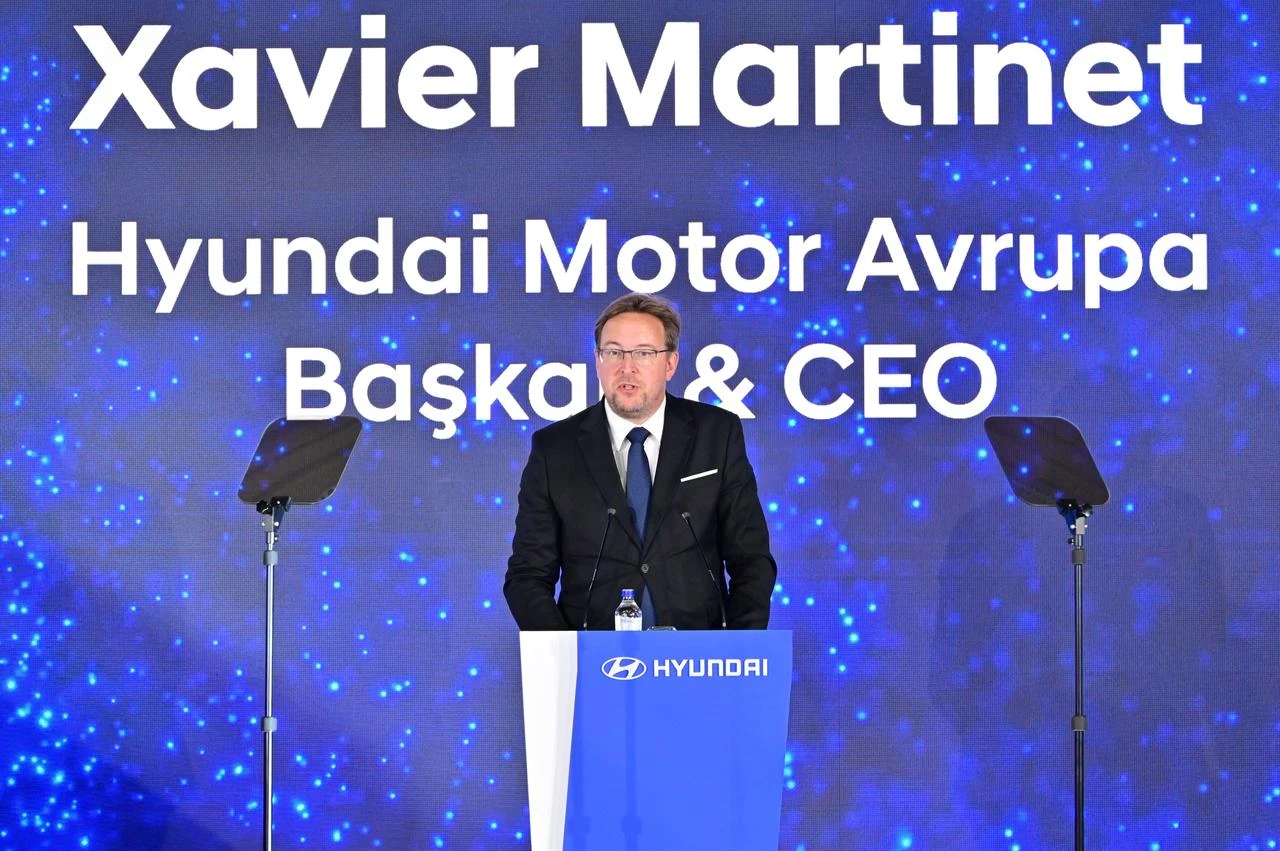

Martinet described Türkiye as a long-term strategic asset for Hyundai’s European operations. He noted that the country had previously focused more heavily on smaller internal-combustion vehicles, while electric vehicle production marked a new phase in 2026.
He said the country’s automotive technology base could eventually expand to include hydrogen, electric vehicles and other powertrain systems, while Türkiye remained a core part of Hyundai’s global industrial organization.
Martinet also pointed to Türkiye’s tax system as a major factor in automakers’ pricing decisions.
He noted that changes in tax brackets could affect the total price of a vehicle rather than only the portion above a particular threshold, making tax bands an important consideration in pricing strategies.
Automakers continuously optimize prices for different models and versions, he explained, to create a structure that allows manufacturers, dealers and consumers to benefit.
"I can say that your tax system is quite creative. Everyone has almost become an expert trying to find the right price level for a vehicle," Martinet said.
Hyundai is Türkiye’s second-largest passenger-car producer, producing 197,000 vehicles in 2025, accounting for roughly a fifth of the country’s total passenger-car production. Its exports reached 156,500 vehicles, representing more than a quarter of Türkiye’s total passenger-car exports.


 Set as preferred source
 Set as preferred source


 1 min read
 1 min read