Newsletters


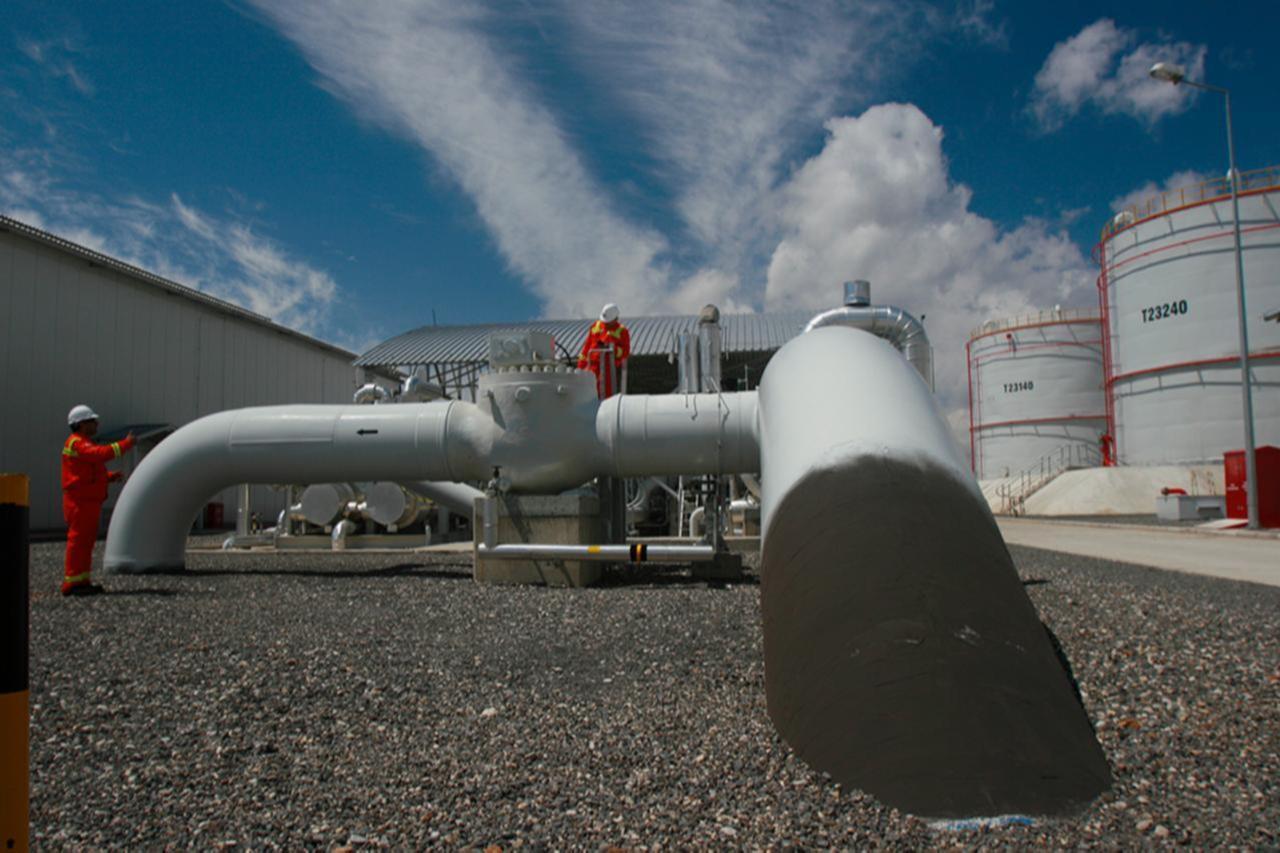


Kazakhstan’s major oil producers are reportedly studying a new export route through the Caspian Sea, Azerbaijan and Türkiye as repeated Ukrainian drone attacks disrupt the country’s main oil route through Russia.
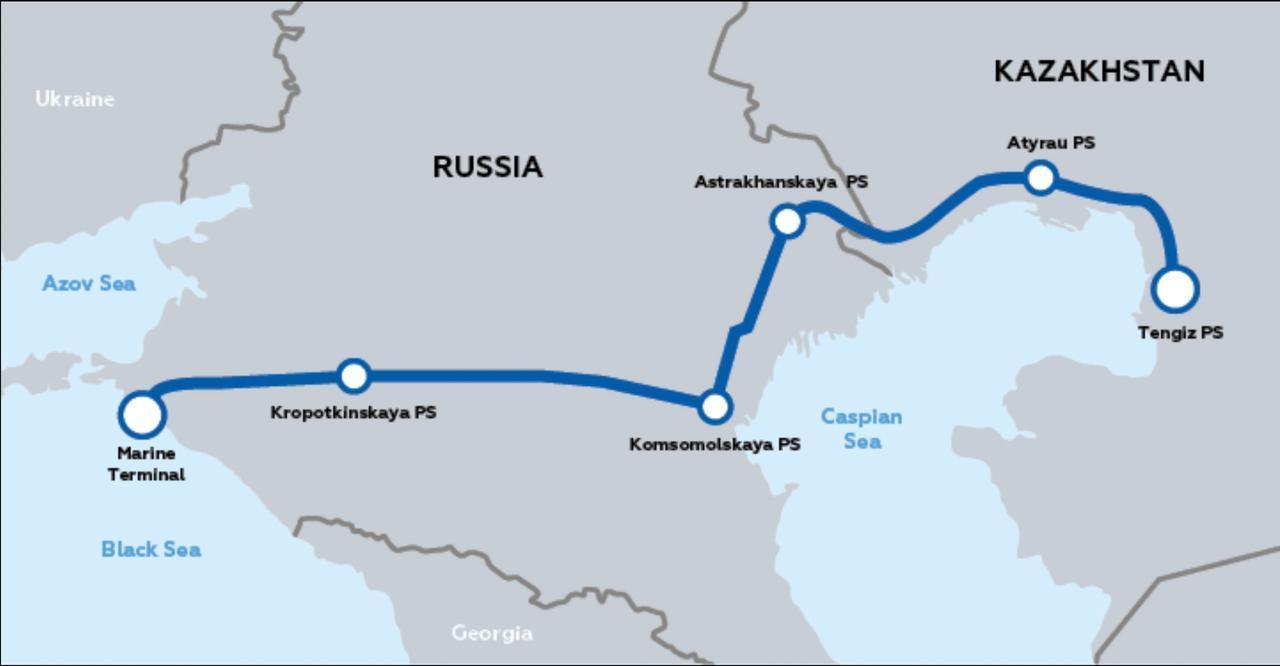
A working group representing eight shareholder companies in Kazakhstan’s Tengiz and Kashagan oil fields has jointly commissioned a feasibility study for the alternative route. The plan would move oil from Atyrau to Aktau, across the Caspian Sea to Baku, then through Georgia and the Baku-Tbilisi-Ceyhan (BTC) pipeline to Ceyhan in Türkiye.
A subsea pipeline or a much larger tanker fleet is being considered as the two main options for the Caspian crossing, which could eventually handle up to 35 million metric tons of oil a year—more than half of the volume Kazakhstan sends through Caspian Pipeline Consortium (CPC) and nearly 30 times its current shipments across the Caspian.
Nurlan Zhumagulov, executive director of the Energy Monitor Fund, a Kazakh oil-sector think tank, told Nikkei Asia that the route will be much more expensive than the CPC route. The feasibility study is due to be presented to shareholders in November, when the companies will decide whether to move forward. Building a pipeline would take years, according to Zhumagulov.
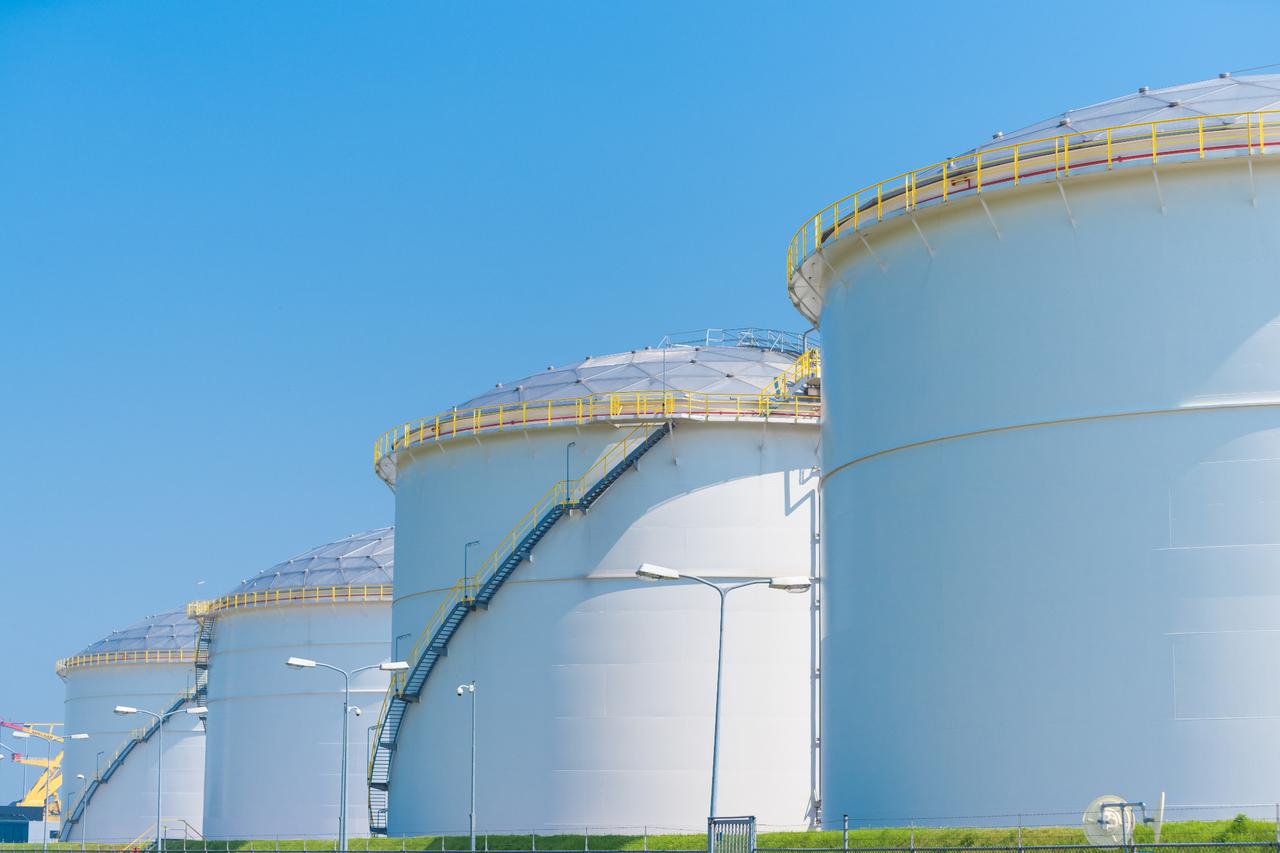
The push for another outlet comes as Kazakhstan’s oil production capacity expands. U.S-based Chevron recently completed a $48 billion expansion of the Tengiz field, which the company says can add about 12 million tons of annual capacity and bring production to around 1 million barrels of oil equivalent a day.
Nearly all Tengiz production currently leaves through CPC, while other routes can handle only a fraction of those volumes.
Drone attacks on tankers halted loadings at the CPC terminal in July. Combined with disruptions in January and June, the interruptions cut Kazakhstan’s total oil output by 3.5 million tons this year, according to Kazinform.
Kazakhstan has consequently lowered its 2026 production target to 96 million tons, down from last year’s record 99.6 million tons.

Kazakhstan has limited options if CPC operations are disrupted again. Oil that can be diverted at short notice by rail or through ports amounts to about 100,000 tons a month, which would cover less than a day of Tengiz production, Zhumagulov said.
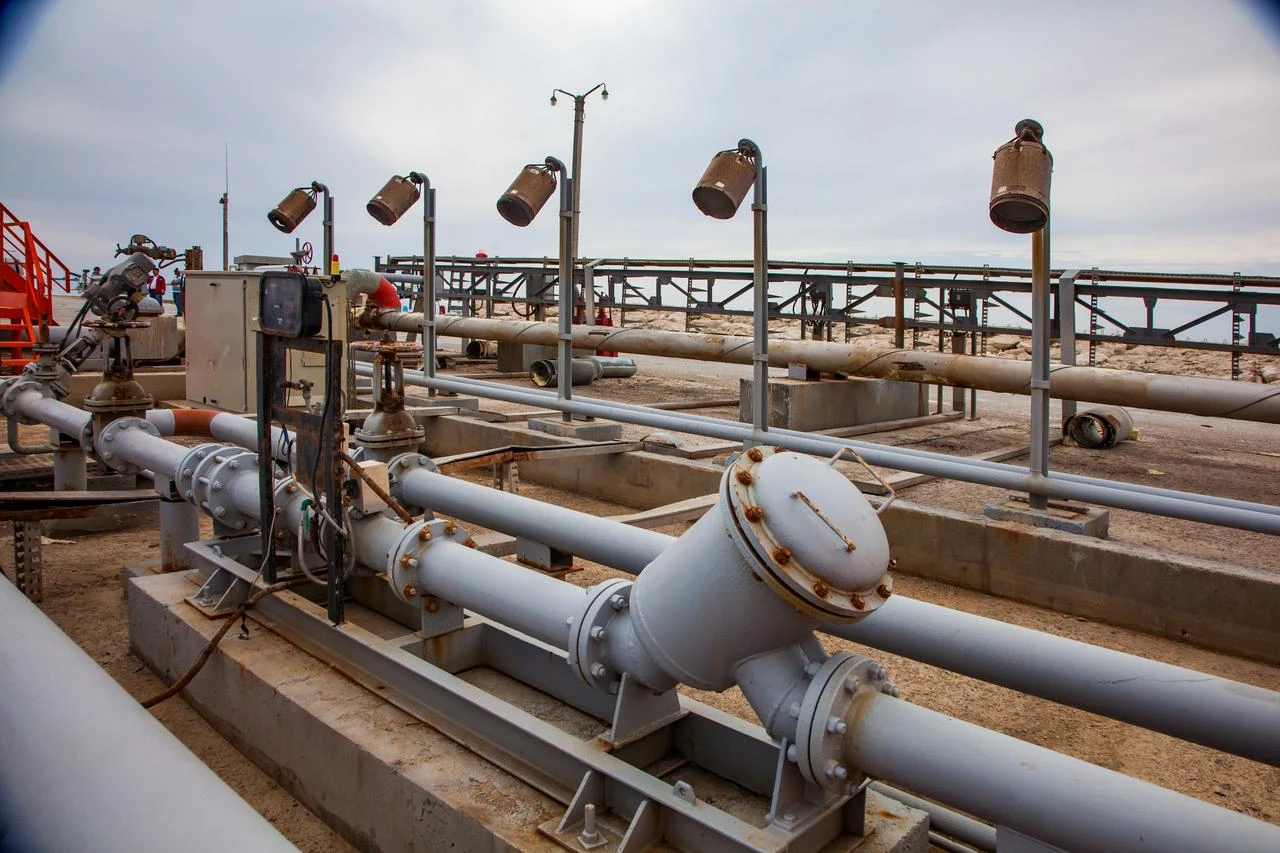
Oil from the Tengiz and Kashagan fields reaches Aktau by rail because there is no pipeline connecting the fields directly to the port. Narymbetov pointed to the scale problem, noting that each tank car holds 60 tons while CPC carries more than 60 million tons annually.
President Kassym-Jomart Tokayev ordered Kazakhstan to increase shipments through the Trans-Caspian Corridor and the Baku-Tbilisi-Ceyhan route in 2022 after a Russian court ordered CPC suspended in a ruling that was later overturned.
President Recep Tayyip Erdogan called in May for larger volumes of Kazakh oil to be transported to global markets through Türkiye, as he and President Kassym-Jomart Tokayev discussed expanding the Trans-Caspian East-West Middle Corridor. Erdogan said Türkiye, Kazakhstan and other partners would promote the corridor for transporting energy resources to Western markets.
Kazakhstan has since been increasing shipments through the Baku-Tbilisi-Ceyhan pipeline. It transported more than 1 million tons of oil through BTC in the first eight months of 2026, up 12% from a year earlier, according to KazTransOil.


 Set as preferred source
 Set as preferred source


 1 min read
 1 min read