Newsletters




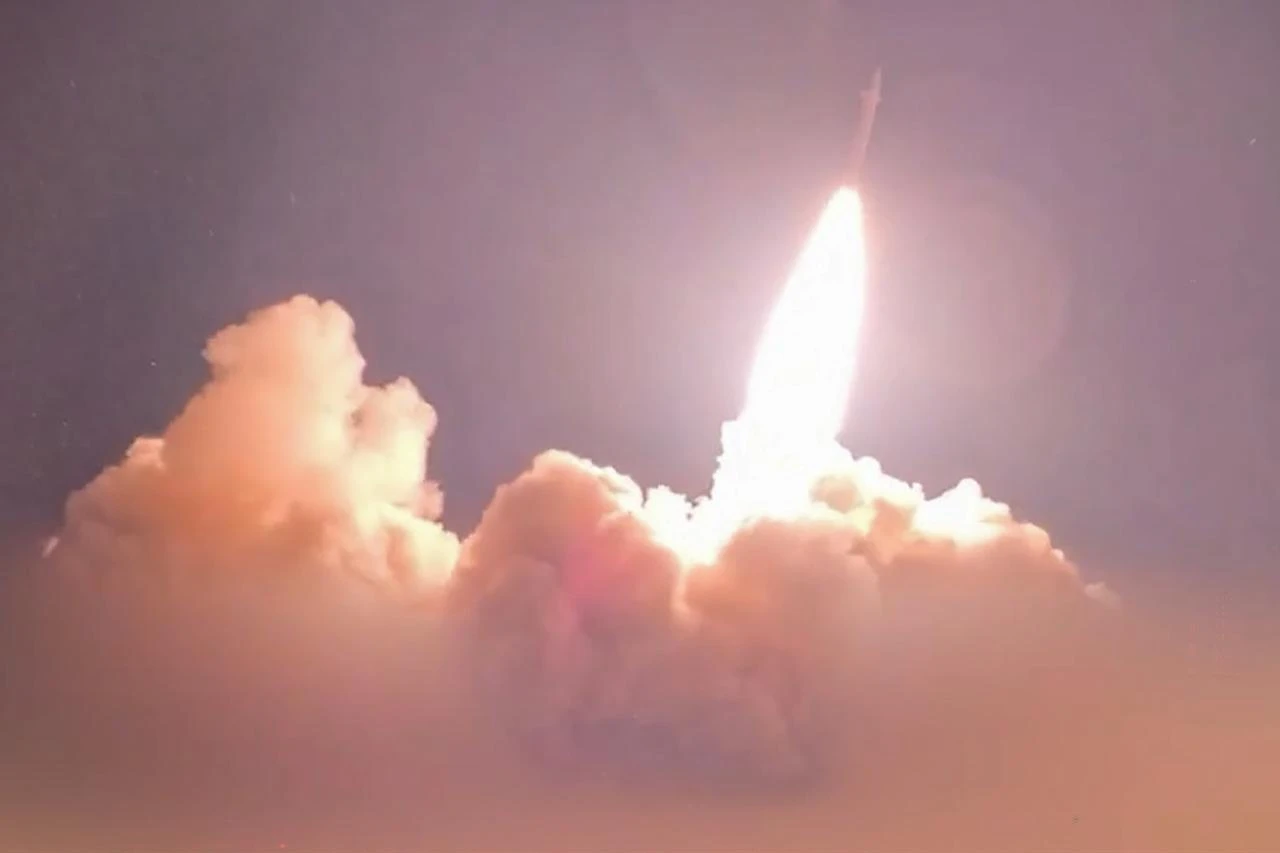
Oil prices extended their winning streak on Friday as the U.S.-Iran exchange of fire in the Middle East spread to new targets, with Tehran hitting a water desalination and power plant in Kuwait and stoking fears of further escalation.
International benchmark Brent and U.S. benchmark WTI both gained over 2% to $86 and $80.9 per barrel, respectively, as of 11:20 a.m. GMT, while global stocks deepened their losses.
Across Asia, Japan's Nikkei 225 tumbled 4%, Hong Kong's Hang Seng fell 1.8% and China's Shanghai Composite shed more than 3%.
Europe also traded lower, with the pan-European Stoxx 600 dropping as much as 0.7%. Germany's DAX fell 0.7% and France's CAC 40 lost 0.8%, while the U.K.'s FTSE 100 edged down 0.1%. Türkiye's Borsa Istanbul dropped 1.9%.
Futures tied to all major U.S. indices also traded lower, with losses in the tech-heavy Nasdaq reaching 1.6%.
Gold remained below the $4,000 mark despite a slight recovery, gaining 0.4% to $3,990 per ounce, while silver slipped 0.1% to $55.4. Palladium declined 0.7% to $1,230, while platinum tumbled 2.9% to $1,566.
Cryptocurrencies also came under pressure, with bitcoin sliding 1.4% to around $63,230 and Ethereum dropping 2.3% to $1,840.


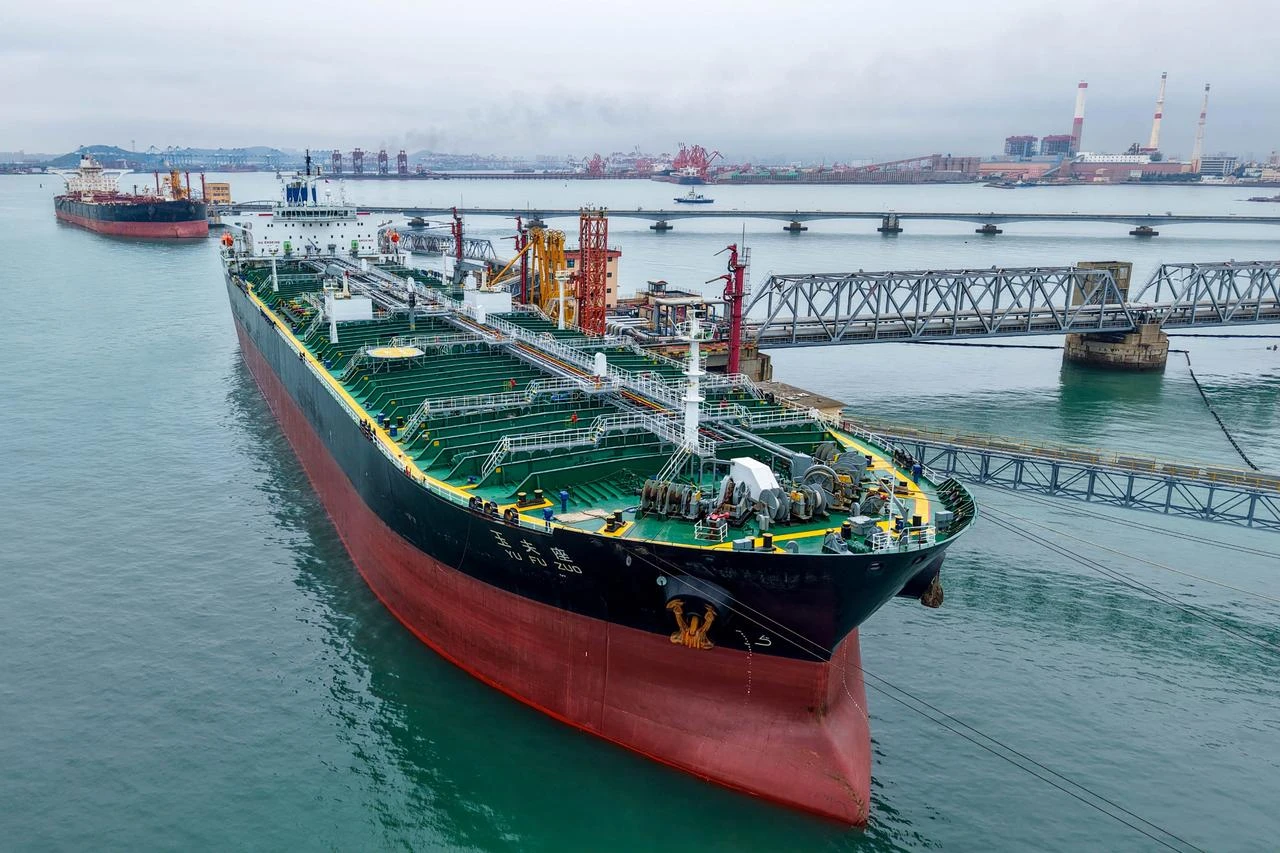
The latest gains in oil came as shipping through the Strait of Hormuz slowed sharply amid renewed U.S.-Iran fighting. Passages through the strait slowed sharply on Thursday, falling to eight transits from 15 the previous day and hitting a three-week low.
The latest decline adds to concerns over the movement of oil and gas supplies from the Gulf, with shipping companies remaining cautious about sending vessels through the narrow waterway as military activity intensifies across the region.
Iran reported that U.S. forces targeted five bridges in southern Iran as Washington widened its bombing campaign against transport and logistics infrastructure, while separate strikes hit a railway station and an airport.
In response, Iran expanded its attacks across the Gulf, with Kuwait reporting that an Iranian strike hit a power generation and water desalination facility, bringing civilian infrastructure further into the conflict.
The attack added to concerns over a broader escalation as U.S. President Donald Trump had previously threatened to target Iranian power plants if Tehran refused to return to negotiations.
According to a Reuters report, Iran has urged Yemen's Houthis to prepare to close the Bab el-Mandeb Strait if the U.S. targets Iranian power infrastructure. Such a move could put further pressure on global energy flows by threatening a second major maritime chokepoint alongside Hormuz.
The Bab el-Mandeb connects the Red Sea with the Gulf of Aden, with about 5.4 million barrels per day of oil and petroleum products passing through the key shipping route.


 Set as preferred source
 Set as preferred source


 2 min read
 1 min read