Newsletters




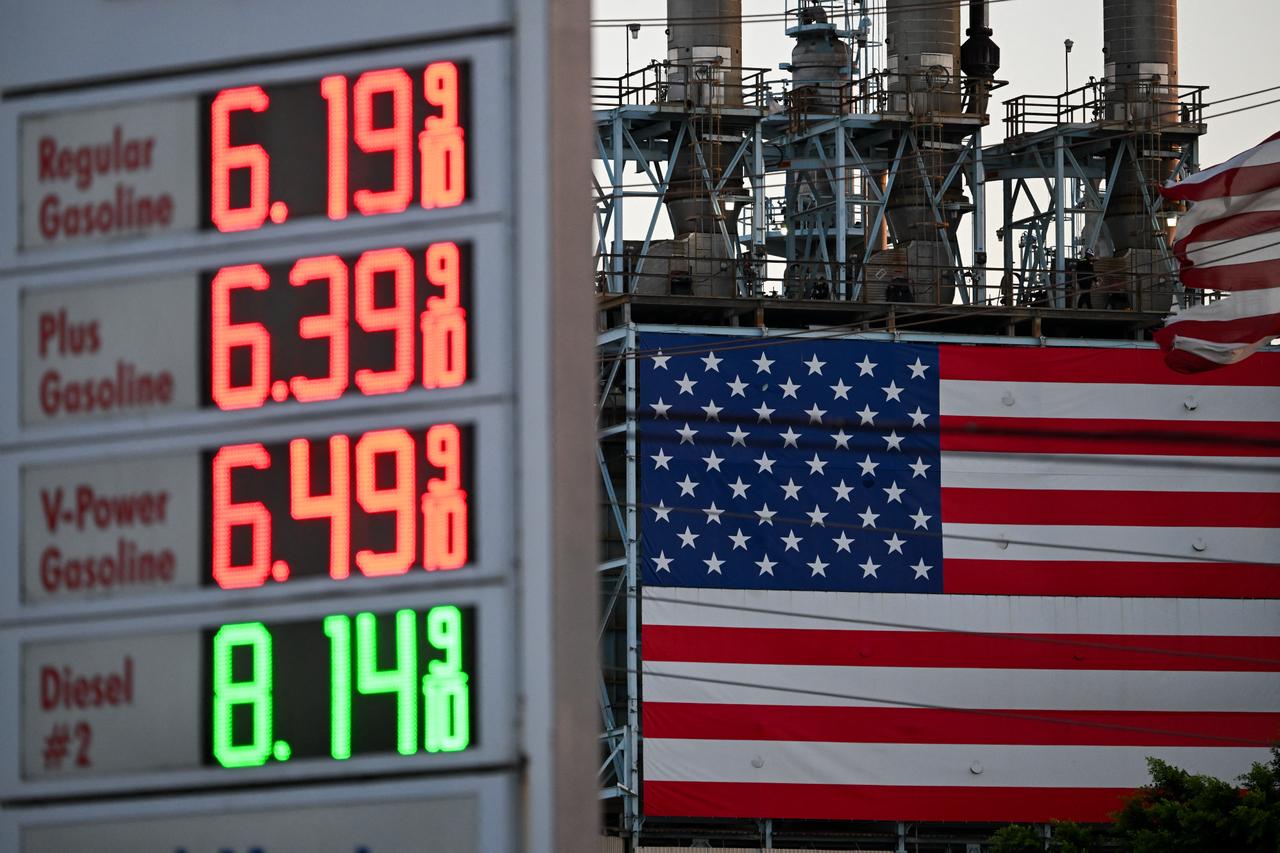
Oil prices extend their decline on Thursday as indirect talks between the U.S. and Iran move forward in Qatar, while a broad sell-off in technology stocks linked to waning enthusiasm over artificial intelligence pressures markets across Asia and beyond.
Brent crude trades near $71 a barrel and U.S. benchmark West Texas Intermediate hovers around $68, both down about 1% as of 7:30 a.m. GMT, as investors keep a close eye on diplomatic efforts that could help stabilize energy supplies and shipping routes in the Middle East.
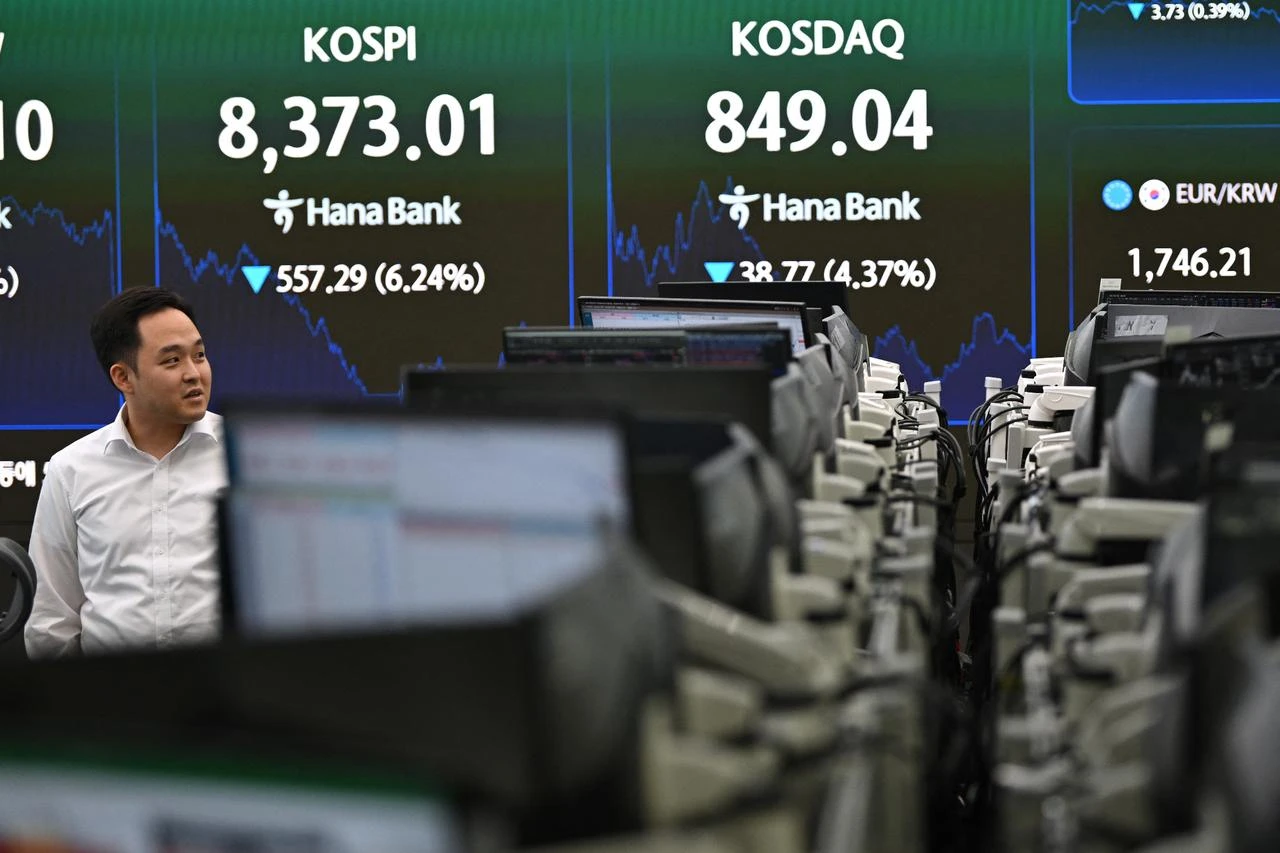
Japan's Nikkei 225 tanked by 2.5% and South Korea's Kospi sank nearly 8% as investors grew concerned that soaring spending on artificial intelligence would fail to deliver the expected returns, with rising chip costs adding to the pressure.
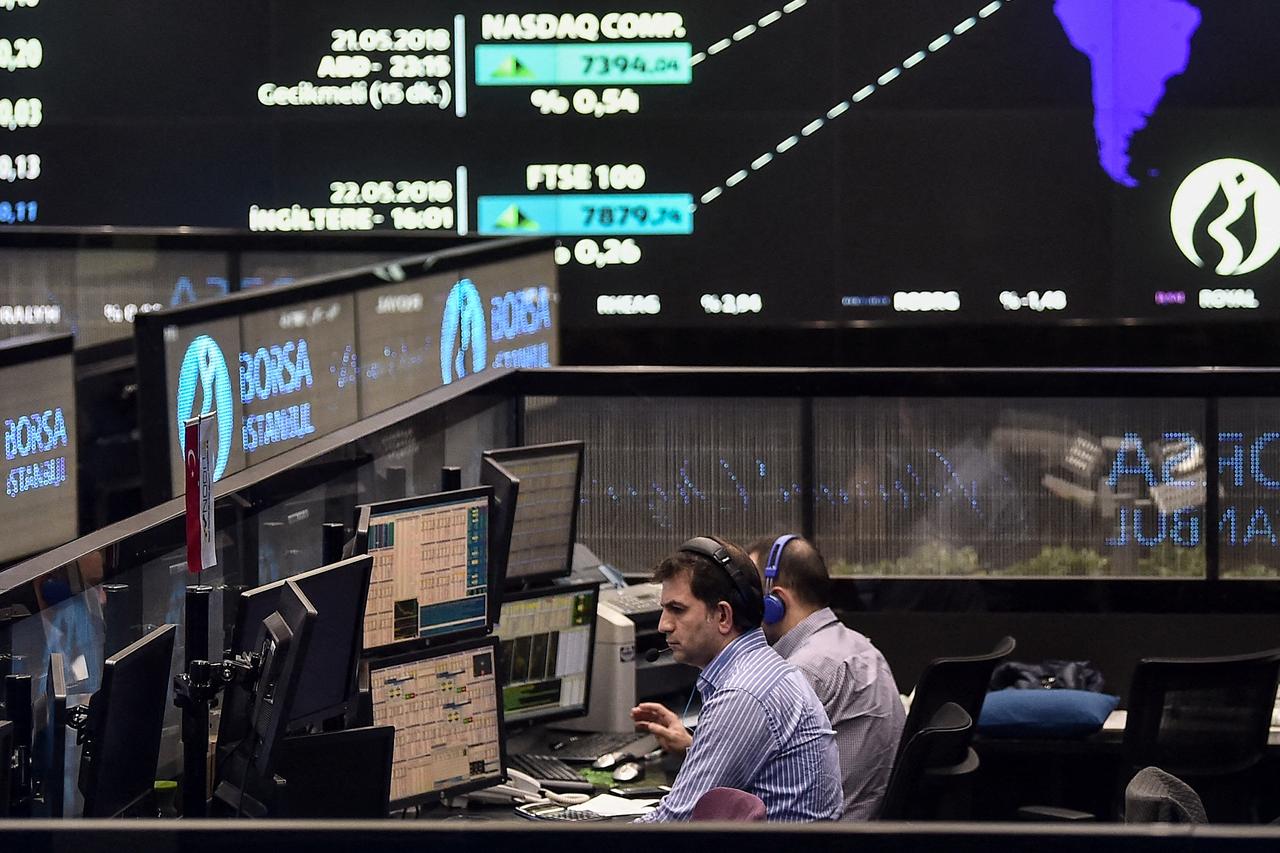
Elsewhere in Asia, Hong Kong's Hang Seng rose 0.6%, while China's Shanghai Composite fell 2%. European markets also turned in a mixed performance as declines in technology and AI-related shares spilled over into the broader market.
The pan-European Stoxx Europe 600 index edged down 0.1%, while Britain's FTSE 100 also slipped 0.1%. Germany's DAX 40 remained flat, Italy's FTSE MIB 30 gained 0.1%, France's CAC 40 climbed 0.4% and Spain's IBEX 35 rose 0.1%. In the United States, all major indexes moved lower, with the tech-heavy Nasdaq losing 0.6%.
Gold added 1% to reach $4,070, while silver gained 0.6% to $59.5. Palladium also rose 0.6% to $1,200, and platinum advanced 2% to $1,600 an ounce.
In cryptocurrency markets, Bitcoin eased 0.3% to $60,000, and ethereum slipped 0.2% to $1,610. The total cryptocurrency market capitalization, however, increased 2% to $2.1 trillion.
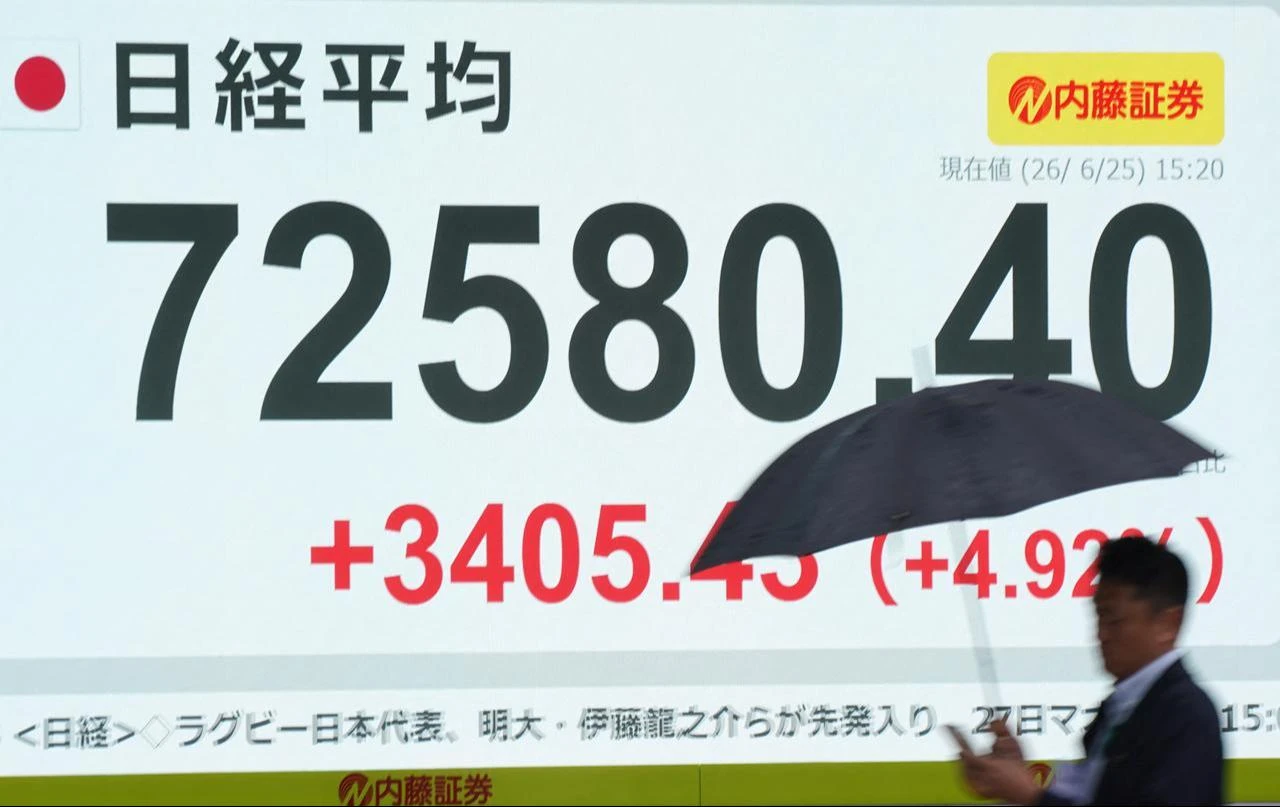

The selling pressure was exacerbated by margin calls affecting retail investors who borrowed to invest, forcing some to sell holdings to cover losses.
Separately, Federal Reserve Chair Kevin Warsh reiterated the central bank's commitment to restoring price stability while noting that inflation risks have eased, helping ease concerns that the Fed could raise interest rates further.
"Expectations of inflation over the first four weeks of this period have come down, inflation risks have come down. Inflation risks have come down," Warsh said on Wednesday at the European Central Bank's annual Forum on Central Banking in Sintra, Portugal.
Warsh also reaffirmed the Fed's commitment to its 2% inflation target. "We're going to deliver price stability in the US," he said. "That's what this committee has signed up to do. The objectives, the strategy and the rest, that's still to come."
Meanwhile, the latest round of indirect U.S.-Iran talks in Doha ended with "positive progress," Qatar Foreign Ministry spokesperson Majed al-Ansari announced after Wednesday's meeting.
Mediated by Qatar and Pakistan, the negotiations focused on implementing commitments under the Islamabad Memorandum of Understanding, including maritime security in the Strait of Hormuz, the release of frozen Iranian assets and mechanisms to preserve the ceasefire reached after months of conflict.
Progress on maritime security continues to support energy markets, as smoother tanker traffic through the Strait of Hormuz has helped bring oil prices back to pre-war levels and ease concerns over global inflation.


 Set as preferred source
 Set as preferred source


 1 min read
 1 min read