Newsletters




Global oil markets could face supply shortages within months if production in the Gulf region fails to recover amid the ongoing Iran conflict, Russian Deputy Prime Minister Alexander Novak warned on Thursday.
Speaking at the St. Petersburg International Economic Forum (SPIEF 2026), Novak said the market is already operating with a significant supply gap of around 12 billion barrels per day, though previously accumulated reserves have so far helped cushion the impact.
"Thanks to the reserves and thanks to the fact that there was a surplus before, the market has not yet fully felt the consequences which could arise," he said, referring to the International Energy Agency's (IEA) decision to release 400 million barrels from strategic reserves in early March, the largest release on record.
"If the conflict is drawn out and output by countries in the Persian Gulf does not increase, then, of course, there will be a deficit within several months."
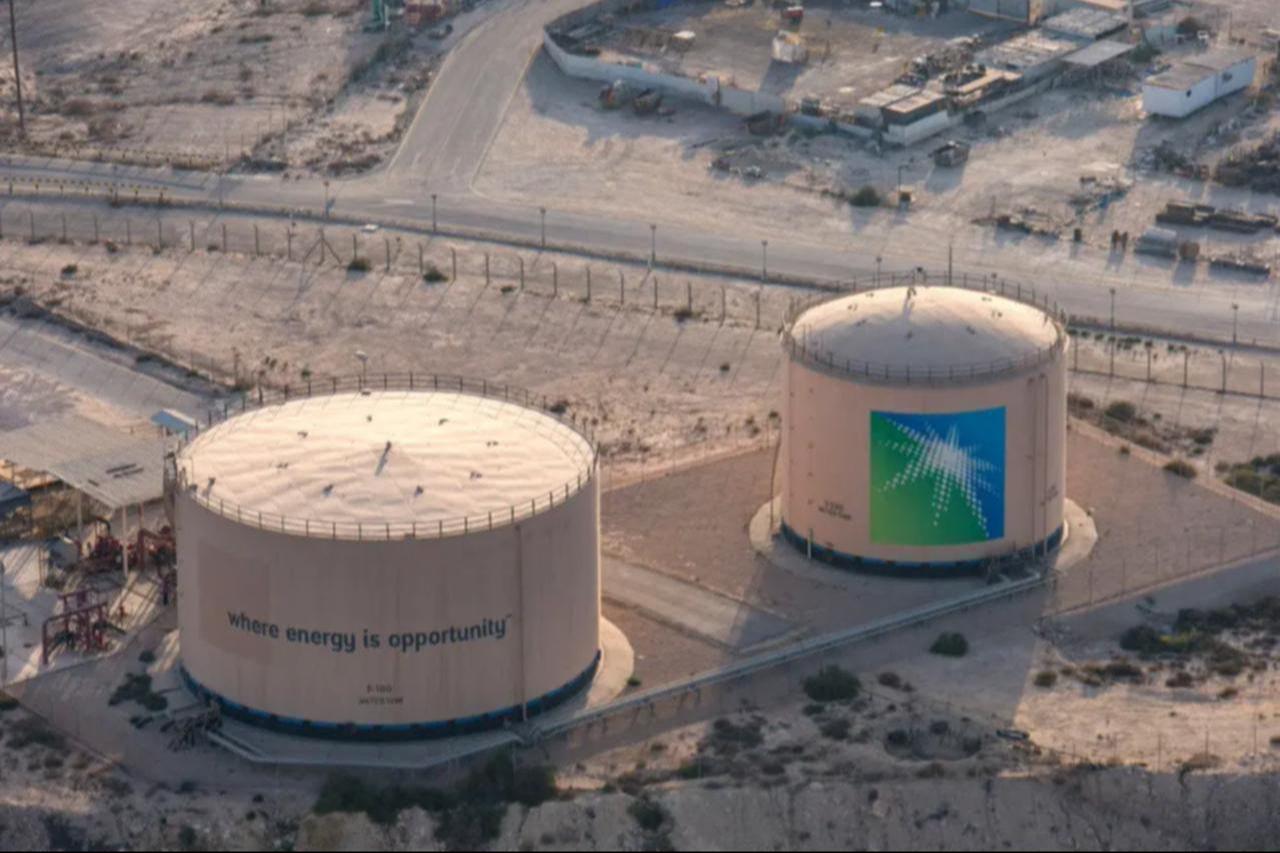
The closure of the Strait of Hormuz amid the Middle East conflict has sharply reduced oil production across the Persian Gulf, with most affected producers belonging to the OPEC+ alliance.
OPEC data cited by Novak showed Saudi Arabia produced 6.8 million barrels per day in April, 3.4 million bpd below its quota. Iraq pumped 1.4 million bpd, falling 2.9 million bpd short of its target.
Kuwait's output stood at 600,000 bpd, nearly 2 million bpd below quota, while the United Arab Emirates produced 2 million bpd, 1.4 million bpd below its allocation. Bahrain pumped 55,000 bpd, leaving production 141,000 bpd short of quota levels.
Despite the supply disruptions, Novak dismissed speculation that OPEC+ is weighing higher production quotas to make up for lost output. "These matters are not currently being discussed," he told journalists at the forum.

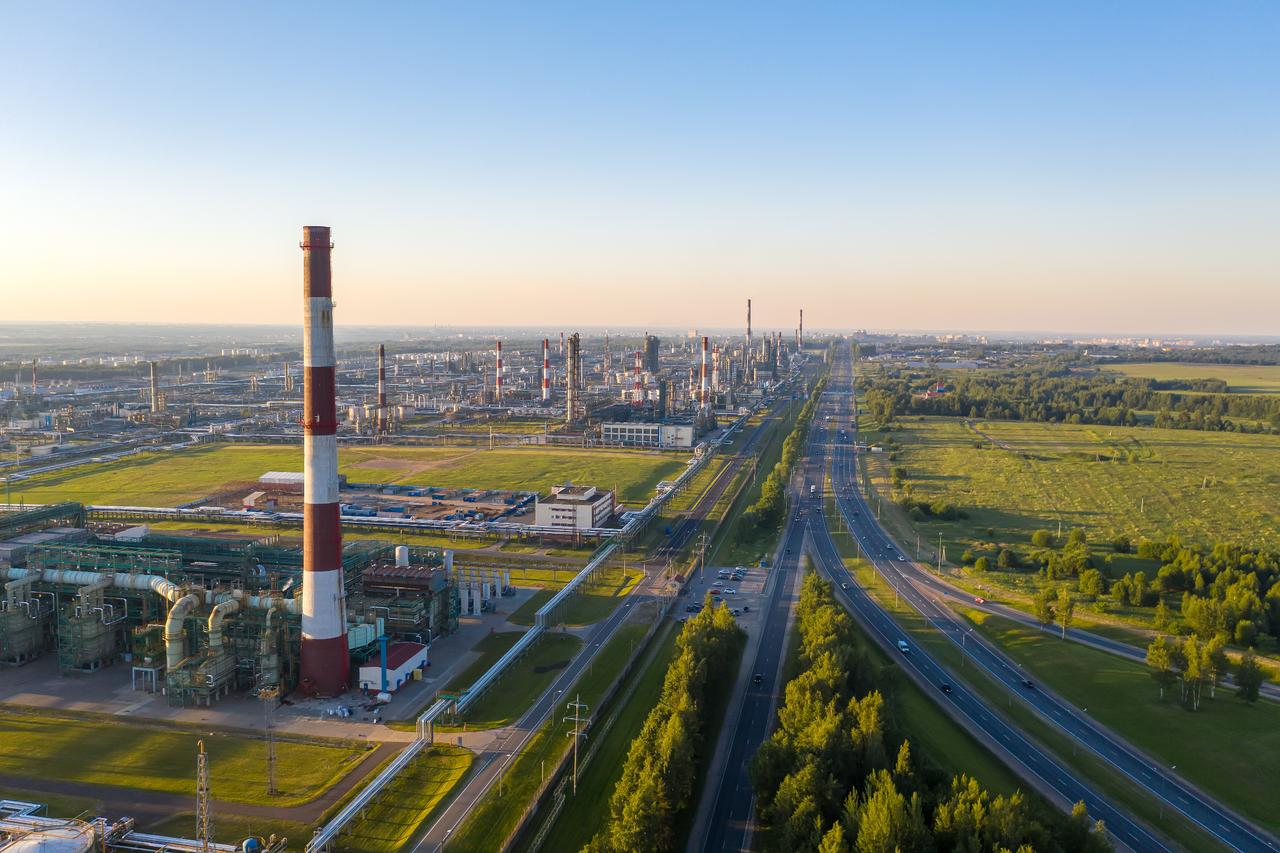
Novak also acknowledged that Russia's oil production has edged down since the start of the year as refineries undergo unscheduled maintenance following Ukrainian strikes.
"As we ramp up to operating mode, production will increase and return to previous levels," he stressed.
He indicated that Moscow sees no immediate need to broaden restrictions on diesel exports, although authorities could revisit the issue if conditions change. "Anything is possible. If necessary, such decisions could be made. At the moment, there is no need for that," he remarked.
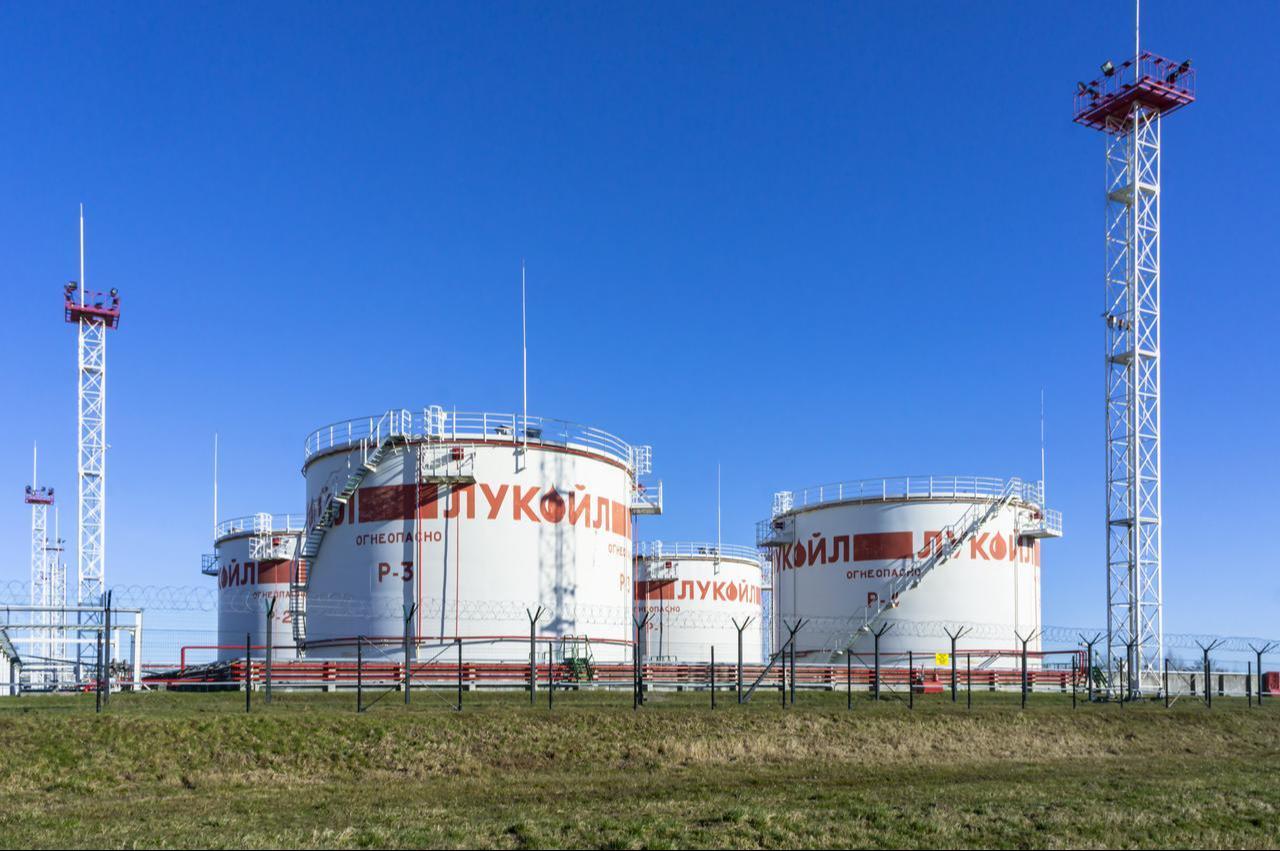
Russia has restricted exports of diesel, marine fuel and other gasoils by non-producers, while gasoline and jet fuel exports remain banned for all exporters.
As energy prices rise amid the Middle East conflict, Russia is once again pushing for closer energy ties with Europe. Kirill Dmitriev, the Kremlin's economic envoy, argued that European countries would need Russian oil and gas to weather the current crisis.
"The world is on the brink of a very serious energy crisis because of the instability in the Middle East," Dmitriev told AFP on the sidelines of the forum.
"In order for Europe to overcome this crisis, Europe needs to find options for partnership with Russia and to restore the flows of both oil and gas from Russia."
Russia has been under Western energy sanctions since the start of the war in Ukraine, although European countries have continued to import Russian liquefied natural gas.
The European Union imported more Russian LNG in the first quarter of 2026 than in any period since 2022, making Russia the bloc's second-largest supplier amid the conflict. However, the bloc remains committed to banning Russian LNG imports by 2027 and has ruled out easing existing sanctions.


 Set as preferred source
 Set as preferred source


 1 min read
 1 min read