Newsletters


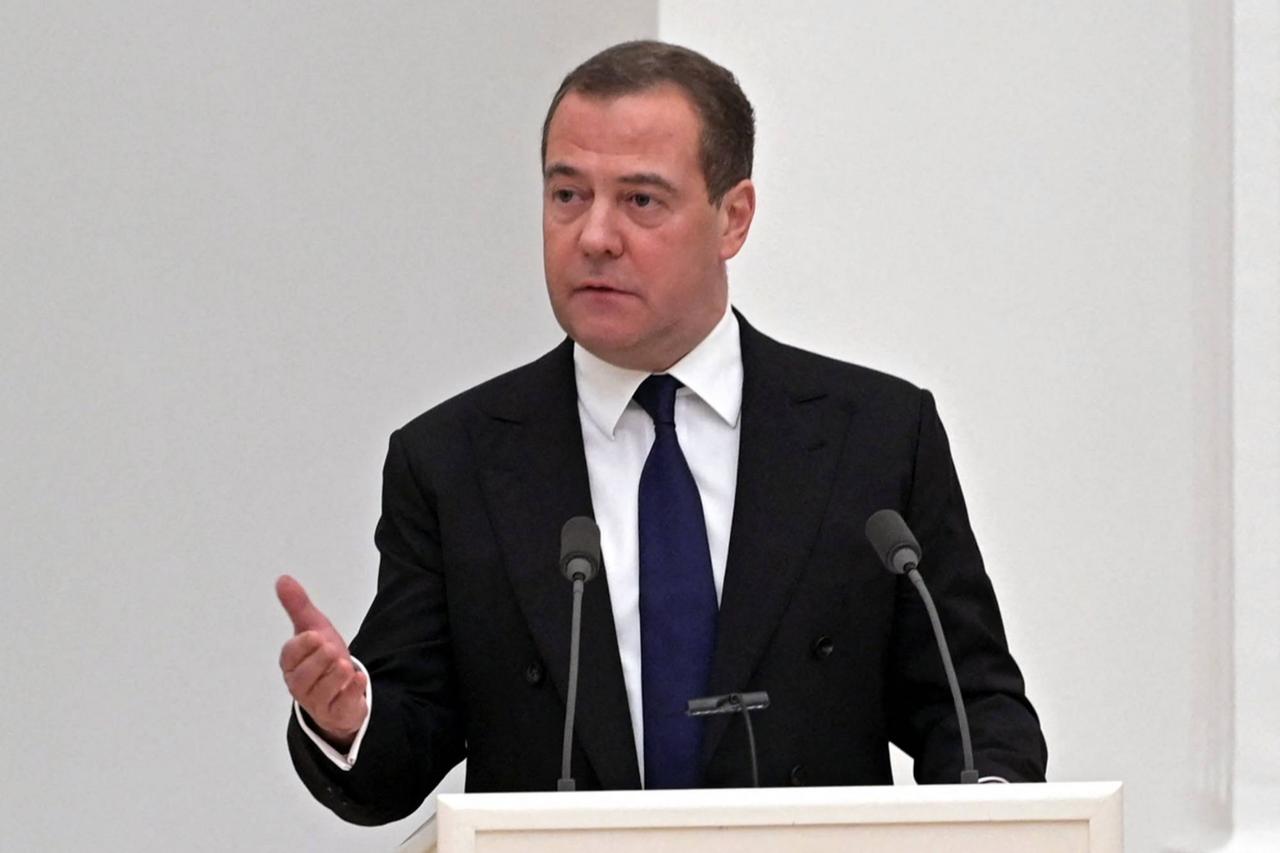


Deputy Chairman of Russia’s Security Council Dmitry Medvedev, who also served as Russian president from 2008 to 2012, floated tariffs on Russian exports, particularly fertilizers, to the European Union in response to a proposal to tax Russian goods for Ukraine’s reconstruction.
The suggestion came after Estonia’s Prime Minister Kristen Michal raised the idea of using levies on Russian imports as a funding tool. Medvedev argued Moscow should mirror the approach, writing that Russia "should respond in kind" on the social platform Max.
"Let their food prices go up while we get more missiles, drones, and heavy guided bombs for the special military operation!" he wrote.
The remarks landed days after the European Commission adopted its 20th sanctions package against Russia, widening restrictions across energy, finance, trade, defense and anti-circumvention channels.
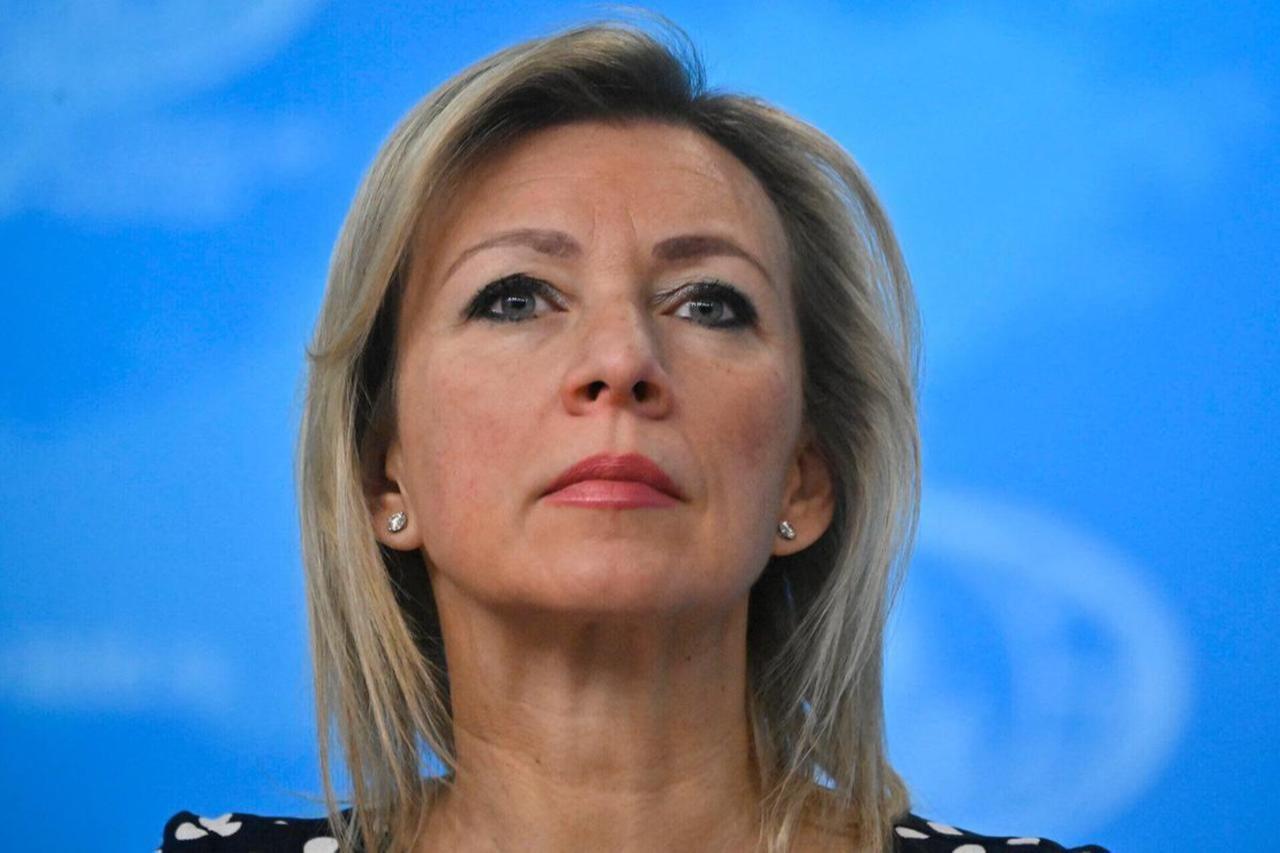
Russia's Foreign Ministry spokesperson Maria Zakharova warned that retaliation is already in motion and will be "tough," stressing that any response will align with Russia’s national interests.
Following the adoption of the 20th package, EU foreign policy chief Kaja Kallas said preparations for a 21st package are already advancing. Zakharova dismissed the forthcoming step, calling it "another scene from this Western theater of the absurd."

Russian exports of goods to Europe amounted to $57.4 billion in 2025, down 16.5%, and significantly lower than 2022 levels of €203.4 billion ($238.4 billion).
In fertilizers, Russia holds roughly a 20% share of global trade, with 45 million tonnes of exports, according to official figures. Exports to the EU accounted for 4.8 million tonnes of this total, amounting to €1.8 billion, according to Eurostat.
On the other hand, the global fertilizer market remains under strain due to disruptions in the Strait of Hormuz linked to the ongoing Iran conflict, raising fears of higher prices across global markets.


 Set as preferred source
 Set as preferred source


 1 min read
 1 min read