Newsletters


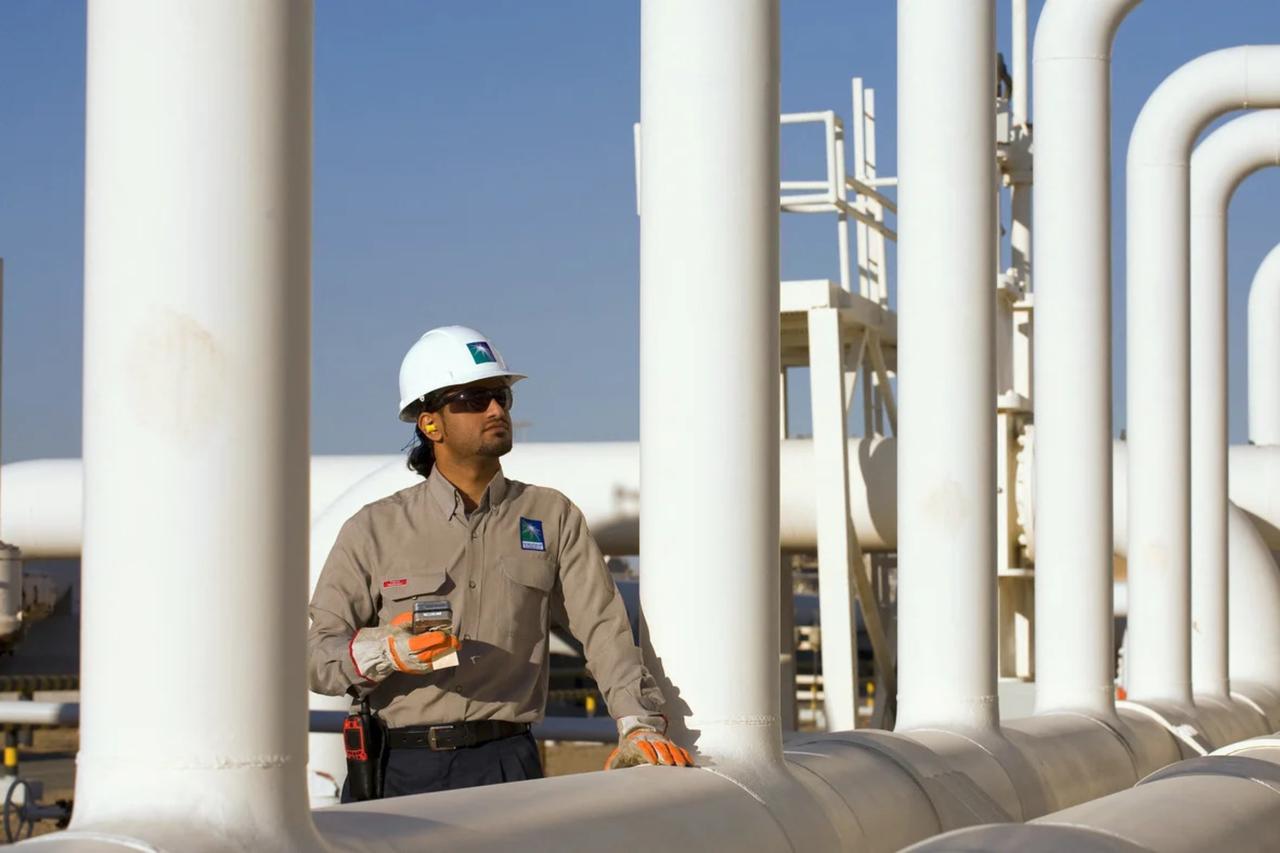


Saudi Arabia has restored crude flows through its East-West Pipeline to 5.8 million barrels a day after drone attacks disrupted the route, Energy Minister Prince Abdulaziz bin Salman said Tuesday.
Speaking at the Made in the Gulf conference and forum in Manama, Bahrain, Prince Abdulaziz said the kingdom brought the line back into operation within five to six days of the strike.
"We returned this morning: 5.8 million barrels," he said, adding that the rapid recovery would not have been possible without Saudi Arabia’s energy-sector localization program.
The restart comes as Gulf producers rebuild export flows after major disruptions to shipping through the Strait of Hormuz. Saudi crude exports jumped to 6.6 million barrels a day in September, helping lift Gulf oil flows to 81% of their pre-war level, according to Vortexa data.
Prince Abdulaziz said Saudi Aramco had developed technologies and materials that allowed the pipeline to handle larger volumes without expanding the line or increasing the size of its pipes. By reducing pressure on the system, the measures raised available export capacity to about 7 million barrels a day.
That level matches the pipeline’s full pumping capacity announced by the Saudi Energy Ministry in April, when authorities said they had restored the system after earlier attacks had cut about 700,000 barrels a day of pumping capacity.
Prince Abdulaziz stressed the importance of building a more self-reliant energy sector while encouraging closer regional cooperation. "Everything related to the entire energy system must be localized in the kingdom, and the door is open to all our brothers in the Gulf Cooperation Council to be partners," he said.
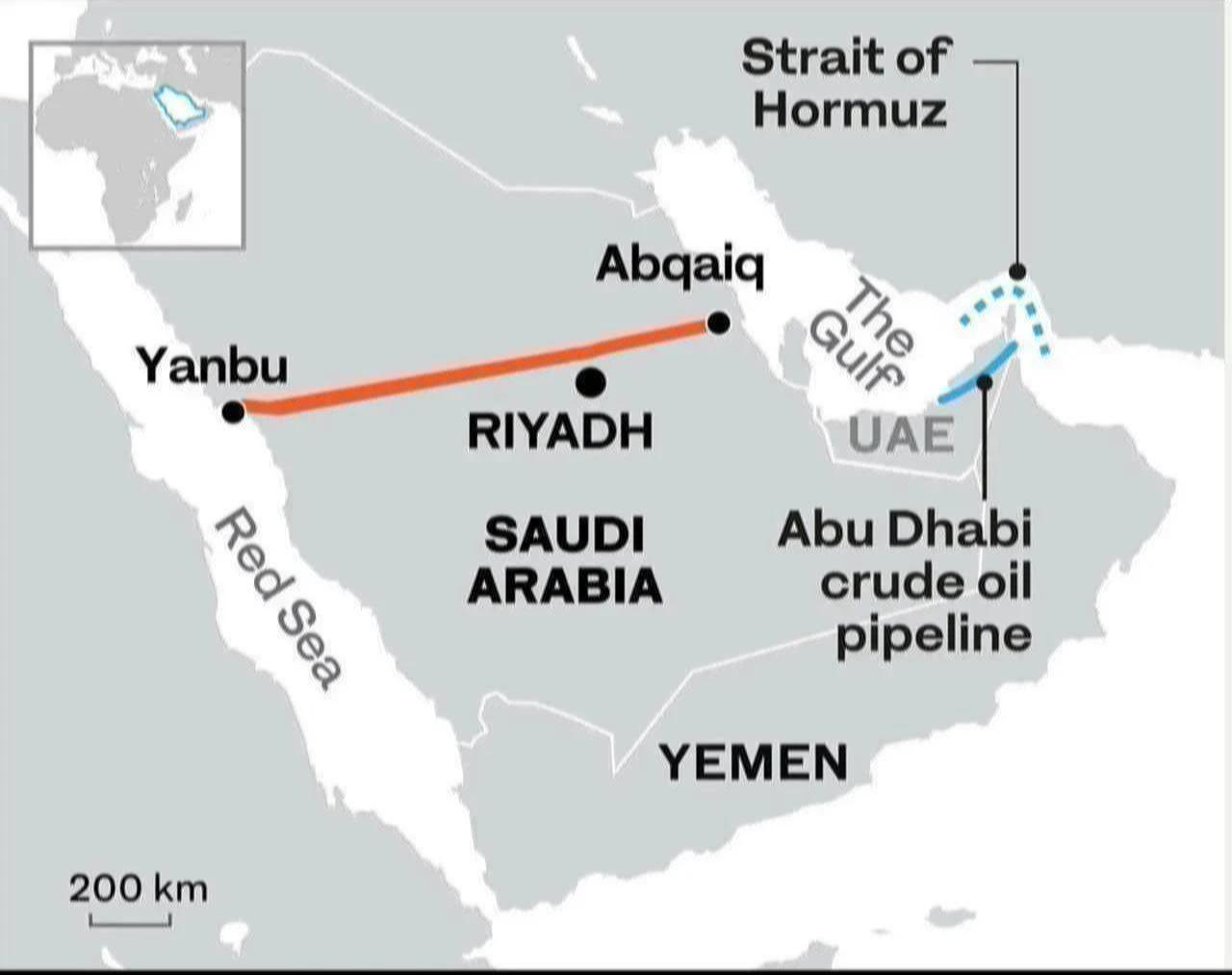

The East-West Pipeline has taken on a bigger role as the conflict disrupts the Strait of Hormuz, a key route for oil shipments from the Gulf. The overland system allows Saudi Arabia to move crude from its eastern fields and processing centers to the Red Sea without relying entirely on the strait.
Known as Petroline, the pipeline runs about 1,200 kilometers from the Abqaiq area in eastern Saudi Arabia to Yanbu on the Red Sea. Saudi Aramco operates the system, which links production and processing facilities in the east with refineries and export terminals on the western coast.
The route was targeted by kamikaze drones originating from Iraq on Sept. 10-11. Three of its 11 pump stations were directly hit, leaving the system shut down for about 11 days. The attacks temporarily halted crude loadings at Yanbu.


 Set as preferred source
 Set as preferred source


 1 min read
 1 min read