Newsletters


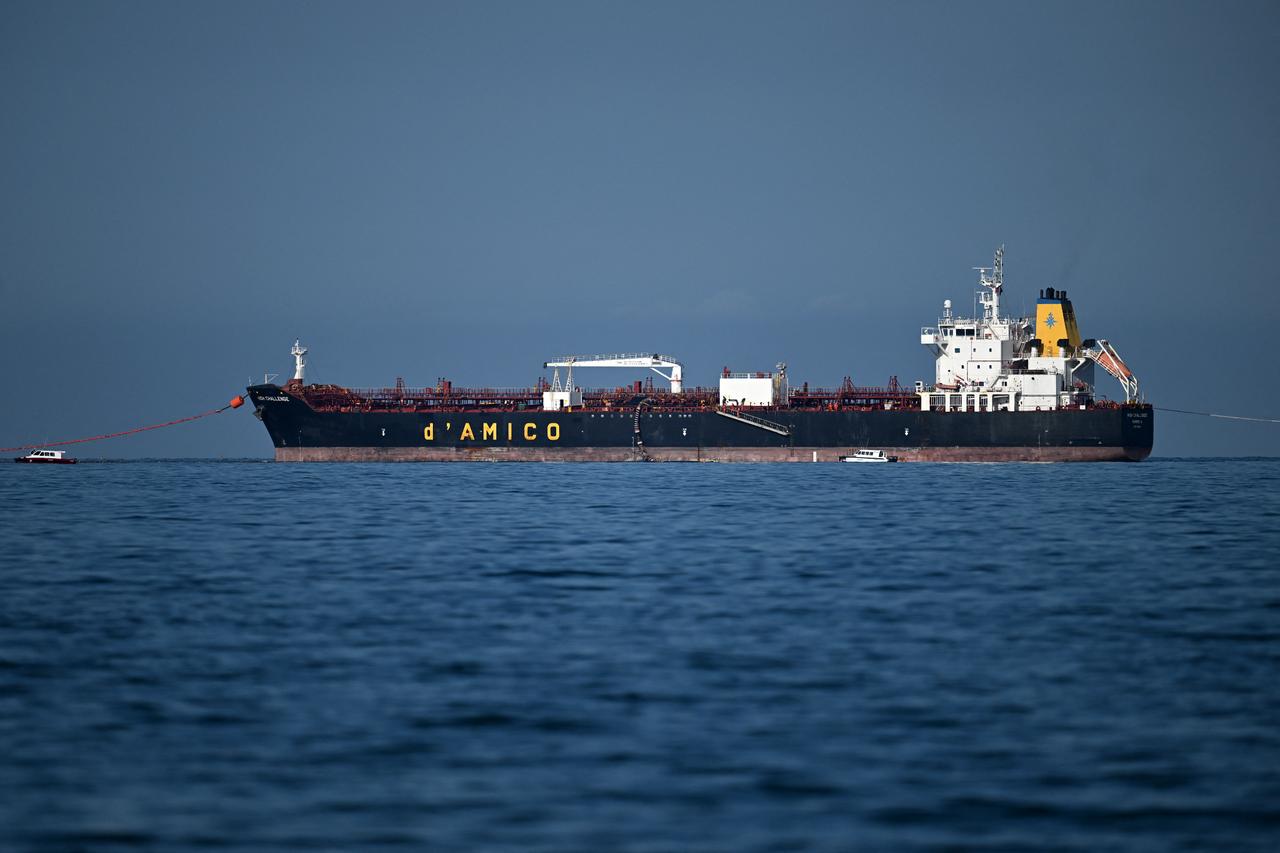


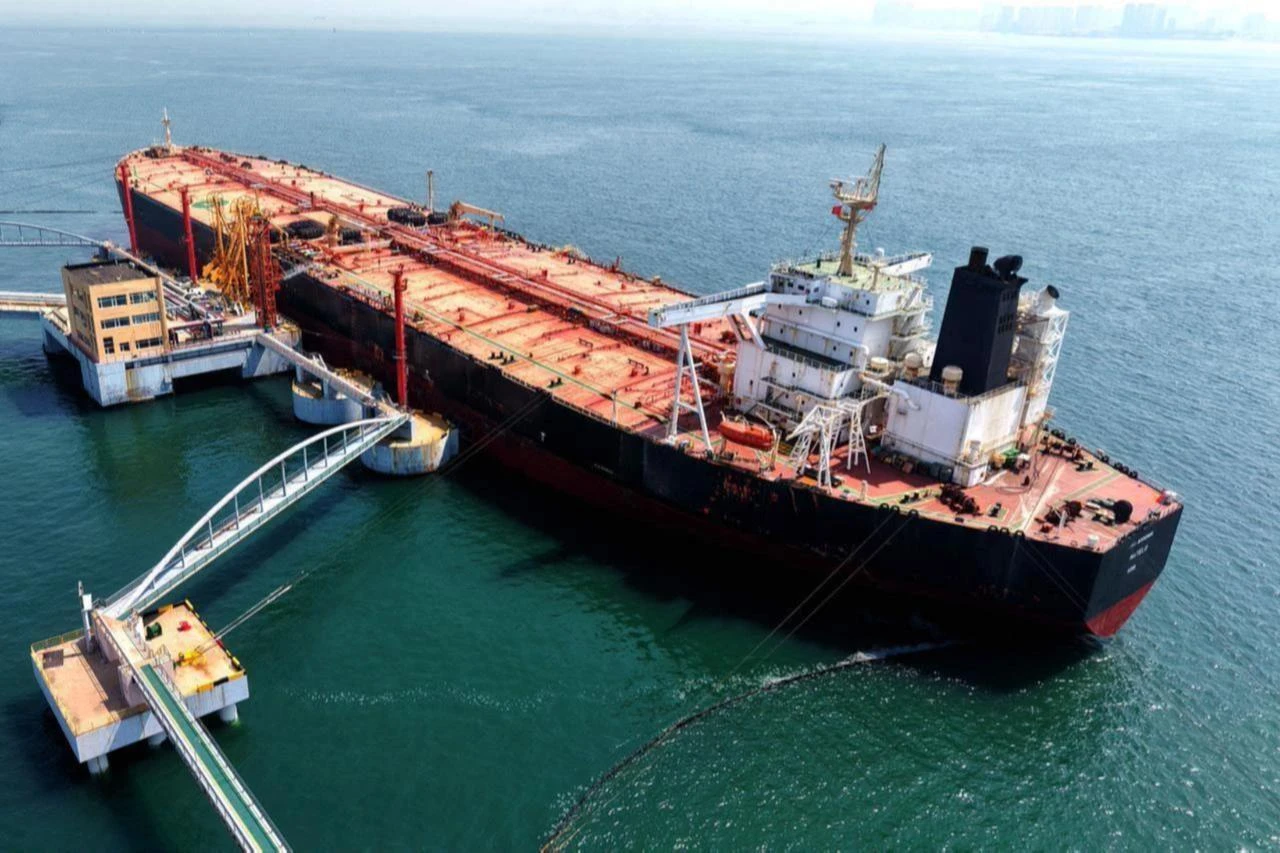
Crude pushed modestly higher on Wednesday as negotiations between the U.S. and Iran to end the war remained at a standstill, and the Strait of Hormuz, a vital energy corridor that normally carries a fifth of global oil flows, stayed closed.
Brent sits around $112, above where it traded before the two sides called a ceasefire in early April. West Texas Intermediate broke through $100 on Tuesday for the first time in two weeks.
In Asia, the picture was mixed. Japan's Nikkei 225 slid 1%, while South Korea's Kospi added 0.6%, Hong Kong's Hang Seng jumped 1.6%, and China's Shanghai Composite edged up 0.7%.
Across the Atlantic, Pan-European Stoxx 50 futures were up 0.2%, and major U.S. indexes also traded higher.
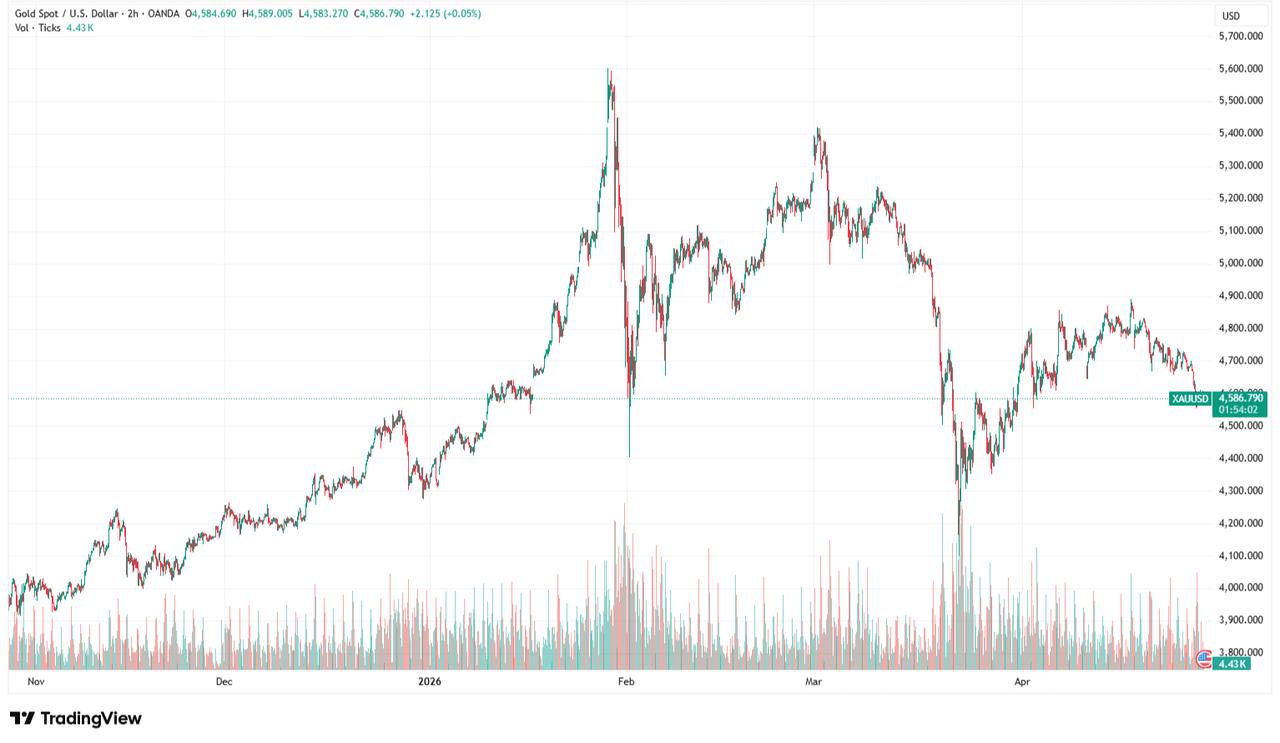
Metals mostly softened. Gold extended its decline, slipping 0.2% to $4,585. Silver clawed back some ground, rising 0.6% to $73.6 per ounce. Palladium dropped 0.5% to the $1,440 level, while platinum was slightly lower, down 0.1% at $1,920.
Crypto moved the other way. Bitcoin gained 0.3% to above $77,000, Ethereum added 2.4% to $2,330, and the total market cap rose 0.5% to $2.6 trillion.

On Tuesday, the White House said President Donald Trump and his team were reviewing Iran's latest offer to restore traffic through the waterway.
The plan, submitted by Iran this week, would reportedly see Tehran ease its chokehold on the strait in exchange for Washington lifting its retaliatory blockade on Iranian ports, with nuclear talks continuing in parallel.
The proposal, U.S. Secretary of State Marco Rubio acknowledged, was "better than what we thought they were going to submit". He insisted any eventual deal had to be "one that definitively prevents them from sprinting towards a nuclear weapon".
However, U.S. media later reported Trump told officials to prepare for a prolonged naval blockade of Iranian ports, aiming to sustain pressure on Tehran's oil income despite Iran maintaining its chokehold on Hormuz.


 Set as preferred source
 Set as preferred source


 1 min read
 1 min read