Newsletters


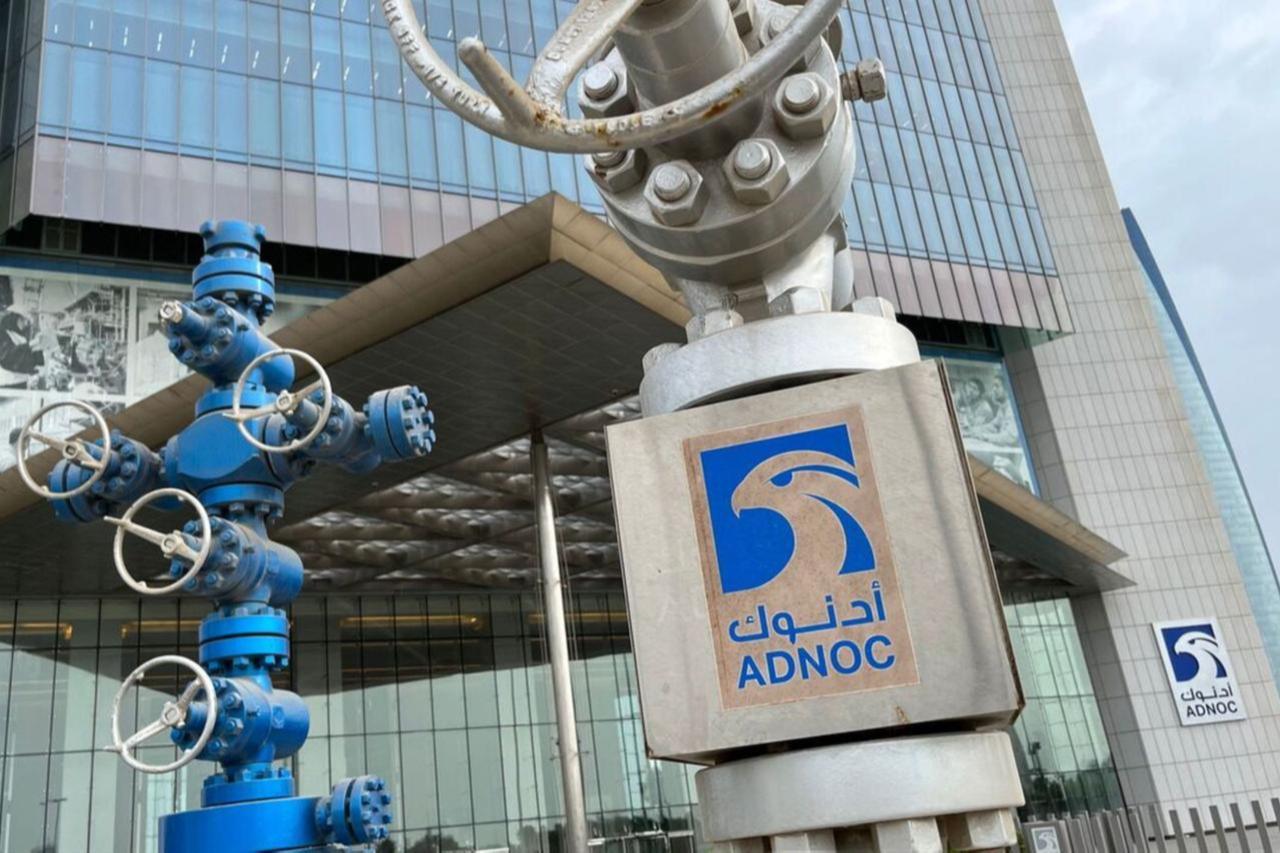


OPEC+ members are not preparing for a wider breakup after the United Arab Emirates (UAE), OPEC’s third-largest oil producer, decided to quit the alliance, according to a report.
The move is likely to shake confidence in the group’s ability to steer global oil markets.
Officials from multiple member states indicated that no immediate chain reaction is expected. The alliance, which includes both OPEC countries and partners such as Russia and Kazakhstan, is still holding together for now, Bloomberg reported.
On Tuesday, the UAE announced it will exit OPEC and the broader OPEC+ alliance, which includes Russia, effective May 1. This move is designed to reshape the nation’s long-term energy strategy by prioritizing increased production capacity, broader investment, and more flexible global partnerships.
The decision also exposed long-running tensions between the UAE and Saudi Arabia, the bloc’s dominant player, over OPEC+ production quotas and oil output strategy.
The UAE had invested heavily in expanding production capacity and repeatedly signaled frustration with output limits. At times, it pumped above agreed quotas, drawing criticism from Saudi officials.
The departure is expected to weaken the group’s capacity to manage prices by adjusting supply, while turning Abu Dhabi into a more independent actor in an already volatile market, the report suggested.
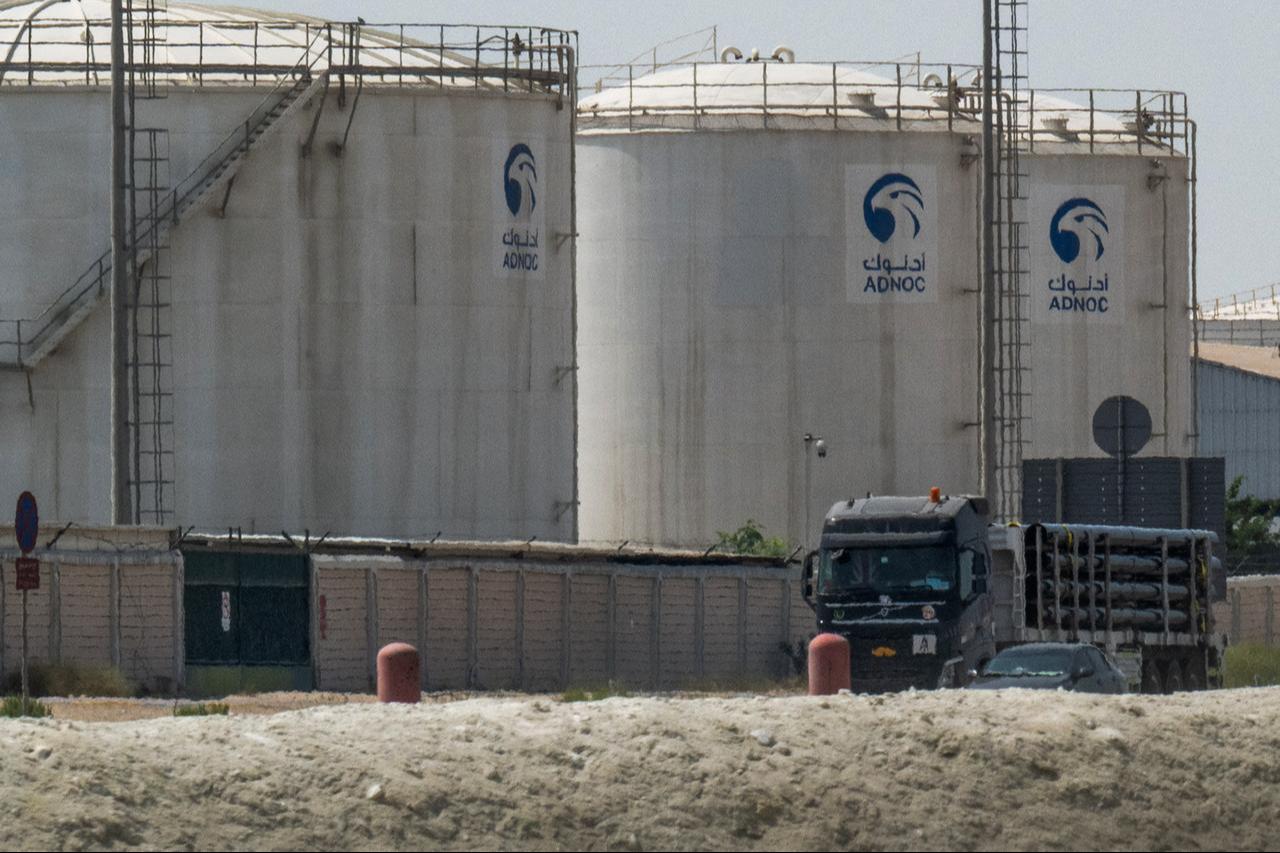

The timing of the exit overlaps with a separate supply shock. The closure of the Strait of Hormuz has forced key Gulf producers—including Saudi Arabia, the UAE, Iraq and Kuwait—to shut in at least 13 million barrels a day, equivalent to roughly 10% of global supply, according to the International Energy Agency (IEA).
With output already constrained, OPEC+ quotas have effectively lost relevance in the short term. That dynamic reduces the immediate impact of the UAE’s move, even as it sets up longer-term consequences once flows resume.
Energy Minister Suhail Mohamed al-Mazrouei pointed to the war in Iran as the trigger that pushed the decision over the line, noting that the disruption created a window for a smoother exit.
Once the Strait of Hormuz reopens and production normalizes, the UAE’s exit could reshape competition inside the market. Freed from quotas, the country is expected to ramp up output, potentially setting the stage for a renewed fight over market share.
There is also uncertainty over how much further the UAE can increase production. Estimates suggest it was already pumping close to its maximum capacity before the disruption, with output reaching around 3.5 million barrels per day ahead of the conflict.


 Set as preferred source
 Set as preferred source


 1 min read
 1 min read