Newsletters





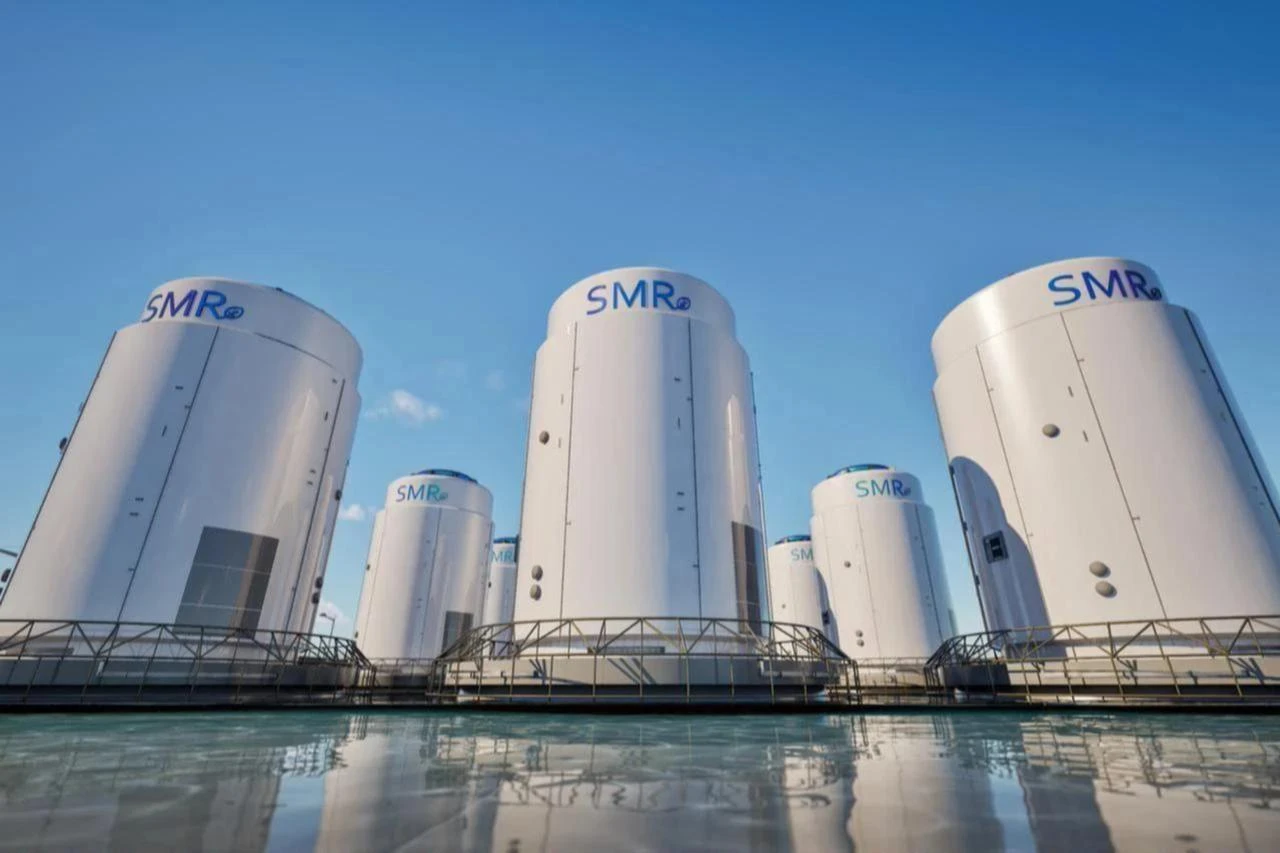
Türkiye expects to bring its first small modular reactor (SMR) online in the first half of the 2030s as part of its broader nuclear program, Energy and Natural Resources Minister Alparslan Bayraktar said on Tuesday.
Outlining Ankara's plans to reporters after an Energy Roundtable held as part of the 19th Türkiye Investment Conference in New York, Bayraktar said the government is working on regulations that could offer incentives and exemptions to investors in SMR projects.
"There is a global race in this area. But we have not seen a reactor yet. Therefore, we want Türkiye to be at the stage where this work takes off," Bayraktar said. Türkiye has set a target of 5,000 megawatts of SMR capacity by 2050, alongside plans for 12 conventional reactors.
Addressing the recent cooperation agreement between Türkiye Nuclear Energy Co. (TUNAS) and the U.S. Trade and Development Agency (USTDA) on SMRs, Bayraktar said the deal also covers Central Asia and the Turkic republics.
He added that Türkiye already has industrial capacity in the nuclear sector but also wants to play a role in developing the technology.
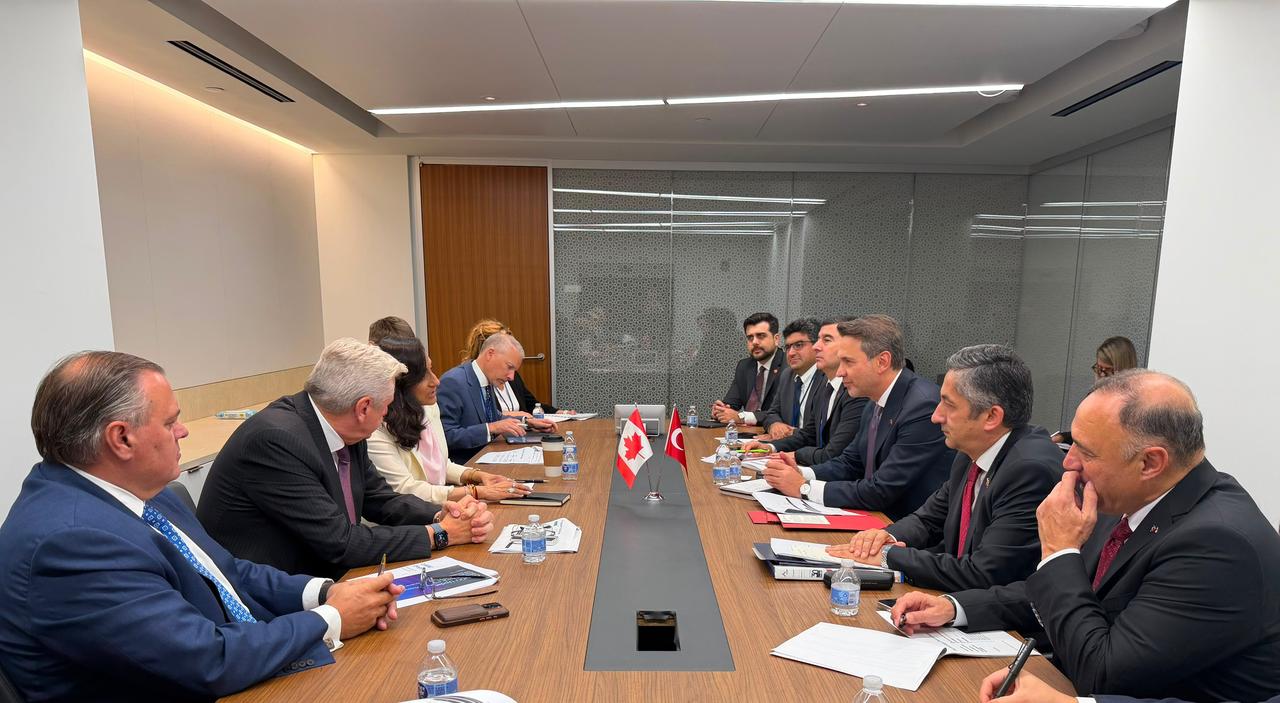
As part of these efforts, Türkiye is exploring a nuclear partnership with Canada, he said, referring to his meeting in New York with Canadian Foreign Minister Anita Anand and AtkinsRealis CEO Ian L. Edwards during his U.S. trip.
He described nuclear power as essential to electrification and said Türkiye wants to bring related projects online as soon as possible.
Bayraktar also pointed to France's EDF as a company with expertise in nuclear energy and said Türkiye plans to sign a cooperation agreement with the company soon. The planned cooperation would go beyond investment, covering the sharing of experience in areas including plant operations and safety, he explained.
Data centers are also expected to create growing electricity demand in Türkiye, with consumption projected to reach between 5-10 terawatt-hours closer to 2035, Bayraktar said.

Turning to projects involving the Turkish Republic of Northern Cyprus (TRNC), Bayraktar said offshore work has begun on a planned natural gas pipeline linking Türkiye with the island.
The 101-kilometer (62.76-mile) pipeline would run from Anamur on Türkiye's Mediterranean coast to Teknecik in the TRNC, with the gas expected to support power generation and improve the island's energy security.
Türkiye also plans to make the pipeline bidirectional, allowing gas to flow to the island while potentially carrying Eastern Mediterranean gas back to Türkiye and, eventually, on to Europe, Bayraktar added.
Bayraktar also addressed the Development Road project, a planned trade and transport corridor connecting Iraq with Türkiye and Europe, arguing that energy infrastructure would be key to turning it into a broader regional energy route.
Türkiye is looking to build on its existing energy links with Iraq, including the Iraq-Türkiye crude oil pipeline, while adding new connections for natural gas and electricity. Bayraktar highlighted that the energy links could generate billions of dollars in annual revenue, helping fund the wider Development Road infrastructure.
Bayraktar also tied Türkiye's mining strategy to its broader energy plans, identifying rare earth elements and gold as critical resources. He noted that Türkiye imports significant amounts of gold, while critical minerals are becoming increasingly important to the energy transition.
"We do not consider mining separately from the overall energy picture," Bayraktar said. "Without it, there is no industry; without it, there is no energy transition."
Eti Maden, a state-owned mining company best known for its boron operations, is expected to take a more aggressive approach to strategic minerals, Bayraktar added, as Türkiye encourages companies to tap the sector's significant potential.


 Set as preferred source
 Set as preferred source


 1 min read
 1 min read