Newsletters


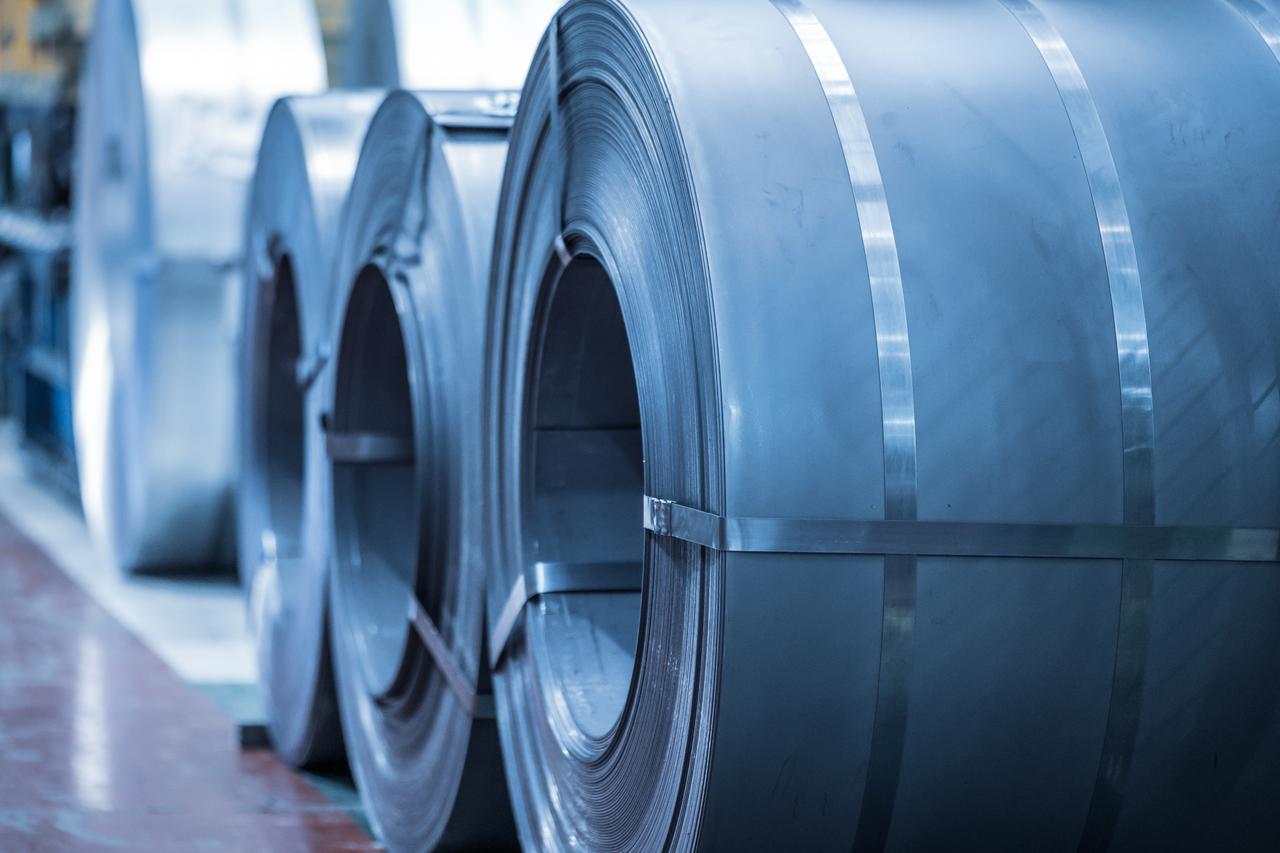


Türkiye's steel exports to the European Union fell as tighter import quotas and new carbon rules weighed on trade, with shipments of steel products covered by the EU's Carbon Border Adjustment Mechanism (CBAM) declining 1.7% in the first nine months of 2026, Trade Minister Omer Bolat said on Friday.
Speaking at the Steel Networking Summits 2026, Bolat highlighted the impact of European trade measures on Turkish steelmakers, warning that unilateral restrictions could raise costs for exporters and disrupt the supply of lower-carbon steel.
Türkiye's overall iron and steel exports to the EU dropped 6.7% in January-September, while shipments to destinations outside the bloc rose 10%, according to figures cited by Bolat.
The EU narrowed its steel import quotas by 50% from July 1, 2026, while the CBAM began taking effect at the start of the year, requiring companies to measure and verify emissions and pushing producers toward lower-carbon manufacturing.
"Our priority is to support the green transition while ensuring that exporters do not face disproportionate costs and additional trade barriers," Bolat said.
Türkiye produced 38.1 million tons of crude steel in 2025, ranking seventh globally and first in Europe, Bolat said.
The country exported $17.1 billion worth of steel to more than 200 countries, becoming the world's 10th-largest steel exporter. Global steel trade reached $615 billion, with the EU accounting for 42.3% of Türkiye's steel exports.
Bolat highlighted steel's role in construction, automotive manufacturing, machinery, energy, transportation, shipbuilding and defense.
About 78% of Türkiye's steelmaking capacity relies on scrap-based electric arc furnaces. The country imported 18.8 million tons of steel scrap while producing 27.5 million tons of crude steel through this technology, according to Bolat.
He criticized U.S. and EU steel trade restrictions, arguing that unilateral measures hurt exporters, manufacturers reliant on steel inputs and consumers while disrupting the supply of low-carbon steel.
Bolat reiterated Türkiye's support for fair, rules-based trade, noting that the EU is Türkiye's largest trading partner and Türkiye is the bloc's fifth-largest.
Annual bilateral trade reached $233 billion (€204 billion), while trade over the past five years exceeded €900 billion, or $1 trillion, he said.
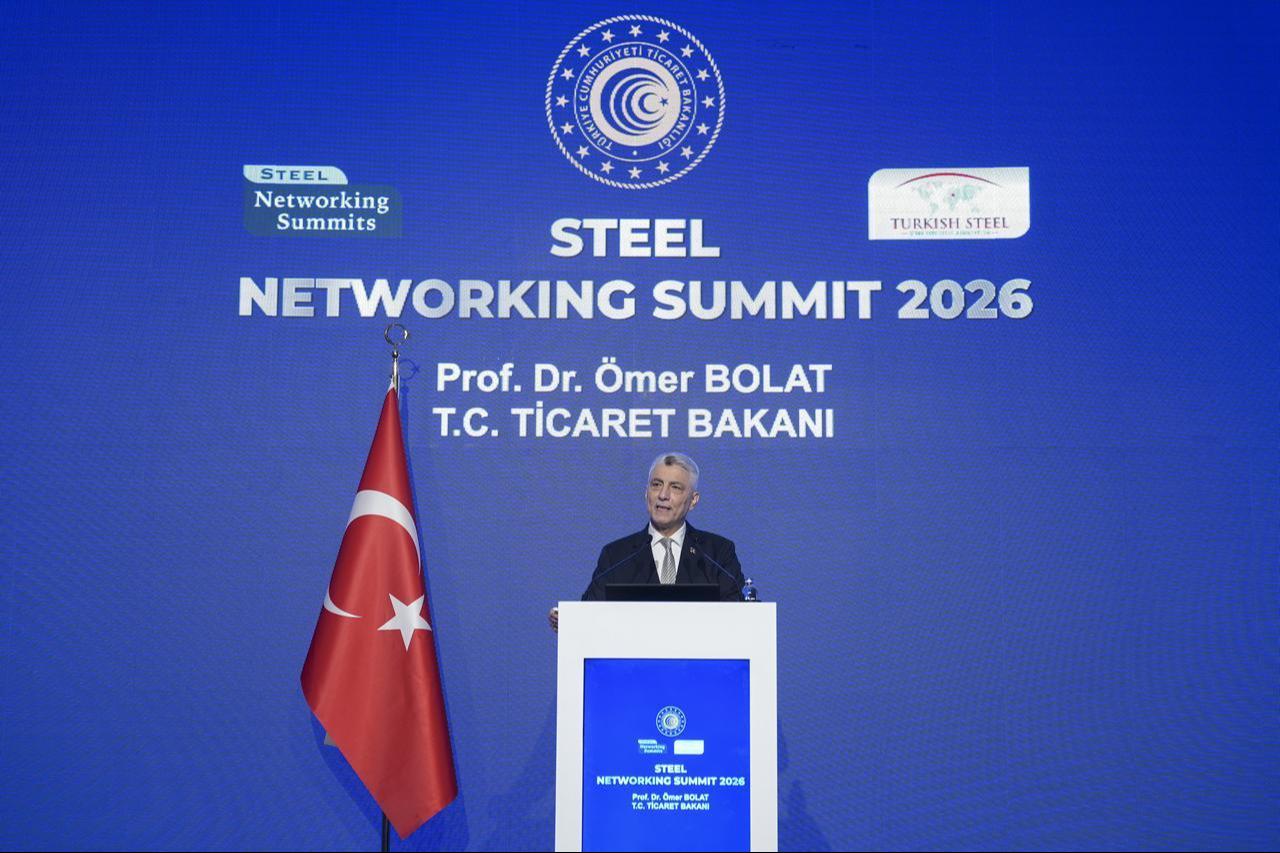

Türkiye's goods exports rose from $36 billion in 2002 to $273.2 billion in 2025, reaching an annualized $283.7 billion as of September 2026, Bolat said.
Over the same 12-month period, the country imported $380 billion worth of goods, including steel, oil, natural gas, coal, gold and industrial products.
Including services, total exports reached $409 billion, comprising $283.7 billion in goods and $125 billion in services. Service imports stood at $63 billion-$64 billion, bringing total foreign trade to $860 billion, according to Bolat.
He said Türkiye's economy grew by an average of 5.35% annually in real terms over the past 24 years. Excluding 2009, the country recorded positive growth in 15 of the past 16 years and expanded for 24 consecutive quarters following the second quarter of the COVID-19 pandemic.
The economy grew 2.5% in the first half of 2026, expanding 2.6% in the first quarter and 2.3% in the second. Net exports of goods and services contributed strongly to growth, Bolat added.
Gross domestic product rose from $238 billion 24 years ago to $1.7 trillion, with the economy expected to reach around $1.8 trillion by the end of 2026. Per capita income stood at $18,000 in 2025 and was expected to exceed $20,000 this year, he said.


 Set as preferred source
 Set as preferred source


 1 min read
 1 min read