Sign in
 Newsletters




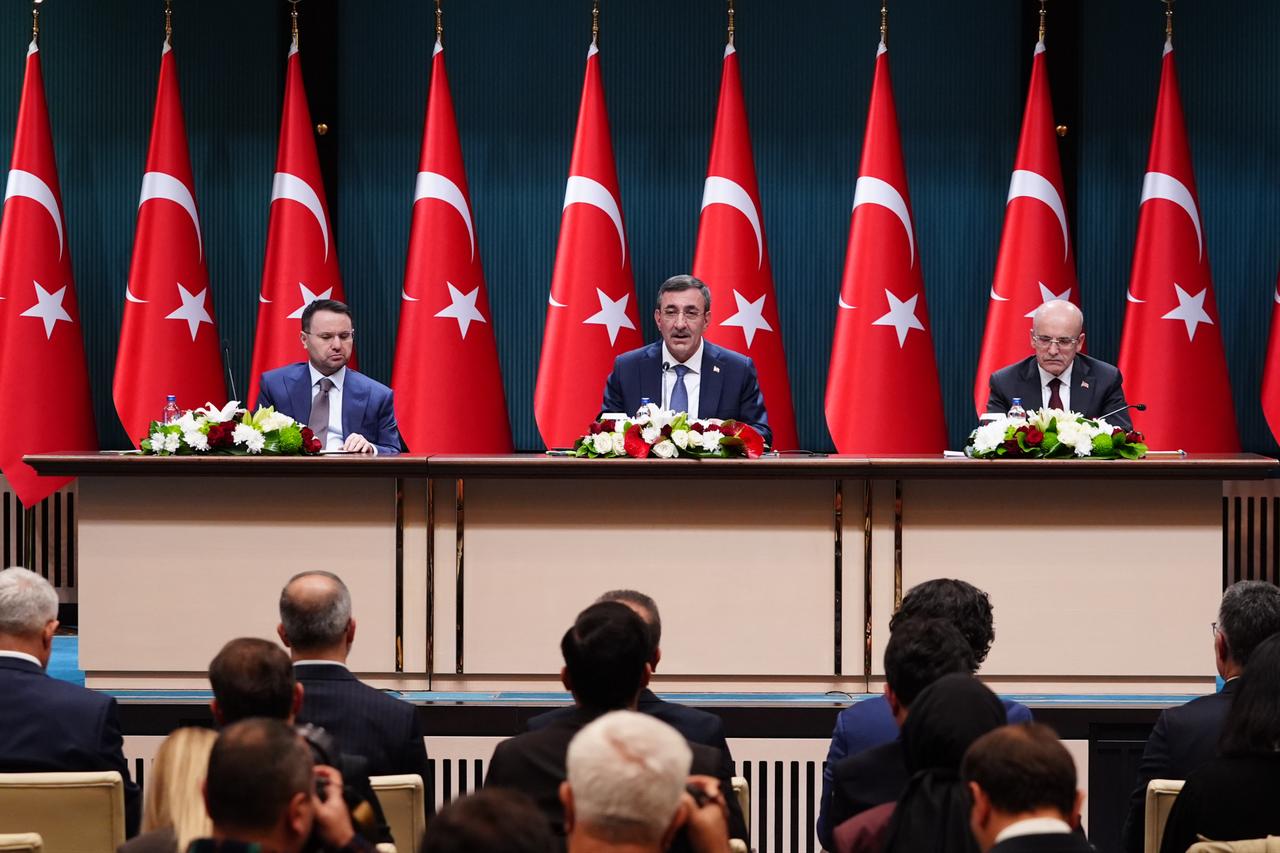
Türkiye is not an alternative production hub but already an inseparable part of Europe's automotive industry, Presidential Investment and Finance Office head Ahmet Burak Daglioglu told European journalists touring the country's automotive sector on Thursday.
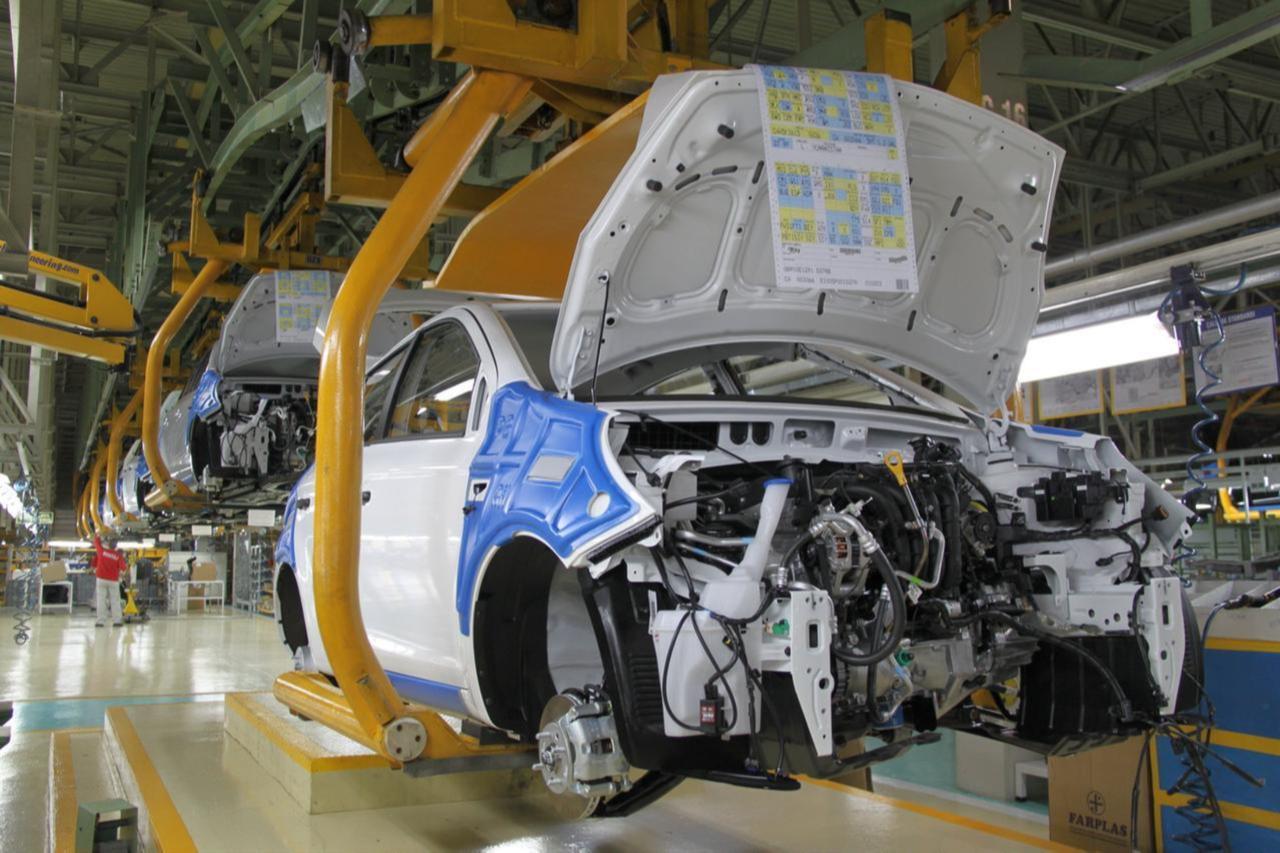
European manufacturers carry out more than 70% of vehicle production in Türkiye, Daglioglu said, as the office pressed Ankara's case amid Europe's new industrial policies.
Thanks to 30 years of deep integration under the customs union, mutual investments and integrated supply chains, Türkiye and Europe produce together within a shared automotive value chain and compete together in global markets, Daglioglu said.
"Today, while more than 70% of vehicle production in Türkiye is carried out by European manufacturers, the investments of European automotive manufacturers in our country reach approximately €25 billion ($27.4 billion)," he said, noting, "The fact that automotive trade between Türkiye and the European Union exceeds €54 billion is also one of the most concrete indicators of this strong economic partnership and the value created together."
"We believe that it is of great importance for the global competitiveness of the European automotive industry that Europe's new-generation industrial policies are shaped with an inclusive understanding that protects and strengthens the existing production and investment integration with Türkiye," Daglioglu said.
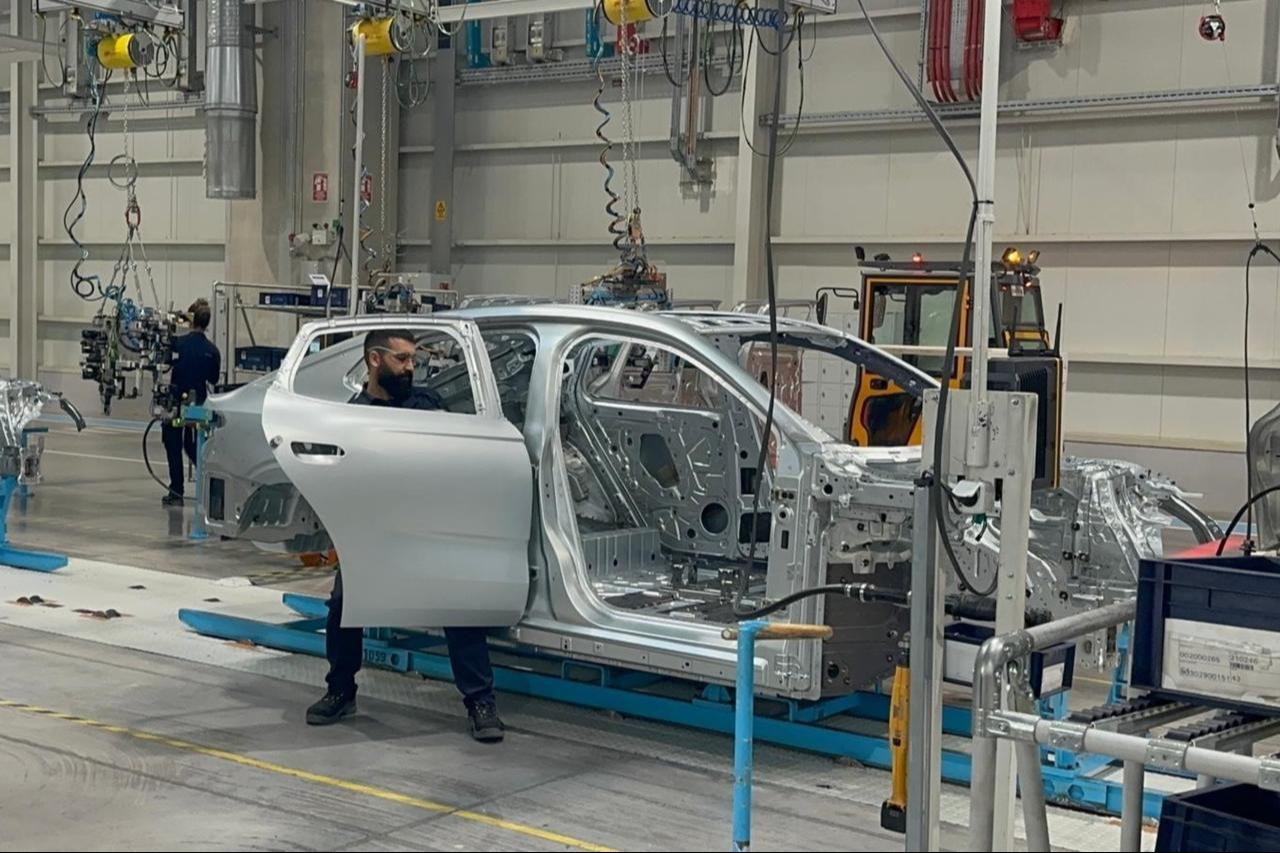

The office organized the three-day program with journalists from several European countries to promote Türkiye's international investment potential and strengthen economic and industrial cooperation with Europe.
The delegation visited production and technology facilities of leading automotive companies in Istanbul, Kocaeli, Bursa, Sakarya and Ankara and met with public and private sector representatives.
The visit took place as EU policies to boost industrial competitiveness, strengthen supply chain resilience and expand production capacity in strategic sectors gain weight on the global economic agenda.
It aimed to show with concrete examples that Türkiye is an inseparable part of the European industrial ecosystem.
The program also supports the Trade Ministry's "Made with Europe" diplomacy, launched in response to the new-generation industrial policies shaped under the EU's "Made in EU" approach.
The ministry has argued on international platforms that Türkiye's integration with European production and supply chains under the customs union should be preserved. It has also said Europe's new industrial policies should include trusted partners and focus on mutual benefit.
The talks covered Türkiye-EU economic relations, the update of the customs union, Europe's new industrial policies and Türkiye's strategic position in regional production, investment and supply chains. The officials also discussed ways to deepen Türkiye's economic integration with Europe and shared views on recent developments in global trade and investment.
 1 min read
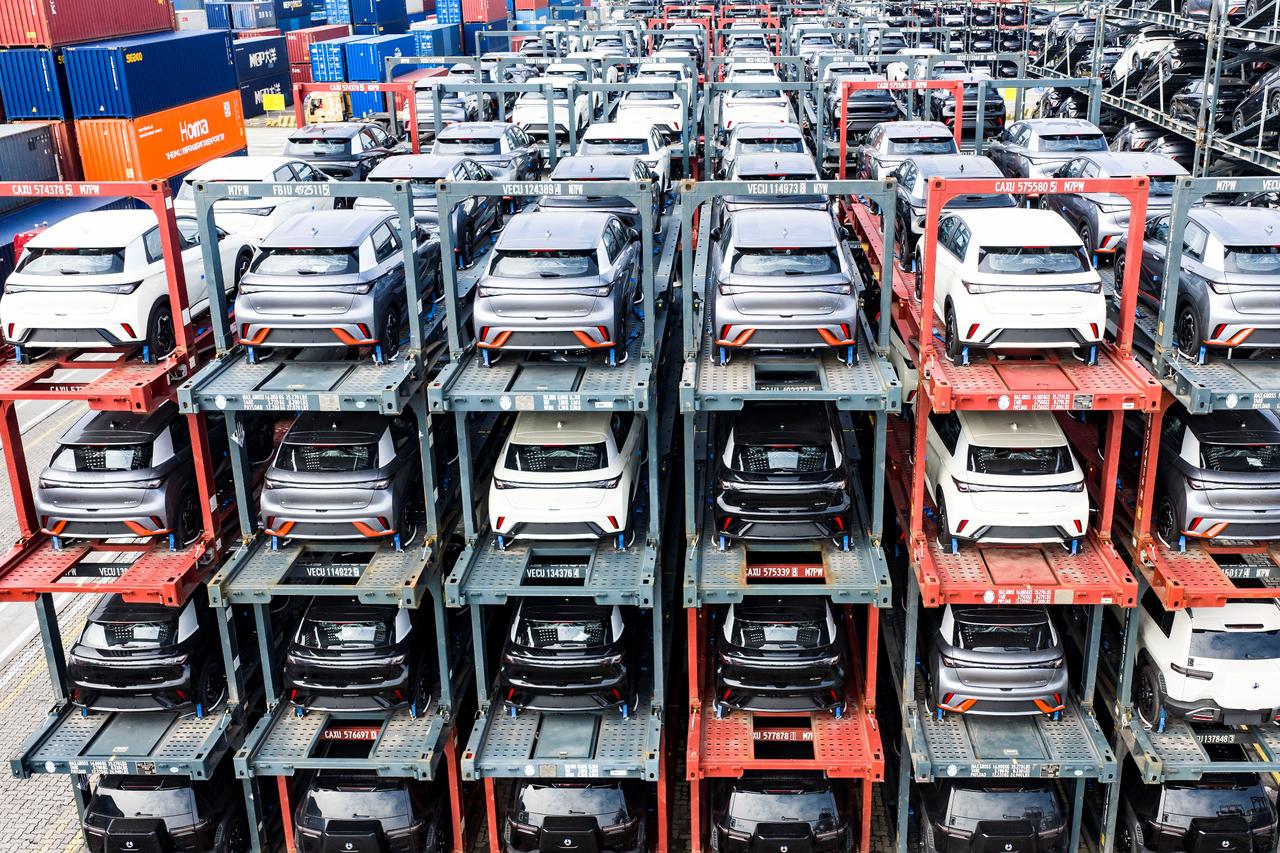
The program comes as EU governments near a deal to include the U.K. car sector in the bloc's "Made in Europe" policy while leaving out Türkiye's, according to the Financial Times (FT).
Türkiye's car sector would not be covered by the scheme, even though Ankara warned that excluding it could hurt European manufacturers operating in the country, the FT reported.
Under a compromise proposal from the Irish EU presidency, public subsidies and contracts would be limited to cars and car parts made in Europe, including the U.K., the newspaper said. The U.K. would no longer need to match EU tariffs on Chinese electric vehicles to qualify. France had first pushed that requirement, and Germany backed it.
Electric cars built in the U.K., including at Nissan's Sunderland plant and BMW's Oxfordshire facility, would become eligible for EU subsidies as long as Britain gives EU-made vehicles access to its own schemes. Switzerland and European Economic Area countries such as Norway would face the same condition.
The proposal would also let Japanese and South Korean car parts count as European after intense lobbying from both countries.
The proposal is not final. European ministers are due to discuss it in the near future, and the European Parliament must also approve the act. Some lawmakers want the European Commission to check whether third countries offer EU companies reciprocal access before letting them in.


 Set as preferred source
 Set as preferred source


 1 min read