Sign in
 Newsletters


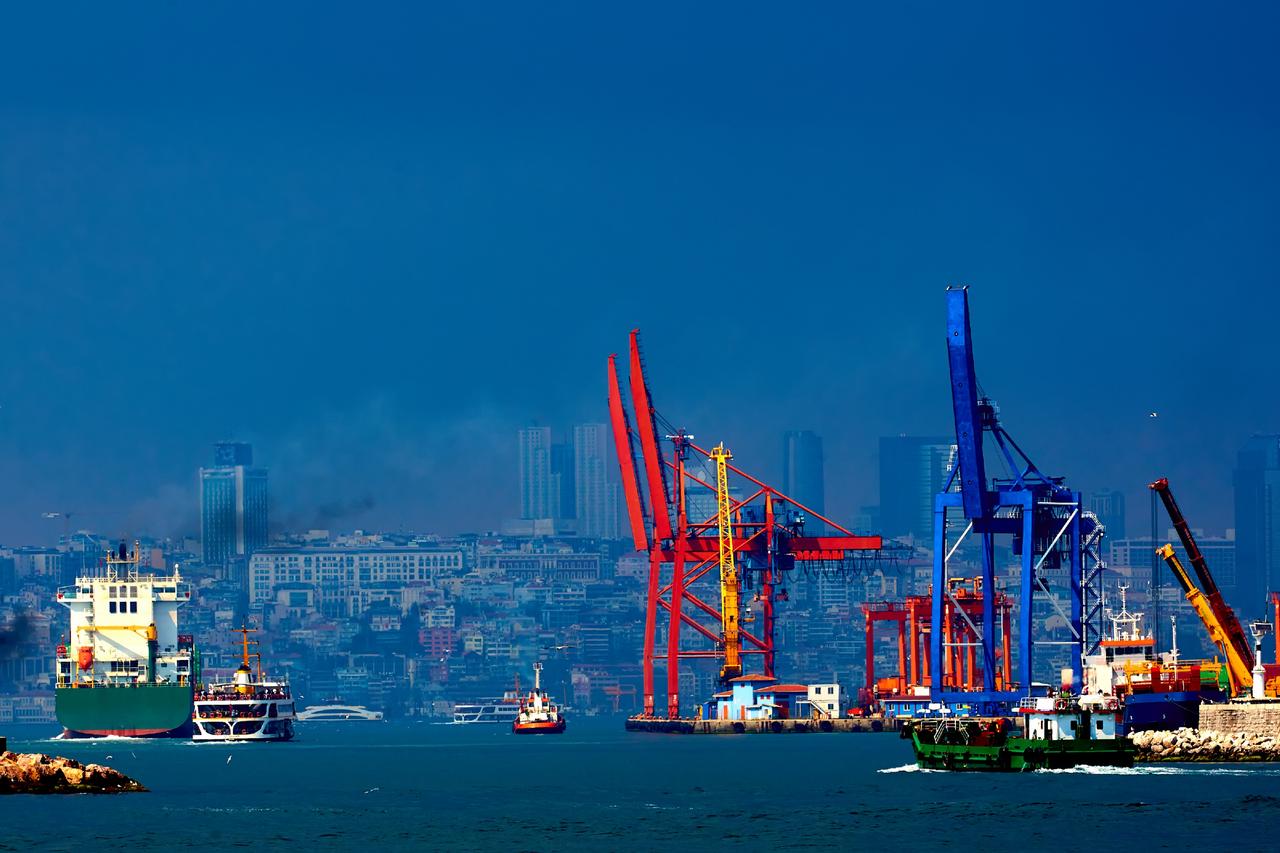


Türkiye is stepping up diplomatic efforts to prevent the European Union's proposed ‘Made in EU’ rules from excluding Turkish manufacturers, warning that the move could undermine three decades of industrial integration and jeopardize bilateral trade as negotiations enter their final stages.
Trade Minister Omer Bolat said Ankara would lobby EU institutions until a final decision, with upcoming reconciliation meetings between the European Parliament, Council and Commission offering a chance for a compromise that addresses Türkiye's concerns.
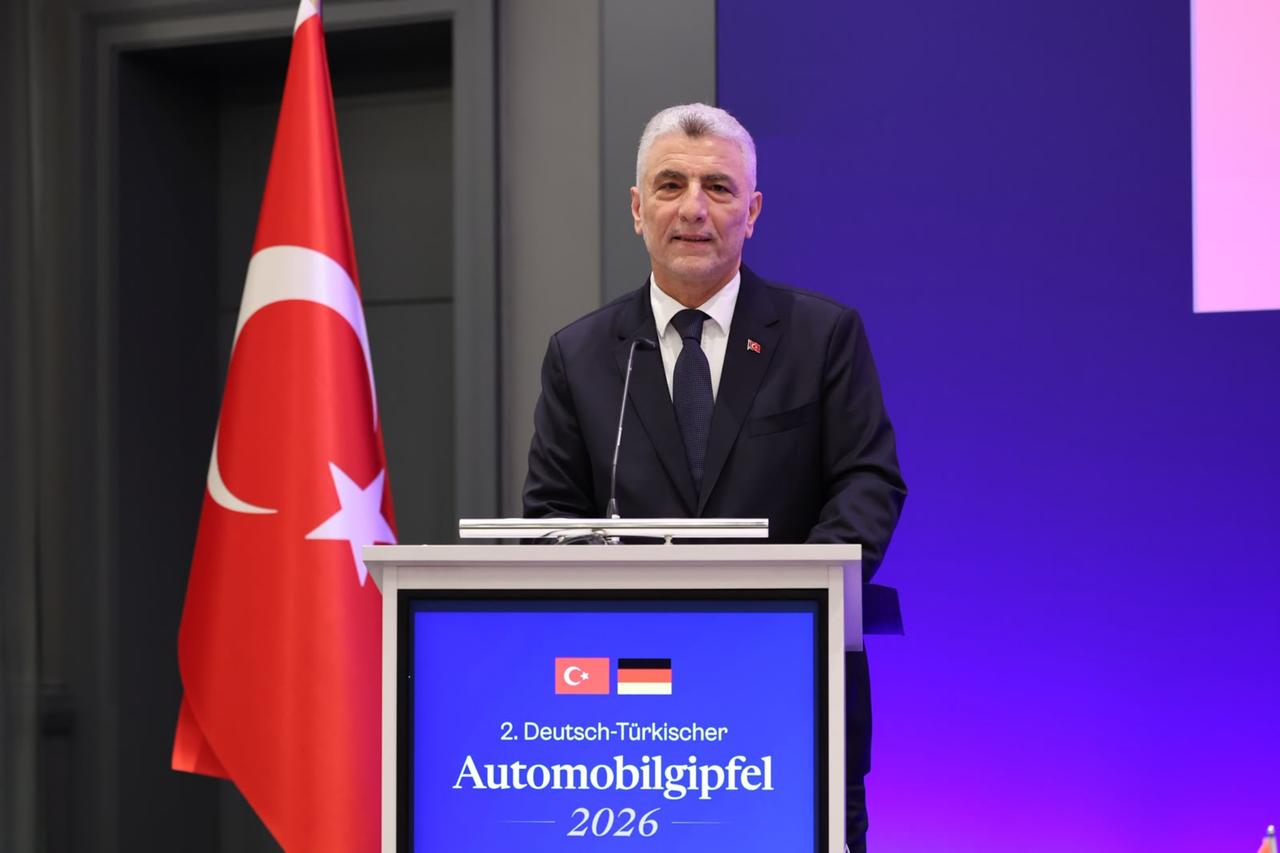
Speaking after the second Turkish-German Automotive Summit in Berlin, Bolat said support for Türkiye was growing among European business representatives, former politicians and industry figures.
Ankara has organized more than 100 activities over the past year, bringing together government institutions, businesses, civil society groups and media organizations to defend its position.
"We keep reminding Europeans at these meetings and events that they are trying to make a political decision, but if it goes ahead in this form, it will have no economic rationale and will run counter to their own interests," Bolat said.
Nearly 70,000 European companies operate in Türkiye, including 1,650 that have invested in the automotive industry, he noted.
"We do not want this to be harmed," he added.
Bolat said the EU was not close to a decision as discussions grew more complicated over the economic and legal implications of the proposed rules.
Despite negative reactions to the Franco-German agreement announced on Oct. 16, which proposed stricter European-origin requirements for automotive products and left Türkiye outside the proposed framework, Ankara continued lobbying alongside the private sector.
Bolat also planned to raise Türkiye's concerns directly with Germany's economy and energy minister, seeking support for its inclusion in the EU's proposed "Made in Europe" rules.
He warned that extending protectionist measures beyond the automotive industry could disrupt wider EU-Türkiye trade ties, pointing to divisions within the bloc between advocates of protectionism and supporters of free trade.
Ankara is seeking to preserve the Customs Union, in force since the beginning of 1996, with Bolat warning that any disruption could trigger reciprocal measures.
"If a gap is opened in the Customs Union, both sides will lose," he said.
Bilateral trade has climbed from $21 billion when the Customs Union began 30 years ago to $233 billion, an 11-fold increase. Bolat urged both sides to protect that integration rather than undermine it through short-term calculations.
Ankara is also seeking an exemption from the EU's safeguard investigation into hybrid vehicles, which could lead to additional import quotas and tariffs.
Bolat said he had signed an official letter to European Commissioner for Trade Maros Sefcovic, arguing that Türkiye's Customs Union membership should shield its automakers from the restrictions.
Launched on Oct. 30, the investigation covers hybrid and plug-in hybrid passenger vehicles imported from all countries, not just China, potentially exposing Turkish manufacturers to the same measures as other foreign suppliers.
The EU is examining a surge in imports that it says threatens European automakers' market share and profitability. Bolat said hybrid and plug-in hybrid vehicle imports from China had risen from 53,000 to a projected 850,000 by year-end over three years.
Although Türkiye's exports in this segment remain limited, investments are underway and shipments are expected to increase over the next two to three years, Bolat highlighted.

Bolat addressed investment plans by Chinese automakers BYD and Chery.
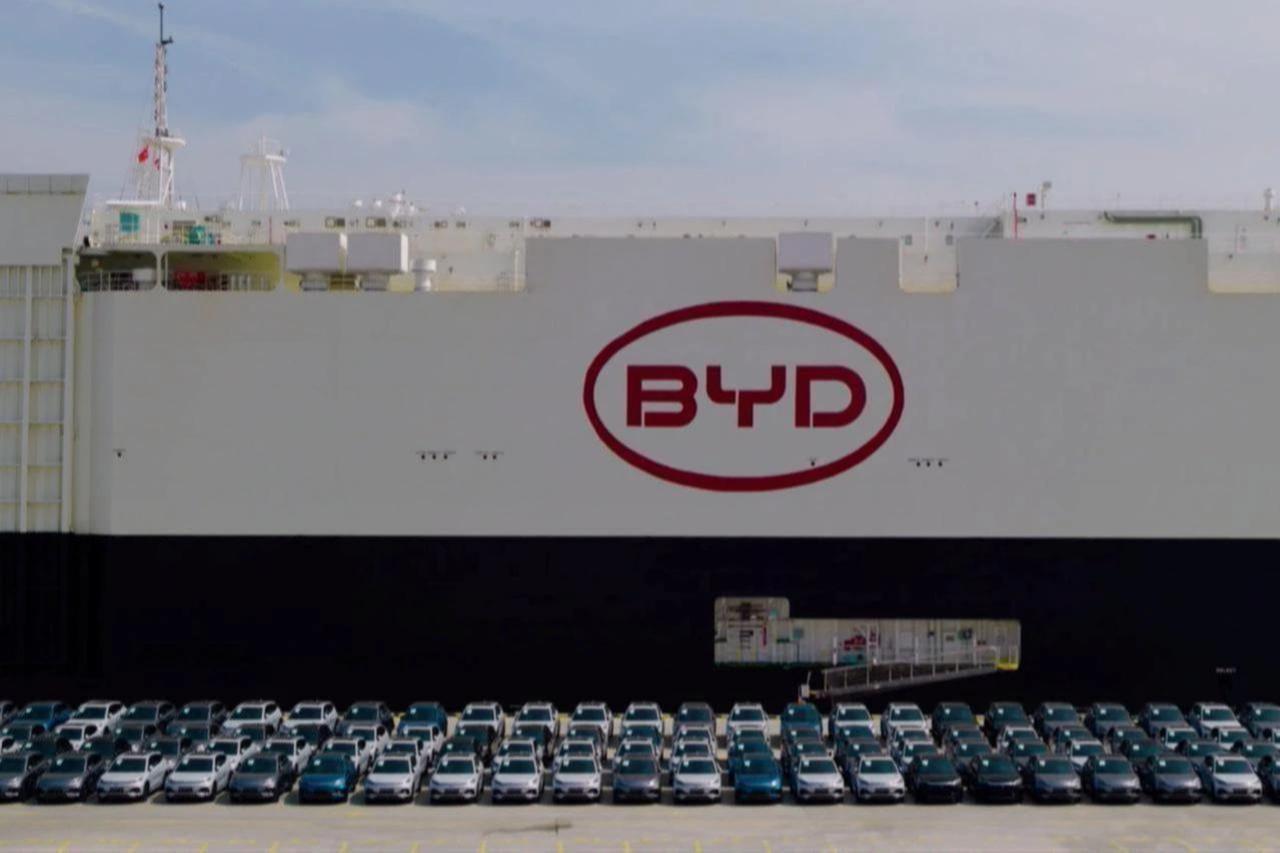
BYD signed a $1 billion agreement in July 2024 to build a Manisa factory with annual capacity of 150,000 vehicles and an R&D center.
However, construction has yet to begin, and BYD executive Stella Li confirmed in June 2026 that the project was on hold as the company prioritized its Hungary plant.
Türkiye's Industry and Technology Ministry has maintained that the investment agreement and guarantees remain valid, although access to incentives was suspended in early 2026 over delays.
The company would also have to repay incentives and meet its commitments if the project were canceled.
Chery announced a separate $1 billion investment plan in Samsun in March 2025, targeting annual capacity of 200,000 vehicles, more than 5,000 jobs and an R&D center, with plans to produce electric vehicles and automotive components.
However, the project has yet to reach a final factory decision, with no confirmed construction timetable.
Bolat said the Industry and Technology Ministry was monitoring the projects and had collected guarantees from companies bringing vehicles into Türkiye to prevent losses to public finances.
"An investment has its own process, and we need to wait for that process to be completed," he said.
He also pointed to a recently announced letter of intent between Volkswagen and Dogus Holding, although details of the potential investment remain unclear.
Bolat also welcomed the Foreign Ministry's efforts to secure faster, priority Schengen visa processing for Turkish truck drivers, whose operations have been disrupted by the bloc's 90-day stay limit within any 180-day period.
The restrictions have become more pressing since Bulgaria joined the Schengen Area, bringing its border checks under the bloc's entry-exit system.
Drivers say time spent loading and unloading cargo, waiting at border crossings and taking mandatory rest breaks counts toward the same 90-day allowance, leaving some unable to complete regular delivery routes.
Turkish transport operators staged protests at border crossings in October over the restrictions.
Ankara is seeking more flexible visa arrangements, faster application processing and uninterrupted access for professional drivers.
Longer-term proposals include issuing national long-stay D visas or establishing a separate arrangement that would allow professional drivers to operate without being subject to the standard 90-day limit.
Bolat also addressed demands from retired Turkish citizens living abroad over how long their foreign-registered vehicles can remain in Türkiye.
Under a regulation introduced in December 2023, eligible retirees can extend their vehicles' initial two-year temporary stay by another two years without taking them out of the country, allowing them to remain in Türkiye for up to four consecutive years.
After that period, vehicles must leave the country, and owners must spend at least 185 days abroad with them before qualifying for another four-year period.
Bolat recalled that the government had also eased vehicle-use requirements and removed heavy penalties affecting expatriates in cases where owners did not personally drive their vehicles.
Further changes are under consideration to address individual demands and accommodate the differing needs of 5.5 million citizens living abroad, he added.


 Set as preferred source
 Set as preferred source


 2 min read
 1 min read