Newsletters


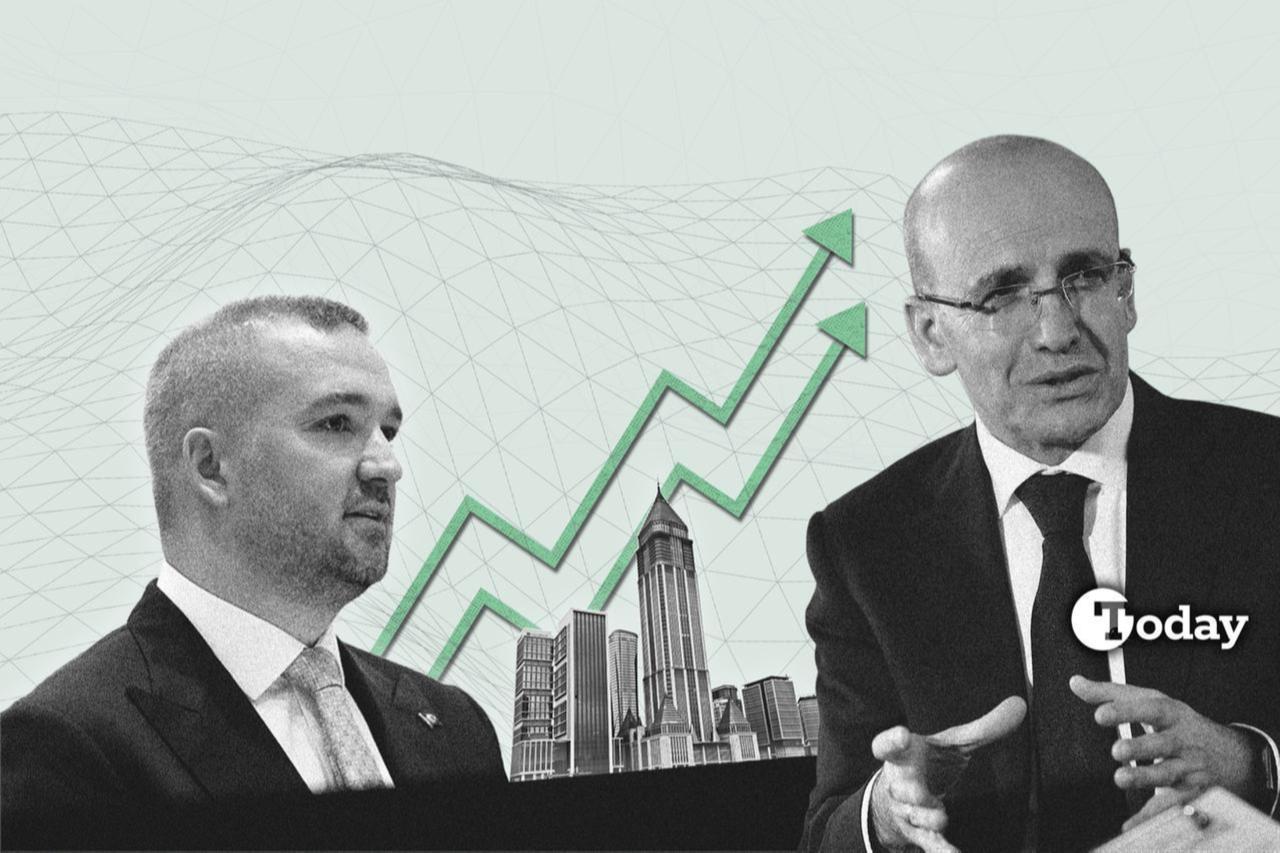


Türkiye’s economic team, led by Finance Minister Mehmet Simsek and Central Bank of the Republic of Türkiye (CBRT) Governor Fatih Karahan, is set to meet global investors in London, according to reports.
The officials are expected to highlight policy continuity, the disinflation process, and the underlying strengths of the Turkish economy amid ongoing headwinds since the start of the Iran war. Authorities confirmed the meetings to Reuters but have yet to detail the agenda.
In January meetings held in the U.K. and the U.S., Governor Karahan outlined policymakers’ projections for the disinflation path, placing year-end expectations in the 13%-19% range at the time. He also signaled that seasonal volatility in food prices would create limited upward pressure.
However, following higher-than-expected inflation figures in January and February, largely driven by an unprecedented surge in fresh vegetables and fruit prices, Türkiye’s headline inflation rose to 31.5% from 30.9% at the end of 2025.
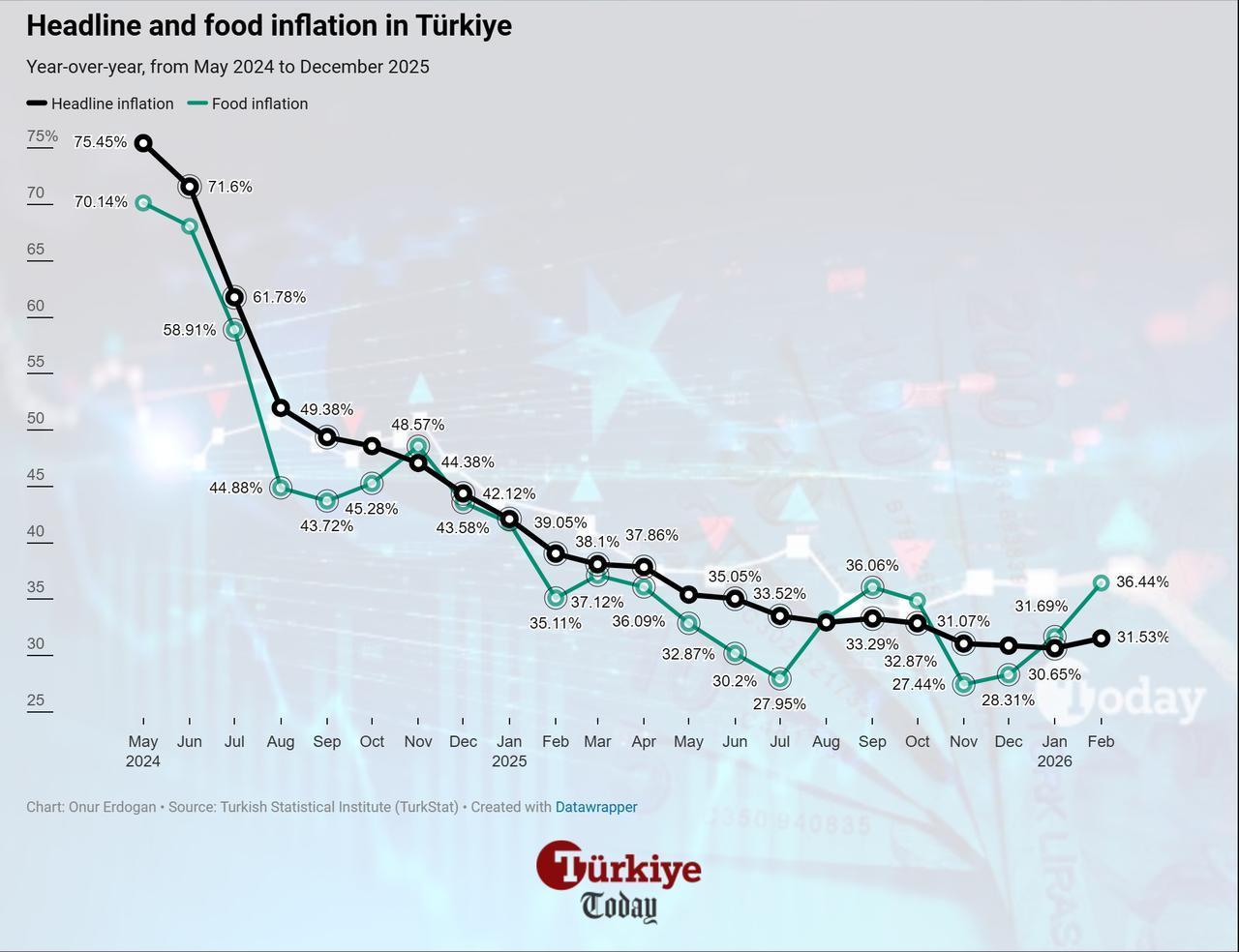

After the food shock in the first two months, the central bank raised its year-end inflation projection range to 15%-21% from the previous 13%-19%, while keeping the interim target at 16%.
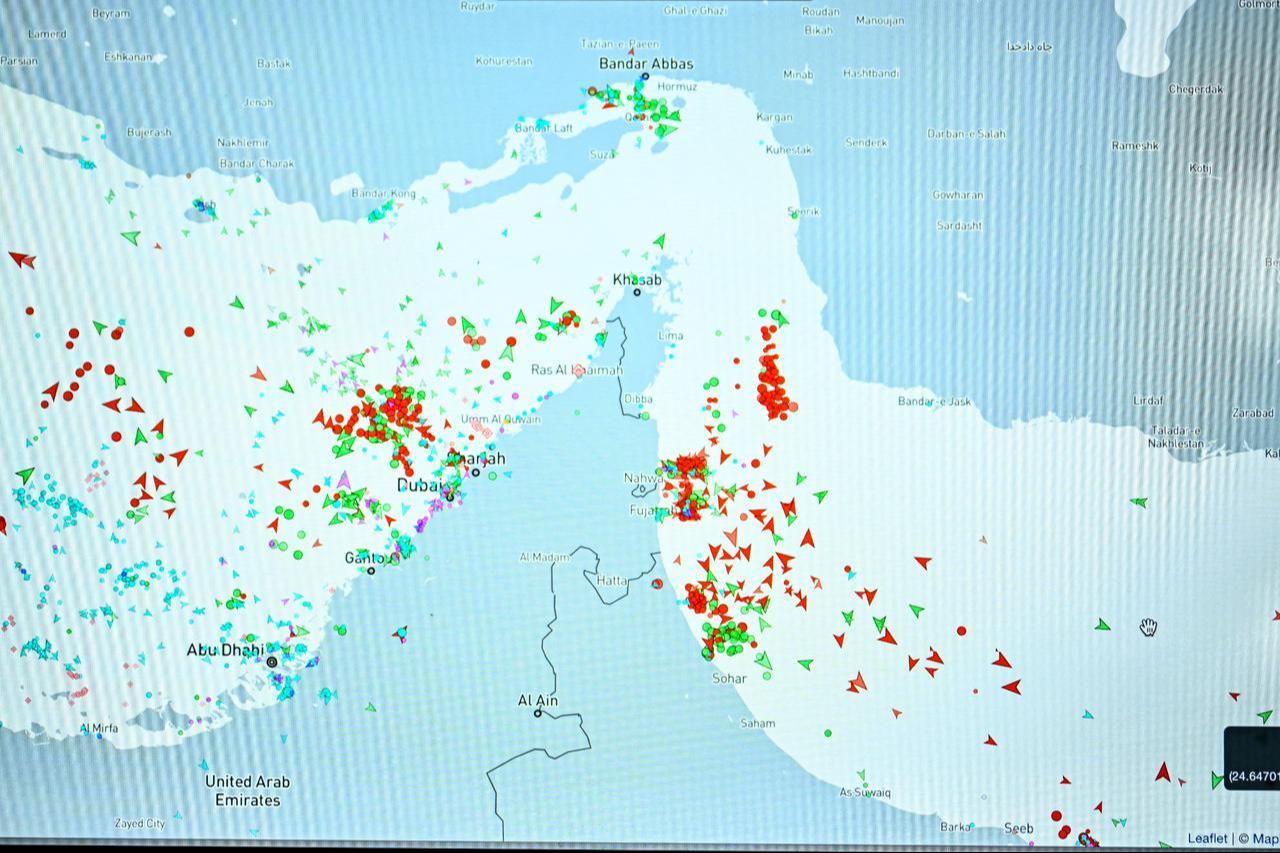
Against this backdrop, the Iran war added further pressure on Turkish markets, as the near-halt of shipping traffic through the Strait of Hormuz sent energy prices, fertilizers, and other chemical inputs to double.
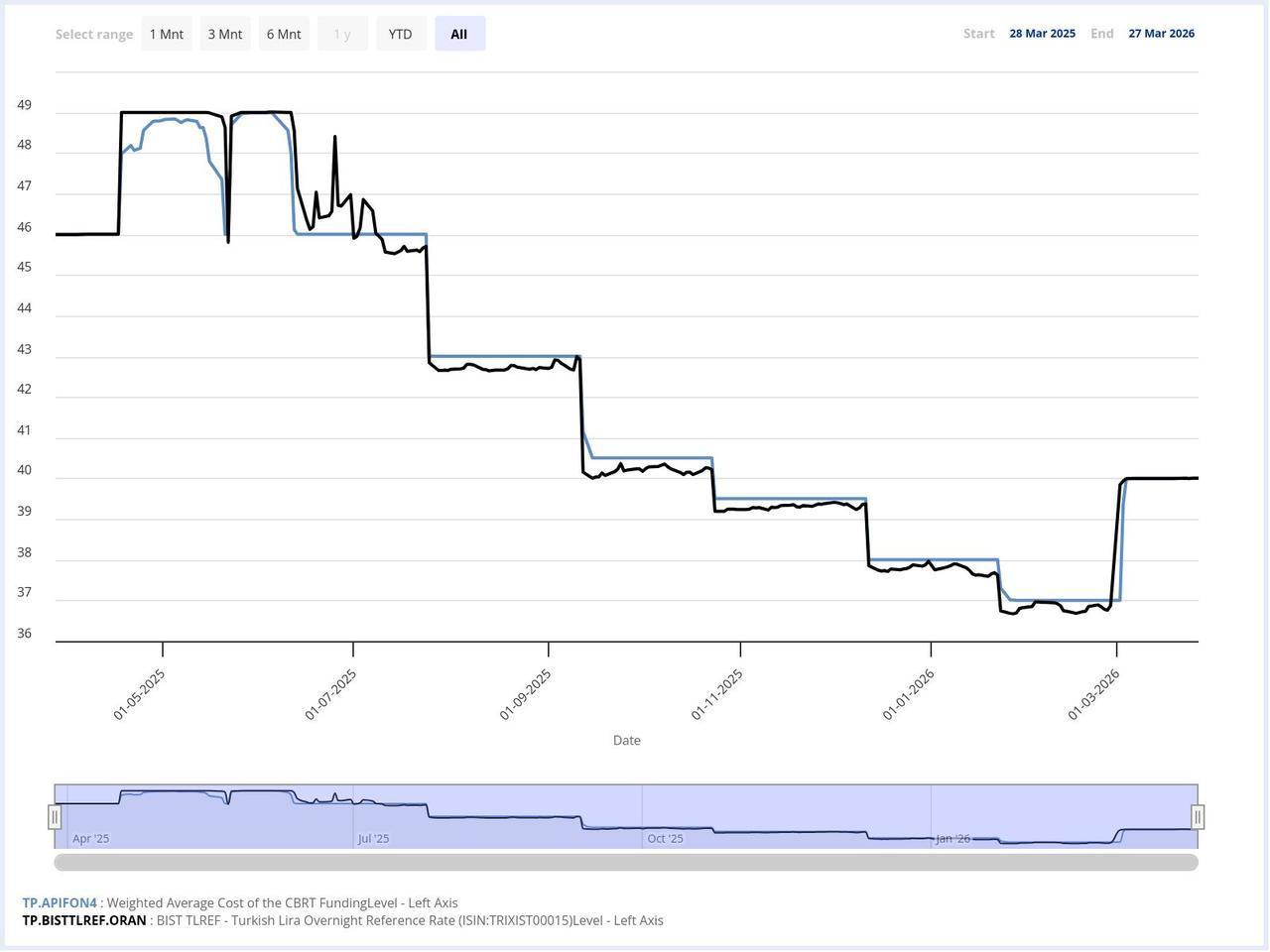
Following the outbreak of the conflict, policymakers effectively raised the Turkish lira funding cost to 40% and paused the easing cycle at the March meeting, holding the policy rate at 37%.
During the first three weeks of the conflict, the central bank’s net foreign currency sales from its reserves reached $35 billion to stabilize the lira. The bank was also reported to have tapped its gold reserves, either through sales or gold/dollar swaps, to manage liquidity.
Total outflows from Turkish bonds exceeded $4.7 billion, while equity outflows reached $1.2 billion over the same period, and carry trade outflows approached $15 billion.
The Turkish Statistical Institute (TurkStat) is set to release March inflation figures on Friday, April 3, with market expectations pointing to a 2.2%-2.5% monthly increase.


 Set as preferred source
 Set as preferred source


 1 min read
 1 min read